💸 How To Pay Off 10000 In Debt Fast
📚 The Financial Literacy Library
The best investment you can ever make is in your own financial education. These 5 cornerstone books are what millionaires, financial advisors, and wealth-builders universally recommend for completely rewiring how you think about earning, saving, and investing money.
🧠 The Psychology of Money
Doing well with money isn't necessarily about what you know—it's about how you behave. Morgan Housel masterfully breaks down the emotional and psychological biases that secretly dictate our financial decisions, offering a true paradigm shift in how to view wealth.
🏠 Rich Dad Poor Dad
The #1 personal finance book of all time for a reason. This foundational read shatters the myth that you need to earn a high income to be rich, teaching you the critical difference between working for money and making your money work for you via assets.
📈 Atomic Habits
While not strictly a finance book, building wealth is absolutely dependent on the daily habits you cultivate. James Clear provides the definitive framework for breaking bad spending habits and effortlessly automating the good ones that lead to long-term success.
📊 The Simple Path to Wealth
The ultimate antidote to complex, intimidating financial advice. JL Collins provides an incredibly accessible, low-stress roadmap to financial independence through index fund investing, perfectly explaining why simplicity beats Wall Street complexity every time.
💳 I Will Teach You to Be Rich
A tactical, no-BS, 6-week program that actually works. Ramit Sethi teaches you how to crush debt, automate your savings, and negotiate your salary—all while guilt-free spending on the things you truly love. A must-read for modern money management.
That feeling of debt weighing you down, that knot in your stomach when you check your bank balance – I know it well. Just a few years ago, I stared at a similar five-figure sum, feeling overwhelmed and unsure where to even begin.
But here’s the powerful truth: that number is just a starting point, not your destiny. This guide isn’t about quick fixes, but about empowering you with practical steps and a money-smart mindset to conquer that $10,000 debt, and fast.
You’re about to transform your financial future, one smart decision at a time.

Quick Overview
This guide will walk you through a clear, actionable plan to tackle $10,000 in debt. You’ll learn to identify your financial leaks, boost your income, and strategize your payments for maximum impact. By the end, you’ll have a robust system in place, not just for paying off this debt, but for building lasting financial strength.
- Time needed: 6-18 months (depending on income and spending habits)
- Difficulty: Beginner to Intermediate
- What you’ll need: Your debt statements, bank statements, a notebook or spreadsheet, and a determined mindset.
Step-by-Step Instructions
Step 1: Get Real with Your Debt (and Yourself)
Before you can slay the debt dragon, you need to know exactly what you’re fighting. This isn’t about judgment; it’s about clarity and control.
- List every single debt you have. Include credit cards, personal loans, medical bills, and any other outstanding balances.
- Note down the creditor, the current balance, the interest rate, and the minimum monthly payment for each. Organize this information in a spreadsheet or a dedicated notebook.
- Acknowledge your feelings about the debt. It’s okay to feel stressed or frustrated, but channel that energy into motivation for change.
Pro Tip: Don’t just look at the total. Seeing each debt broken down makes the problem feel more manageable and less like an insurmountable mountain.
Step 2: Uncover Your Cash Flow (The Budgeting Blueprint)
A budget isn’t about restriction; it’s about giving every dollar a job. This step helps you see where your money truly goes.
- Track your income. Write down all sources of money coming in each month.
- Categorize your expenses. For one month, meticulously track every dollar you spend. Use an app, a spreadsheet, or even a small notebook.
- Distinguish between fixed expenses (rent, loan payments) and variable expenses (groceries, entertainment). This clarity is powerful.
- Create a realistic budget. Allocate funds for necessities, debt payments, and even a small amount for discretionary spending to prevent burnout.
Step 3: Slash Unnecessary Spending (Find Your Hidden Savings)
This is where you free up cash to throw at your debt. Small changes often add up to big savings.
- Review your variable expenses from Step 2. Where can you cut back without feeling deprived?
- Challenge every subscription. Do you truly use all those streaming services, gym memberships, or app subscriptions?
- Cook more at home. Eating out is a huge budget killer. Pack lunches, brew your own coffee, and plan your meals.
- Seek cheaper alternatives. Can you carpool, use public transport, or find free entertainment options?
- Implement a “no-spend” challenge for a week or even a month. This can reveal just how much you spend unconsciously.
Pro Tip: Think of every dollar saved as a dollar directly applied to your debt. It makes cutting back feel incredibly rewarding.
Step 4: Boost Your Income Streams (Accelerate Your Payoff)
Saving is powerful, but increasing your income is often the fastest way to pay off debt. You have more earning potential than you think.
- Sell unused items. Declutter your home and list clothes, electronics, furniture, or collectibles on online marketplaces.
- Take on a side hustle. Consider freelancing, dog walking, babysitting, delivering food, or offering a skill you possess.
- Ask for a raise or promotion at your current job. Prepare your case by highlighting your achievements and value.
- Work extra hours if available. Overtime pay can significantly boost your debt payments.
- Leverage your skills. Can you tutor, offer consulting, or create something to sell online?
Step 5: Choose Your Debt Attack Strategy (Snowball vs. Avalanche)
Having a clear strategy keeps you focused and motivated. Both methods are effective; choose the one that resonates most with you.
- Debt Snowball Method: List your debts from smallest balance to largest. Pay the minimum on all debts except the smallest, which you attack with all extra funds. Once that’s paid off, roll its payment (plus your extra funds) into the next smallest debt.
- Debt Avalanche Method: List your debts from highest interest rate to lowest. Pay the minimum on all debts except the one with the highest interest rate, which you attack with all extra funds. Once that’s paid off, move to the next highest interest rate.
- Consider your personality. Snowball offers quicker psychological wins, while Avalanche saves you more money on interest in the long run.
Step 6: Optimize Your Debt (If Possible)
Sometimes, a smart move can reduce your interest burden, making your payments go further. This isn’t always an option, but it’s worth exploring.
- Explore balance transfer credit cards. If you have good credit, you might qualify for a card with 0% APR for an introductory period. Transfer high-interest balances here, but be very careful to pay it off before the introductory period ends.
- Look into personal loans. If you have multiple high-interest debts, a personal loan with a lower, fixed interest rate could consolidate them into one manageable payment.
- Negotiate with creditors. If you’re struggling, call your creditors. They might be willing to lower your interest rate or offer a temporary payment plan.
- Beware of debt settlement companies. These often come with high fees and can negatively impact your credit. Explore other options first.
Pro Tip: Any debt optimization should only be done if you have a strict plan to pay it off. Don’t transfer debt just to incur more.
Step 7: Automate Your Payments & Savings (Set It and Forget It)
Consistency is key. Automation removes the mental burden and ensures you stay on track.
- Set up automatic minimum payments for all your debts. This ensures you never miss a payment and incur late fees.
- Automate your extra debt payments. If you’re attacking a specific debt, set up an automatic transfer for your extra funds right after payday.
- Create an emergency fund. Even a small starter fund ($500-$1000) can prevent you from using credit cards for unexpected expenses. Automate small transfers to this fund.
- Review your progress regularly. Schedule a weekly or monthly check-in to see how far you’ve come and make adjustments.
Step 8: Celebrate Small Wins & Stay Motivated
Paying off debt is a marathon, not a sprint. Acknowledging your progress keeps you energized.
- Track your debt reduction visually. Create a chart or use an app to see your balances shrink.
- Reward yourself for milestones (e.g., paying off your first debt, reaching $5,000 paid). These rewards should be small, free, or low-cost and not involve taking on more debt.
- Share your journey with a trusted friend or family member. Accountability can be a powerful motivator.
- Remind yourself of your “why.” What will life look like when you’re debt-free? This vision fuels your determination.
Common Mistakes to Avoid
Ignoring the Problem
Many people try to avoid looking at their debt statements or checking their bank balance. This only makes the problem grow and creates more anxiety. Facing your debt head-on is the first step to conquering it, even if it feels uncomfortable at first. Transparency is your greatest ally.
Not Having a Budget
Without a clear understanding of your income and expenses, you’re essentially driving blind. A budget isn’t restrictive; it’s a roadmap that shows you exactly where your money is going and where you can make changes to accelerate your debt payoff. It empowers you to make intentional financial decisions.
Trying to Do It All At Once (Burnout)
It’s tempting to cut every single expense and work every waking hour. While admirable, this aggressive approach often leads to burnout, frustration, and eventually, giving up. Build in some small allowances for fun or relaxation to make your debt payoff journey sustainable. Consistency beats intensity every time.
Falling Back Into Old Habits
Paying off debt is fantastic, but if you don’t address the underlying habits that led to the debt, you risk accumulating it again. Take time to understand your spending triggers and develop healthier financial behaviors. This might involve setting up new safeguards or finding alternative ways to cope with stress or desires.
Troubleshooting
My Budget Feels Too Restrictive
If your budget feels suffocating, it’s probably too tight. This can lead to frustration and giving up. Revisit your budget and find one or two small areas where you can add back a little discretionary spending. The goal is sustainable progress, not immediate perfection. Even a small amount for “fun money” can make a huge difference in staying motivated.
Unexpected Expenses Keep Popping Up
Life happens, and emergencies are inevitable. This is precisely why having a small emergency fund (even $500-$1,000) is crucial while paying off debt. If you don’t have one, pause your aggressive debt payments for a short period to build this mini-fund. It acts as a buffer, preventing you from using credit cards again when unexpected costs arise.
I’m Losing Motivation
Debt payoff can be a long journey, and it’s normal to feel discouraged sometimes. Reconnect with your “why” – visualize what life will be like without this debt. Review your progress chart to see how far you’ve come. Talk to a trusted friend or an online community for encouragement. Sometimes, a small, free reward for your efforts can also rekindle your drive.
Key Takeaways
- Know Your Enemy: List every debt with its balance, interest rate, and minimum payment to gain clarity.
- Master Your Money: Create and stick to a realistic budget that gives every dollar a purpose.
- Find Extra Cash: Cut unnecessary expenses and actively seek ways to boost your income through side hustles or selling items.
- Strategize Your Attack: Choose either the debt snowball (for motivation) or debt avalanche (for saving interest) method.
- Automate for Success: Set up automatic payments for debts and savings to ensure consistency and prevent missed payments.
- Celebrate the Journey: Acknowledge your progress and reward yourself for milestones to stay motivated and avoid burnout.
Frequently Asked Questions
Is $10,000 a lot of debt?
While $10,000 might seem like a large sum, it’s a very manageable amount to pay off with a focused plan. Many people carry significantly more debt. With dedication and the strategies outlined in this guide, you can tackle this amount faster than you might think and build excellent financial habits along the way.
Should I pay off debt or save first?
Generally, it’s wise to have a small emergency fund (e.g., $500-$1,000) in place before aggressively paying off debt. This fund acts as a buffer against unexpected expenses, preventing you from going back into debt. Once that mini-fund is established, focus the majority of your efforts on high-interest debt, while still contributing a small, consistent amount to your savings if possible.
What if I have very low income?
Even with a low income, you can make progress. Focus intensely on Step 3 (slashing expenses) and Step 4 (boosting income). Every dollar saved or earned is significant. Look for government assistance programs, food banks, or community resources that can free up some of your budget. Small, consistent payments, even if they’re just the minimum, are better than no payments at all.
How does paying off debt affect my credit score?
Paying off debt, especially credit card debt, can significantly improve your credit score. Reducing your credit utilization ratio (the amount of credit you’re using compared to your total available credit) is a major factor. Making on-time payments consistently also contributes positively to your payment history, which is the most influential factor in your score.
Our Top Recommended Finds
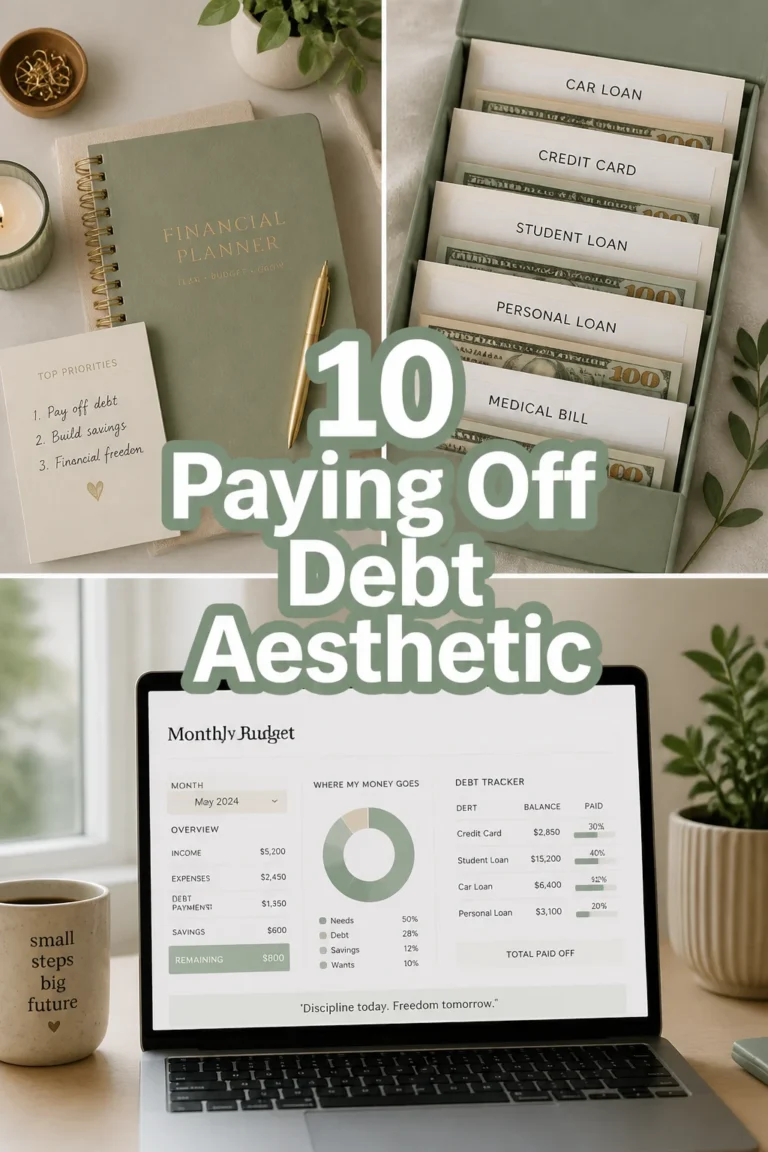
- Personal Finance Planner: A dedicated notebook or planner helps you track your budget, debts, and goals in a tangible way.
- Cash Envelope System: For variable spending categories like groceries or entertainment, using cash envelopes can be a powerful way to stick to your budget.
- Budgeting App (e.g., YNAB, Mint): These tools connect to your bank accounts, categorize expenses, and help you visualize your spending and progress automatically.
Your Debt-Free Future Starts Today
You’ve just armed yourself with a powerful blueprint to conquer your $10,000 debt. This isn’t just about numbers; it’s about reclaiming your peace of mind and building a foundation for a truly prosperous life. The most crucial step now is to begin.
Don’t wait for the “perfect” moment. Start with Step 1 today, right now. List those debts, even if it’s just on a scrap piece of paper. You have the power within you to make this change. Imagine the freedom, the possibilities, and the confidence that come with being debt-free.
Now, go make it happen. Your future self will thank you.