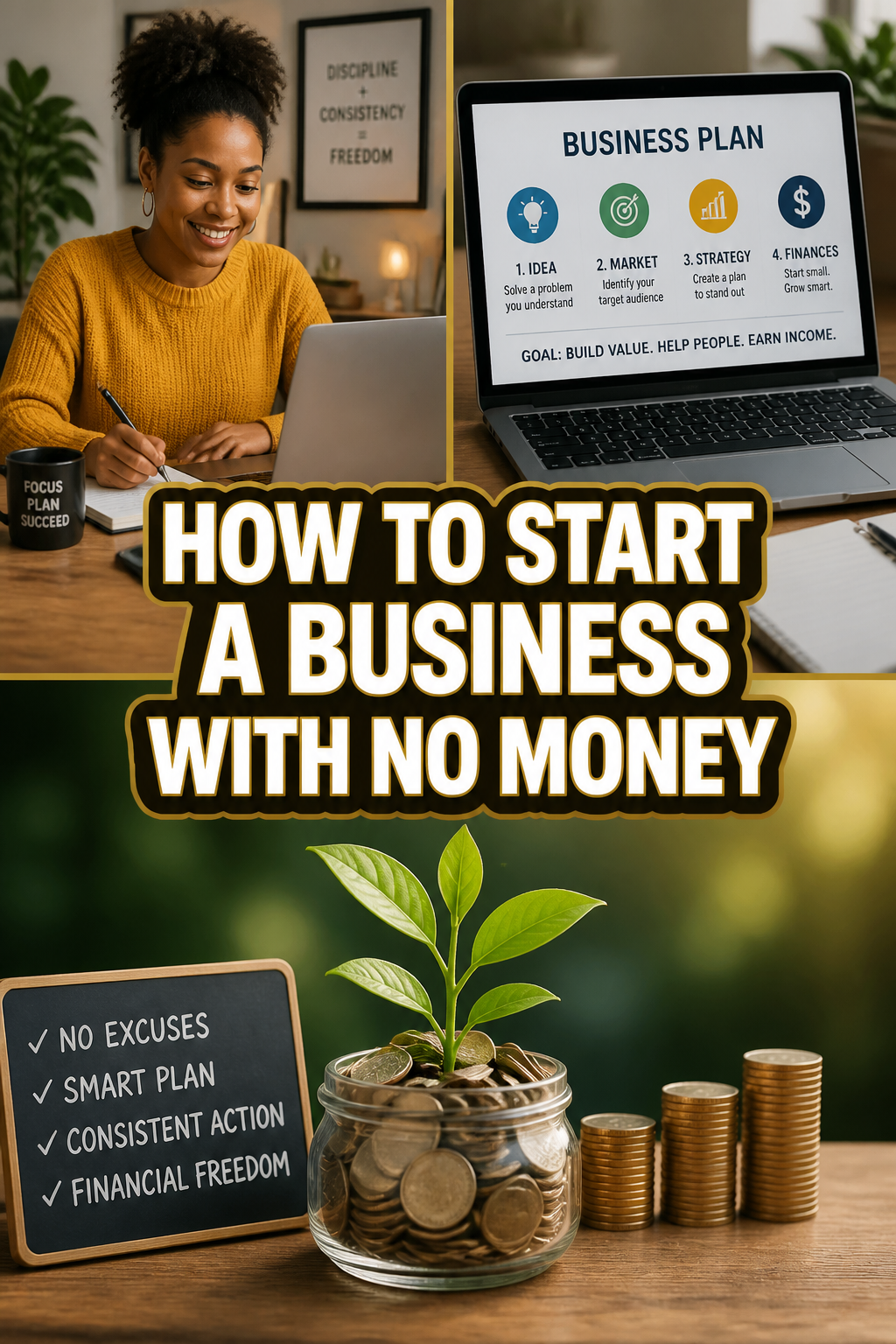
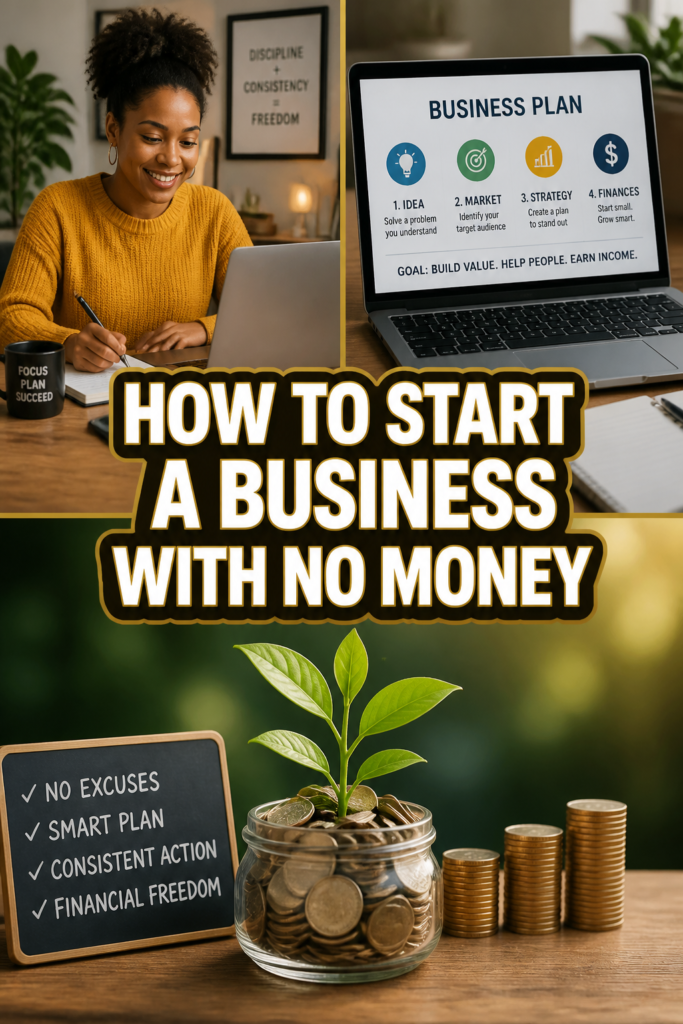
💰 How To Start A Business With No Money
📚 The Financial Literacy Library
The best investment you can ever make is in your own financial education. These 5 cornerstone books are what millionaires, financial advisors, and wealth-builders universally recommend for completely rewiring how you think about earning, saving, and investing money.
🧠 The Psychology of Money
Doing well with money isn't necessarily about what you know—it's about how you behave. Morgan Housel masterfully breaks down the emotional and psychological biases that secretly dictate our financial decisions, offering a true paradigm shift in how to view wealth.
🏠 Rich Dad Poor Dad
The #1 personal finance book of all time for a reason. This foundational read shatters the myth that you need to earn a high income to be rich, teaching you the critical difference between working for money and making your money work for you via assets.
📈 Atomic Habits
While not strictly a finance book, building wealth is absolutely dependent on the daily habits you cultivate. James Clear provides the definitive framework for breaking bad spending habits and effortlessly automating the good ones that lead to long-term success.
📊 The Simple Path to Wealth
The ultimate antidote to complex, intimidating financial advice. JL Collins provides an incredibly accessible, low-stress roadmap to financial independence through index fund investing, perfectly explaining why simplicity beats Wall Street complexity every time.
💳 I Will Teach You to Be Rich
A tactical, no-BS, 6-week program that actually works. Ramit Sethi teaches you how to crush debt, automate your savings, and negotiate your salary—all while guilt-free spending on the things you truly love. A must-read for modern money management.
Starting a business often feels like an impossible dream if your bank account is looking a bit lean.
Many believe you need a hefty investment, but I’ve personally seen and helped others launch successful ventures from scratch.
This guide will show you exactly how to transform an idea into income, even if you’re starting with literally no capital.
Quick Overview
This guide will equip you with the mindset and practical steps to launch a profitable business without needing a loan or significant savings.
- Time needed: 4-8 weeks to launch, ongoing effort for growth
- Difficulty: Beginner
- What you’ll need: A computer or smartphone, internet access, an open mind, and a willingness to learn
Step-by-Step Instructions
Step 1: Discover Your Hidden Gold (Skills & Passions)
Before thinking about products or services, look inward. What are you naturally good at? What do people often ask for your help with?
Your unique skills, hobbies, or even just a strong interest can be the foundation of a money-making venture.
- List everything you enjoy doing or are competent at, no matter how small. Think about things like organizing, writing, teaching, crafting, fixing, advising, or even just listening.
- Identify problems you enjoy solving for others. Are you great at simplifying complex topics? Can you make beautiful social media graphics?
- Think about tasks others find tedious or difficult. This is often where unmet needs lie.
Pro Tip: Don’t dismiss “soft skills” like empathy, communication, or problem-solving. These are incredibly valuable and can form the core of consulting or coaching services.
Step 2: Validate Your Idea for Free (Market Research)
Having an idea is great, but knowing if people will pay for it is crucial. You don’t need expensive surveys or focus groups to validate your concept.
Your goal is to find out if there’s a real need and willingness to pay before you invest any time or effort.
- Talk to potential customers directly. Ask friends, family, and acquaintances if they’d use your service or product. Go beyond yes/no questions; ask about their current solutions and pain points.
- Use free online platforms. Post questions in relevant Facebook groups, Reddit communities, or LinkedIn forums. “Would you pay for X if it solved Y problem?” is a powerful question.
- Observe existing solutions. See what competitors are doing, but look for gaps they aren’t filling. What complaints do their customers have?
- Create a simple landing page using a free tool like Google Sites or Carrd. Briefly describe your idea and include a sign-up form for “early bird access” or a “newsletter.” This gauges interest without building anything yet.
Step 3: Craft Your Minimum Viable Offer (MVO)
A Minimum Viable Offer (MVO) is the simplest version of your product or service that can still deliver value and generate income.
The goal is to start earning money immediately, even if it’s a small amount, to prove your concept and fund future growth.
- Focus on one core problem you can solve. Don’t try to be everything to everyone at first.
- Determine the absolute essential features or services. If you’re a tutor, your MVO is a single lesson. If you’re a designer, it’s one specific graphic.
- Eliminate anything that isn’t critical for the first sale. Fancy websites, complex branding, or advanced features can wait.
- Define your pricing. Even a small price point proves people are willing to pay. Start low to get initial customers and testimonials.
Pro Tip: Think of it as a “pilot program.” You’re testing the waters, gathering feedback, and making your first few sales to gain confidence and capital.
Step 4: Fund Your First Steps Through Frugality & Pre-selling
This is where “no money” becomes “some money.” You’ll generate your initial capital through smart financial habits and by securing payment before you fully deliver.
Every dollar saved or earned here is a dollar you don’t need to borrow.
- Cut unnecessary personal expenses. Review your budget (or create one) and identify areas to trim. That daily coffee, unused subscriptions, or impulse buys can quickly add up.
- Sell unused items around your home. Decluttering your space can free up cash and mental clarity. Use platforms like Facebook Marketplace or local consignment shops.
- Offer to pre-sell your MVO. Tell potential clients you’re launching a new service and offer a discounted rate for early birds who pay upfront. This provides immediate cash flow.
- Leverage free trials for any software you might need. Cancel before the trial ends if you can’t justify the cost with immediate income.
Step 5: Build a Basic, Free Online Presence
You need a way for people to find you and understand what you offer. Thankfully, many powerful tools are completely free to start.
Your online presence should be clear, concise, and direct people to take action.
- Choose one or two relevant social media platforms where your target audience hangs out. A professional profile on LinkedIn, an engaging Instagram page for creatives, or a helpful Facebook group for service providers.
- Optimize your profile. Clearly state what you do and who you help. Include a call to action, like “DM me for a consultation” or “Click link in bio to learn more.”
- Create a free landing page using tools like Google Sites, Carrd, or even a simple Linktree. This acts as your digital business card, showcasing your MVO and providing contact information.
- Share valuable content related to your niche. This establishes you as an expert and attracts potential clients without spending on ads.
Step 6: Acquire Your First Customers (The Hustle Phase)
Getting those initial paying customers is crucial. It builds momentum, provides testimonials, and generates your first business income.
This phase is about direct outreach and leveraging your network.
- Reach out to your personal network. Let friends, family, and past colleagues know about your new venture. They might be your first clients or know someone who needs your help.
- Offer introductory discounts or a free consultation. This lowers the barrier for new clients to try your service.
- Network actively, both online and offline. Join relevant industry groups, attend local meetups (even virtual ones), and introduce yourself and your MVO.
- Ask for testimonials and referrals from your first few happy clients. Social proof is incredibly powerful and costs nothing.
Pro Tip: Focus on providing exceptional value to your early customers. Their positive reviews and word-of-mouth recommendations will be your most effective marketing.
Step 7: Manage Your Money Smartly (Budgeting & Reinvestment)
Once money starts coming in, treating it wisely is paramount. This is where you transition from “no money” to “growing money.”
Develop habits that ensure your business remains sustainable and can scale.
- Open a separate bank account for your business as soon as you have a little income. This simplifies tracking and tax preparation, even if it’s just a free personal account initially designated for business.
- Track every dollar in and out. Use a simple spreadsheet or a free budgeting app. Knowing your cash flow is critical for making informed decisions.
- Pay yourself a modest salary, even if it’s small. This establishes a healthy boundary between personal and business finances and motivates you.
- Reinvest a portion of your profits back into the business. This could be for a paid tool that saves you time, a small marketing push, or education to improve your skills.
- Set aside money for taxes. This is often overlooked by new entrepreneurs and can lead to big headaches later.
Step 8: Grow Organically & Smartly (Scaling)
With a validated offer and some initial income, you’re ready to think about growth. This doesn’t mean spending a lot of money; it means strategic expansion.
Use your profits to fuel sustainable growth, not to chase expensive trends.
- Automate repetitive tasks where possible. Look for free or low-cost tools that can save you time, freeing you up to focus on higher-value activities.
- Expand your service offerings incrementally. Once your MVO is stable, consider adding related services that your existing clients might need.
- Increase your prices as you gain experience and testimonials. Don’t undervalue your work.
- Seek partnerships. Collaborating with other small businesses can expand your reach to new audiences without direct advertising costs.
Common Mistakes to Avoid
Waiting for Perfection
Many aspiring entrepreneurs get stuck trying to perfect every detail before launching. They spend endless hours on branding, website design, or product features, only to find they’re out of steam or the market has moved on. The real learning happens when you put your idea out there and get feedback from real customers.
Instead, launch your Minimum Viable Offer quickly. Embrace imperfection and iterate based on customer feedback. Your first version doesn’t have to be perfect; it just needs to solve a problem.
Ignoring Financial Tracking
When you start with no money, every penny counts. Neglecting to track income and expenses can lead to confusion, missed opportunities for savings, and tax problems down the line. It’s easy to lose sight of profitability if you don’t know where your money is going.
Make financial tracking a non-negotiable habit from day one. Use simple spreadsheets or free apps to record every transaction. This clarity empowers you to make smarter decisions about reinvestment and personal compensation.
Trying to Do Everything Alone
The entrepreneurial journey can feel isolating, and the temptation to handle every aspect of your business yourself is strong, especially when trying to save money. However, this often leads to burnout, inefficiency, and missed opportunities to leverage others’ strengths.
Seek out mentors, join online communities, or connect with other small business owners. Even if you can’t afford to hire, networking can provide valuable advice, support, and even referrals. Learn to delegate or outsource tasks that aren’t your core strength when you can afford to, even if it’s just a small task on a freelancing platform.
Troubleshooting
“I Can’t Find Any Skills Worth Selling!”
It’s easy to undervalue your own abilities. Often, what comes naturally to you feels unremarkable. Think about what friends or family consistently ask for your help with, or what you enjoy doing in your free time that others might find challenging.
Solution: Ask five people who know you well what they think your strengths are. You might be surprised by their answers. Look at common “side hustles” for inspiration – many start with basic skills like organizing, pet sitting, or local errands. Your unique perspective on a common task can be your differentiator.
“No One Is Responding to My Offer”
This can be disheartening, but it’s a valuable signal. It might mean your offer isn’t clear, you’re reaching the wrong audience, or your proposed solution isn’t compelling enough.
Solution: Revisit your validation step. Are you truly solving a painful problem for a specific group of people? Simplify your message, clarify the benefit, and ensure you’re speaking directly to your target customer’s needs. Also, consider if your pricing is appropriate for your early stage. Sometimes, offering a very low introductory rate or even a free trial can break the ice.
“I’m Overwhelmed by All the Tasks”
Starting a business involves wearing many hats, which can quickly lead to feeling swamped. This overwhelm can stall progress and lead to burnout.
Solution: Prioritize ruthlessly. Focus on the 20% of tasks that will generate 80% of your results, primarily sales and customer satisfaction. Delegate or postpone non-essential tasks. Create a simple daily to-do list and tackle one task at a time. Remember, done is better than perfect, especially in the early stages.
Key Takeaways
- Your existing skills and passions are your most valuable assets for starting a business with no money.
- Validate your business idea for free by talking to potential customers before investing time or resources.
- Focus on a Minimum Viable Offer (MVO) to start earning income quickly and prove your concept.
- Practice extreme frugality and leverage pre-selling to generate your initial business capital.
- Utilize free online tools and platforms to establish a professional yet cost-effective online presence.
- Acquire early customers through direct outreach, networking, and asking for testimonials and referrals.
- Implement smart financial habits, including separate accounts and tracking, to manage and reinvest profits wisely.
- Growth should be organic and strategic, using earned income to scale your business sustainably.
Frequently Asked Questions
Can I really start a business with absolutely zero dollars?
Yes, absolutely. While it might take more effort and creativity, you can leverage your existing skills, free tools, and personal network to get your first customers. The “no money” part often means using what you already have – your time, knowledge, and connections – as your initial investment.
How do I handle taxes if I’m starting with no money?
As soon as you start generating income, even small amounts, it’s wise to set aside a percentage for taxes. Research your local tax requirements for self-employment or small businesses. In many places, you’ll need to report this income, even if it’s a side hustle. Keeping good records from day one makes tax season much simpler.
Should I quit my job to focus on my business?
For most people starting with no money, it’s highly recommended to keep your current job and build your business on the side. Your regular income provides financial stability and reduces pressure, allowing you to experiment and learn without the stress of immediate financial dependence on your new venture. Transition when your business income is consistently matching or exceeding your job income.
What if my idea fails?
Failure isn’t the end; it’s a learning opportunity. When you start with no money, the cost of failure is much lower. You’ve gained valuable experience, learned what doesn’t work, and perhaps discovered new skills. Pivot, refine your idea, or start a new one using the insights you’ve gathered. The key is to learn and keep moving forward.
Our Top Recommended Finds
- A Reliable Notebook and Pen: For brainstorming ideas, tracking expenses, and jotting down client notes. Simple, effective, and always available.
- A Good Quality Webcam/Microphone: For professional virtual meetings, creating content, or recording tutorials without investing in expensive gear.
- An Ergonomic Chair: If you’ll be spending hours at your computer, investing in your comfort and health is a smart, long-term move that prevents burnout.
Your Journey Starts Now: Take the First Leap
The biggest hurdle isn’t a lack of money; it’s often the fear of starting. You have everything you need right now: your unique skills, your determination, and this guide.
Don’t wait for the perfect moment or a sudden windfall. Begin today by taking just one small step from this guide.
Identify your first skill, talk to one potential customer, or simply open a spreadsheet to track your finances. Your future self will thank you for taking action now.