🏠 How To Start A Small Business From Home
📚 The Financial Literacy Library
The best investment you can ever make is in your own financial education. These 5 cornerstone books are what millionaires, financial advisors, and wealth-builders universally recommend for completely rewiring how you think about earning, saving, and investing money.
🧠 The Psychology of Money
Doing well with money isn't necessarily about what you know—it's about how you behave. Morgan Housel masterfully breaks down the emotional and psychological biases that secretly dictate our financial decisions, offering a true paradigm shift in how to view wealth.
🏠 Rich Dad Poor Dad
The #1 personal finance book of all time for a reason. This foundational read shatters the myth that you need to earn a high income to be rich, teaching you the critical difference between working for money and making your money work for you via assets.
📈 Atomic Habits
While not strictly a finance book, building wealth is absolutely dependent on the daily habits you cultivate. James Clear provides the definitive framework for breaking bad spending habits and effortlessly automating the good ones that lead to long-term success.
📊 The Simple Path to Wealth
The ultimate antidote to complex, intimidating financial advice. JL Collins provides an incredibly accessible, low-stress roadmap to financial independence through index fund investing, perfectly explaining why simplicity beats Wall Street complexity every time.
💳 I Will Teach You to Be Rich
A tactical, no-BS, 6-week program that actually works. Ramit Sethi teaches you how to crush debt, automate your savings, and negotiate your salary—all while guilt-free spending on the things you truly love. A must-read for modern money management.
Years ago, I started my own side hustle from my kitchen table. It felt daunting, but with smart choices and consistent effort, it grew into something fulfilling. This guide shares the practical, money-smart steps I wish I’d known then.

Quick Overview
Starting a home-based business offers incredible freedom and financial potential. This guide will walk you through turning your idea into a profitable venture, covering everything from validation to smart money management. You’ll learn how to build a solid foundation, attract customers, and grow your income without breaking the bank.
- Time needed: 4-8 weeks for initial setup and launch, ongoing effort for growth
- Difficulty: Intermediate (requires commitment and a willingness to learn)
- What you’ll need: A computer, internet access, a clear business idea, a small initial budget, and a determined mindset
Step-by-Step Instructions
Step 1: Discover Your Niche & Validate Your Idea
Your business needs to solve a problem or fulfill a desire for a specific group of people. Think about what you’re passionate about and how it can help others. This intersection is where profitable ideas often lie.
Don’t just assume people want your product or service. Research your target audience to understand their needs, pain points, and willingness to pay. Talk to potential customers directly to gather feedback.
Look at your competitors. Identify what they do well and where they fall short. This helps you carve out a unique selling proposition that makes your business stand out.
Pro Tip: Start small and test your idea with a minimum viable product (MVP). Offer a basic version of your service or product to a few early adopters to get real-world feedback before investing heavily. This saves time and money.
Step 2: Craft Your Business Plan (The Money Map)
A business plan is your roadmap to success, especially for understanding the financial journey. It doesn’t need to be a formal 50-page document; a lean canvas or a simple outline works perfectly for a home business.
Define your vision, mission, and who your ideal customer is. Understand exactly what problem you’re solving for them. This clarity guides all your decisions.
Crucially, outline your financial projections. Estimate your startup costs, ongoing expenses, pricing strategy, and when you expect to break even. This is where your money-smart journey truly begins.
Step 3: Set Up Your Legal & Financial Foundations
Getting your legal and financial structure right from the start prevents future headaches and saves you money. It also builds credibility for your business.
Choose a business structure. For many home businesses, a Sole Proprietorship is simple to start, but an LLC offers personal liability protection as you grow. Research what fits your needs and budget.
Obtain an Employer Identification Number (EIN) from the IRS, even if you don’t plan to hire employees immediately. This helps separate your business identity. Then, immediately open a separate business bank account.
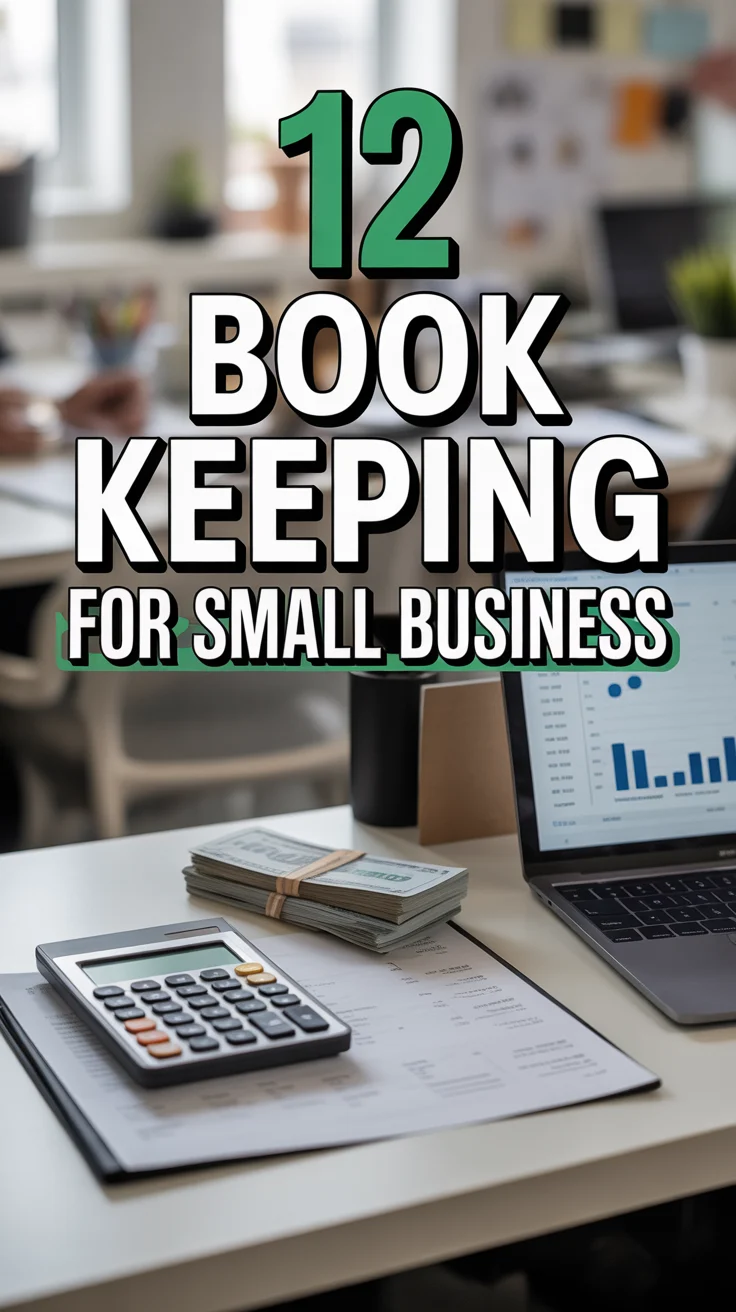
This separation is non-negotiable for tax purposes and clear financial tracking. Implement a simple bookkeeping system from day one, even if it’s just a spreadsheet. Knowing where your money goes is power.
Pro Tip: Automate savings for your estimated taxes. As a self-employed individual, you’ll be responsible for income and self-employment taxes. Set aside a percentage of every payment you receive into a separate savings account to avoid a tax-time shock.
Step 4: Budget Like a Boss & Fund Your Venture
Starting lean is a hallmark of smart home businesses. You don’t need a huge loan to begin; often, you can bootstrap your way to success. This means funding your business primarily from personal savings or early sales.
Create a detailed startup budget. List every potential expense, from website hosting to initial supplies. Then, look for ways to reduce those costs. Can you use free software alternatives? Can you repurpose existing equipment?
Understand the impact your business has on your personal budget. Ensure your personal finances are stable before relying solely on business income. This might mean keeping your day job initially.
Track every penny that comes in and goes out of your business. Use a simple app or spreadsheet. This vigilance helps you spot unnecessary expenses and identify profitable areas.
Step 5: Build Your Brand & Online Presence
Even a home-based business needs a professional face to the world. Your brand is more than just a logo; it’s the feeling customers get when they interact with you.
Develop a memorable business name and a simple, clean logo. Consistency across all platforms builds trust and recognition. You can find affordable design services online.
Establish your online presence. This could be a professional website, a strong social media presence on platforms relevant to your audience, or both. Focus on where your ideal customers spend their time.
Craft compelling messages that speak directly to your target audience’s needs. Use high-quality photos and clear, concise language. Your online presence is often your first impression.
Step 6: Launch & Get Your First Customers
The moment of truth! Launching doesn’t have to be a grand, expensive event. A soft launch can be incredibly effective for gathering initial feedback.
Offer irresistible value to your first customers. This might mean a special introductory price or an added bonus. Their positive experience can lead to valuable testimonials and referrals.
Leverage your personal network. Tell friends, family, and former colleagues about your new venture. Word-of-mouth remains one of the most powerful and cost-effective marketing tools.
Ask for feedback. Actively seek out what’s working and what could be improved. This shows you value your customers and helps refine your offerings.
Step 7: Master Your Money & Scale Smartly
Once your business is up and running, consistent financial monitoring and strategic growth are key. This is where you move from just making sales to truly building wealth.
Analyze your profit margins regularly. Are you pricing your products or services effectively? Are your costs eating too much into your revenue? Adjust as needed to maximize profitability.
Monitor your cash flow. Understand when money is coming in and when bills are due. Good cash flow management prevents financial stress and allows for strategic reinvestment.
Reinvest a portion of your profits back into the business for growth. This could be for new tools, marketing campaigns, or even outsourcing tasks. Don’t spend it all at once; be strategic.
Pro Tip: Review your finances monthly, not just at tax time. Schedule a regular “money date” with your business to check your budget, profit and loss, and cash flow. This proactive approach helps you spot trends and make timely decisions.
Common Mistakes to Avoid
Ignoring a Business Plan
Many enthusiastic entrepreneurs jump straight into execution without a clear roadmap. This often leads to wasted time, misdirected efforts, and financial missteps. Without a plan, you lack direction and benchmarks for success.
Instead, commit to at least a simple business plan. It forces you to think through your idea, market, and financial projections. This clarity is invaluable for making informed decisions and staying on track.
Mixing Personal & Business Finances
This is a classic rookie mistake that can cause immense headaches, especially at tax time. Using your personal bank account for business transactions makes tracking income and expenses nearly impossible. It blurs the lines and complicates tax deductions.
Always keep your business and personal finances strictly separate. Open a dedicated business bank account and use it exclusively for business transactions. This simplifies bookkeeping, protects your personal assets, and makes tax season much smoother.
Underpricing Your Services/Products
New business owners often fear they won’t attract customers if their prices are too high. This leads to underpricing, which undervalues your work, exhausts your time, and prevents sustainable growth. You end up working harder for less.
Calculate all your costs, including your time, materials, and overhead. Then, research what competitors charge and, most importantly, understand the value you provide. Price for profit and sustainability, not just to be the cheapest option.
Trying to Do Everything Yourself
It’s tempting to handle every aspect of your business to save money, especially at the start. However, this often leads to burnout, slower growth, and a lower quality output in areas where you lack expertise. You can’t be an expert at everything.
Identify tasks that drain your energy or are outside your core competencies. Consider outsourcing them when your budget allows. Even small investments in a virtual assistant or a specialized tool can free you up to focus on what you do best.
Troubleshooting
Slow Sales
It’s disheartening when sales aren’t coming in as quickly as you hoped. This can be a sign that your marketing message isn’t resonating or your offer isn’t reaching the right people. Don’t panic; this is a common hurdle.
Re-evaluate your marketing strategy and target audience. Are you promoting your business where your ideal customers spend their time? Seek feedback from potential customers about why they aren’t buying. Sometimes a small tweak to your offer or pricing can make a big difference.
Cash Flow Crunch
Even profitable businesses can experience cash flow issues if money isn’t coming in fast enough to cover expenses. This can cause stress and hinder your ability to operate smoothly. It’s a sign to tighten your financial reins.
Review your budget and identify areas where you can cut costs temporarily. Chase outstanding invoices promptly and consider offering incentives for early payment. Look for ways to generate quicker revenue, like a flash sale or a smaller product offering.
Feeling Overwhelmed
Starting a business from home can feel like a marathon, and it’s easy to get bogged down by the sheer number of tasks. Overwhelm can lead to procrastination and burnout, stalling your progress. You’re not alone in feeling this.
Break large tasks into smaller, manageable steps. Prioritize what needs to be done today versus what can wait. Set clear boundaries between work and personal life, even when working from home. Don’t hesitate to reach out to a mentor or fellow entrepreneur for support and perspective.
Key Takeaways
- Validate your business idea with market research before investing significant time or money.
- Create a simple business plan that acts as your financial roadmap and guiding strategy.
- Separate your personal and business finances from day one for clarity and easier tax management.
- Embrace bootstrapping and smart budgeting to start lean and minimize financial risk.
- Build a strong online presence and consistently market your business to your target audience.
- Regularly review your finances to understand profitability, manage cash flow, and make informed growth decisions.
Frequently Asked Questions
How much money do I need to start?
The beauty of a home-based business is that startup costs can be surprisingly low. Many can be started with just a few hundred dollars for a website domain, basic software, and initial marketing. Focus on bootstrapping and leveraging existing resources.
Do I need an LLC right away?
Not necessarily. Many home businesses begin as Sole Proprietorships, which are simple to set up and don’t require separate registration with the state. As your business grows and your revenue increases, or if you take on more risk, consider forming an LLC for personal liability protection.
How do I find customers?
Start by clearly defining your ideal customer and where they spend their time online and offline. Use social media marketing, local networking events, online communities, and content marketing (like blogging or video) to reach them. Don’t underestimate the power of referrals from happy clients.
What about taxes?
As a self-employed individual, you’ll be responsible for paying estimated income and self-employment taxes quarterly. Keep meticulous records of all income and expenses. It’s wise to consult with a tax professional early on to understand your obligations and set up a system for tax savings.
Our Top Recommended Finds
- Ergonomic Office Chair: Investing in a comfortable, supportive chair is crucial for your long-term health and productivity when spending many hours at your desk.
- Reliable Cloud Storage Service: Essential for securely backing up all your important business documents, client files, and creative assets, ensuring you never lose critical information.
- User-Friendly Budgeting Software/App: Tools like Mint, YNAB, or QuickBooks Self-Employed make tracking income, expenses, and profit margins incredibly simple, keeping your finances organized.
Your Home Office Awaits: Build Your Dream
You’ve just walked through the essential steps to launch your home-based business with a money-smart mindset. This journey is about more than just making money; it’s about building freedom, flexibility, and a life designed on your terms. Remember, every successful business started with a single, courageous step.
Don’t let perfection be the enemy of progress. Pick one actionable item from this guide and start today. Whether it’s validating your idea, setting up a separate bank account, or just outlining your first mini-business plan, take that leap. Your future self will thank you. For deeper dives, consider exploring topics like advanced digital marketing strategies or learning more about specific tax deductions for home businesses. The world of entrepreneurship is vast and rewarding!