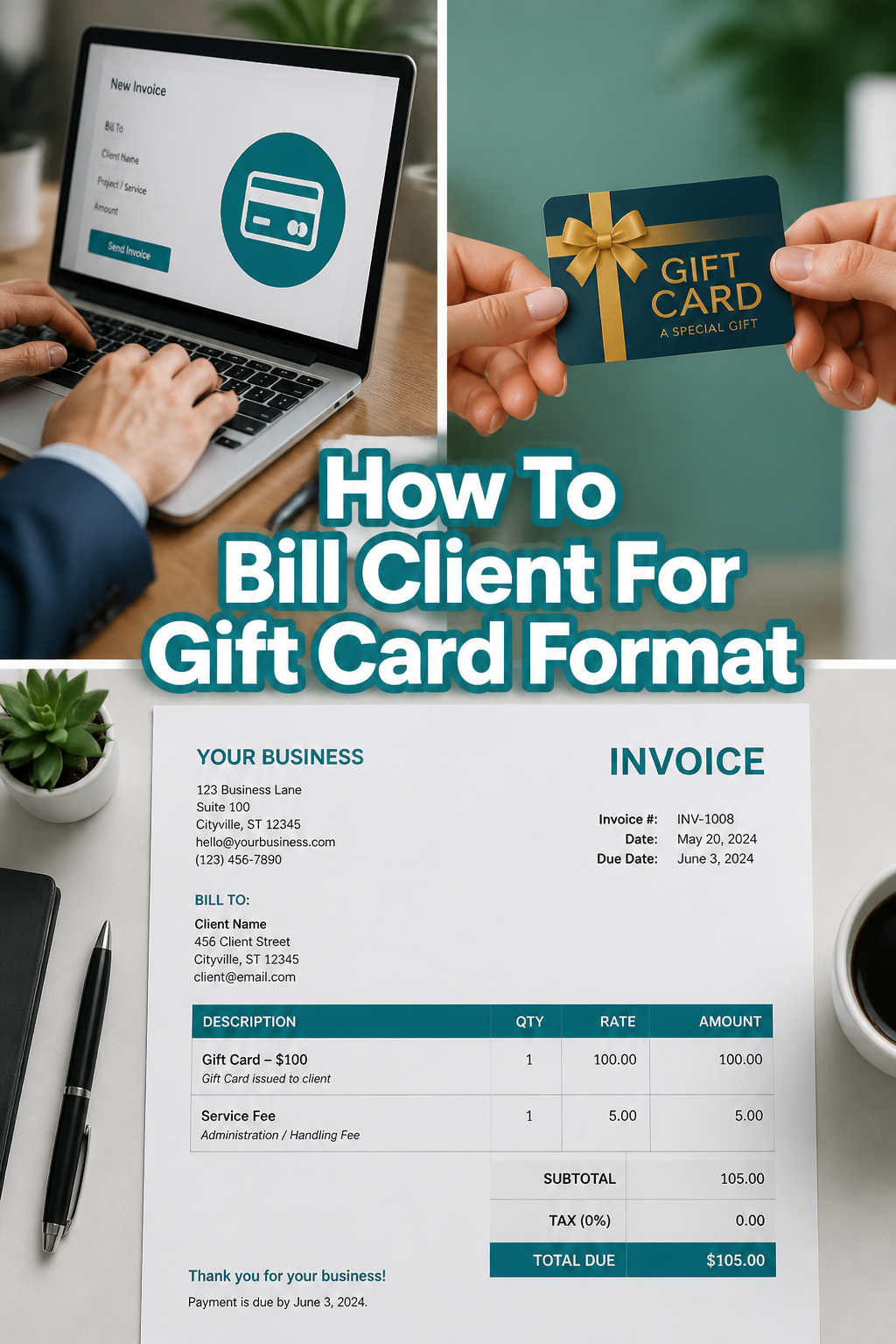
💳 How To Bill Client For Gift Card Format
📚 The Financial Literacy Library
The best investment you can ever make is in your own financial education. These 5 cornerstone books are what millionaires, financial advisors, and wealth-builders universally recommend for completely rewiring how you think about earning, saving, and investing money.
🧠 The Psychology of Money
Doing well with money isn't necessarily about what you know—it's about how you behave. Morgan Housel masterfully breaks down the emotional and psychological biases that secretly dictate our financial decisions, offering a true paradigm shift in how to view wealth.
🏠 Rich Dad Poor Dad
The #1 personal finance book of all time for a reason. This foundational read shatters the myth that you need to earn a high income to be rich, teaching you the critical difference between working for money and making your money work for you via assets.
📈 Atomic Habits
While not strictly a finance book, building wealth is absolutely dependent on the daily habits you cultivate. James Clear provides the definitive framework for breaking bad spending habits and effortlessly automating the good ones that lead to long-term success.
📊 The Simple Path to Wealth
The ultimate antidote to complex, intimidating financial advice. JL Collins provides an incredibly accessible, low-stress roadmap to financial independence through index fund investing, perfectly explaining why simplicity beats Wall Street complexity every time.
💳 I Will Teach You to Be Rich
A tactical, no-BS, 6-week program that actually works. Ramit Sethi teaches you how to crush debt, automate your savings, and negotiate your salary—all while guilt-free spending on the things you truly love. A must-read for modern money management.
Ever felt a little lost when a client wants to pay with or be billed for a gift card? It’s a common scenario in today’s diverse payment landscape. I’ve personally navigated this exact situation many times, turning potential confusion into smooth, professional transactions.
This guide will show you exactly how to handle gift card billing with confidence, keeping your finances clear and your clients happy. You’ll learn the practical steps to ensure proper accounting and a strong financial foundation for your business.
Quick Overview
This guide will empower you to confidently bill clients for gift cards, ensuring clear financial records and happy customers. You’ll master the practical steps from setup to follow-up, transforming a potentially tricky task into a seamless part of your business operations.
- Time needed: 30-45 minutes (initial setup), 5-10 minutes (per transaction)
- Difficulty: Beginner to Intermediate
- What you’ll need: Invoicing software, clear service agreement, client contact details, gift card details (value, purpose), a system for tracking income.
Step-by-Step Instructions
Step 1: Understand the “Why” Behind the Gift Card
Before you even think about an invoice, clarify the exact role of the gift card in this transaction. Is the client purchasing a gift card from you for someone else, or are they redeeming a gift card they already possess as payment for your services? This distinction is crucial for correct billing.
Knowing the “why” helps you categorize the transaction properly in your accounting system. This clarity is your first step towards impeccable financial records, preventing headaches down the line and ensuring your money management is always top-notch.
Pro Tip: Always ask directly: “Are you purchasing a gift card today, or would you like to use one as payment for a service?” This simple question can prevent significant confusion.
Step 2: Establish Your Gift Card Policy
A clear, written gift card policy is your financial bedrock. It should outline how gift cards can be purchased, redeemed, their expiry dates (if any), and whether they are refundable or transferable. This policy protects both you and your client.
Ensure this policy is easily accessible, perhaps on your website, in your service agreement, or at your point of sale. Transparency builds trust and minimizes disputes, which ultimately saves you time and protects your precious cash flow.
Step 3: Choose Your Billing Method (If Selling a Gift Card)
If your client is purchasing a gift card from you, treat this like any other product sale. You’ll need to generate an invoice for the gift card’s value. This invoice confirms the sale and helps you track income accurately.
Many businesses use their regular invoicing software for this, listing “Gift Card Purchase” as the item. This keeps your financial records consistent and makes reconciliation simple, contributing positively to your overall wealth-building strategy by maintaining clear revenue streams.
Step 4: Detail the Gift Card on the Invoice
When creating the invoice, specificity is key. Clearly state “Gift Card Purchase” or “Gift Card Redemption” as the item. Include the value of the gift card, and if applicable, the specific service or product it will cover.
For gift card purchases, you might also include the unique gift card number for tracking. This level of detail ensures both you and the client have a precise record of the transaction, which is fundamental for good money management.
Pro Tip: Consider adding a short note about your gift card policy directly on the invoice or linking to it. This reinforces transparency and avoids future misunderstandings.
Step 5: Account for Sales Tax (If Applicable)
This is a critical financial detail often overlooked. Generally, sales tax is applied when the gift card is redeemed for a taxable product or service, not when the gift card itself is purchased. Gift cards are typically seen as a form of payment, not a taxable item.
However, tax laws vary significantly by region and type of service. Consult with a local accountant to understand your specific obligations. Correctly handling sales tax protects you from legal issues and ensures your financial reporting is accurate, keeping your business fiscally sound.
Step 6: Send the Invoice and Collect Payment
Once the invoice is ready, send it to your client using your preferred method – typically email via your invoicing software. Ensure the payment terms are clear, including the due date and accepted payment methods. Prompt invoicing leads to prompt payment.
If the client is purchasing the gift card, collect payment for the gift card’s value as you would for any other service or product. If they are redeeming a gift card, process the gift card as payment against the service invoice. Efficient payment collection is vital for healthy cash flow.
Step 7: Record the Transaction Accurately
This step is paramount for your financial health. If you sold a gift card, record the income for the gift card sale. Simultaneously, create a liability entry in your books, as you now owe a service or product equivalent to the gift card’s value. This liability is removed when the card is redeemed.
If a gift card is being redeemed, record the payment against the service invoice using the gift card as the payment method. Then, reduce the gift card liability on your books. Accurate bookkeeping provides a clear picture of your finances, essential for budgeting and future growth.
Step 8: Follow Up and Reconcile
After the transaction, always follow up with a receipt or confirmation. This professional touch reinforces client trust. Regularly reconcile your gift card sales and redemptions against your financial records. This means checking your bank statements against your invoices and liability reports.
Reconciliation helps you catch discrepancies early, ensures all income is accounted for, and keeps your financial statements tidy. This diligent practice is a cornerstone of smart money management, helping you track your progress towards financial freedom.
Common Mistakes to Avoid
Ignoring Your Gift Card Policy
Many businesses have a gift card policy but fail to enforce it consistently or make it easily accessible. This leads to confusion, disputes, and potential financial losses. Clients might expect refunds on non-refundable cards or try to use expired ones, causing friction.
Always refer back to your established policy. Make sure it’s visible on your website, in your terms of service, and mentioned during the purchase process. Consistency protects your business and keeps your financial boundaries firm.
Incorrectly Handling Sales Tax
A common pitfall is either charging sales tax at the point of gift card purchase or failing to charge it upon redemption. This can lead to underpayment or overpayment of taxes, resulting in penalties or complicated adjustments later.
Always consult your local tax authority or an accountant regarding gift card sales tax. As a general rule, tax is applied when the service or product is received, not when the payment method (the gift card) is purchased. Proper tax handling is crucial for avoiding financial headaches.
Poor Tracking of Gift Card Liabilities
When you sell a gift card, you’re essentially taking on a liability – an obligation to provide a service or product in the future. Failing to track these liabilities accurately can lead to over-servicing clients or losing track of outstanding obligations, impacting your bottom line.
Implement a robust system for tracking gift card sales and redemptions. This could be integrated into your invoicing software or a dedicated spreadsheet. Regularly review and reconcile these liabilities to ensure your books reflect your true financial position.
Lack of Transparency with Clients
Not clearly communicating how gift cards work, including their value, any limitations, or expiry dates, can erode client trust. This often results in frustrated clients and negative reviews, which can harm your business reputation and future revenue.
Be upfront and clear about all aspects of your gift card program. Provide clear instructions for use, ensure the value is easily visible, and reiterate your policies. A transparent approach fosters good client relationships and supports a healthy financial ecosystem for your business.
Troubleshooting
Client Disputes Gift Card Charge
Sometimes a client might question a charge related to a gift card, perhaps forgetting a purchase or misunderstanding a redemption. This can feel stressful, but it’s often a simple misunderstanding.
First, calmly review your records. Check the invoice, transaction date, and any communication related to the gift card. Share this clear, documented evidence with the client. Most disputes resolve quickly with transparent information.
Gift Card Not Working Upon Redemption
A client tries to use a gift card, and it fails to process. This is frustrating for both parties and can delay service.
Check the gift card number against your internal tracking system. Verify its balance and expiry date. Sometimes, a simple typo in the card number or a system glitch is the culprit. If the issue persists, manually verify the card’s validity and process the payment, then troubleshoot the system later.
Invoice Confusion Regarding Gift Card Use
Clients might get confused when an invoice shows both a service charge and a gift card redemption, especially if there’s a remaining balance. They might not understand how the numbers add up.
Ensure your invoices clearly itemize the service, the gift card deduction, and any remaining balance due. Use clear labels like “Service Fee,” “Gift Card Applied,” and “Balance Due.” A simple breakdown helps clients understand their financial commitment and promotes clarity.
Key Takeaways
- Understand the Gift Card’s Role: Always clarify if a client is buying a gift card or using one for payment.
- Implement a Clear Policy: A written gift card policy protects your business and prevents misunderstandings.
- Detail Every Transaction: Clearly list gift card purchases or redemptions on invoices, including values and unique IDs.
- Master Sales Tax Rules: Know when and how to apply sales tax for gift cards to stay compliant and financially sound.
- Accurate Financial Tracking: Record gift card sales as liabilities and redemptions as payments to maintain precise books.
- Prioritize Transparency: Clear communication with clients about gift card usage fosters trust and avoids disputes.
Frequently Asked Questions
Can I charge an activation fee for gift cards?
While some larger retailers might, it’s generally not recommended for small businesses. Activation fees can deter customers and complicate billing. Focus on the value of the gift card itself. Keeping things simple often leads to better customer experiences and less financial friction.
What if a gift card expires before it’s used?
Your gift card policy should clearly state your stance on expired cards. Many jurisdictions have laws regarding gift card expiry, often prohibiting them or requiring long minimum periods. Consult local regulations. If allowed, an expired gift card typically becomes “breakage” income for your business.
How do I handle refunds for gift card purchases?
If your policy allows refunds for gift card purchases, treat it like any other product refund. Reverse the original income entry and the liability. If the gift card has been partially used, refund only the remaining balance. Clear policies prevent confusion and protect your financial integrity.
Should I offer digital or physical gift cards?
Both have merits! Digital gift cards are convenient, eco-friendly, and easy to track electronically. Physical cards offer a tangible gift experience. Many businesses offer both. Choose what best suits your brand and client preferences, ensuring your billing system can handle either format smoothly.
Our Top Recommended Finds
- Cloud-Based Invoicing Software: Tools like FreshBooks or QuickBooks Online streamline invoicing, track payments, and manage liabilities effortlessly. They are essential for clear financial oversight.
- Digital Wallet Integration: Services that integrate gift card sales directly into your POS or online store for easy purchasing and redemption, simplifying the client experience and your financial tracking.
- Small Business Accounting Course: Investing in a course on basic accounting or bookkeeping for small businesses can dramatically improve your financial literacy and confidence.
Building Your Financial Fortress, One Invoice at a Time
Mastering the nuances of billing for gift cards is more than just a procedural task. It’s a vital step in building a resilient, transparent, and financially savvy business. Every clear invoice, every accurately tracked liability, and every satisfied client contributes to your overall financial health and growth.
Don’t just process transactions; understand them. Embrace these practical steps, fine-tune your financial habits, and watch your money-smart practices transform your business. Start implementing these tips today, and lay down a solid foundation for lasting wealth and peace of mind.