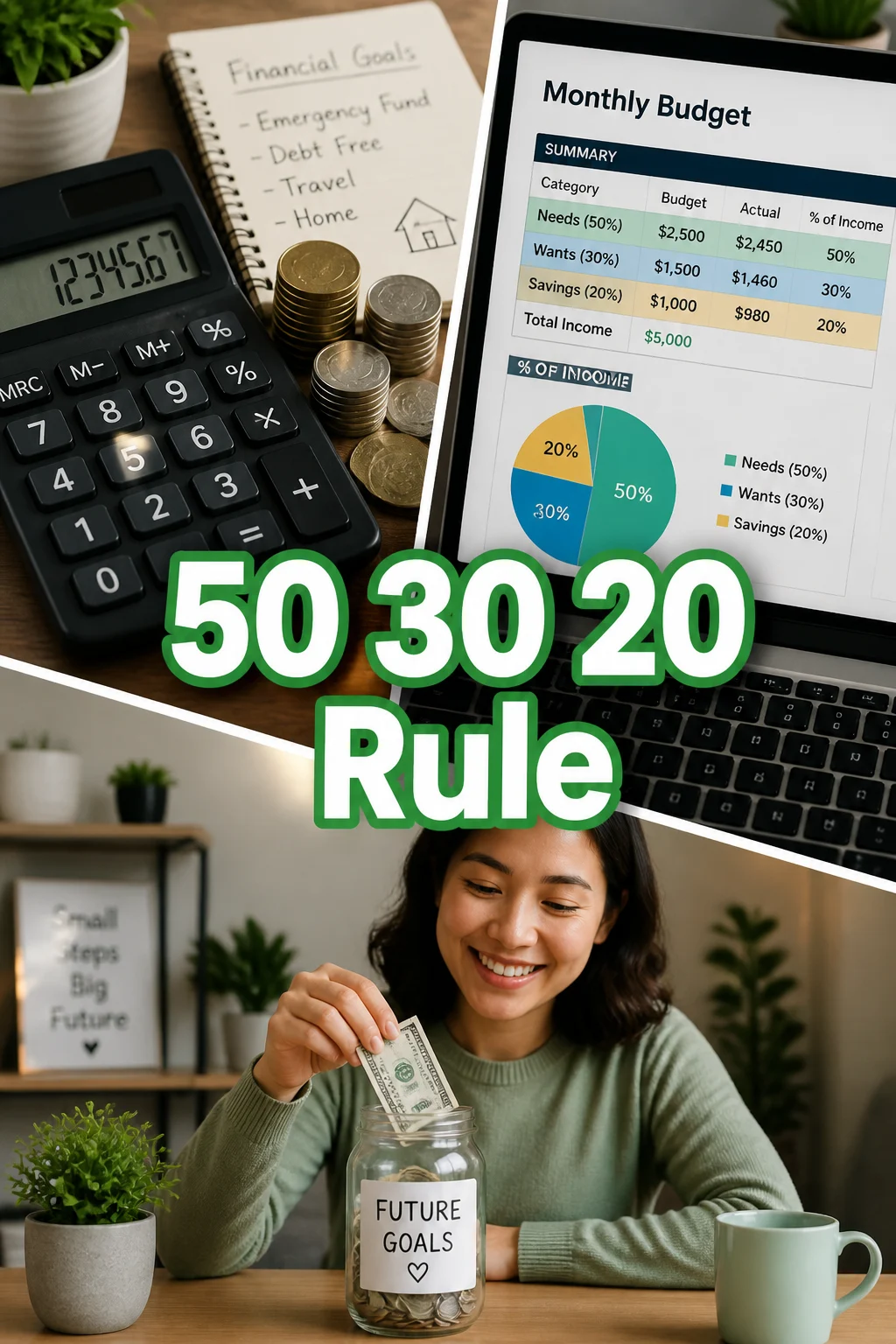
💰 50 30 20 Rule
📚 The Financial Literacy Library
The best investment you can ever make is in your own financial education. These 5 cornerstone books are what millionaires, financial advisors, and wealth-builders universally recommend for completely rewiring how you think about earning, saving, and investing money.
🧠 The Psychology of Money
Doing well with money isn't necessarily about what you know—it's about how you behave. Morgan Housel masterfully breaks down the emotional and psychological biases that secretly dictate our financial decisions, offering a true paradigm shift in how to view wealth.
🏠 Rich Dad Poor Dad
The #1 personal finance book of all time for a reason. This foundational read shatters the myth that you need to earn a high income to be rich, teaching you the critical difference between working for money and making your money work for you via assets.
📈 Atomic Habits
While not strictly a finance book, building wealth is absolutely dependent on the daily habits you cultivate. James Clear provides the definitive framework for breaking bad spending habits and effortlessly automating the good ones that lead to long-term success.
📊 The Simple Path to Wealth
The ultimate antidote to complex, intimidating financial advice. JL Collins provides an incredibly accessible, low-stress roadmap to financial independence through index fund investing, perfectly explaining why simplicity beats Wall Street complexity every time.
💳 I Will Teach You to Be Rich
A tactical, no-BS, 6-week program that actually works. Ramit Sethi teaches you how to crush debt, automate your savings, and negotiate your salary—all while guilt-free spending on the things you truly love. A must-read for modern money management.
Are you tired of feeling stressed about money? Do you dream of a clear path to financial freedom, but get overwhelmed by complex budgeting jargon? What if there was a simple, yet incredibly effective, framework that could transform your relationship with money and put you firmly in control of your financial future? Good news: there is! It’s called the 50 30 20 Rule, and it’s a favorite among financial experts and everyday people alike for its straightforward approach to managing your income, making saving effortless, and building wealth.
In a world full of competing financial advice, the 50 30 20 Rule stands out as a beacon of clarity. It provides a balanced and easy-to-understand blueprint for how to allocate your after-tax income across your most essential expenses, your lifestyle choices, and your crucial financial goals. This isn’t about deprivation or living on ramen noodles; it’s about conscious spending, smart saving, and creating a sustainable financial life that supports your dreams. Whether you’re just starting your financial journey, looking to get out of debt, or aiming to supercharge your savings, understanding and implementing this rule can be your game-changer. Let’s dive in and unlock the power of the 50 30 20 Rule together!
What is 50 30 20 Rule?
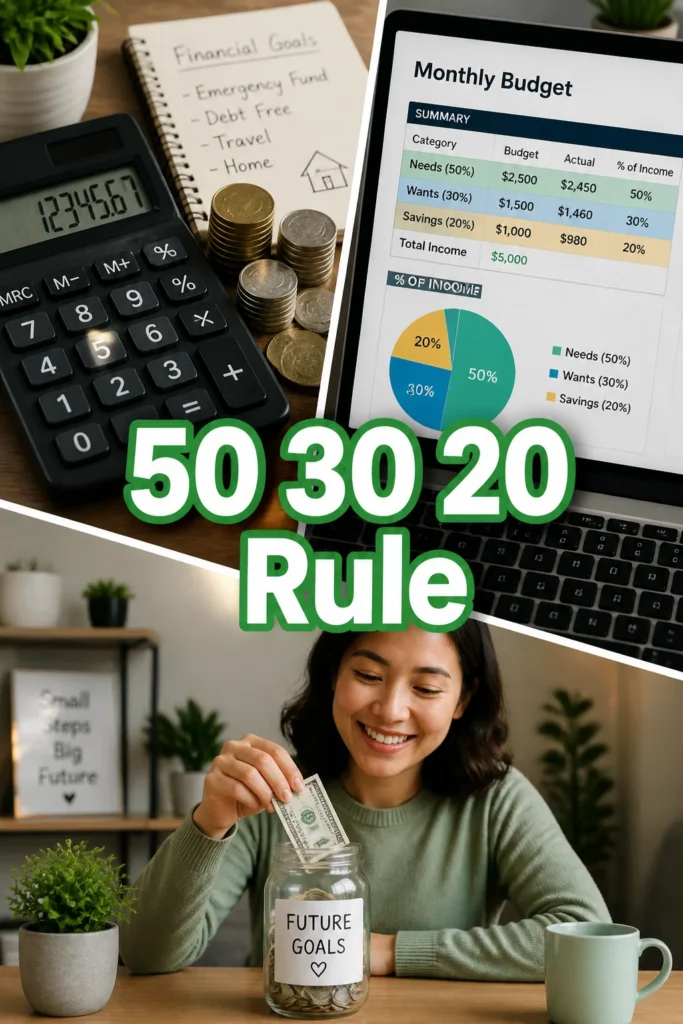
At its core, the 50 30 20 Rule is a simple budgeting guideline that suggests dividing your monthly after-tax income (your net pay) into three main categories: 50% for Needs, 30% for Wants, and 20% for Savings & Debt Repayment. It was popularized by Senator Elizabeth Warren and her daughter Amelia Warren Tyagi in their book, “All Your Worth: The Ultimate Lifetime Money Plan.” The beauty of this rule lies in its simplicity and flexibility, making it adaptable for almost anyone, regardless of income level or financial goals.
50% for Needs
This portion of your income covers all the non-negotiable expenses that are essential for living and working. If you couldn’t pay for these, your basic survival would be at risk. This category should be your top priority and includes things like:
- Housing: Rent or mortgage payments.
- Utilities: Electricity, gas, water, internet.
- Groceries: Food to sustain yourself and your family (not dining out).
- Transportation: Car payments, fuel, public transit fares, essential car maintenance.
- Insurance: Health, car, home, life insurance premiums.
- Minimum Debt Payments: The absolute minimum payments required on credit cards, student loans, or personal loans to avoid penalties.
The goal here is to keep these essential expenses under control, ideally not exceeding half of your take-home pay. If your needs are currently above 50%, it’s a clear signal to look for areas to cut back or consider ways to increase your income.
30% for Wants
This is where your lifestyle choices come into play. Wants are all the things that improve your quality of life but aren’t strictly necessary for your survival. These are the expenses you could cut back on if times got tough, but they bring joy and comfort to your life. Examples include:
- Entertainment: Streaming services, movies, concerts, hobbies.
- Dining Out: Restaurant meals, coffee shop visits.
- Travel & Vacations: Leisure trips and getaways.
- Shopping: New clothes, gadgets, non-essential home decor.
- Memberships: Gym memberships, subscription boxes (unless essential for work/health).
- Non-Essential Services: Haircuts and beauty treatments beyond basic grooming.
This 30% allows you to enjoy life without guilt, knowing you’re still meeting your needs and saving for the future. It’s also the most flexible category, offering the most room for adjustment if you need to free up more money for savings or debt repayment.
20% for Savings & Debt Repayment
This crucial portion of your income is dedicated to securing your financial future and improving your financial health. It’s about building a safety net and working towards your long-term goals. This category includes:
- Emergency Fund: Building a cash reserve for unexpected expenses (aim for 3-6 months of living expenses).
- Retirement Savings: Contributions to a 401(k), IRA, or other retirement accounts.
- Investment Accounts: Saving for future goals like a down payment on a house, a child’s education, or a big purchase.
- Extra Debt Payments: Paying more than the minimum on high-interest debts like credit cards or student loans to accelerate repayment.
The 20% category is where you actively build wealth and reduce financial stress. By consistently allocating this portion, you’re not just saving; you’re investing in your future self and gaining true financial peace of mind.
Key Features
The 50 30 20 Rule isn’t just another budgeting method; it’s a powerful financial philosophy with several standout features that make it incredibly effective:
- Simplicity and Ease of Use: Unlike complex spreadsheets or overly detailed budgeting apps, the 50 30 20 Rule is incredibly straightforward. Its three simple percentages are easy to remember and apply, making it less intimidating for beginners and more sustainable for long-term use. You don’t need an accounting degree to understand it!
- Promotes Financial Balance: This rule strikes a beautiful balance between living for today and planning for tomorrow. It acknowledges that while needs must be met, enjoying your life (wants) is also important, as is securing your future (savings and debt repayment). It prevents you from feeling overly restricted, which can lead to budgeting burnout.
- Encourages Conscious Spending: By categorizing your expenses, the 50 30 20 Rule forces you to think critically about where your money is going. It helps you differentiate between what you truly need and what you merely desire, empowering you to make more intentional spending decisions. This awareness is a cornerstone of financial intelligence.
- Builds Long-Term Wealth and Security: The dedicated 20% for savings and debt repayment is a non-negotiable component. This ensures that you’re consistently working towards financial goals like an emergency fund, retirement, or paying off high-interest debt, laying a solid foundation for lasting financial security and wealth accumulation.
- Reduces Financial Stress: When you have a clear plan for your money, much of the anxiety surrounding finances tends to dissipate. Knowing that you have a system in place for your expenses, savings, and debt repayment provides a profound sense of control and peace of mind, allowing you to focus on other aspects of your life.
- Adaptability and Flexibility: While the 50/30/20 split is a guideline, it’s not set in stone. The rule is flexible enough to be adjusted to your unique circumstances and life stages. For instance, if you’re aggressively paying off debt, you might temporarily shift more into the 20% category, perhaps by reducing your “wants.” It’s a framework, not a rigid prison.
How to Get Started
Ready to put the 50 30 20 Rule into action? It’s easier than you think! Follow these practical steps to kickstart your journey to financial clarity and control:
-
Calculate Your Net Income
This is your starting point. Your net income is the money you actually take home after taxes, insurance premiums, and other deductions are taken from your gross pay. It’s what hits your bank account. If you have multiple income sources, add them all up to get your total monthly net income.
Actionable Tip: Look at your pay stubs or bank statements for direct deposits. Don’t use your gross salary!
-
Track Your Spending
Before you can allocate, you need to understand where your money is currently going. Track every dollar you spend for at least a month. This can be an eye-opening exercise!
- Manual Method: Use a notebook, spreadsheet, or a simple budgeting app like Mint, YNAB, or your bank’s budgeting tools.
- Automated Method: Link your bank accounts and credit cards to a budgeting app that automatically categorizes transactions.
Actionable Tip: Be honest and diligent. The more accurate your tracking, the better your budget will be.
-
Categorize Your Expenses
Now, go through your tracked expenses and assign them to one of the three categories: Needs, Wants, or Savings & Debt Repayment. This is where you’ll differentiate between essentials and discretionary spending.
- Needs: Rent, utilities, groceries, transportation, insurance, minimum debt payments.
- Wants: Dining out, entertainment, subscriptions, new clothes, travel.
- Savings & Debt: Emergency fund contributions, retirement investments, extra debt payments.
Actionable Tip: When in doubt, ask yourself: “Could I live without this if I absolutely had to?” If the answer is yes, it’s likely a want.
-
Adjust and Allocate
Compare your current spending to the 50/30/20 percentages. Don’t be surprised if your current numbers don’t perfectly align – that’s normal! This step is about making adjustments to get closer to the ideal split.
- If Needs > 50%: Look for ways to reduce essential costs. Can you refinance your mortgage, cut down on grocery bills, or find cheaper transportation?
- If Wants > 30%: This is often the easiest place to make cuts. Can you reduce dining out, cancel unused subscriptions, or find free entertainment options?
- If Savings & Debt < 20%: Prioritize increasing this category. Even small increases make a big difference over time.
Actionable Tip: Start with small, manageable adjustments. Don’t try to overhaul everything overnight. Gradual changes are more sustainable.
-
Automate Your Savings and Debt Payments
Make saving and debt repayment effortless by setting up automatic transfers. As soon as your paycheck hits, have a portion automatically moved to your savings account, investment account, or directly to pay off debt.
Actionable Tip: Treat your savings like a bill you have to pay. “Pay yourself first” ensures your financial future is prioritized.
-
Review and Adjust Regularly
Life changes, and so should your budget. Review your spending and your adherence to the 50 30 20 Rule at least once a month. Are you sticking to your allocations? Have your income or expenses changed? Be prepared to adapt!
Actionable Tip: Use a dedicated “money date” once a month to review your finances. It can be a quick 30-minute check-in.
Tips for Success
Implementing the 50 30 20 Rule is a journey, not a destination. Here are some pro tips to help you stay on track, overcome challenges, and achieve lasting financial success:
- Be Honest with Yourself (Especially About Wants vs. Needs): This is perhaps the most critical tip. It’s easy to rationalize a “want” as a “need.” A daily fancy coffee might feel essential to your morning routine, but it’s fundamentally a want. Getting real about this distinction is powerful. The more honest you are, the more effective your budget will be.
- Start Small and Be Patient: Don’t expect to hit the perfect 50/30/20 split overnight. If your current spending is far off, aim for gradual improvements. Maybe you start with 60/25/15 and work your way to the ideal over a few months. Small, consistent steps build momentum and prevent burnout.
- Automate Everything Possible: “Set it and forget it” is your mantra for savings and debt repayment. Set up automatic transfers from your checking account to your savings, investment accounts, and even extra debt payments the day your paycheck comes in. This removes the temptation to spend that money and ensures you’re consistently building wealth.
- Find Joy in Frugality (Without Deprivation): Budgeting doesn’t mean never enjoying life. Get creative with your “wants” category. Instead of expensive dinners, host potlucks. Instead of buying new, try thrifting. Look for free local events. The goal is conscious spending, not complete deprivation. You might discover new hobbies and experiences that are kinder to your wallet.
- Prioritize High-Interest Debt within the 20%: If you have high-interest debt (like credit card balances), make paying it down a top priority within your 20% allocation. The interest you save can be significant, freeing up more money for future savings and investments. Think of paying off high-interest debt as a guaranteed return on your money.
- Celebrate Your Wins: Acknowledge your progress, no matter how small. Paid off a credit card? Hit your emergency fund goal? Successfully stuck to your “wants” budget for a month? Give yourself a high-five! Celebrating milestones keeps you motivated and reinforces positive financial habits.
Common Mistakes to Avoid
Even with a simple rule like 50 30 20, there are common pitfalls that can derail your progress. Being aware of these can help you sidestep them:
- Confusing Gross Income with Net Income: This is a big one! The 50 30 20 Rule applies to your net income – the money you actually take home after taxes and deductions. If you budget based on your gross income, you’ll quickly find yourself short on funds. Always use the amount that hits your bank account.
- Misclassifying Wants as Needs: As mentioned before, this is a common trap. Your daily Starbucks habit, premium streaming services, or the latest smartphone are generally wants, not needs. Be brutally honest with yourself. Overestimating your needs can make the 50% category unmanageable and leave less for your financial future.
- Ignoring the 20% for Savings & Debt: It’s easy to prioritize needs and wants, and then simply save whatever is left over. The 50 30 20 Rule is explicit: 20% is a dedicated allocation. If you consistently neglect this category, you won’t build an emergency fund, pay down debt effectively, or achieve long-term financial goals. Make it non-negotiable.
- Getting Discouraged by Initial Challenges: Your first month or two might be messy. You might overspend in one category or struggle to categorize everything perfectly. Don’t throw in the towel! Budgeting is a skill that improves with practice. Learn from your mistakes, adjust your approach, and keep going.
- Not Reviewing and Adjusting Your Budget: A budget isn’t a “set it and forget it” tool (except for automated savings). Life changes – you might get a raise, have an unexpected expense, or your priorities might shift. If you don’t regularly review and adjust your budget, it will quickly become outdated and ineffective.
- Being Too Rigid: While the percentages are a great guideline, remember it’s a framework. There will be months with unexpected expenses (a car repair, a last-minute flight). Don’t beat yourself up if you temporarily deviate. The goal is progress, not perfection. Adjust, get back on track the next month, and maintain your overall financial discipline.
FAQ
Q1: What if my needs are more than 50% of my income?
A: This is a common challenge, especially in high cost-of-living areas or for those with lower incomes. If your needs exceed 50%, you have two primary options: 1) Reduce your needs: Look for ways to cut back on essential expenses (e.g., finding a cheaper apartment, carpooling, reducing utility usage, negotiating insurance rates). 2) Increase your income: Consider a side hustle, asking for a raise, or finding a higher-paying job. You might also temporarily adjust the percentages, perhaps aiming for 60/20/20 or 55/25/20, while actively working to bring your needs down or income up.
Q2: Can I adjust the 50 30 20 percentages?
A: Absolutely! The 50 30 20 Rule is a guideline, not a strict law. It’s a fantastic starting point, but you can tailor it to your personal circumstances and goals. For example, if you’re aggressively paying off high-interest debt or saving for a down payment, you might aim for a 50/20/30 split (less on wants, more on savings/debt). If you’re in a very low cost-of-living area, you might even achieve 40/30/30. The key is to ensure you’re always prioritizing savings and debt repayment.
Q3: Where should I put my 20% for savings and debt?
A: The allocation of your 20% depends on your current financial situation and goals. A good order of priority often includes: 1) Emergency Fund: Build up 3-6 months of living expenses in an easily accessible, high-yield savings account. 2) High-Interest Debt: Aggressively pay off credit cards, personal loans, or other debts with high interest rates. 3) Retirement Accounts: Contribute to a 401(k) (especially if there’s an employer match), IRA, or Roth IRA. 4) Other Savings Goals: Save for a down payment, a child’s education, or other significant future expenses. You can split the 20% across multiple goals.
Q4: Is the 50 30 20 Rule suitable for everyone?
A: While incredibly versatile, it’s most effective for those with a relatively stable income. For individuals with highly variable income (e.g., freelancers, commission-based jobs), it might require more frequent adjustments or an average income calculation. For very low-income individuals, meeting the 50% needs might be a struggle, requiring a greater focus on increasing income. However, the underlying principles of categorizing spending and prioritizing savings are universally beneficial.
💼 The Money Management Toolkit
Knowledge is power, but proper execution requires the right tools. Getting your financial life organized doesn't have to be overwhelming. These 5 physical management tools are exactly what successful households use to budget, track cash, and secure their most important assets.
📝 Clever Fox Budget Planner & Bill Organizer
The ultimate analog command center for your finances. Sometimes keeping your budget in an app just doesn't stick. Physically writing down your goals, tracking expenses, and planning for debt payoff creates a level of accountability that digital spreadsheets simply can't match.
💵 A6 Leather Cash Stuffing Binder
The viral tool that made the cash-envelope budgeting system popular again. By allocating actual physical cash to designated envelopes (groceries, dining out, fun money), you physically cap your spending, making it virtually impossible to overdraft or overspend.
🔥 Fireproof & Waterproof Document Safe
A critical piece of financial security that many families overlook. Protecting your passports, birth certificates, property deeds, and estate planning documents from disaster is just as important as protecting the money in your bank account.
🏷️ Brother P-Touch Digital Label Maker
The unsung hero of a functional home office. When tax season rolls around or you need to find an important receipt, having perfectly labeled and categorized filing cabinets or accordion folders saves hours of frustrating searches and potential late fees.
🔒 SentrySafe Compact Fireproof Lock Box
For the physical assets that need extra heavy-duty protection—think emergency cash reserves, hard drives with Bitcoin cold wallets, or physical precious metals. This compact, locking safe provides peace of mind that your physical wealth is secure at home.
Conclusion
The 50 30 20 Rule isn’t just a budgeting method; it’s a powerful framework for building a healthier, more intentional relationship with your money. It strips away the complexity of personal finance and offers a clear, actionable path to financial freedom. By consciously allocating your income to Needs, Wants, and Savings & Debt Repayment, you gain control, reduce stress, and actively work towards your dreams.
Remember, this isn’t about perfection, but about progress. Start today by calculating your net income, tracking your spending, and making small, consistent adjustments. Automate your savings, be honest about your wants, and celebrate every milestone along the way. Your financial journey is unique, but with the 50 30 20 Rule as your guide, you have a powerful tool to navigate it successfully. So, what are you waiting for? Take the first step towards a smarter, more secure financial future – you’ve got this!