💰 1 Year Savings Challenge
📚 The Financial Literacy Library
The best investment you can ever make is in your own financial education. These 5 cornerstone books are what millionaires, financial advisors, and wealth-builders universally recommend for completely rewiring how you think about earning, saving, and investing money.
🧠 The Psychology of Money
Doing well with money isn't necessarily about what you know—it's about how you behave. Morgan Housel masterfully breaks down the emotional and psychological biases that secretly dictate our financial decisions, offering a true paradigm shift in how to view wealth.
🏠 Rich Dad Poor Dad
The #1 personal finance book of all time for a reason. This foundational read shatters the myth that you need to earn a high income to be rich, teaching you the critical difference between working for money and making your money work for you via assets.
📈 Atomic Habits
While not strictly a finance book, building wealth is absolutely dependent on the daily habits you cultivate. James Clear provides the definitive framework for breaking bad spending habits and effortlessly automating the good ones that lead to long-term success.
📊 The Simple Path to Wealth
The ultimate antidote to complex, intimidating financial advice. JL Collins provides an incredibly accessible, low-stress roadmap to financial independence through index fund investing, perfectly explaining why simplicity beats Wall Street complexity every time.
💳 I Will Teach You to Be Rich
A tactical, no-BS, 6-week program that actually works. Ramit Sethi teaches you how to crush debt, automate your savings, and negotiate your salary—all while guilt-free spending on the things you truly love. A must-read for modern money management.
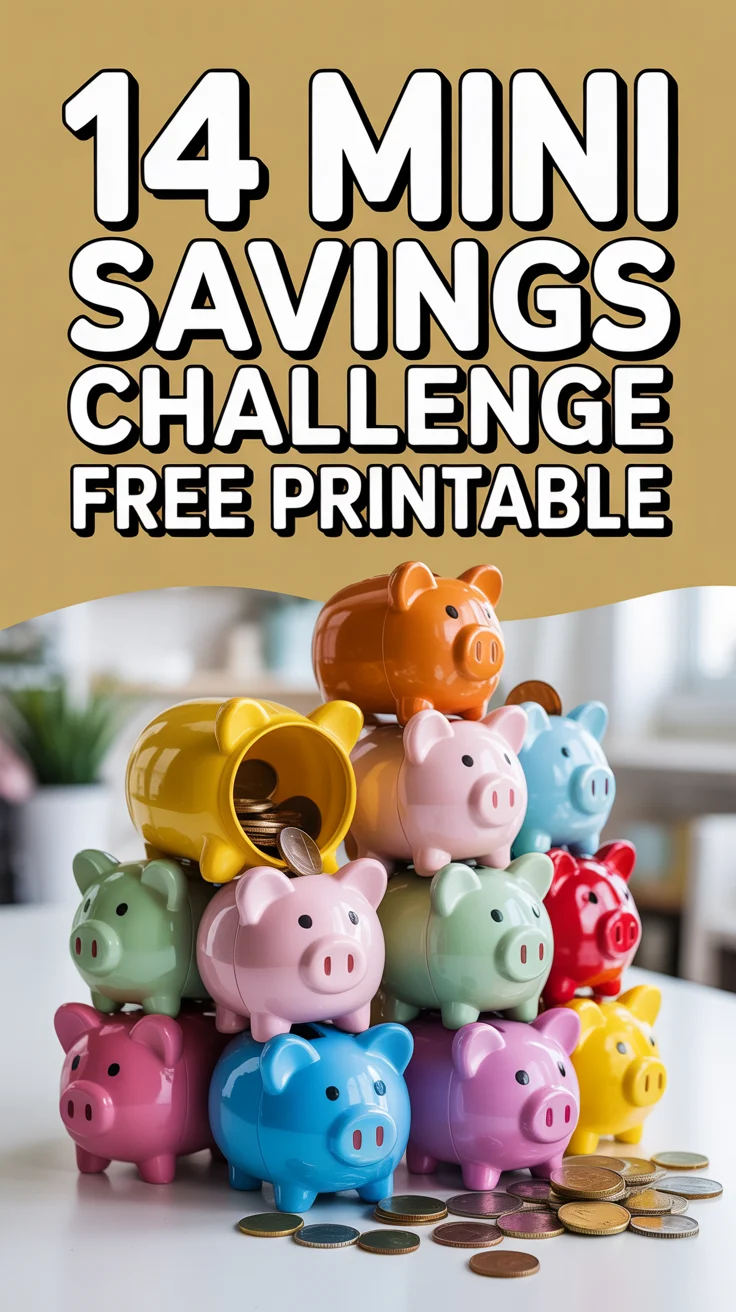
Alright, let’s get real. Adulting is expensive, and sometimes our wallets feel like they’re on a permanent diet of ramen noodles and regret. But what if I told you that you could actually, like, save some serious cash in just one year without completely giving up your avocado toast addiction? It’s totally doable, and honestly, a little fun. We’re diving into the ultimate 12-month money glow-up, so buckle up, buttercup. Your future self will thank you.

1. The No-Spend Sprint
This one is exactly what it sounds like. Pick a week, or if you’re feeling extra spicy, a whole month, and only spend money on absolute necessities like rent and groceries. You’ll be amazed at how much you usually drop on impulse buys.
Seriously, challenge yourself to avoid all non-essential purchases. That means no spontaneous iced lattes, no “just browsing” online, and definitely no new cute things you don’t actually need. Pro tip: Plan your meals and activities in advance to avoid last-minute, expensive decisions. You’ll quickly identify your spending triggers and save a significant chunk of change.
2. DIY Coffee & Lunch
Your daily coffee habit? It’s a silent assassin of your savings goals. Those fancy lattes add up faster than you can say “soy milk, extra foam.”
Start brewing your own coffee at home and packing your lunch for work. It might feel like a tiny sacrifice, but think of the cumulative effect. Pro tip: Invest in a cute reusable mug and lunchbox; it makes the whole process feel less like a chore and more like a chic, eco-friendly statement. You’re basically a financially savvy trendsetter.
3. Round-Up Your Pennies
This is for the “set it and forget it” crowd. Link your debit card to an app that automatically rounds up your purchases to the nearest dollar and sweeps the difference into a savings account.
You won’t even notice those extra cents disappearing, but your savings account certainly will. It’s like magic, but for your money. Pro tip: Many banks offer this feature directly, so check with yours first. Effortless saving is the best kind of saving.
4. Subscription Service Purge
How many streaming services do you actually use? Or that fitness app you downloaded once and then promptly forgot about? It’s time for a brutal audit.
Go through your bank statements and identify every single recurring subscription. Cancel the ones you don’t actively use or love. Pro tip: Rotate services; binge a show on one, then cancel and switch to another. Your wallet will breathe a sigh of relief, and you’ll still get your entertainment fix.
5. The Grocery Game Plan
Winging it at the grocery store is a recipe for overspending. Impulse buys and forgotten ingredients lead to wasted food and money.
Before you even step foot in the store, plan your meals for the week and make a detailed shopping list. Stick to it like glue! Pro tip: Never shop hungry. Seriously, that’s when the snack aisle whispers sweet, expensive nothings into your ear. A little planning saves a lot of dough.
6. Side Hustle Savings
Got a skill? A little extra time? Turn it into cash! Whether it’s freelancing, pet-sitting, or selling crafts online, a side hustle can supercharge your savings.
Every single penny you earn from this extra gig goes straight into your savings account. No excuses, no diversions. Pro tip: Pick something you genuinely enjoy, or at least don’t completely despise. It makes the extra effort feel less like work and more like a passion project that pays.
7. “Found Money” Fund
Did you get a tax refund? A bonus at work? A birthday check from Grandma? Don’t let that money just disappear into your everyday spending.
Designate all “found money” directly to your savings goal. It’s money you weren’t expecting, so you won’t miss it. Pro tip: Create a separate savings account specifically for these windfalls. It makes tracking your progress even more satisfying.
8. The Envelope System Reboot
Go old school with your cash. This method involves allocating specific amounts of cash for different spending categories (groceries, entertainment, dining out) into physical envelopes.
Once an envelope is empty, that’s it for the month in that category. No swiping, no excuses. Pro tip: This system is fantastic for visual spenders who need a tangible reminder of their budget. It forces you to be mindful of every dollar.
9. Automate Your Awesome
The easiest way to save? Take the decision-making out of it. Set up an automatic transfer from your checking to your savings account every payday.
Even a small amount consistently adds up. Treat your savings like a non-negotiable bill. Pro tip: Start with an amount that feels comfortable, then slowly increase it as your budget allows. Your future self is high-fiving you right now.
10. Sell Your Unused Stuff
Your clutter is someone else’s treasure, and more importantly, it’s your potential cash! Dive into your closets, garage, and storage units.
List anything you haven’t used in a year (or two, let’s be realistic) on online marketplaces. Pro tip: Be honest about the condition and take good photos. A little effort can turn forgotten items into a nice savings boost. Decluttering and saving? Win-win.
11. DIY Entertainment & Experiences
Instead of always splurging on expensive outings, get creative with your fun. Host a potluck, have a game night, explore local free parks, or try a movie marathon at home.
Experiences don’t always need to break the bank. You can still have a blast without spending a fortune. Pro tip: Challenge your friends to find free or low-cost activities together. Shared experiences are often more memorable than expensive ones anyway.
💼 The Money Management Toolkit
Knowledge is power, but proper execution requires the right tools. Getting your financial life organized doesn't have to be overwhelming. These 5 physical management tools are exactly what successful households use to budget, track cash, and secure their most important assets.
📝 Clever Fox Budget Planner & Bill Organizer
The ultimate analog command center for your finances. Sometimes keeping your budget in an app just doesn't stick. Physically writing down your goals, tracking expenses, and planning for debt payoff creates a level of accountability that digital spreadsheets simply can't match.
💵 A6 Leather Cash Stuffing Binder
The viral tool that made the cash-envelope budgeting system popular again. By allocating actual physical cash to designated envelopes (groceries, dining out, fun money), you physically cap your spending, making it virtually impossible to overdraft or overspend.
🔥 Fireproof & Waterproof Document Safe
A critical piece of financial security that many families overlook. Protecting your passports, birth certificates, property deeds, and estate planning documents from disaster is just as important as protecting the money in your bank account.
🏷️ Brother P-Touch Digital Label Maker
The unsung hero of a functional home office. When tax season rolls around or you need to find an important receipt, having perfectly labeled and categorized filing cabinets or accordion folders saves hours of frustrating searches and potential late fees.
🔒 SentrySafe Compact Fireproof Lock Box
For the physical assets that need extra heavy-duty protection—think emergency cash reserves, hard drives with Bitcoin cold wallets, or physical precious metals. This compact, locking safe provides peace of mind that your physical wealth is secure at home.
Conclusion
See? Saving money for a whole year doesn’t have to be a joyless, deprivation-filled slog. With a little creativity, consistency, and maybe a dash of cheeky determination, you can totally crush your financial goals. Your wallet will be thicker, your stress levels lower, and you’ll feel like a total money-saving rockstar. Go forth and conquer, you magnificent budgeter!