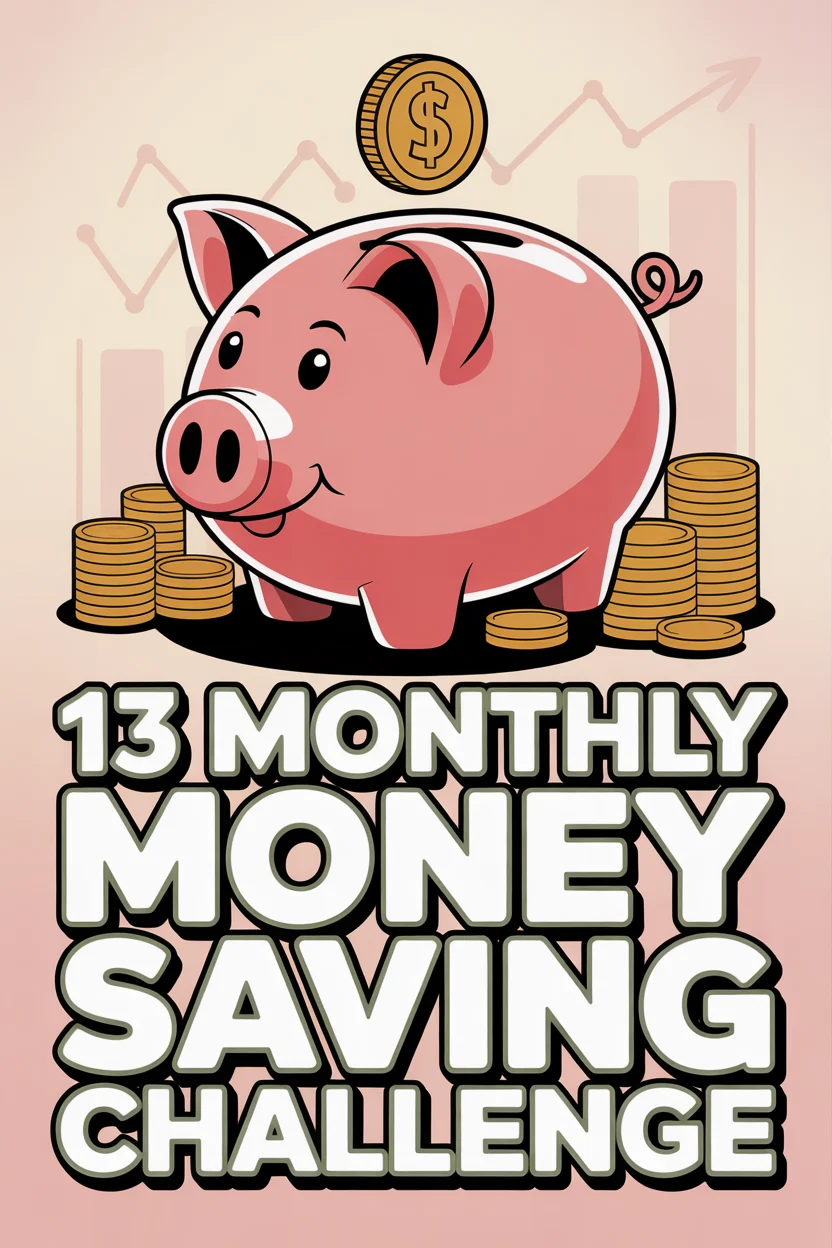
💰 13 Monthly Money Saving Challenge
📚 The Financial Literacy Library
The best investment you can ever make is in your own financial education. These 5 cornerstone books are what millionaires, financial advisors, and wealth-builders universally recommend for completely rewiring how you think about earning, saving, and investing money.
🧠 The Psychology of Money
Doing well with money isn't necessarily about what you know—it's about how you behave. Morgan Housel masterfully breaks down the emotional and psychological biases that secretly dictate our financial decisions, offering a true paradigm shift in how to view wealth.
🏠 Rich Dad Poor Dad
The #1 personal finance book of all time for a reason. This foundational read shatters the myth that you need to earn a high income to be rich, teaching you the critical difference between working for money and making your money work for you via assets.
📈 Atomic Habits
While not strictly a finance book, building wealth is absolutely dependent on the daily habits you cultivate. James Clear provides the definitive framework for breaking bad spending habits and effortlessly automating the good ones that lead to long-term success.
📊 The Simple Path to Wealth
The ultimate antidote to complex, intimidating financial advice. JL Collins provides an incredibly accessible, low-stress roadmap to financial independence through index fund investing, perfectly explaining why simplicity beats Wall Street complexity every time.
💳 I Will Teach You to Be Rich
A tactical, no-BS, 6-week program that actually works. Ramit Sethi teaches you how to crush debt, automate your savings, and negotiate your salary—all while guilt-free spending on the things you truly love. A must-read for modern money management.
Alright, bestie, let’s talk about that wallet of yours. We all love a good splurge, but let’s be real, adulting means sometimes your bank account gives you the side-eye. Fear not, fabulous friend, because I’ve cooked up the ultimate Monthly Money Saving Challenge. This isn’t about eating ramen for a month (unless you’re into that, no judgment here), it’s about making smart moves that actually stick. Get ready to level up your financial game without feeling like you’re missing out.
1. The No-Spend Weekend Warrior
This one’s a classic for a reason. Pick one weekend a month and commit to spending absolutely zero dollars. Seriously, nada. You’ll be amazed at how creative you get with home entertainment.
Dive into those board games you own, tackle that book pile, or finally try that elaborate recipe from your saved TikToks. Pro tip: Plan your meals and activities in advance to avoid last-minute temptations. This challenge forces you to appreciate what you already have and shows you how much those little weekend expenses add up.
2. The Coffee Shop Cutback
Your daily latte is probably costing you more than you think. This month, challenge yourself to reduce your coffee shop visits by half, or even swap them entirely for home-brewed goodness.
Invest in a decent travel mug and some quality beans; your taste buds (and your wallet) will thank you. Think of all the extra cash you’ll have for something truly exciting, like… more coffee beans. It proves that small, consistent changes make a huge financial impact.
3. The Subscription Slasher
Time to play detective with your direct debits. Go through your bank statements and identify every single subscription you’re paying for. You’ll likely find a few you completely forgot about.
Cancel anything you don’t actively use or love. That streaming service you haven’t touched in months? Gone. The fitness app you downloaded once? Poof. Pro tip: Set a reminder to review your subscriptions every quarter. This challenge immediately frees up recurring funds you didn’t even realize you were missing.
4. The Meal Prep Master
Impulse food buys are budget killers. Dedicate an hour or two each week to planning and prepping your meals. This means fewer expensive takeout orders and less food waste.
Batch cook your lunches and dinners, portion them out, and store them in the fridge. You’ll save money, eat healthier, and reclaim precious time during the week. It works because it removes the convenience factor that drives up food costs.
5. The “Only Cash” Day
Try spending only cash for one day a week or even one full week. This simple trick makes you far more conscious of your spending because you physically see the money leaving your hand.
Withdraw a set amount for your day’s necessities and stick to it. Once the cash is gone, it’s gone. Pro tip: Leave your credit and debit cards at home to avoid temptation. This method creates a tangible connection to your money that digital payments often lack.
6. The Wardrobe Audit & Sell
We all have clothes we never wear. Instead of buying new, challenge yourself to “shop your closet” and identify items you can sell. Decluttering is good for the soul and your bank account.
List those gently used items on online marketplaces or consignment apps. You’ll make some extra cash and create space for things you actually love. It’s a win-win, turning unused assets into actual money.
7. The 30-Day Rule
When you feel the urge to buy something non-essential, implement the 30-day rule. Write down the item and the date, then wait 30 days. If you still want it, and can afford it, go for it.
More often than not, the urge will pass, and you’ll realize you didn’t really need it after all. This pause prevents impulsive purchases and encourages mindful spending.
8. The Energy Efficiency Fix
Saving money isn’t just about what you buy; it’s also about what you use. Challenge yourself to reduce your energy consumption. Think shorter showers, turning off lights, and unplugging unused electronics.
Small changes around the house can lead to noticeable savings on your utility bills. Pro tip: Check your thermostat settings; even a slight adjustment can make a difference. This challenge highlights how everyday habits impact your long-term expenses.
9. The DIY Diva/Dude
Before you buy something new or pay for a service, ask yourself if you can DIY it. Think small home repairs, making gifts, or even doing your own manicures.
YouTube tutorials are your best friend here. You might surprise yourself with your hidden talents. It’s empowering to learn new skills and keeps more money in your pocket.
10. The Library Lover
Instead of buying books, movies, or even magazines, hit up your local library. It’s a treasure trove of free entertainment and knowledge.
You can borrow almost anything these days, from audiobooks to streaming passes. It’s a fantastic way to save money while still indulging your interests. This challenge reminds you that valuable resources are often free and underutilized.
11. The “Found Money” Challenge
Commit to saving every single coin or small bill you find. That means loose change in your couch, a dollar bill on the street, or even the accidental overpayment you get back.
Designate a jar for this “found money” and watch it grow. It’s a fun, low-pressure way to build a small savings stash. This challenge turns finding money into a mini-game, making saving feel less like a chore.
12. The Price Match Pro
Before making any significant purchase, challenge yourself to find the best deal. This means comparing prices online, checking different retailers, and looking for coupons or discount codes.
Many stores also offer price matching, so don’t be afraid to ask. A little research can save you a lot of dough. It ensures you’re always getting the most bang for your buck.
13. The “One Less” Rule
For one month, challenge yourself to buy one less of something you regularly purchase. One less coffee, one less snack, one less impulse item at the grocery store.
This small reduction, applied consistently, adds up over time without feeling like a huge sacrifice. It subtly shifts your consumption habits towards more mindful choices.
💼 The Money Management Toolkit
Knowledge is power, but proper execution requires the right tools. Getting your financial life organized doesn't have to be overwhelming. These 5 physical management tools are exactly what successful households use to budget, track cash, and secure their most important assets.
📝 Clever Fox Budget Planner & Bill Organizer
The ultimate analog command center for your finances. Sometimes keeping your budget in an app just doesn't stick. Physically writing down your goals, tracking expenses, and planning for debt payoff creates a level of accountability that digital spreadsheets simply can't match.
💵 A6 Leather Cash Stuffing Binder
The viral tool that made the cash-envelope budgeting system popular again. By allocating actual physical cash to designated envelopes (groceries, dining out, fun money), you physically cap your spending, making it virtually impossible to overdraft or overspend.
🔥 Fireproof & Waterproof Document Safe
A critical piece of financial security that many families overlook. Protecting your passports, birth certificates, property deeds, and estate planning documents from disaster is just as important as protecting the money in your bank account.
🏷️ Brother P-Touch Digital Label Maker
The unsung hero of a functional home office. When tax season rolls around or you need to find an important receipt, having perfectly labeled and categorized filing cabinets or accordion folders saves hours of frustrating searches and potential late fees.
🔒 SentrySafe Compact Fireproof Lock Box
For the physical assets that need extra heavy-duty protection—think emergency cash reserves, hard drives with Bitcoin cold wallets, or physical precious metals. This compact, locking safe provides peace of mind that your physical wealth is secure at home.
Conclusion
There you have it, 13 ways to give your bank account a much-needed hug. Remember, this isn’t about deprivation; it’s about empowerment and smarter choices. Pick a few that resonate, make them a game, and watch your savings grow. Your future self (and your future splurges) will absolutely thank you. Go forth and conquer, money maven!