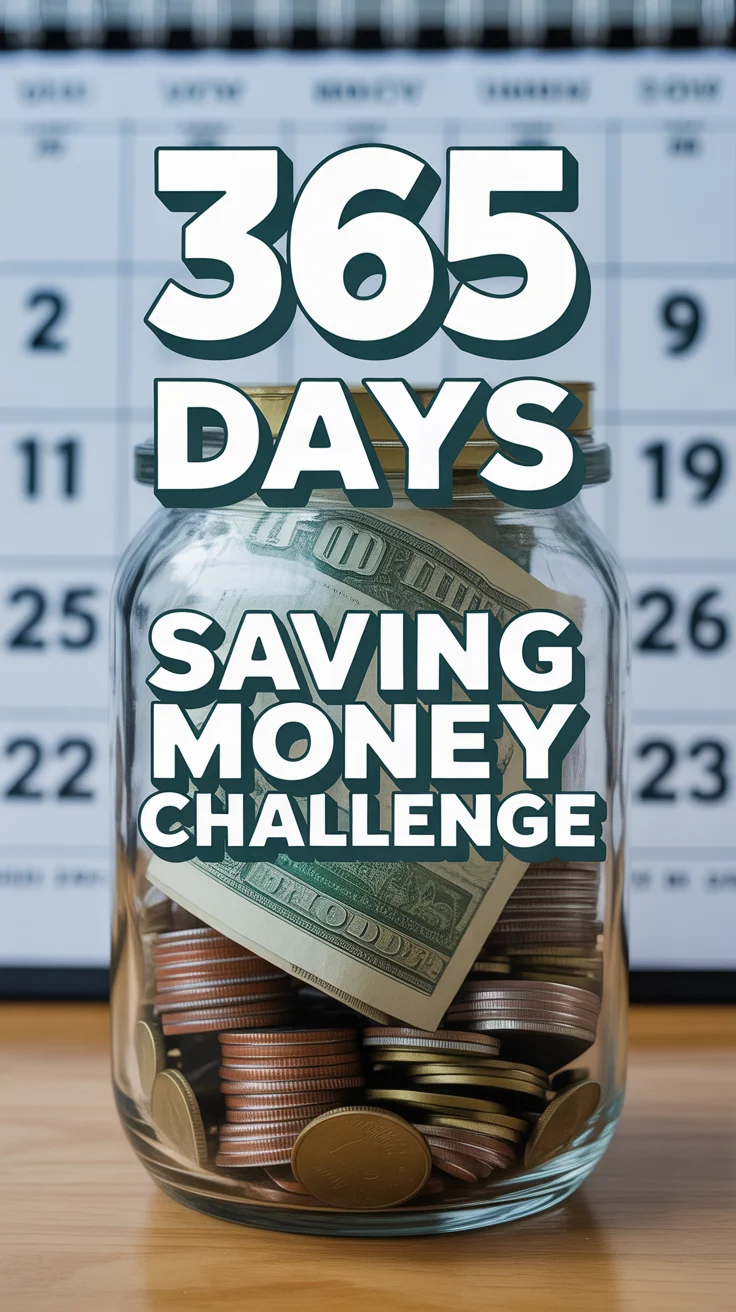
💲 365 Days Saving Money Challenge
📚 The Financial Literacy Library
The best investment you can ever make is in your own financial education. These 5 cornerstone books are what millionaires, financial advisors, and wealth-builders universally recommend for completely rewiring how you think about earning, saving, and investing money.
🧠 The Psychology of Money
Doing well with money isn't necessarily about what you know—it's about how you behave. Morgan Housel masterfully breaks down the emotional and psychological biases that secretly dictate our financial decisions, offering a true paradigm shift in how to view wealth.
🏠 Rich Dad Poor Dad
The #1 personal finance book of all time for a reason. This foundational read shatters the myth that you need to earn a high income to be rich, teaching you the critical difference between working for money and making your money work for you via assets.
📈 Atomic Habits
While not strictly a finance book, building wealth is absolutely dependent on the daily habits you cultivate. James Clear provides the definitive framework for breaking bad spending habits and effortlessly automating the good ones that lead to long-term success.
📊 The Simple Path to Wealth
The ultimate antidote to complex, intimidating financial advice. JL Collins provides an incredibly accessible, low-stress roadmap to financial independence through index fund investing, perfectly explaining why simplicity beats Wall Street complexity every time.
💳 I Will Teach You to Be Rich
A tactical, no-BS, 6-week program that actually works. Ramit Sethi teaches you how to crush debt, automate your savings, and negotiate your salary—all while guilt-free spending on the things you truly love. A must-read for modern money management.
Imagine a year from now, looking back at your financial journey with a sense of accomplishment, a healthier savings account, and a newfound confidence in your money management skills. Sounds good, right? That’s precisely the promise of the 365 Days Saving Money Challenge – a powerful, yet surprisingly simple, method to transform your financial habits and build a substantial savings cushion over the course of a year. It’s not about drastic cuts or deprivation; it’s about consistent, achievable steps that add up to big results. Whether you’re a seasoned saver looking for a boost or someone who’s always struggled to keep money in the bank, this challenge offers a flexible, engaging, and genuinely effective pathway to financial fitness. Get ready to turn your saving goals into a daily adventure!
What is 365 Days Saving Money Challenge?
At its core, the 365 Days Saving Money Challenge is a structured plan designed to help you save money consistently over the entire year. While there are several popular variations, the most direct interpretation involves saving a specific amount of money each day, or week, corresponding to a particular number in the challenge. The beauty of this method lies in its gradual nature; it starts small, making it feel incredibly manageable, and slowly builds momentum, transforming saving from a chore into a rewarding habit.
One common daily version of the challenge involves a grid or list of numbers from 1 to 365. Each day, you pick one of those numbers, save that amount in dollars (or cents, depending on your income), and cross it off the list. For example, on Day 1, you might save $1. On Day 15, you might save $15. On Day 300, you save $300. If you were to complete this challenge by saving each number exactly once, the total saved would be the sum of 1 to 365, which is an impressive $66,795!
However, for most people, saving $365 on a single day might be a stretch. This is where the challenge’s inherent flexibility truly shines. Instead of strictly following the numerical order and dollar amounts, participants often adapt it to their financial reality. Here are a few popular adaptations:
- The “Cents” Challenge: Instead of saving dollars, save cents. So, on Day 1, you save $0.01; on Day 365, you save $3.65. This scales the total down to a much more manageable $667.95, perfect for beginners or those with tighter budgets.
- The Weekly Challenge: A very popular variation that often goes by the “365-day” name (because it takes a year) is the 52-week challenge. Here, you save $1 in Week 1, $2 in Week 2, and so on, up to $52 in Week 52. The total saved at the end of the year is a respectable $1,378. This is often preferred because weekly savings are easier to manage for many people.
- The Reverse Challenge: If you find it easier to save larger amounts when you’re feeling motivated at the beginning, or if you anticipate tighter finances towards the end of the year (like around holidays), you can do the challenge in reverse. Start with saving $365 (or $52 for the weekly version) and gradually decrease the amount each day/week.
- The Random Challenge: For those who like spontaneity, you can simply pick any uncrossed number from your list (1-365) each day and save that amount. This allows you to save larger amounts on days you have extra cash and smaller amounts when money is tight. The total still adds up to the same grand sum if you manage to tick off all numbers, but it offers daily flexibility.
No matter which version you choose, the core idea remains the same: consistent, incremental saving that builds a powerful habit and a significant sum over 365 days. It gamifies saving, making it an enjoyable and achievable goal.
Key Features
The 365 Days Saving Money Challenge isn’t just another savings plan; it’s a dynamic tool with several compelling features that make it incredibly effective:
- Habit Formation: The daily or weekly nature of the challenge ingrains the habit of saving. By consistently setting aside money, even small amounts, you train your brain to prioritize savings, making it an automatic part of your financial routine rather than an afterthought.
- Flexibility and Adaptability: As discussed, this challenge is highly customizable. Whether you opt for the daily dollar, daily cents, weekly, reverse, or random approach, you can tailor it to fit your income, budget, and lifestyle. This adaptability is crucial for long-term adherence.
- Achievable for All Income Levels: Because you can scale the amounts (e.g., from dollars to cents), this challenge truly is for everyone. It demonstrates that you don’t need a huge income to start saving; every little bit adds up.
- Gamification and Motivation: Turning saving into a game makes it fun and engaging. Crossing off numbers, seeing your progress, and knowing you’re working towards a clear goal provides a powerful psychological boost, keeping motivation high throughout the year.
- Tangible Progress Tracking: Using a printable tracker, an app, or even a simple jar, you can visually see your savings grow. This tangible evidence of progress is incredibly encouraging and helps you stay committed.
- Mindset Shift: Beyond the money saved, the challenge fosters a “money-smart” mindset. It encourages you to be more mindful of your spending, seek opportunities to save, and develop a positive relationship with your finances.
How to Get Started
Ready to embark on your 365-day saving journey? Here’s a simple, actionable guide to help you kick things off:
- Define Your “Why”: Before you save a single penny, identify your motivation. What are you saving for? An emergency fund, a down payment, a dream vacation, debt repayment, or just a general financial cushion? Having a clear goal will keep you motivated when the going gets tough. Write it down and keep it visible!
- Choose Your Challenge Variation: Based on your income, budget, and comfort level, select the version that best suits you.
- Daily Dollar (1-365): High ambition, potentially $66,795. Requires significant income and discipline.
- Daily Cents (0.01-3.65): Beginner-friendly, $667.95 total. Builds habit without major financial strain.
- Weekly (1-52): Popular, $1,378 total. Easier to manage for many.
- Reverse: Good if you anticipate financial challenges later in the year.
- Random: Offers daily flexibility, great for variable income.
Don’t be afraid to start small and scale up later if you find it too easy.
- Set Up Your Saving Mechanism:
- Dedicated Savings Account: This is often the best option. Open a separate, interest-bearing savings account (preferably one that’s harder to access for impulse withdrawals). Label it clearly as your “365 Day Challenge Fund.”
- Physical Jar/Envelope System: If you prefer dealing with cash, a designated jar or a series of labeled envelopes can work. Just ensure it’s a secure place and that you don’t dip into it prematurely.
- Saving Apps: Many financial apps can help automate small transfers or round up purchases, making the challenge even easier.
- Get Your Tracker Ready: Visual tracking is key to motivation.
- Printable Template: Search online for “365 day saving challenge printable” and choose one you like. It will typically have 365 boxes to cross off.
- Spreadsheet: Create a simple spreadsheet to track your daily/weekly savings and cumulative total.
- App: Some budgeting apps have built-in challenge trackers or you can use a simple note-taking app.
Hang your tracker somewhere you’ll see it every day – on the fridge, near your computer, or in your wallet.
- Automate If Possible: For consistent challenges (like the weekly or daily cents), consider setting up automatic transfers from your checking to your challenge savings account. Even a small recurring transfer can make a huge difference.
- Start Today: Don’t wait for the “perfect” moment. The best time to start saving is always now. Pick your first amount, save it, and mark it off. Congratulations, you’ve begun!
Tips for Success
To ensure you not only start but also successfully complete your 365 Days Saving Money Challenge, consider these money-smart tips:
- Make It Visible and Accessible: Keep your tracker in plain sight. If you’re saving cash, make sure your jar is easily accessible for deposits but not for withdrawals. The more visible your progress, the more motivated you’ll be.
- Automate Your Savings (When Applicable): For the weekly challenge or if you’re saving a consistent amount daily (e.g., $1 every day), set up an automatic transfer. Even if you’re doing the random daily challenge, consider setting up a weekly transfer of a small base amount to ensure consistent progress.
- Find Extra Cash Through Micro-Actions: Look for small ways to free up money. Sell unused items online, pack your lunch instead of buying, skip that daily coffee, or review recurring subscriptions you no longer use. Every little bit you save from these micro-actions can go directly into your challenge fund.
- Reward Yourself (Non-Monetary): Celebrate milestones! When you hit the 1-month, 3-month, or halfway mark, give yourself a non-monetary reward. This could be a relaxing bath, an evening with a good book, a hike, or a movie night. Acknowledging your progress keeps you engaged.
- Be Flexible and Forgiving: Life happens. There will be days or weeks when saving the designated amount is genuinely difficult. Don’t give up! Simply adjust. Skip a day and make it up later, save a smaller amount, or do a “reverse” day where you save a very small number from your list. The goal is consistency and habit, not perfection.
Common Mistakes to Avoid
While the 365 Days Saving Money Challenge is designed to be accessible, there are common pitfalls that can derail your progress. Being aware of these can help you steer clear:
- Setting Unrealistic Goals: This is the biggest mistake. If you pick the daily $1-$365 challenge with a tight budget, you’re setting yourself up for failure. Be honest about your financial capacity and choose a variation that’s challenging but achievable. It’s better to complete a smaller challenge than abandon an overly ambitious one.
- Forgetting to Track: The visual aspect of tracking is a huge motivator. If you don’t consistently mark off your savings, you lose that sense of accomplishment and can easily fall off track. Make tracking a non-negotiable part of your daily or weekly routine.
- Dipping Into Savings Prematurely: Your challenge fund should be for your defined “why” or for emergencies. Treat it as sacred. If you constantly pull money out, you undermine the purpose and the habit you’re trying to build. Make it hard to access if you’re prone to impulse spending.
- Ignoring Your Overall Budget: The challenge is a great tool, but it shouldn’t exist in a vacuum. Ensure your daily/weekly savings fit within your overall budget. If you’re cutting essential expenses to meet your challenge goal, it’s not sustainable. Review your budget regularly to find sustainable saving opportunities.
- Getting Discouraged by Missed Days/Weeks: Don’t let a missed day or week become an excuse to quit entirely. Everyone slips up. Acknowledge it, learn from it, and get right back on track. The power of this challenge is in its cumulative effect over the long term, not in perfect adherence every single day.
- Lack of a Clear “Why”: Without a compelling reason to save, motivation can wane. Revisit your goal regularly and remind yourself why you started.
FAQ
Here are answers to some common questions about the 365 Days Saving Money Challenge:
Q1: What if I miss a day or week? Should I just give up?
Absolutely not! Missing a day or week is a common occurrence. The key is to not let it derail your entire challenge. You have a few options:
- Catch Up: If you have extra funds, save double the amount on a subsequent day/week.
- Adjust: If catching up isn’t feasible, simply skip that day/week’s amount and continue from where you left off. You might end up with slightly less than the target, but you’ll still build a great saving habit.
- Utilize Randomness: If doing the random challenge, just pick a smaller number on a day you’re short.
The goal is progress, not perfection. Stay flexible and keep going!
Q2: How much can I realistically expect to save?
This depends entirely on the variation you choose and your financial situation.
- Daily Cents Challenge: Around $667.95
- Weekly ($1-$52) Challenge: $1,378
- Daily Dollar ($1-$365) Challenge: $66,795 (highly ambitious)
Many people start with the cents or weekly challenge and find it very achievable, resulting in hundreds to over a thousand dollars saved. The most important thing is to choose an amount that stretches you slightly but doesn’t break your budget.
Q3: Is this challenge only for beginners, or can experienced savers benefit too?
While it’s fantastic for beginners to kickstart their saving journey and build consistent habits, experienced savers can also benefit immensely. It can be used to fund a specific short-term goal, add an extra boost to an existing savings fund, or simply to re-energize their saving routine with a fun, gamified approach. It’s a great way to stay disciplined and motivated, regardless of your current financial standing.
Q4: Should I use a separate bank account or keep the money in cash?
Both methods have their pros and cons:
- Separate Bank Account (Recommended):
- Pros: Earns interest, secure from theft/loss, less tempting to spend, easy to automate transfers.
- Cons: Might require a few extra steps to set up, not as visually tangible if you don’t check it often.
- Cash in a Jar/Envelopes:
- Pros: Highly visual, very tangible (you can literally see the money grow), can be fun.
- Cons: No interest earned, susceptible to theft/loss, easier to “borrow” from for impulse buys, potential for losing track of exact amounts.
For most people, a dedicated, separate savings account offers the best balance of security, growth, and convenience. If you use cash, be extra disciplined about not touching it and consider depositing larger sums into your bank account periodically.
💼 The Money Management Toolkit
Knowledge is power, but proper execution requires the right tools. Getting your financial life organized doesn't have to be overwhelming. These 5 physical management tools are exactly what successful households use to budget, track cash, and secure their most important assets.
📝 Clever Fox Budget Planner & Bill Organizer
The ultimate analog command center for your finances. Sometimes keeping your budget in an app just doesn't stick. Physically writing down your goals, tracking expenses, and planning for debt payoff creates a level of accountability that digital spreadsheets simply can't match.
💵 A6 Leather Cash Stuffing Binder
The viral tool that made the cash-envelope budgeting system popular again. By allocating actual physical cash to designated envelopes (groceries, dining out, fun money), you physically cap your spending, making it virtually impossible to overdraft or overspend.
🔥 Fireproof & Waterproof Document Safe
A critical piece of financial security that many families overlook. Protecting your passports, birth certificates, property deeds, and estate planning documents from disaster is just as important as protecting the money in your bank account.
🏷️ Brother P-Touch Digital Label Maker
The unsung hero of a functional home office. When tax season rolls around or you need to find an important receipt, having perfectly labeled and categorized filing cabinets or accordion folders saves hours of frustrating searches and potential late fees.
🔒 SentrySafe Compact Fireproof Lock Box
For the physical assets that need extra heavy-duty protection—think emergency cash reserves, hard drives with Bitcoin cold wallets, or physical precious metals. This compact, locking safe provides peace of mind that your physical wealth is secure at home.
Conclusion
The 365 Days Saving Money Challenge is more than just a savings plan; it’s a journey towards financial empowerment. It demystifies saving, breaking it down into manageable, daily or weekly actions that build momentum and confidence. By embracing its flexibility, adapting it to your unique financial situation, and staying consistent, you’ll not only accumulate a significant sum of money but also cultivate invaluable money-smart habits that will serve you for a lifetime.
Imagine the pride of looking at your completed tracker and a healthier bank balance a year from now. This challenge isn’t about perfection; it’s about progress, perseverance, and proving to yourself that you have the power to take control of your financial future. So, what are you waiting for? Choose your challenge, grab your tracker, and take that first small step today. Your future self will thank you for it!