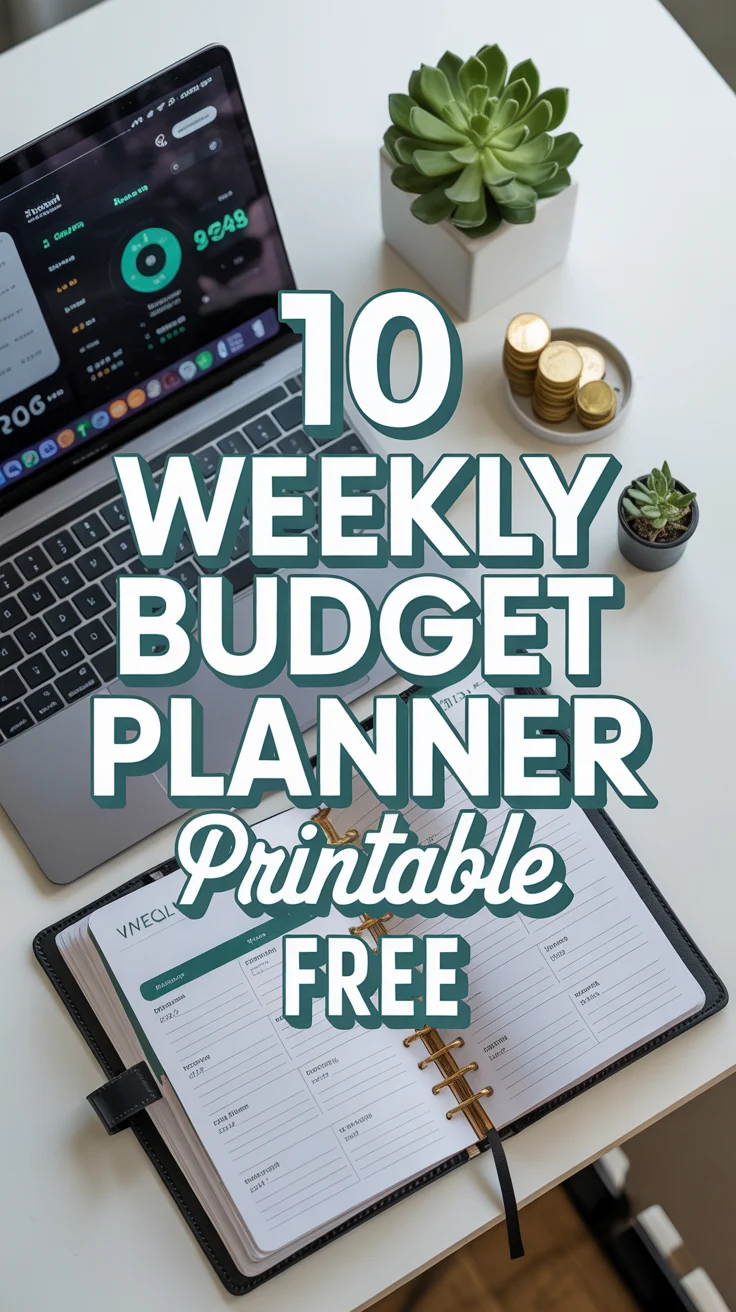
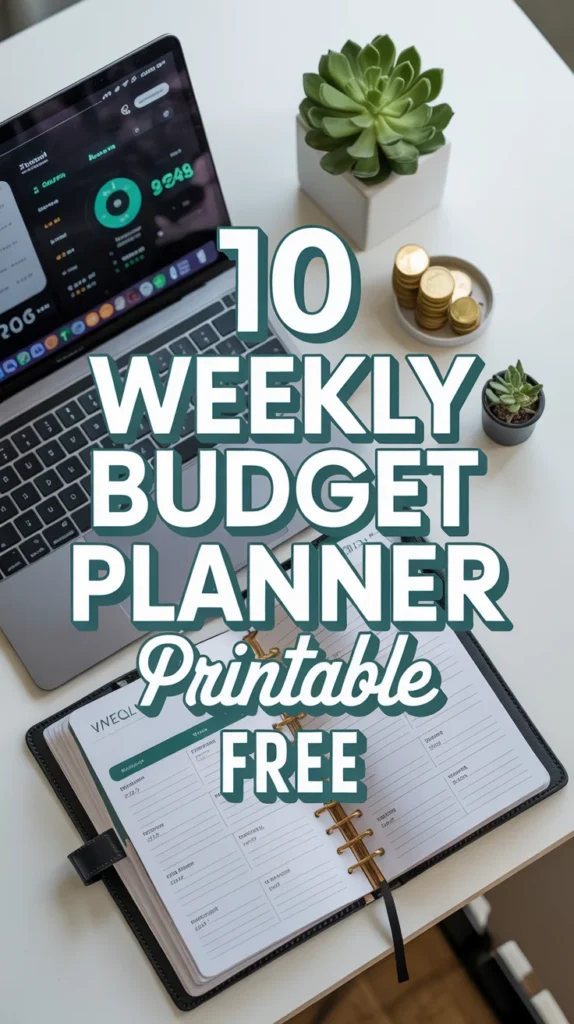
💰 10 Weekly Budget Planner Printable Free
📚 The Financial Literacy Library
The best investment you can ever make is in your own financial education. These 5 cornerstone books are what millionaires, financial advisors, and wealth-builders universally recommend for completely rewiring how you think about earning, saving, and investing money.
🧠 The Psychology of Money
Doing well with money isn't necessarily about what you know—it's about how you behave. Morgan Housel masterfully breaks down the emotional and psychological biases that secretly dictate our financial decisions, offering a true paradigm shift in how to view wealth.
🏠 Rich Dad Poor Dad
The #1 personal finance book of all time for a reason. This foundational read shatters the myth that you need to earn a high income to be rich, teaching you the critical difference between working for money and making your money work for you via assets.
📈 Atomic Habits
While not strictly a finance book, building wealth is absolutely dependent on the daily habits you cultivate. James Clear provides the definitive framework for breaking bad spending habits and effortlessly automating the good ones that lead to long-term success.
📊 The Simple Path to Wealth
The ultimate antidote to complex, intimidating financial advice. JL Collins provides an incredibly accessible, low-stress roadmap to financial independence through index fund investing, perfectly explaining why simplicity beats Wall Street complexity every time.
💳 I Will Teach You to Be Rich
A tactical, no-BS, 6-week program that actually works. Ramit Sethi teaches you how to crush debt, automate your savings, and negotiate your salary—all while guilt-free spending on the things you truly love. A must-read for modern money management.
Okay, real talk. Adulting is basically just figuring out how to keep your plants alive, remember to call your mom, and somehow not go broke by Tuesday. We get it. Budgeting sounds like a chore your grandma would love, but guess what? It doesn’t have to be a snooze-fest. In fact, with the right tools (hello, free printable budget planner), you can actually make your money work for you, instead of wondering where it all vanished. Ditch the spreadsheets that look like alien hieroglyphs and say hello to financial clarity, all with a little paper and a pen. Ready to get savvy?
1. The Income Tracker
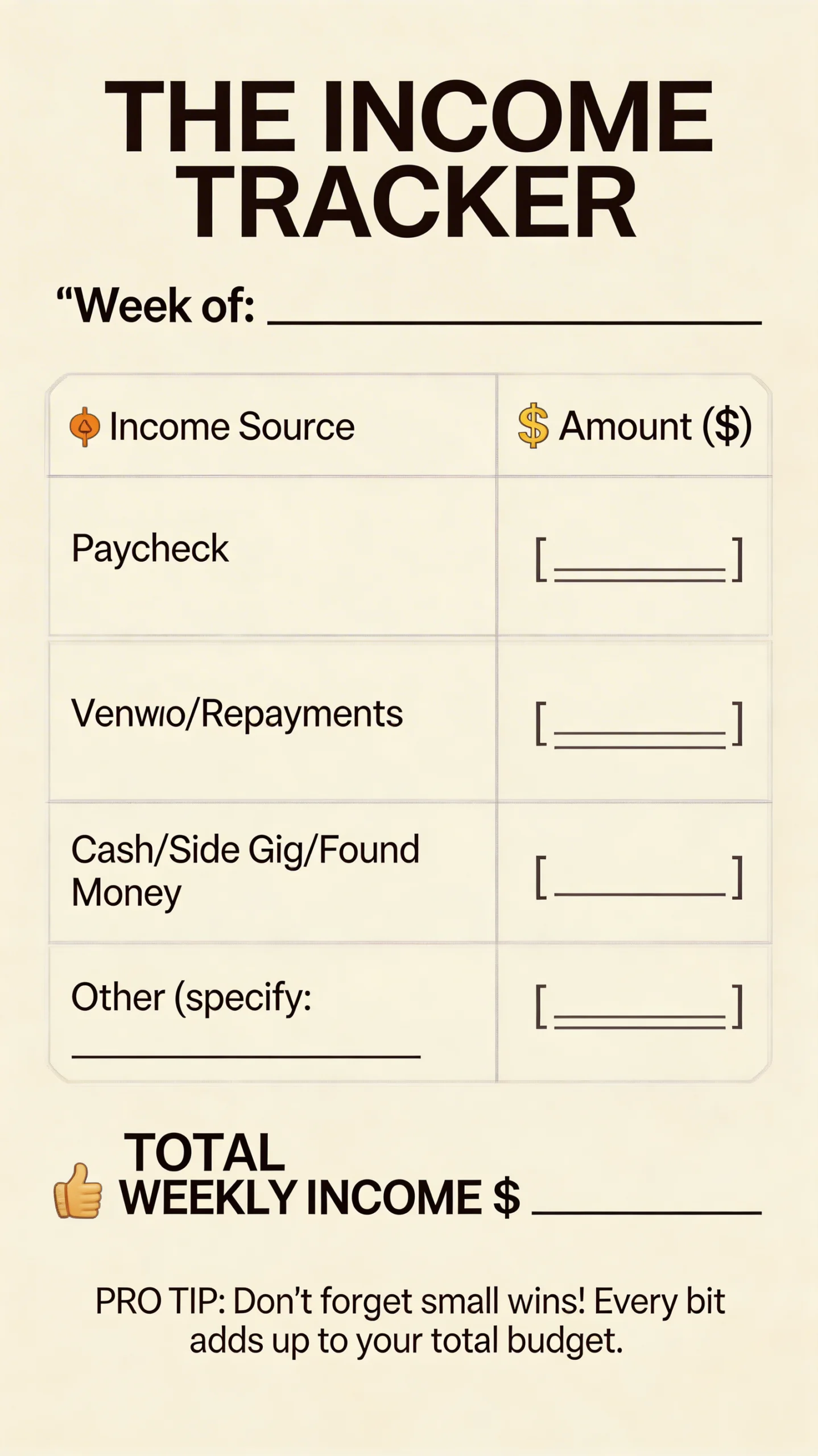
First things first, you gotta know your starting line. This section is where you jot down every single dollar making its way into your bank account for the week. Think paychecks, those unexpected Venmo repayments, or even that lucky twenty you found in an old coat.
Knowing your total income is like checking the gas tank before a road trip. You wouldn’t just drive off, right? Pro tip: Don’t forget those small wins – every bit adds up to your total budget. This gives you a crystal-clear picture of your financial foundation.
2. Fixed Expenses Rundown
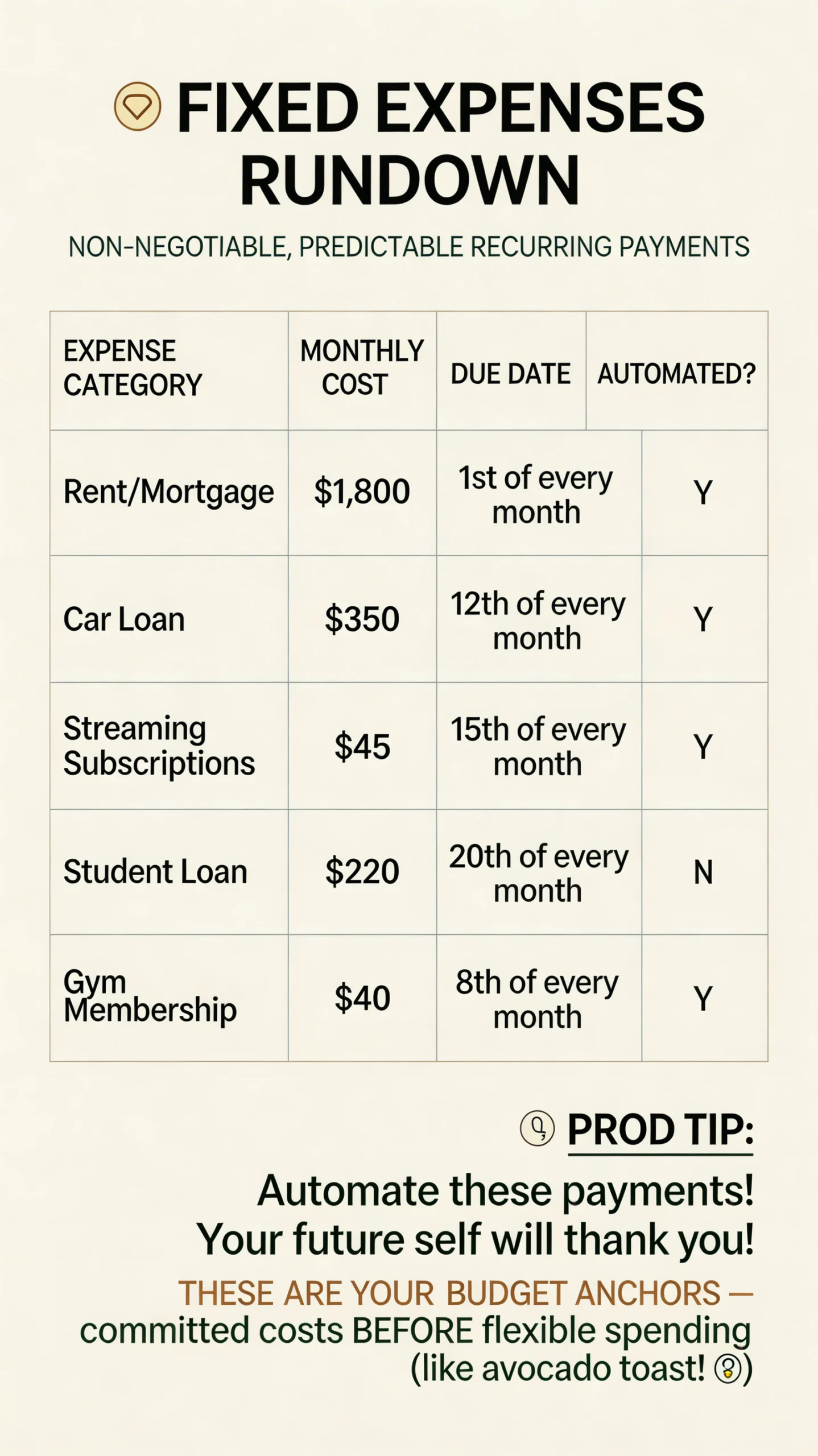
These are the non-negotiables, the expenses that show up like clockwork, regardless of how many avocado toasts you skipped. We’re talking rent, subscriptions, loan payments, and anything else with a predictable due date.
Get these out of the way on paper first. They’re like the anchor of your budget. Pro tip: If you can automate these payments, do it. Your future self will send you a thank-you card. This category helps you see what’s already committed before you even think about that new gadget.
3. Variable Spending Categories
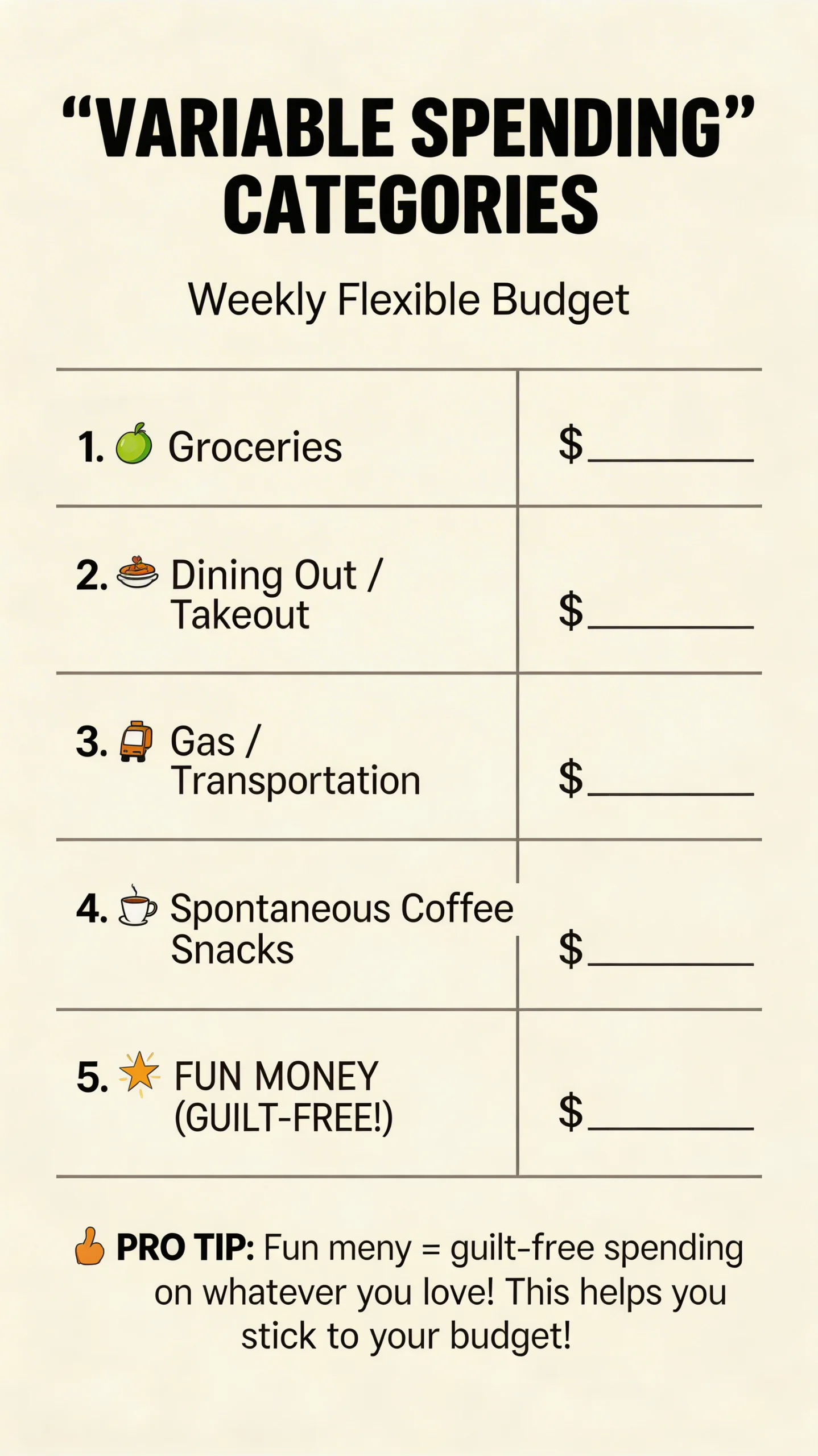
Now for the fun part (or the scary part, depending on your week). This is where you allocate funds for things that fluctuate: groceries, dining out, gas, and that spontaneous coffee run. This is where your weekly budget magic truly happens.
This section helps you set realistic limits for the things you actually control. Pro tip: Give yourself a “fun money” allowance. Seriously. Guilt-free spending on whatever brings you joy is key to actually sticking to a budget. It highlights where you can make impactful adjustments.
4. Savings Goal Snapshot
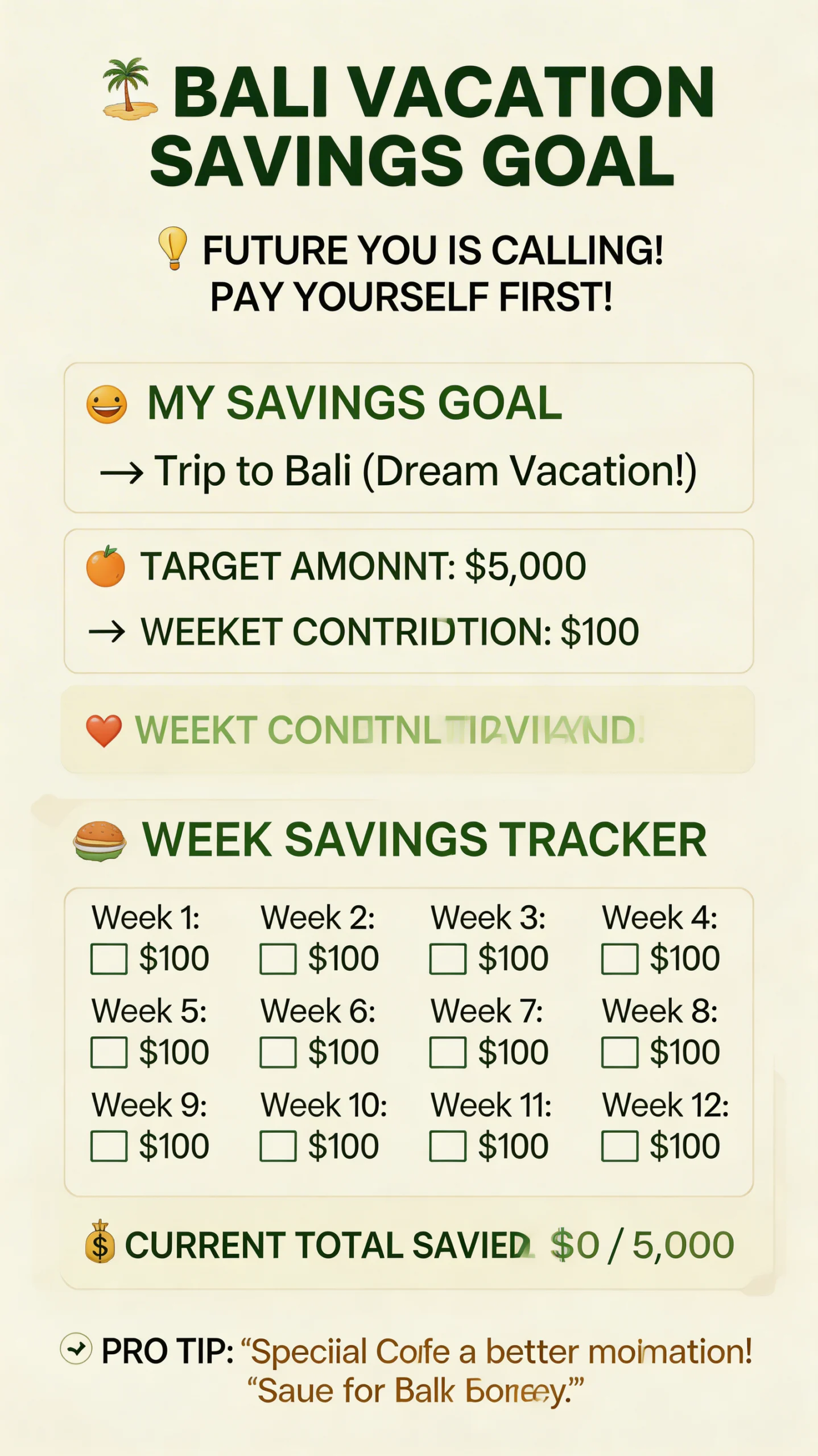
Future you is calling, and they want that vacation/emergency fund/down payment. This dedicated space helps you set aside a specific amount each week for your bigger financial aspirations. Even small contributions make a difference.
Think of it as paying yourself first. Pro tip: Make your savings goal super specific. “Save for a trip to Bali” sounds way more exciting than “save money.” It keeps your long-term dreams front and center.
5. Debt Repayment Strategy
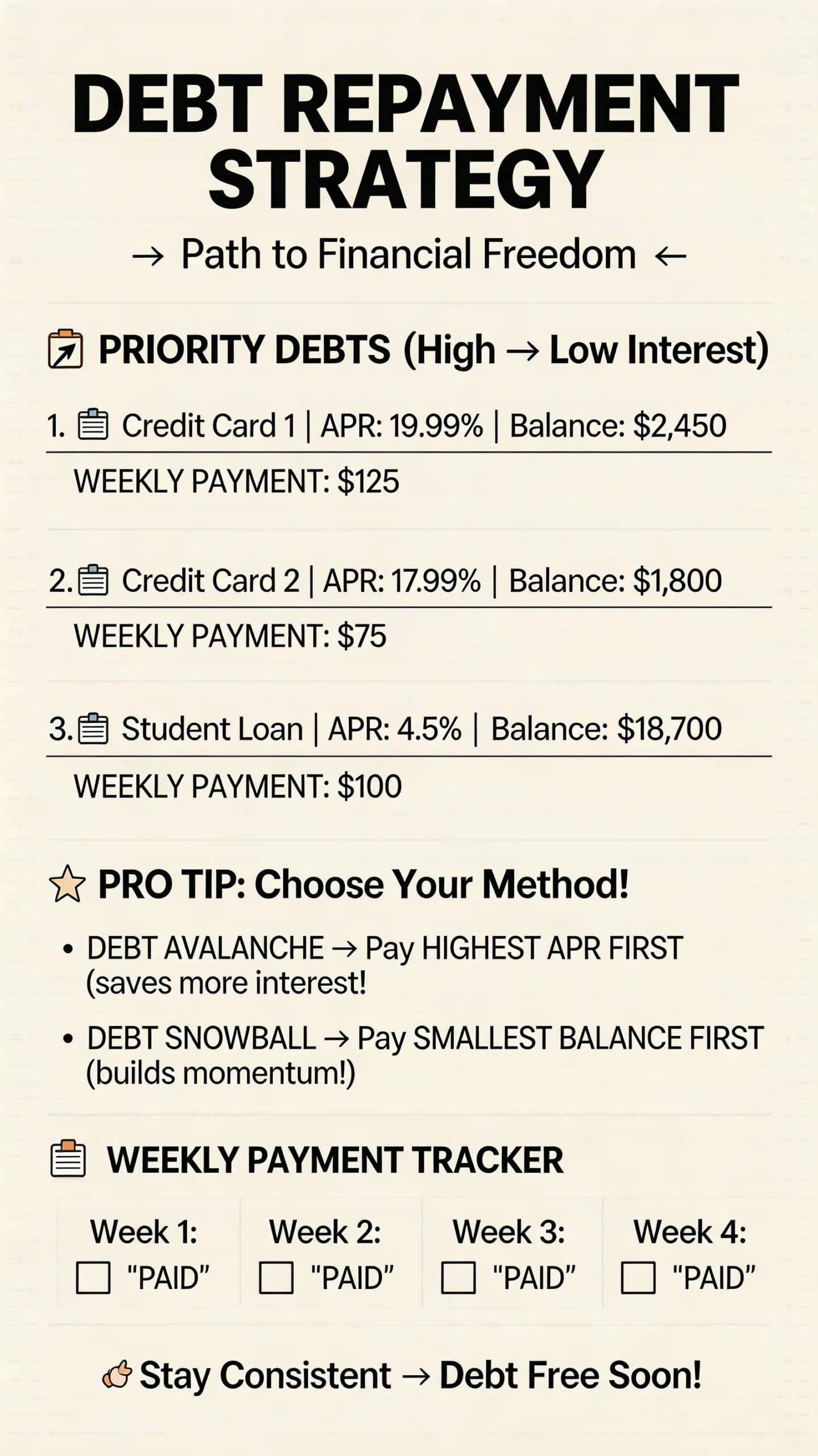
Let’s face it, debt can feel like a clingy ex. This part of your planner is all about giving those credit cards and student loans a firm farewell. Outline your weekly payments and prioritize tackling high-interest debts.
Having a clear repayment plan is incredibly empowering. Pro tip: Look into the “debt snowball” or “debt avalanche” methods; they’re game-changers for accelerating your pay-off journey. This provides a structured path to financial freedom.
6. Expense Tracker Daily Log
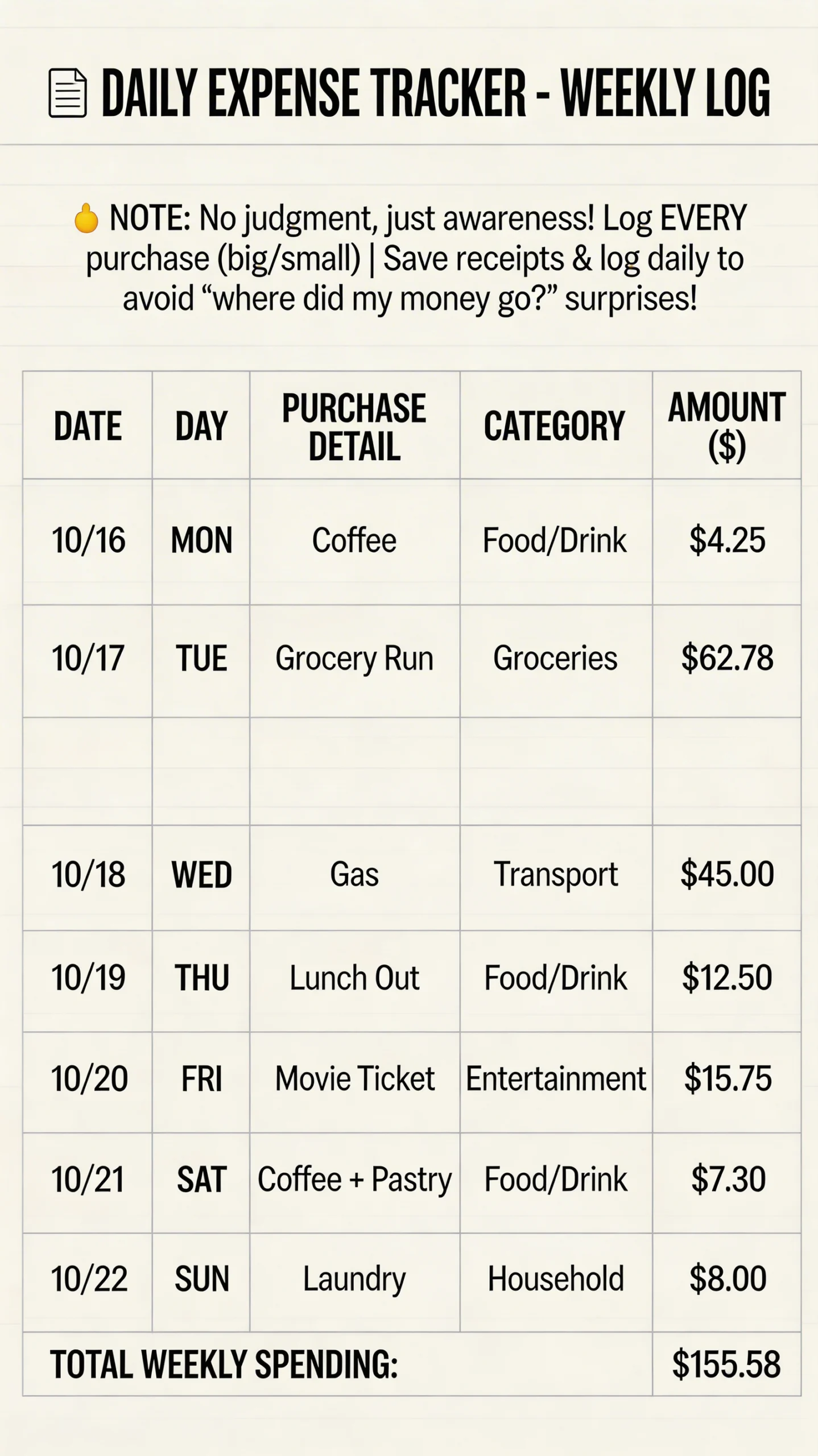
Every single purchase, no matter how small, deserves a moment in the spotlight. This daily log helps you jot down exactly where your money is going throughout the week. It’s the ultimate reality check.
This isn’t about judgment; it’s about awareness. Pro tip: Keep your receipts and quickly log them at the end of each day. It prevents that “where did my money go?” mystery at the end of the week. Real-time tracking prevents unwelcome financial surprises.
7. The “No-Spend” Challenge Box
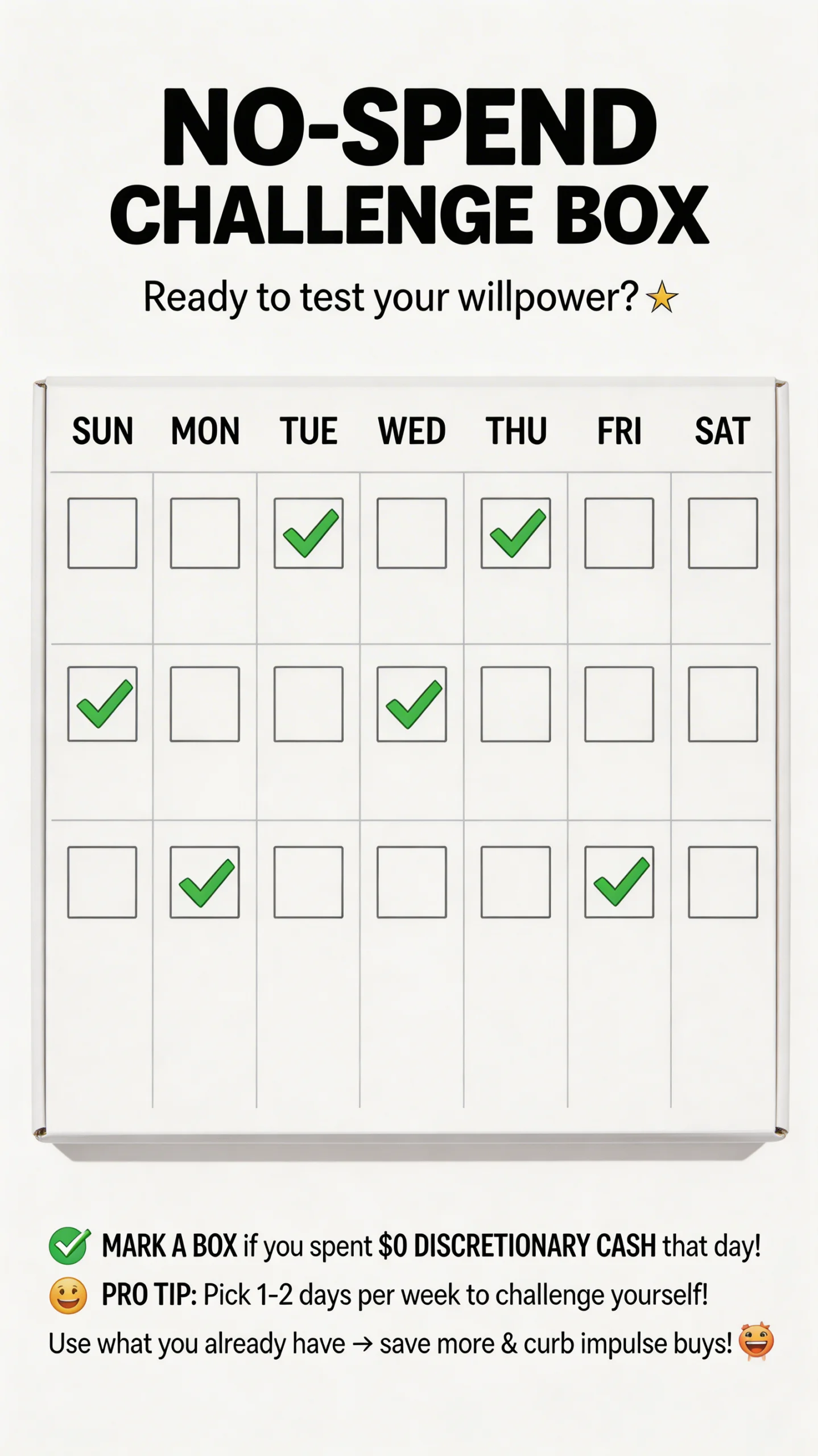
Ready to test your willpower? This clever little box lets you mark off days where you spend absolutely zero discretionary cash. It’s a fun way to challenge yourself and get creative with what you already have.
Think of it as a game to see how resourceful you can be. Pro tip: Pick one or two days a week to try a no-spend challenge. You’ll be surprised how much you save and what you learn about your habits. It’s a playful way to curb impulse buys.
8. Weekly Spending Review
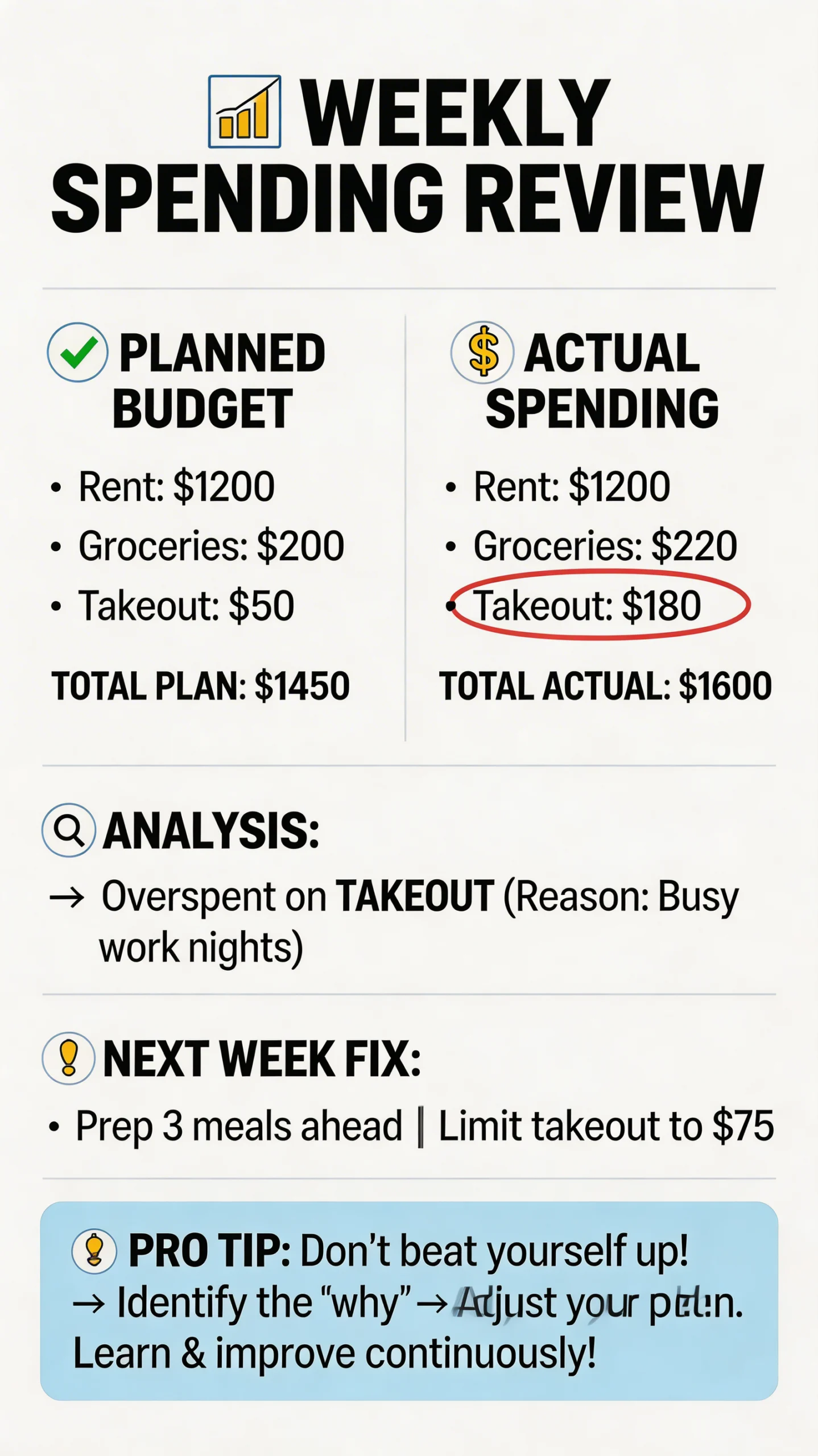
Time for the post-game analysis. At the end of the week, dedicate some time to compare your planned budget to your actual spending. Did you nail it? Did you totally blow it on takeout? Be honest with yourself.
This review is crucial for learning and adapting. Pro tip: Don’t beat yourself up if you overspent. Instead, identify why it happened and brainstorm ways to adjust for next week. This is essential for continuous improvement and learning.
9. Next Week’s Budget Prep
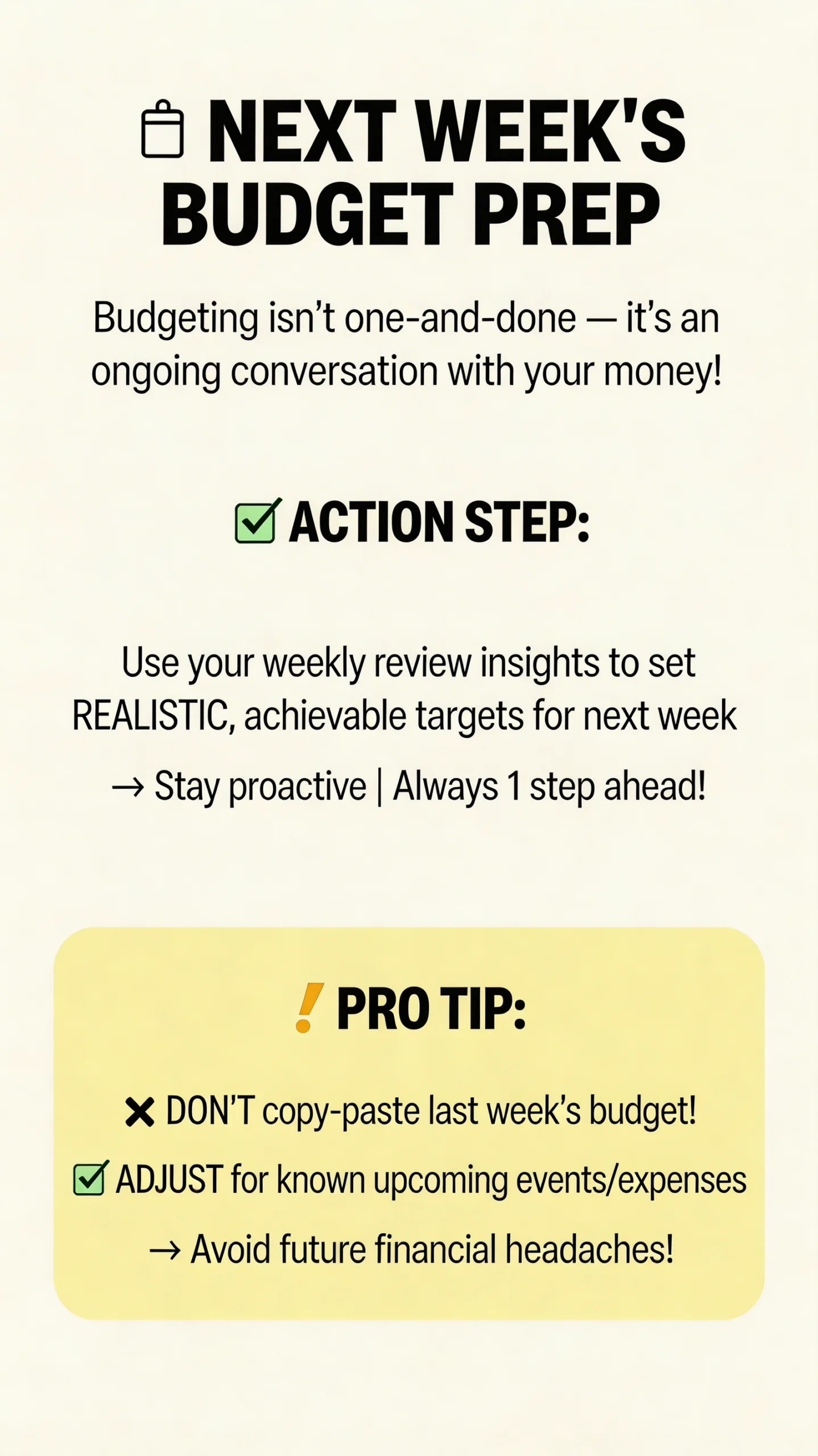
Budgeting isn’t a one-and-done deal; it’s an ongoing conversation with your money. Use the insights from your weekly review to set realistic and achievable targets for the upcoming week. It keeps you proactive.
This step ensures you’re always one step ahead. Pro tip: Don’t just copy-paste from last week. Adjust based on any known upcoming events or expenses. Being proactive saves you from future financial headaches.
10. Wishlist vs. Needlist
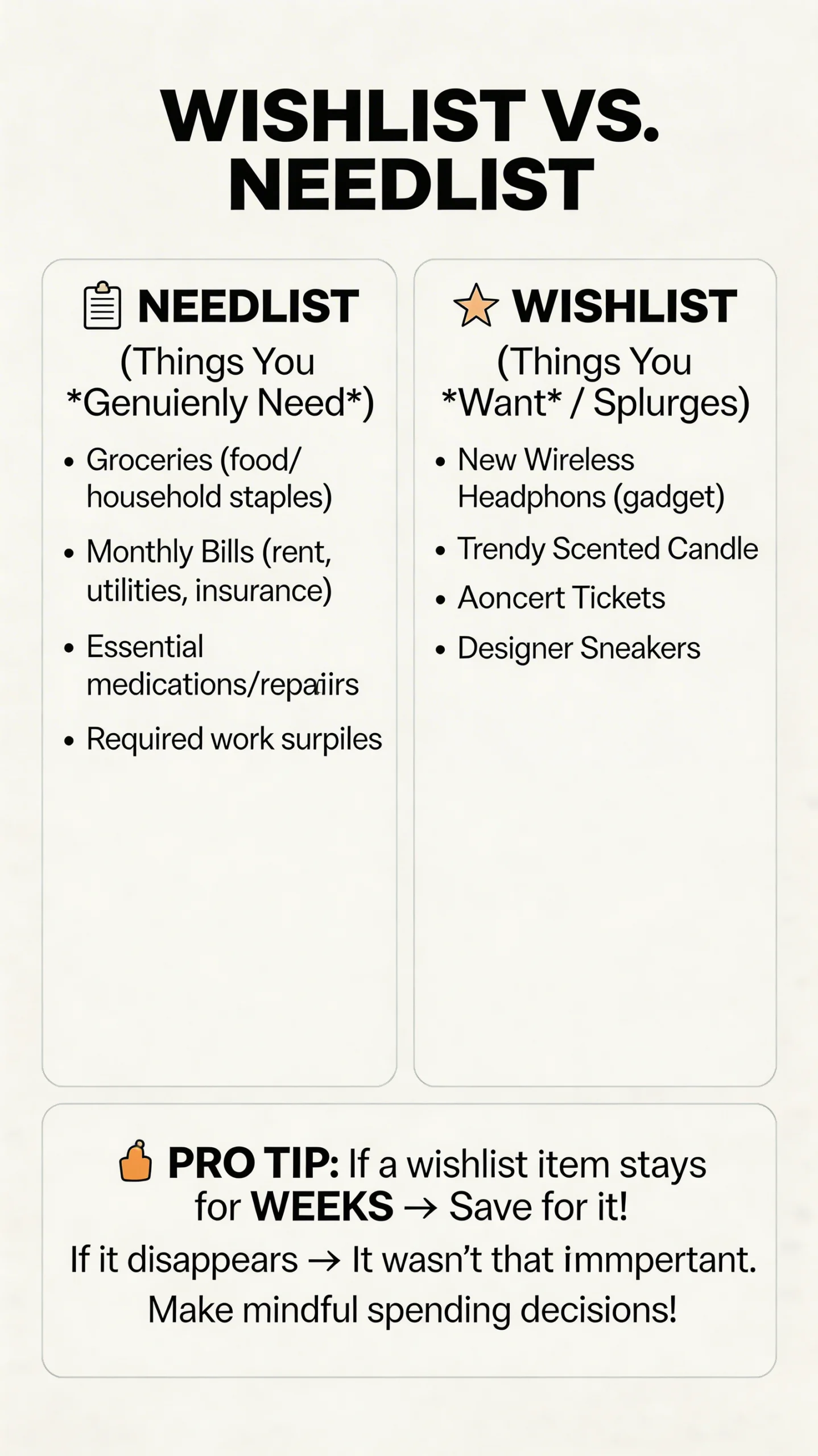
Here’s where you get real with yourself. This small but mighty section helps you differentiate between things you genuinely need (like groceries or that bill) and things you want (like that new gadget or another trendy candle).
It’s a simple way to prioritize your spending. Pro tip: If something stays on your “wishlist” for a few weeks, it might be worth saving for. If it disappears, it probably wasn’t that important after all. This helps you make mindful purchasing decisions.
💼 The Money Management Toolkit
Knowledge is power, but proper execution requires the right tools. Getting your financial life organized doesn't have to be overwhelming. These 5 physical management tools are exactly what successful households use to budget, track cash, and secure their most important assets.
📝 Clever Fox Budget Planner & Bill Organizer
The ultimate analog command center for your finances. Sometimes keeping your budget in an app just doesn't stick. Physically writing down your goals, tracking expenses, and planning for debt payoff creates a level of accountability that digital spreadsheets simply can't match.
💵 A6 Leather Cash Stuffing Binder
The viral tool that made the cash-envelope budgeting system popular again. By allocating actual physical cash to designated envelopes (groceries, dining out, fun money), you physically cap your spending, making it virtually impossible to overdraft or overspend.
🔥 Fireproof & Waterproof Document Safe
A critical piece of financial security that many families overlook. Protecting your passports, birth certificates, property deeds, and estate planning documents from disaster is just as important as protecting the money in your bank account.
🏷️ Brother P-Touch Digital Label Maker
The unsung hero of a functional home office. When tax season rolls around or you need to find an important receipt, having perfectly labeled and categorized filing cabinets or accordion folders saves hours of frustrating searches and potential late fees.
🔒 SentrySafe Compact Fireproof Lock Box
For the physical assets that need extra heavy-duty protection—think emergency cash reserves, hard drives with Bitcoin cold wallets, or physical precious metals. This compact, locking safe provides peace of mind that your physical wealth is secure at home.
Conclusion
See? Budgeting doesn’t have to be a drag. It’s actually your secret weapon for feeling totally in control of your cash flow and reaching those big financial goals. These weekly budget planner printable free templates are designed to make it easy, approachable, and dare we say, a little bit fun. Go forth and conquer your finances, you savvy human, you!