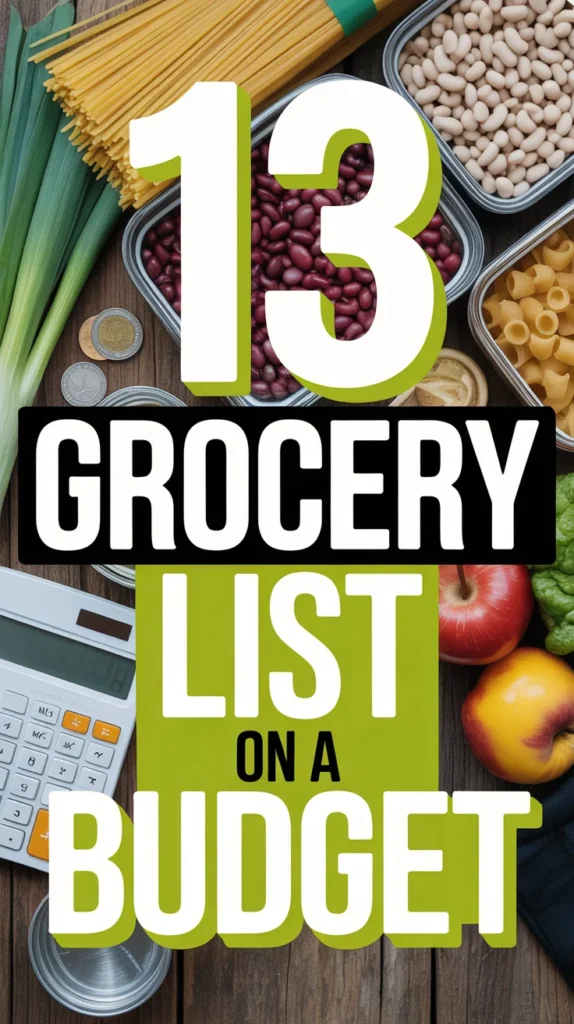
🥦 13 Grocery List On A Budget
📚 The Financial Literacy Library
The best investment you can ever make is in your own financial education. These 5 cornerstone books are what millionaires, financial advisors, and wealth-builders universally recommend for completely rewiring how you think about earning, saving, and investing money.
🧠 The Psychology of Money
Doing well with money isn't necessarily about what you know—it's about how you behave. Morgan Housel masterfully breaks down the emotional and psychological biases that secretly dictate our financial decisions, offering a true paradigm shift in how to view wealth.
🏠 Rich Dad Poor Dad
The #1 personal finance book of all time for a reason. This foundational read shatters the myth that you need to earn a high income to be rich, teaching you the critical difference between working for money and making your money work for you via assets.
📈 Atomic Habits
While not strictly a finance book, building wealth is absolutely dependent on the daily habits you cultivate. James Clear provides the definitive framework for breaking bad spending habits and effortlessly automating the good ones that lead to long-term success.
📊 The Simple Path to Wealth
The ultimate antidote to complex, intimidating financial advice. JL Collins provides an incredibly accessible, low-stress roadmap to financial independence through index fund investing, perfectly explaining why simplicity beats Wall Street complexity every time.
💳 I Will Teach You to Be Rich
A tactical, no-BS, 6-week program that actually works. Ramit Sethi teaches you how to crush debt, automate your savings, and negotiate your salary—all while guilt-free spending on the things you truly love. A must-read for modern money management.
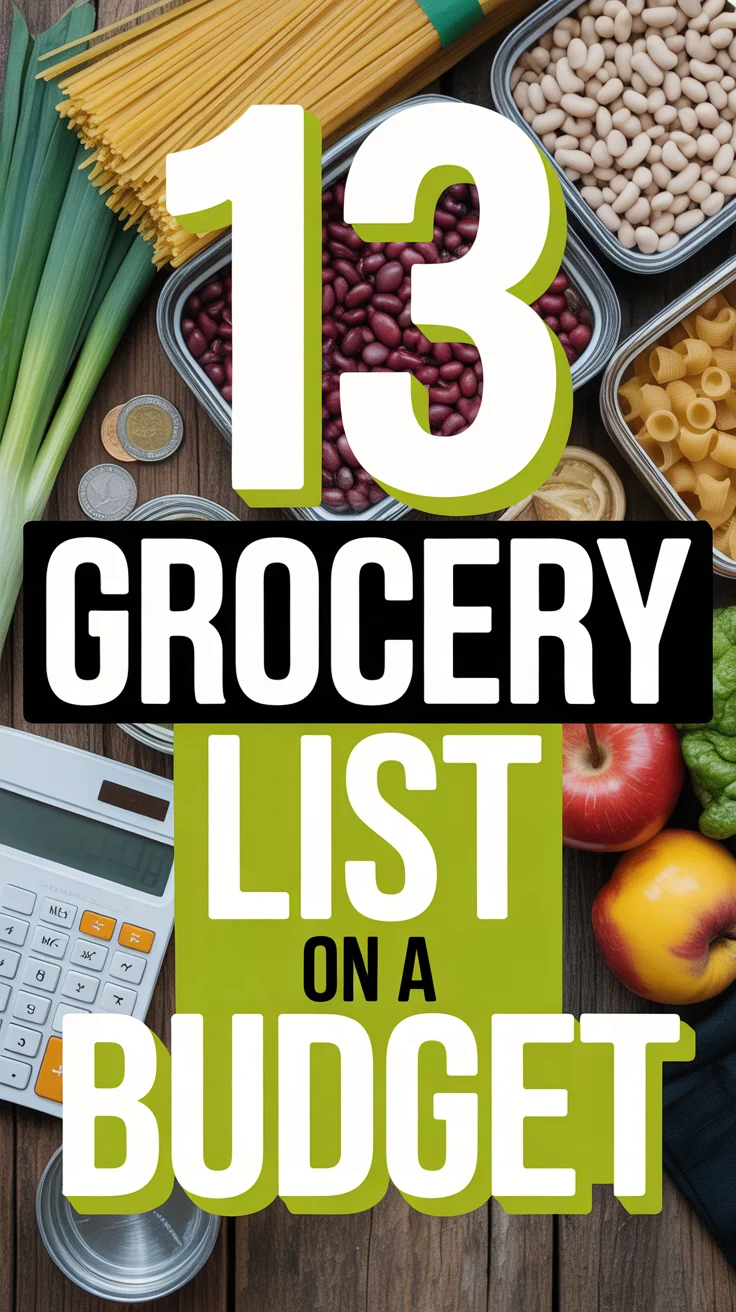
Hey, budget babe! Ever stare at your grocery receipt and wonder if you accidentally bought a small island? Been there, shelled out for that. Good news: you don’t need to sacrifice your avocado toast dreams (or your rent money) to eat well. We’re about to crack the code on smart shopping without feeling like you’re surviving on ramen alone. Get ready to save some serious cash and still impress your taste buds.
1. Plan Your Meals Like a Boss
Okay, listen up. Walking into the grocery store without a game plan is basically throwing money into the abyss. Before you even think about grabbing a cart, sit down and map out your meals for the week. This means breakfast, lunch, dinner, and even those sneaky snacks.
Grab a pen and paper, or fire up your favorite meal planning app. Think about what you already have in your pantry and build around that. Pro tip: Plan meals that share common ingredients to minimize waste and maximize savings. You’ll be amazed how much less you buy when you know exactly what you need.
2. Embrace the Store Brands
Let’s be real, sometimes brand loyalty is just… loyalty to a bigger price tag. Store brands have seriously stepped up their game. We’re talking quality stuff that often comes from the same factories as the big names, just without the fancy label.
Give those generic versions a chance. You might find your new favorite pasta sauce or a coffee that hits just right, all while keeping more cash in your wallet. Pro tip: Start with pantry staples like canned goods, spices, and dried pasta. The savings add up quicker than you think.
3. Frozen Foods Are Your Friend
Don’t sleep on the freezer aisle, my friend. Frozen fruits and veggies are often picked at their peak ripeness and flash-frozen, locking in nutrients and flavor. Plus, they last way longer than fresh, meaning less waste and more bang for your buck.
Think beyond just peas and corn. Frozen berries are perfect for smoothies, and frozen chopped onions or peppers save prep time. Pro tip: Buy frozen seafood or chicken when it’s on sale; it’s usually cheaper than fresh and just as good when thawed. Your future self will thank you for having a quick dinner option ready.
4. Bulk Up on Basics
For non-perishable items you use constantly, buying in bulk is a no-brainer. Think rice, pasta, oats, beans, and even toilet paper (because who wants to run out of that?). The unit price is almost always lower, and you’ll make fewer trips to the store.
Just make sure you have the storage space and you’ll actually use it all before it expires. Nobody needs a five-pound bag of quinoa going stale. Pro tip: Split bulk purchases with a friend if you don’t need a massive quantity yourself. Sharing is caring, especially when it comes to savings.
5. Seasonal Produce for the Win
Nature knows best, and usually, your wallet agrees. When fruits and vegetables are in season, they’re more abundant, taste better, and are significantly cheaper. Trying to buy strawberries in December? Prepare for sticker shock.
Do a quick search for what’s in season in your area before you shop. It’s a great way to introduce variety into your diet without breaking the bank. Pro tip: Hit up your local farmer’s market towards closing time for potential deals on leftover produce. Farmers often want to clear stock.
6. Don’t Shop Hungry (Seriously)
This isn’t just an old wives’ tale; it’s a scientific fact (probably). When your stomach is rumbling, every single item in the store suddenly looks like an essential, life-sustaining purchase. You’ll grab impulse buys faster than you can say “Hangry.”
Have a snack, even a small one, before you head out. A full belly leads to a clearer head and a much more focused shopping trip. Pro tip: Make a quick smoothie or grab a piece of fruit before you leave. It’s a small step that makes a huge difference to your cart total.
7. Meatless Mondays (and Tuesdays, etc.)
Let’s face it, meat can be pricey. Incorporating more plant-based meals into your week is an excellent way to cut down on your grocery bill. Lentils, beans, chickpeas, and tofu are incredibly versatile, packed with protein, and super budget-friendly.
You don’t have to go full vegan, just try swapping out one or two meat-heavy meals a week. You might discover some delicious new recipes. Pro tip: Canned beans are convenient and cheap, but dried beans are even cheaper if you have time to soak and cook them.
8. Leftovers Are Gold
Think of your dinner tonight as tomorrow’s lunch, or even another dinner. Cooking larger portions and planning for leftovers is the ultimate hack for busy people and budget-conscious eaters. It saves time, effort, and money.
Invest in some good food storage containers and embrace the art of the planned leftover. No more sad desk lunches or expensive takeout. Pro tip: Repurpose leftovers creatively. That roasted chicken can become tacos, a salad topping, or a stir-fry the next day.
9. DIY Your Coffee and Snacks
That daily latte habit? It’s a silent killer of your budget. Same goes for those pre-packaged snack bags. Making your own coffee at home and prepping your snacks saves a surprising amount of cash over time.
Brew your own java, pack a handful of nuts, or chop up some veggies with hummus. It takes a few extra minutes but seriously adds up. Pro tip: Invest in a good reusable coffee cup and water bottle. You’ll save money and help the planet. Two birds, one stone.
10. Price Match Like a Pro
Some stores offer price matching, meaning they’ll honor a competitor’s lower advertised price. This is a fantastic way to avoid driving all over town to get the best deals. You get everything you need in one place at the lowest price.
Check your local store’s policy, then bring those flyers or use their app to show the lower price at checkout. It’s like having a personal shopper for discounts. Pro tip: Focus on big-ticket items or things you buy regularly for the most impact.
11. Scan Those Sales Flyers
Before you even step foot in the store, grab those weekly sales flyers (online or physical). These are your treasure maps to savings. Build your meal plan around what’s on sale to maximize your budget.
Don’t just glance; really dig into what’s discounted. Sometimes there are digital coupons or special offers linked to the flyer. Pro tip: Sign up for your favorite grocery store’s email list. They often send out exclusive deals and early access to sales.
12. Loyalty Programs Pay Off
If your go-to grocery store has a loyalty program, sign up for it immediately. These programs often offer member-exclusive discounts, points that turn into cash back, or personalized coupons based on your shopping habits. It’s free money, basically.
Don’t be shy about scanning your card or entering your phone number every time you shop. Every little bit helps chip away at that total. Pro tip: Download the store’s app. Many apps have digital coupons you can “clip” directly to your loyalty card.
13. Stick to Your List (No Shenanigans)
This is the golden rule, the ultimate test of your budget discipline. Once you’ve made your carefully crafted grocery list, stick to it. Avoid the siren song of impulse buys, those tempting treats strategically placed at eye level.
If it’s not on the list, it doesn’t go in the cart. Period. This is where all your planning pays off. Pro tip: Shop the perimeter of the store first for fresh produce, dairy, and meat, then hit the inner aisles for pantry staples. This helps avoid getting sidetracked.
💼 The Money Management Toolkit
Knowledge is power, but proper execution requires the right tools. Getting your financial life organized doesn't have to be overwhelming. These 5 physical management tools are exactly what successful households use to budget, track cash, and secure their most important assets.
📝 Clever Fox Budget Planner & Bill Organizer
The ultimate analog command center for your finances. Sometimes keeping your budget in an app just doesn't stick. Physically writing down your goals, tracking expenses, and planning for debt payoff creates a level of accountability that digital spreadsheets simply can't match.
💵 A6 Leather Cash Stuffing Binder
The viral tool that made the cash-envelope budgeting system popular again. By allocating actual physical cash to designated envelopes (groceries, dining out, fun money), you physically cap your spending, making it virtually impossible to overdraft or overspend.
🔥 Fireproof & Waterproof Document Safe
A critical piece of financial security that many families overlook. Protecting your passports, birth certificates, property deeds, and estate planning documents from disaster is just as important as protecting the money in your bank account.
🏷️ Brother P-Touch Digital Label Maker
The unsung hero of a functional home office. When tax season rolls around or you need to find an important receipt, having perfectly labeled and categorized filing cabinets or accordion folders saves hours of frustrating searches and potential late fees.
🔒 SentrySafe Compact Fireproof Lock Box
For the physical assets that need extra heavy-duty protection—think emergency cash reserves, hard drives with Bitcoin cold wallets, or physical precious metals. This compact, locking safe provides peace of mind that your physical wealth is secure at home.
Conclusion
So there you have it, savvy shopper. Conquering your grocery bill doesn’t require a magic wand, just a little strategy and a whole lot of common sense (and maybe a pre-shopping snack). Go forth, save some dough, and still eat like the culinary genius you are. Your bank account (and your taste buds) will thank you. Happy shopping, you magnificent budget boss!