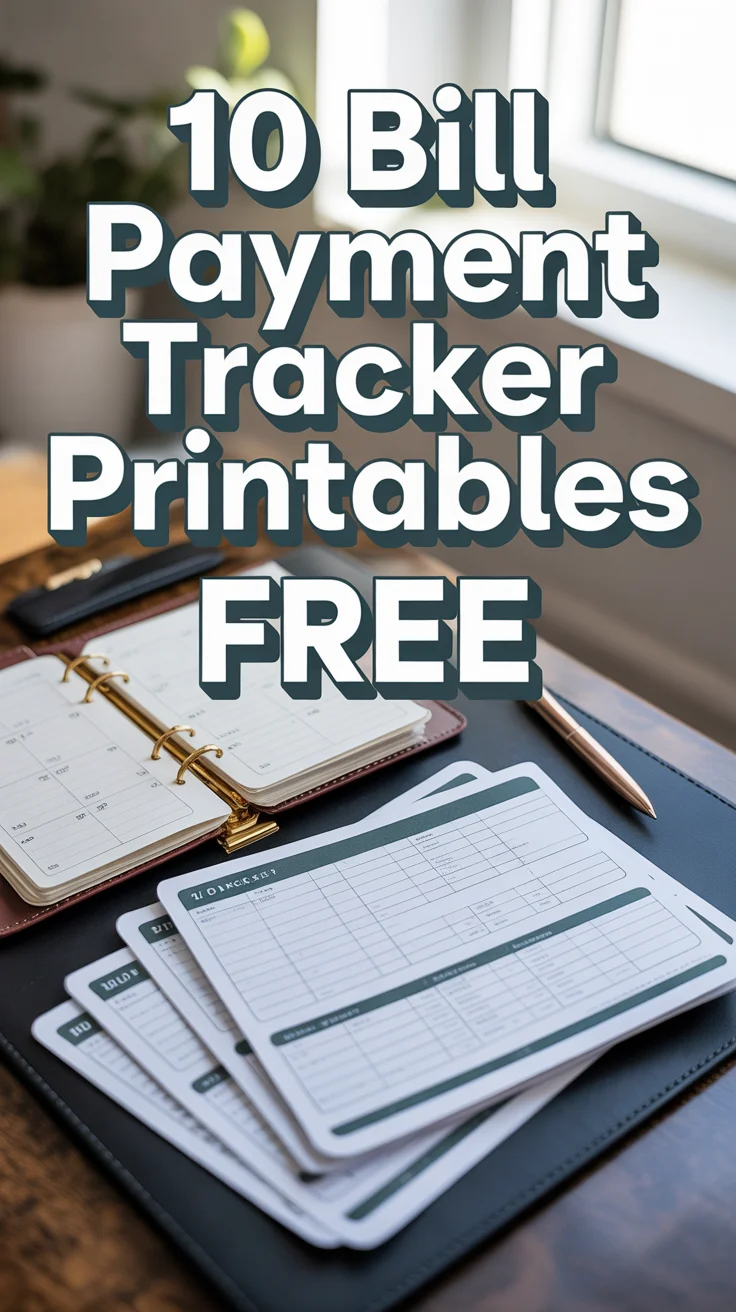
💰 10 Save 500 In 30 Days
📚 The Financial Literacy Library
The best investment you can ever make is in your own financial education. These 5 cornerstone books are what millionaires, financial advisors, and wealth-builders universally recommend for completely rewiring how you think about earning, saving, and investing money.
🧠 The Psychology of Money
Doing well with money isn't necessarily about what you know—it's about how you behave. Morgan Housel masterfully breaks down the emotional and psychological biases that secretly dictate our financial decisions, offering a true paradigm shift in how to view wealth.
🏠 Rich Dad Poor Dad
The #1 personal finance book of all time for a reason. This foundational read shatters the myth that you need to earn a high income to be rich, teaching you the critical difference between working for money and making your money work for you via assets.
📈 Atomic Habits
While not strictly a finance book, building wealth is absolutely dependent on the daily habits you cultivate. James Clear provides the definitive framework for breaking bad spending habits and effortlessly automating the good ones that lead to long-term success.
📊 The Simple Path to Wealth
The ultimate antidote to complex, intimidating financial advice. JL Collins provides an incredibly accessible, low-stress roadmap to financial independence through index fund investing, perfectly explaining why simplicity beats Wall Street complexity every time.
💳 I Will Teach You to Be Rich
A tactical, no-BS, 6-week program that actually works. Ramit Sethi teaches you how to crush debt, automate your savings, and negotiate your salary—all while guilt-free spending on the things you truly love. A must-read for modern money management.
Hey, ready to beef up that bank account without selling a kidney? We’re talking about stashing away a cool five hundred smackers in just thirty days. Sounds like a challenge, right? Good, because you’re totally up for it. Let’s ditch the latte factor and get serious about those savings goals. Your future self will send you a thank you note (maybe even with a gift card).

1. The Coffee Breakup
Your daily barista habit? It’s time for a temporary split. That fancy oat milk latte might be delicious, but it’s also a daily drain on your funds. Make your coffee at home instead. Invest in a good thermos, and brew your own magical potion.
Pro tip: Batch brew cold brew concentrate on Sunday for easy grab-and-go all week. You’ll be shocked how quickly those $5-$7 savings add up. That’s easily $150-$200 saved in a month.
2. Meal Prep Masterclass
Say goodbye to spontaneous takeout orders and hello to your new best friend: organized leftovers. Plan your meals for the week, hit the grocery store once, and prep everything on Sunday. Think big batches of roasted veggies, grains, and protein. Pack your lunch every single day.
Pro tip: Use versatile ingredients that can be repurposed. Chicken can be tacos one night, salad the next. Eating out is a budget killer; this keeps your wallet (and your waistline) happy.
3. Subscription Service Purge
Remember that free trial you signed up for? Yeah, it’s probably still charging you. Go through your bank statements with a fine-tooth comb. Identify every single recurring subscription you have. Do you really need four streaming services and that obscure workout app? Probably not.
Pro tip: Use an app like Truebill or Rocket Money to help identify and cancel unwanted subscriptions. Cutting even two or three forgotten subscriptions can easily free up $20-$50 a month.
4. The No-Spend Weekend
Challenge yourself to spend absolutely zero dollars from Friday evening to Monday morning. Get creative with free activities. Go for a hike, visit a free museum, have a potluck with friends, or dive into that book you’ve been meaning to read. Plan ahead to avoid temptation.
Pro tip: Make sure your fridge is stocked with groceries so you’re not tempted by takeout. This forces you to be mindful about your spending and discover new, free ways to have fun.
5. Embrace the Library
Your local library is basically a treasure trove of free entertainment. Want to read the latest bestseller? Watch a movie? Listen to an audiobook? Borrow a board game? Your library has you covered, all without spending a dime. Get a library card, seriously.
Pro tip: Many libraries offer digital access to ebooks and audiobooks through apps like Libby or Hoopla. Ditch those book and movie rental fees. Free knowledge and entertainment? Yes, please.
6. DIY Beauty & Home
Stop buying those fancy cleaning supplies and beauty masks. Your pantry is your new pharmacy. Make your own all-purpose cleaner with vinegar and water. Try a DIY face mask with honey and oats. Small changes here can save you big bucks on products you might only use once.
Pro tip: Pinterest is your friend for endless DIY recipes. Just make sure they’re safe and effective. Many common household items can pull double duty, saving you money on specialized products.
7. The “Found Money” Jar
Every spare coin, every dollar bill found in an old jacket pocket? It all goes into the jar. Make it a game. When you empty your pockets, put all the loose change and small bills into a designated “found money” jar. You’d be amazed how quickly it accumulates.
Pro tip: Take it a step further. Every time you get a refund or a small unexpected bonus, toss a portion into the jar. It’s passive saving, making money appear out of thin air (sort of).
8. Negotiate Your Bills
Your internet provider, your cell phone company—they’re not your friends, but they do want to keep you as a customer. Call up your service providers. Ask if there are any new promotions, loyalty discounts, or ways to lower your monthly bill. Sometimes just asking is enough. You might be surprised.
Pro tip: Research competitor prices before you call so you have leverage. A quick phone call can shave off $10-$30 a month, effortlessly.
9. Carpool or Public Transport Power-Up
Your car is a money pit. Let’s give it a break. If possible, carpool with a colleague, bike to work, or use public transportation. Gas, parking, and wear-and-tear add up fast. Even a few days a week can make a huge difference.
Pro tip: Challenge yourself to one car-free day a week. Less driving means less gas, less maintenance, and more money in your pocket.
10. The “Think Before You Buy” Rule
Impulse buys are the silent killers of your savings goals. Before you click “add to cart” or grab that item off the shelf, implement a 24-hour waiting period. Does it spark joy after a day? Do you really need it, or is it just a want?
Pro tip: Keep a running list of things you want. If you still want it after a week, reconsider. This simple pause prevents emotional spending and helps you prioritize your actual needs.
💼 The Money Management Toolkit
Knowledge is power, but proper execution requires the right tools. Getting your financial life organized doesn't have to be overwhelming. These 5 physical management tools are exactly what successful households use to budget, track cash, and secure their most important assets.
📝 Clever Fox Budget Planner & Bill Organizer
The ultimate analog command center for your finances. Sometimes keeping your budget in an app just doesn't stick. Physically writing down your goals, tracking expenses, and planning for debt payoff creates a level of accountability that digital spreadsheets simply can't match.
💵 A6 Leather Cash Stuffing Binder
The viral tool that made the cash-envelope budgeting system popular again. By allocating actual physical cash to designated envelopes (groceries, dining out, fun money), you physically cap your spending, making it virtually impossible to overdraft or overspend.
🔥 Fireproof & Waterproof Document Safe
A critical piece of financial security that many families overlook. Protecting your passports, birth certificates, property deeds, and estate planning documents from disaster is just as important as protecting the money in your bank account.
🏷️ Brother P-Touch Digital Label Maker
The unsung hero of a functional home office. When tax season rolls around or you need to find an important receipt, having perfectly labeled and categorized filing cabinets or accordion folders saves hours of frustrating searches and potential late fees.
🔒 SentrySafe Compact Fireproof Lock Box
For the physical assets that need extra heavy-duty protection—think emergency cash reserves, hard drives with Bitcoin cold wallets, or physical precious metals. This compact, locking safe provides peace of mind that your physical wealth is secure at home.
Conclusion
See? Saving five hundred bucks in 30 days isn’t some mythical beast. It’s totally doable with a little planning, a dash of discipline, and a whole lot of sass. Pick a few of these ideas, give ’em a whirl, and watch your bank account flex. You got this, future millionaire. Now go forth and save!