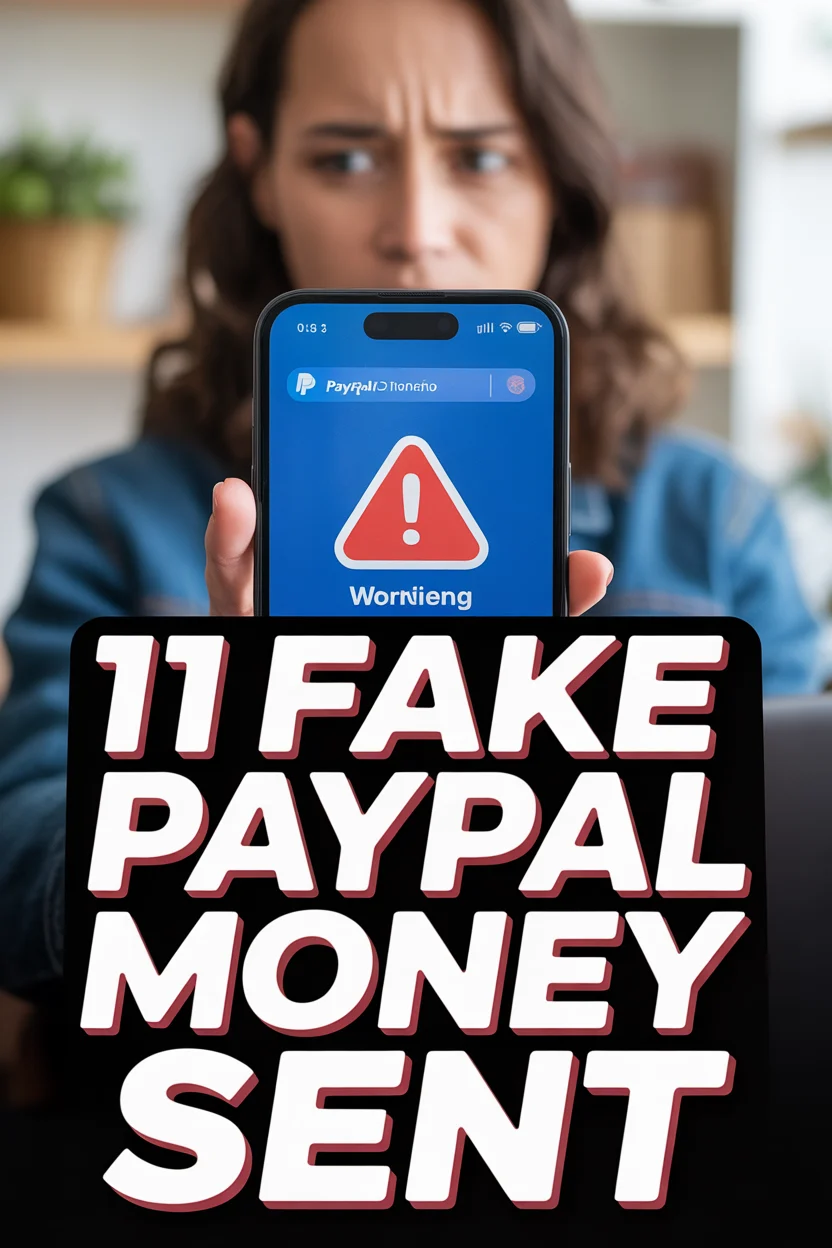
⚠️ 11 Fake Paypal Money Sent
📚 The Financial Literacy Library
The best investment you can ever make is in your own financial education. These 5 cornerstone books are what millionaires, financial advisors, and wealth-builders universally recommend for completely rewiring how you think about earning, saving, and investing money.
🧠 The Psychology of Money
Doing well with money isn't necessarily about what you know—it's about how you behave. Morgan Housel masterfully breaks down the emotional and psychological biases that secretly dictate our financial decisions, offering a true paradigm shift in how to view wealth.
🏠 Rich Dad Poor Dad
The #1 personal finance book of all time for a reason. This foundational read shatters the myth that you need to earn a high income to be rich, teaching you the critical difference between working for money and making your money work for you via assets.
📈 Atomic Habits
While not strictly a finance book, building wealth is absolutely dependent on the daily habits you cultivate. James Clear provides the definitive framework for breaking bad spending habits and effortlessly automating the good ones that lead to long-term success.
📊 The Simple Path to Wealth
The ultimate antidote to complex, intimidating financial advice. JL Collins provides an incredibly accessible, low-stress roadmap to financial independence through index fund investing, perfectly explaining why simplicity beats Wall Street complexity every time.
💳 I Will Teach You to Be Rich
A tactical, no-BS, 6-week program that actually works. Ramit Sethi teaches you how to crush debt, automate your savings, and negotiate your salary—all while guilt-free spending on the things you truly love. A must-read for modern money management.
Alright, listen up, because we need to chat about something seriously uncool: fake PayPal money. Yeah, it’s a thing. You’re trying to sell that vintage jacket or those limited-edition sneakers, and suddenly, boom, you get an email saying you’ve been paid. But hold up, is it actually legit? Scammers are getting craftier than ever, trying to trick you into thinking you’ve got cash when you’ve got nada. We’re here to spill the tea on how to spot these sneaky tricks and keep your hard-earned (or about-to-be-earned) cash safe. Let’s dive in.
1. Check Your Actual Balance
Never, ever trust an email alone. You know the drill. That “payment received” email might look super official, but it’s probably playing you. Always, always log directly into your PayPal account through your browser or the official app. If the money isn’t showing up there, it isn’t real. Pro tip: bookmark the official PayPal site to avoid accidentally landing on a phishing page. Your dashboard is the only truth-teller here.
2. Inspect That Email Closely
Scammers love a good disguise. Take a hard look at the sender’s email address. Is it “service@paypal.com” or something like “paypal.support.payments@scammymail.net”? Often, they’ll use weird domains or extra letters. Also, check for generic greetings like “Dear User” instead of your actual name. A little detective work goes a long way.
3. Hover Before You Click
We get it, curiosity kills the cat, but clicking suspicious links kills your financial security. If an email has a link, hover your mouse over it (don’t click!) and check the URL that pops up. Does it actually go to paypal.com or something completely different? If it looks fishy, it probably is. Just close the email and log in manually.
4. The Overpayment Trap
This one’s a classic. A “buyer” sends you more money than the item costs and then asks you to refund the difference. Sounds generous, right? Wrong. They send you fake money, you send them real money, and then their fake payment disappears, leaving you out of pocket. Always be suspicious of anyone sending you more than the agreed-upon amount. It’s a massive red flag.
5. Feel the Pressure Cooker
Scammers thrive on urgency. They’ll tell you to ship immediately or that the deal will expire if you don’t act fast. They want you to panic and skip your usual checks. Someone demanding immediate action or trying to rush you through a transaction is almost certainly trying to pull a fast one. Take your time, verify everything, and don’t let anyone push you around.
6. Do a Quick Background Check
If you’re selling to someone new, especially for a high-value item, a quick search for their name or email address can sometimes reveal past scamming attempts reported by others. It’s not foolproof, but it can give you extra peace of mind. If their “profile” seems too new or too good to be true, it probably is. Trust your gut on this one.
7. Know Your Protection Game
Understand PayPal’s Seller Protection policies. These policies offer safeguards for eligible transactions, but only if you follow the rules, like shipping to the address on the Transaction Details page. If a buyer tries to convince you to ship to a different address, they’re likely trying to bypass these protections. Don’t fall for it.
8. Spot the Typos and Grammatical Blunders
Legitimate companies, especially financial ones, usually have their act together when it comes to communication. If an email is riddled with spelling mistakes, awkward phrasing, or weird grammar, it’s a huge clue it’s not from PayPal. They’re not sending out emails that look like they were written by a very tired pigeon. Seriously, look for the errors.
9. Keep Your Password Locked Down
This might sound obvious, but we need to say it: never give your PayPal password to anyone, ever. PayPal will never ask you for your password via email or phone. If someone asks, they are a scammer, end of story. Enable two-factor authentication on your account for an extra layer of security. It’s like having a bouncer for your digital wallet.
10. Always Get That Tracking Number
When you ship an item, always use a shipping service that provides tracking and delivery confirmation. This is crucial for PayPal’s Seller Protection. Without proof of shipment and delivery, you’re vulnerable. If a buyer insists on a cheaper, untraceable shipping method, they might be setting you up for a “non-receipt” claim later. Cover your bases.
11. Hit the Report Button
If you suspect you’ve received a fake PayPal email or encountered a scammer, don’t just delete it and move on. Forward the suspicious email to phishing@paypal.com. Reporting these attempts helps PayPal track down and shut down scammers, making the internet a safer place for everyone. Be a hero, report the bad guys.
💼 The Money Management Toolkit
Knowledge is power, but proper execution requires the right tools. Getting your financial life organized doesn't have to be overwhelming. These 5 physical management tools are exactly what successful households use to budget, track cash, and secure their most important assets.
📝 Clever Fox Budget Planner & Bill Organizer
The ultimate analog command center for your finances. Sometimes keeping your budget in an app just doesn't stick. Physically writing down your goals, tracking expenses, and planning for debt payoff creates a level of accountability that digital spreadsheets simply can't match.
💵 A6 Leather Cash Stuffing Binder
The viral tool that made the cash-envelope budgeting system popular again. By allocating actual physical cash to designated envelopes (groceries, dining out, fun money), you physically cap your spending, making it virtually impossible to overdraft or overspend.
🔥 Fireproof & Waterproof Document Safe
A critical piece of financial security that many families overlook. Protecting your passports, birth certificates, property deeds, and estate planning documents from disaster is just as important as protecting the money in your bank account.
🏷️ Brother P-Touch Digital Label Maker
The unsung hero of a functional home office. When tax season rolls around or you need to find an important receipt, having perfectly labeled and categorized filing cabinets or accordion folders saves hours of frustrating searches and potential late fees.
🔒 SentrySafe Compact Fireproof Lock Box
For the physical assets that need extra heavy-duty protection—think emergency cash reserves, hard drives with Bitcoin cold wallets, or physical precious metals. This compact, locking safe provides peace of mind that your physical wealth is secure at home.
Conclusion
So there you have it. Dealing with fake PayPal payments is a real pain, but now you’re armed with the knowledge to spot those sneaky tricks a mile away. Stay sharp, trust your instincts, and always verify everything directly through your official PayPal account. Keep your transactions legit, your money safe, and your good vibes flowing. You got this.