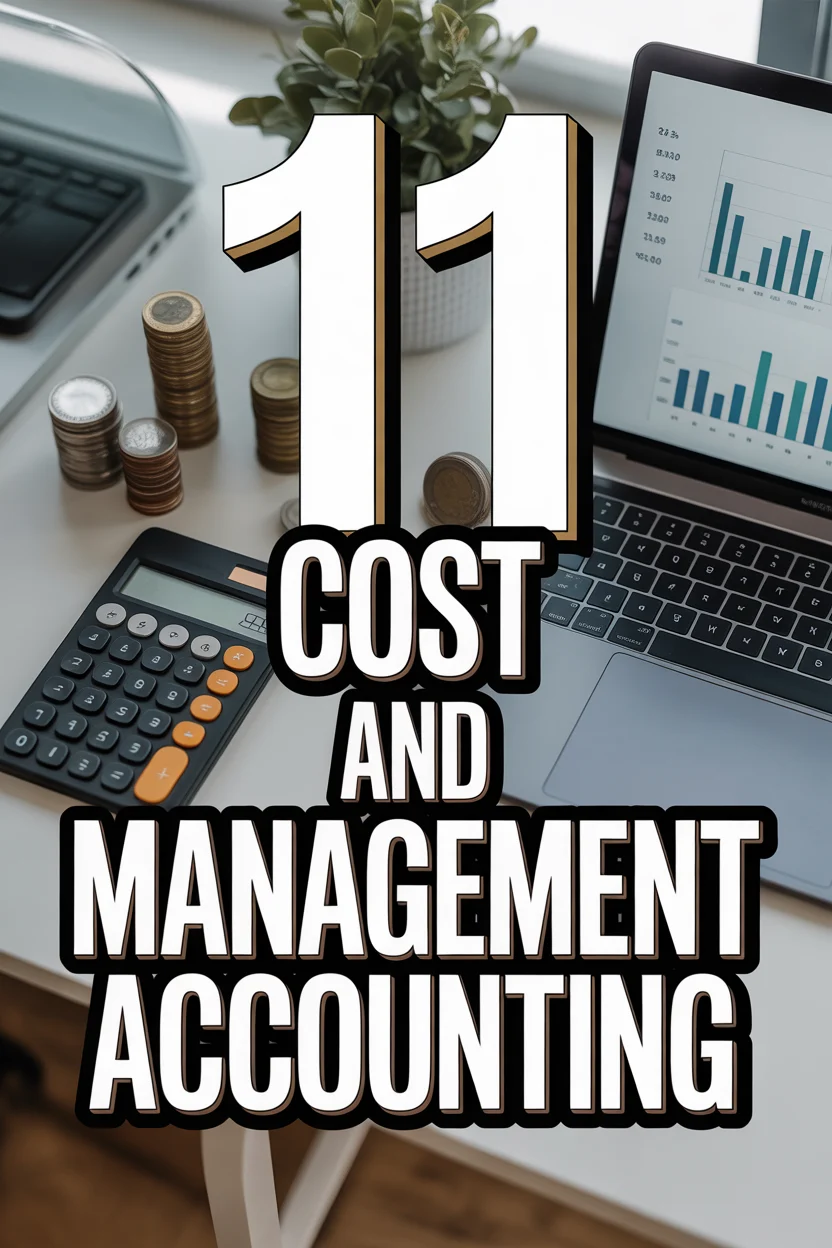
💰 11 Cost And Management Accounting
📚 The Financial Literacy Library
The best investment you can ever make is in your own financial education. These 5 cornerstone books are what millionaires, financial advisors, and wealth-builders universally recommend for completely rewiring how you think about earning, saving, and investing money.
🧠 The Psychology of Money
Doing well with money isn't necessarily about what you know—it's about how you behave. Morgan Housel masterfully breaks down the emotional and psychological biases that secretly dictate our financial decisions, offering a true paradigm shift in how to view wealth.
🏠 Rich Dad Poor Dad
The #1 personal finance book of all time for a reason. This foundational read shatters the myth that you need to earn a high income to be rich, teaching you the critical difference between working for money and making your money work for you via assets.
📈 Atomic Habits
While not strictly a finance book, building wealth is absolutely dependent on the daily habits you cultivate. James Clear provides the definitive framework for breaking bad spending habits and effortlessly automating the good ones that lead to long-term success.
📊 The Simple Path to Wealth
The ultimate antidote to complex, intimidating financial advice. JL Collins provides an incredibly accessible, low-stress roadmap to financial independence through index fund investing, perfectly explaining why simplicity beats Wall Street complexity every time.
💳 I Will Teach You to Be Rich
A tactical, no-BS, 6-week program that actually works. Ramit Sethi teaches you how to crush debt, automate your savings, and negotiate your salary—all while guilt-free spending on the things you truly love. A must-read for modern money management.
Okay, real talk. When you hear ‘Cost And Management Accounting,’ does your brain immediately go, ‘Zzzzz’? Mine too, sometimes! But trust me, this isn’t just for the suits in the corner office. It’s the secret sauce for anyone trying to actually understand where their money goes and how to make smarter moves, whether you’re running a lemonade stand or, you know, a multi-million dollar empire. Let’s ditch the textbooks and dive into why this stuff is actually pretty cool.
1. What It Even Is
Forget the dusty textbooks, this is the real MVP behind smart business decisions. It’s basically your business’s internal GPS, telling you not just what things cost, but why and how to manage those costs better. Think of it as peeking behind the financial curtain.
Don’t just track expenses; understand their purpose. That’s where the magic happens. It empowers you to see the bigger picture, not just the bottom line.
2. Cost Classification
Not all costs are created equal, darling. We’re talking Fixed Costs (rent, salaries – they stick around no matter what) versus Variable Costs (raw materials, commissions – they flex with your output). There are also direct and indirect costs. Understanding these categories is like having X-ray vision for your budget.
Categorize everything. Seriously, know if that latte is a fixed cost (your daily ritual) or a variable one (only when you meet clients). This breakdown helps you predict spending and plan for growth.
3. Break-Even Analysis
Ever wonder how many widgets you need to sell just to, well, break even? This tool tells you the exact sales volume where your total revenue equals your total costs. No profit, no loss – just cruising. It’s absolutely crucial for setting sales targets and understanding risk.
Use it before launching anything new! It’s your financial crystal ball, telling you if your idea has legs. Knowing your break-even point is like having a financial safety net.
4. Budgeting
Your financial roadmap, without the boring traffic jams. Budgeting isn’t about restricting yourself; it’s about strategically allocating resources to hit your goals. It helps you forecast future financial performance and makes sure you don’t accidentally overspend on, say, artisanal paperclips.
Make your budget a living document. Review and adjust it monthly; it’s not set in stone, unless you like financial surprises. A good budget turns financial wishes into actionable plans.
5. Standard Costing
Setting the gold standard for your costs, literally. This involves pre-determining what should be the cost of producing a product or service under normal conditions. It’s your ideal benchmark, a target to aim for, helping you identify inefficiencies before they spiral.
Don’t make standards impossible; they should be challenging but achievable, like that perfect winged eyeliner. It gives you a clear target to measure performance against.
6. Variance Analysis
When reality hits different than your ideal. So, you set your standard costs. Now, what happens when actual costs differ? Variance Analysis digs into those differences, figuring out why things went off track. Was it the price of materials, or did your team take longer than expected?
Focus on significant variances. Chasing every tiny discrepancy is a waste of precious time. It’s your detective work for financial discrepancies, helping you learn and adapt.
7. Activity-Based Costing (ABC)
Get granular, darling, get granular. Instead of just lumping overhead costs together, ABC assigns them to specific activities that drive those costs. It gives you a much more accurate picture of the true cost of producing a product or serving a customer, especially in complex operations.
This is especially helpful for service industries or businesses with diverse product lines. It reveals hidden cost drivers. ABC helps you pinpoint exactly where your money is really going.
8. Relevant Costing
Only the costs that matter for this decision, please. When making short-term decisions (like accepting a special order or dropping a product line), you only consider costs and revenues that will change as a direct result of that decision. Forget sunk costs – they’re water under the bridge.
Always ask, “Will this cost change if I choose X over Y?” If not, ignore it for the decision at hand. It streamlines decision-making by cutting out the noise.
9. Performance Measurement
Are you winning, son? Let’s find out. This isn’t just about profits; it’s about evaluating how well different departments, projects, or even individual employees are contributing to the company’s goals. Think KPIs (Key Performance Indicators) that actually mean something.
Link performance metrics directly to strategic objectives. Otherwise, you’re just measuring for measurement’s sake. Clear metrics keep everyone aligned and accountable.
10. Transfer Pricing
The internal family drama of big corporations. When one division of a company sells goods or services to another division, they need a price. This “transfer price” impacts both divisions’ reported profits and can get tricky. It’s all about balancing autonomy with overall company goals.
Set transfer prices that incentivize both divisions to make decisions beneficial for the entire organization, not just their own silo. It helps big companies stay organized and fair internally.
11. Ethical Considerations
Don’t be shady, even if the numbers tempt you. Management accountants hold a ton of power, influencing decisions that affect jobs, investments, and even the environment. Integrity, objectivity, and confidentiality aren’t just buzzwords; they’re non-negotiables.
Always think about the long-term impact of your financial reporting. Short-term gains aren’t worth long-term ethical headaches. Good ethics build trust, and trust is priceless in business.
💼 The Money Management Toolkit
Knowledge is power, but proper execution requires the right tools. Getting your financial life organized doesn't have to be overwhelming. These 5 physical management tools are exactly what successful households use to budget, track cash, and secure their most important assets.
📝 Clever Fox Budget Planner & Bill Organizer
The ultimate analog command center for your finances. Sometimes keeping your budget in an app just doesn't stick. Physically writing down your goals, tracking expenses, and planning for debt payoff creates a level of accountability that digital spreadsheets simply can't match.
💵 A6 Leather Cash Stuffing Binder
The viral tool that made the cash-envelope budgeting system popular again. By allocating actual physical cash to designated envelopes (groceries, dining out, fun money), you physically cap your spending, making it virtually impossible to overdraft or overspend.
🔥 Fireproof & Waterproof Document Safe
A critical piece of financial security that many families overlook. Protecting your passports, birth certificates, property deeds, and estate planning documents from disaster is just as important as protecting the money in your bank account.
🏷️ Brother P-Touch Digital Label Maker
The unsung hero of a functional home office. When tax season rolls around or you need to find an important receipt, having perfectly labeled and categorized filing cabinets or accordion folders saves hours of frustrating searches and potential late fees.
🔒 SentrySafe Compact Fireproof Lock Box
For the physical assets that need extra heavy-duty protection—think emergency cash reserves, hard drives with Bitcoin cold wallets, or physical precious metals. This compact, locking safe provides peace of mind that your physical wealth is secure at home.
Conclusion
So, there you have it. Cost And Management Accounting isn’t some ancient, mystical art. It’s a dynamic toolkit that helps you make sense of your financial world, whether you’re a startup founder or just trying to manage your side hustle like a pro. Ditch the fear, embrace the numbers, and start making those savvy decisions. Your bank account will thank you!