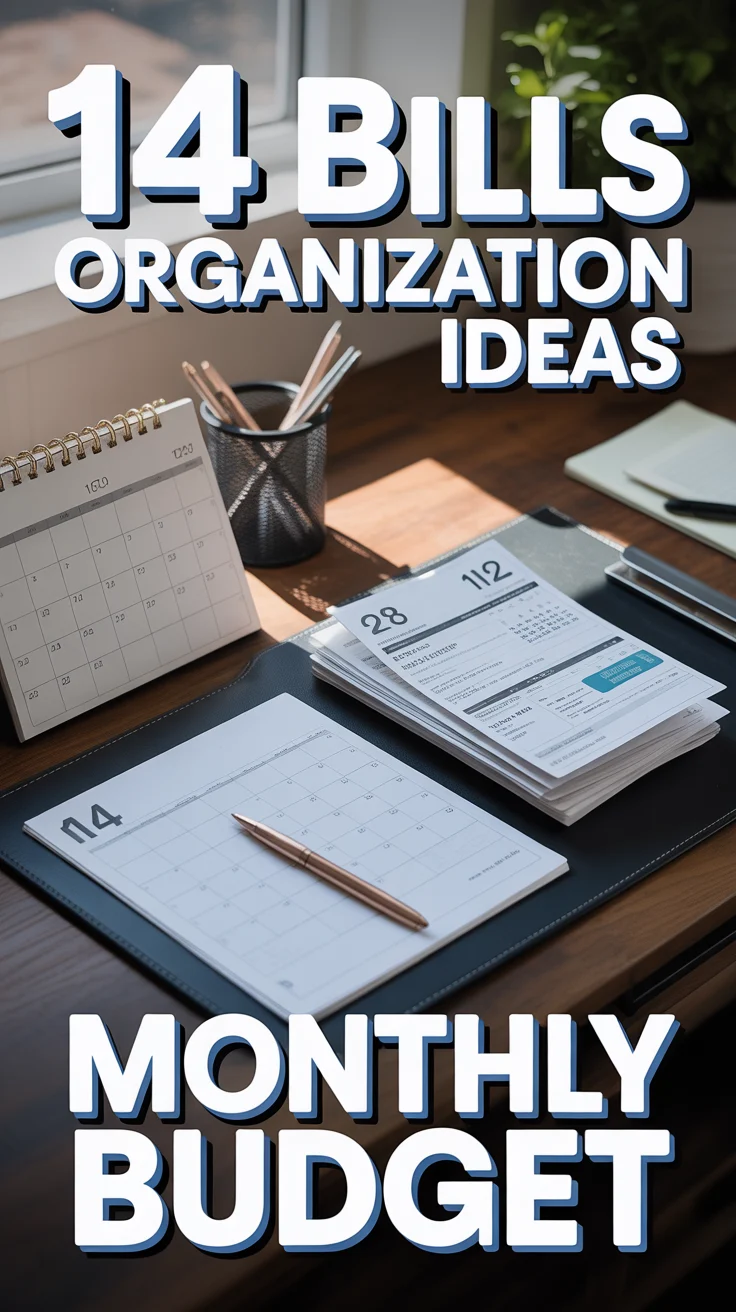
🗓️ 14 Bills Organization Ideas Monthly Budget
📚 The Financial Literacy Library
The best investment you can ever make is in your own financial education. These 5 cornerstone books are what millionaires, financial advisors, and wealth-builders universally recommend for completely rewiring how you think about earning, saving, and investing money.
🧠 The Psychology of Money
Doing well with money isn't necessarily about what you know—it's about how you behave. Morgan Housel masterfully breaks down the emotional and psychological biases that secretly dictate our financial decisions, offering a true paradigm shift in how to view wealth.
🏠 Rich Dad Poor Dad
The #1 personal finance book of all time for a reason. This foundational read shatters the myth that you need to earn a high income to be rich, teaching you the critical difference between working for money and making your money work for you via assets.
📈 Atomic Habits
While not strictly a finance book, building wealth is absolutely dependent on the daily habits you cultivate. James Clear provides the definitive framework for breaking bad spending habits and effortlessly automating the good ones that lead to long-term success.
📊 The Simple Path to Wealth
The ultimate antidote to complex, intimidating financial advice. JL Collins provides an incredibly accessible, low-stress roadmap to financial independence through index fund investing, perfectly explaining why simplicity beats Wall Street complexity every time.
💳 I Will Teach You to Be Rich
A tactical, no-BS, 6-week program that actually works. Ramit Sethi teaches you how to crush debt, automate your savings, and negotiate your salary—all while guilt-free spending on the things you truly love. A must-read for modern money management.
1. Digital Dashboard Domination
Drowning in paper statements? Girl, bye. Consolidate all your financial info into one glorious digital hub. Think banking apps, budgeting software, or even a simple spreadsheet that links to your accounts. This method gives you a panoramic view of your financial landscape without the paper cuts.
Pro tip: Pick one app and stick with it. Jumping between five different platforms just creates more chaos. Find one that works for you and master it.
Why it works: You see all your bills, income, and spending in one place. No more guessing games, just pure, unadulterated financial clarity.
2. Automate All The Things
Forget the stress of missing a payment and incurring those nasty late fees. Set up auto-pay for every single recurring bill. Seriously, do it now. Rent, utilities, subscriptions, loans – if it’s predictable, automate it.
Pro tip: Schedule payments to go out a few days before the actual due date. This gives you a buffer for any bank processing delays or unexpected hiccups. Your future self will thank you.
Why it works: Eliminates human error and frees up precious brain space. Your bills get paid on time, every time, without you lifting a finger.
3. The “Due Date” Dance Card
Juggling a gazillion due dates can feel like a financial circus act. Create a master list of every single bill and its due date. Then, organize them chronologically, perhaps aligning them with your paychecks.
Pro tip: Group bills. If you get paid bi-weekly, assign certain bills to the first paycheck and others to the second. This prevents one paycheck from getting completely obliterated.
Why it works: You gain control over your cash flow and can anticipate exactly when money leaves your account. No more nasty surprises!
4. Envelope System 2.0
The old-school cash envelope system got a trendy upgrade. Instead of physical envelopes, use a budgeting app that allows you to “digitally” allocate funds for variable expenses like groceries, dining out, or entertainment. When the “envelope” is empty, you stop spending in that category.
Pro tip: Be realistic with your allocations. Don’t starve your grocery envelope then wonder why you’re ordering takeout every night. Adjust as needed.
Why it works: It puts a hard stop on overspending in specific categories, making sure you stick to your budget without constant mental gymnastics.
5. The Budget Buddy System
Need a little accountability? Find a trusted friend, partner, or family member who also wants to get their finances in order. Share your budget goals and check in with each other regularly. It’s like a workout buddy, but for your wallet.
Pro tip: Set up a weekly or bi-weekly “money date” to review your progress, celebrate wins, and troubleshoot challenges. Make it fun, maybe with coffee!
Why it works: External motivation keeps you honest and provides a sounding board for financial decisions. Two heads are better than one, especially when it comes to dodging impulse buys.
6. Recurring Bill Review Rendezvous
Are you still paying for that streaming service you signed up for during a free trial and completely forgot about? Monthly, dedicate 15 minutes to review all your recurring subscriptions and memberships. Cancel anything you don’t use or need.
Pro tip: Use a subscription tracking app. They often highlight forgotten services you’re still paying for, acting like a digital detective for your dollars.
Why it works: Uncovers hidden money leaks and frees up cash you didn’t even know you had. It’s like finding money in your old jeans, but better.
7. The “Future Bills” Folder
Anticipate, don’t react. Create a dedicated physical or digital folder for bills that have arrived but aren’t due yet. As soon as a bill comes in, pop it into this folder. When your “Bill Pay Day” rolls around, everything is neatly waiting for you.
Pro tip: If it’s a paper bill, scan it immediately and save it to a cloud service. Then, you can shred the paper version. Less clutter, more peace.
Why it works: Prevents bills from getting lost in the shuffle and eliminates those last-minute, frantic searches. You’re always one step ahead.
8. Calendar Color-Coding Caper
Make your digital calendar pop with purpose. Assign different colors to various types of bills. For example, rent is red, utilities are blue, credit cards are green. This visual system instantly communicates your financial obligations.
Pro tip: Use a shared digital calendar (like Google Calendar) if you manage finances with a partner. Everyone stays in the loop, no excuses.
Why it works: Visual cues make it easier to grasp your financial commitments at a glance. Your brain processes colors faster than text, making bill management less of a chore.
9. Side Hustle Savings Sprint
Got a side gig? Don’t just let that extra cash mingle with your regular income. Dedicate your side hustle earnings to specific financial goals, like paying down a high-interest debt or building your emergency fund. Give every dollar a mission.
Pro tip: Set up a separate bank account for your side hustle income. This makes it super easy to track and allocate those funds without confusion.
Why it works: Accelerates your financial progress and provides an extra boost to your budget without impacting your regular income. It’s like finding a cheat code for your money goals.
10. The Debt Avalanche/Snowball Shuffle
Tackle debt like a boss, not a bystander. Choose a strategy: the debt avalanche focuses on paying off debts with the highest interest rates first, saving you money in the long run. The debt snowball tackles the smallest debts first, giving you quick wins and motivation.
Pro tip: Whichever method you choose, automate your extra payments. Consistency is key to crushing debt.
Why it works: Provides a clear roadmap to becoming debt-free, boosting your credit score and freeing up future income for fun stuff.
11. Emergency Fund Fortress
Life happens, and sometimes it throws expensive curveballs. Build an emergency fund to cover unexpected expenses like car repairs, medical emergencies, or job loss. Aim for at least three to six months of living expenses, tucked away in a separate, easily accessible savings account.
Pro tip: Start small. Even saving $25 a week adds up. Make it an automated transfer every payday, and watch it grow without thinking about it.
Why it works: Acts as your financial superhero, preventing you from going into debt when unforeseen circumstances arise. Peace of mind is priceless, my friend.
12. Zero-Based Budgeting Blitz
Give every single dollar a job. With zero-based budgeting, you allocate every dollar of your income to a specific category (bills, savings, fun money) until you have exactly zero dollars left to assign. It forces you to be intentional with your money.
Pro tip: This method works best with a detailed budgeting app that allows for granular tracking. You want to see where every penny goes.
Why it works: Maximizes your money’s potential by ensuring no dollar is left aimlessly wandering. You become the ultimate boss of your cash.
13. The “Bill Pay Day” Ritual
Pick one specific day or evening each month to review and pay all your bills. Make it a ritual. Maybe it’s the first Saturday of the month, or the day after your main paycheck hits. Pair it with something you enjoy, like a fancy coffee or your favorite podcast.
Pro tip: Stick to your chosen day religiously. Consistency turns a chore into a habit, and habits are powerful.
Why it works: Creates a dedicated, consistent time for financial tasks, ensuring nothing falls through the cracks. You tackle everything at once and then forget about it until next month.
14. Future Goals Vision Board
Why are you even doing all this budgeting wizardry? Visualize your financial goals! Whether it’s a down payment on a house, a dream vacation, or early retirement, create a digital or physical vision board. Keep it somewhere you see it daily.
Pro tip: Make it digital and set it as your phone or computer background. Constant visual reminders keep your ‘why’ front and center.
Why it works: Provides powerful motivation to stick to your budget and organizational systems. When you connect your daily money habits to your biggest dreams, magic happens.
💼 The Money Management Toolkit
Knowledge is power, but proper execution requires the right tools. Getting your financial life organized doesn't have to be overwhelming. These 5 physical management tools are exactly what successful households use to budget, track cash, and secure their most important assets.
📝 Clever Fox Budget Planner & Bill Organizer
The ultimate analog command center for your finances. Sometimes keeping your budget in an app just doesn't stick. Physically writing down your goals, tracking expenses, and planning for debt payoff creates a level of accountability that digital spreadsheets simply can't match.
💵 A6 Leather Cash Stuffing Binder
The viral tool that made the cash-envelope budgeting system popular again. By allocating actual physical cash to designated envelopes (groceries, dining out, fun money), you physically cap your spending, making it virtually impossible to overdraft or overspend.
🔥 Fireproof & Waterproof Document Safe
A critical piece of financial security that many families overlook. Protecting your passports, birth certificates, property deeds, and estate planning documents from disaster is just as important as protecting the money in your bank account.
🏷️ Brother P-Touch Digital Label Maker
The unsung hero of a functional home office. When tax season rolls around or you need to find an important receipt, having perfectly labeled and categorized filing cabinets or accordion folders saves hours of frustrating searches and potential late fees.
🔒 SentrySafe Compact Fireproof Lock Box
For the physical assets that need extra heavy-duty protection—think emergency cash reserves, hard drives with Bitcoin cold wallets, or physical precious metals. This compact, locking safe provides peace of mind that your physical wealth is secure at home.
Conclusion
Alright, financial rockstar, you’ve got the roadmap! Taming your bills and mastering your monthly budget doesn’t require a finance degree, just a little strategy and a whole lot of sass. Pick a few of these ideas, implement them, and watch your money mindset transform from “oh no” to “let’s go!” Your bank account (and your stress levels) will absolutely thank you. Now go forth and conquer those coins!