💰 12 Bank Statements 3 Months
📚 The Financial Literacy Library
The best investment you can ever make is in your own financial education. These 5 cornerstone books are what millionaires, financial advisors, and wealth-builders universally recommend for completely rewiring how you think about earning, saving, and investing money.
🧠 The Psychology of Money
Doing well with money isn't necessarily about what you know—it's about how you behave. Morgan Housel masterfully breaks down the emotional and psychological biases that secretly dictate our financial decisions, offering a true paradigm shift in how to view wealth.
🏠 Rich Dad Poor Dad
The #1 personal finance book of all time for a reason. This foundational read shatters the myth that you need to earn a high income to be rich, teaching you the critical difference between working for money and making your money work for you via assets.
📈 Atomic Habits
While not strictly a finance book, building wealth is absolutely dependent on the daily habits you cultivate. James Clear provides the definitive framework for breaking bad spending habits and effortlessly automating the good ones that lead to long-term success.
📊 The Simple Path to Wealth
The ultimate antidote to complex, intimidating financial advice. JL Collins provides an incredibly accessible, low-stress roadmap to financial independence through index fund investing, perfectly explaining why simplicity beats Wall Street complexity every time.
💳 I Will Teach You to Be Rich
A tactical, no-BS, 6-week program that actually works. Ramit Sethi teaches you how to crush debt, automate your savings, and negotiate your salary—all while guilt-free spending on the things you truly love. A must-read for modern money management.
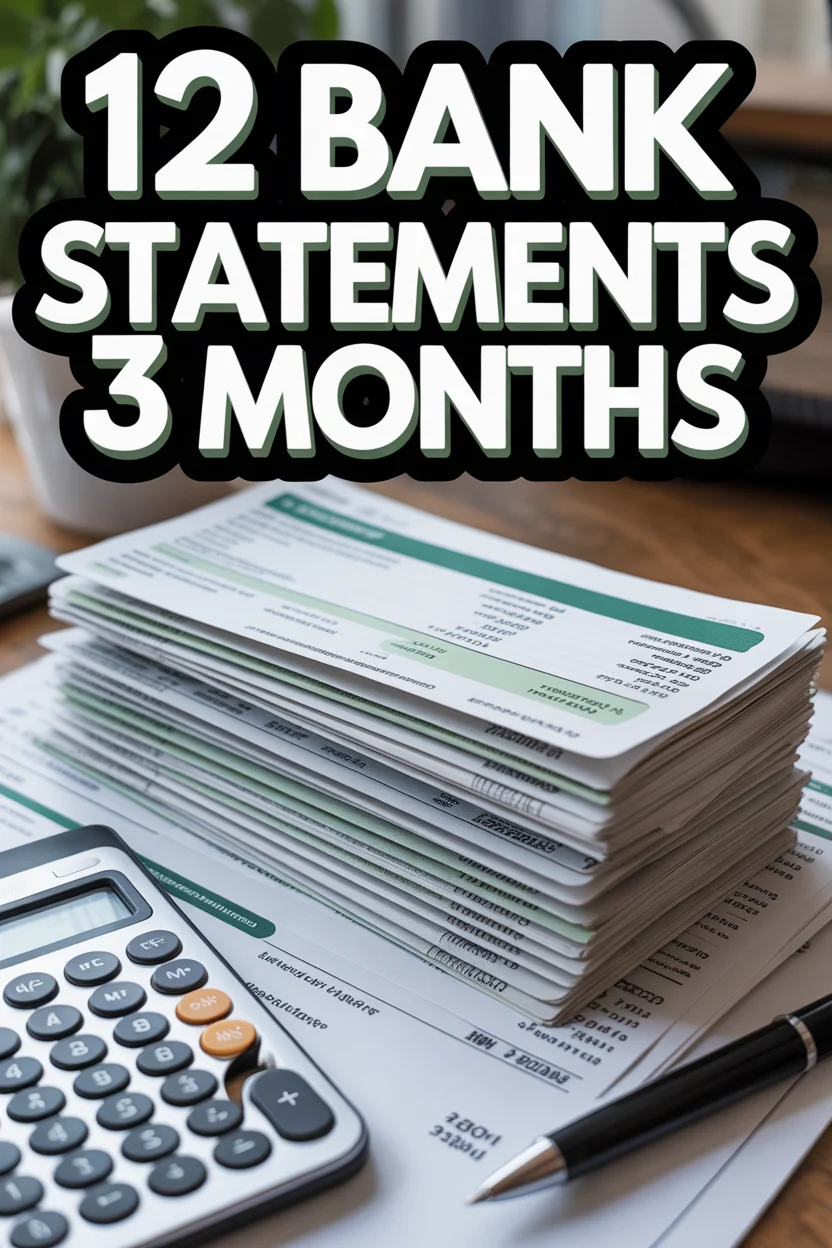
Alright, let’s talk about the unsung hero of adulting and the silent witness to your avocado toast addiction: your bank statements. Specifically, those crucial three months everyone suddenly wants to see. It’s like your financial diary, but instead of angsty poetry, it’s just a raw, unfiltered look at where your cash goes. And trust us, knowing why people care about these digital scrolls (or paper, if you’re retro) is basically a superpower. Get ready to decode the financial mysteries of your life, one transaction at a time.
1. Renting Your Dream Pad
So, you finally found the apartment, right? The one with the perfect light and suspiciously affordable rent. Your future landlord, however, isn’t just taking your word for it. They need those statements to confirm you’re not a financial ghost and can actually afford the monthly tab.
They’re checking for consistent income, ideally showing you earn at least 2.5-3x the rent. They also eye your spending habits. Do you consistently overdraw? That’s a big red flag. Pro tip: Make sure your current rent payments are clearly visible if you’re already renting; it’s a great sign of reliability. This process essentially tells them you’re a responsible human who pays bills on time, minimizing their risk.
2. Scoring That Sweet Loan
Whether it’s for new wheels, a personal project, or just consolidating some debt, lenders need proof you’re good for it. They aren’t just handing out cash willy-nilly, you know. Your bank statements give them the inside scoop on your financial health.
They look at your income stability, your regular expenses, and any existing debt payments. Essentially, they’re calculating your ability to take on more financial responsibility without crumbling. Pro tip: Try to keep your account balance looking healthy and avoid major overdrafts in those three months; it screams “I got this.” It proves you have a reliable income stream and manage your money well enough to make repayments.
3. Mortgage Mania
Buying a house? Congrats, you’re about to enter a world where every penny you’ve ever spent (or saved) becomes public record. Mortgage lenders are basically financial detectives, and your bank statements are their primary evidence.
They scrutinize everything: your down payment source, your debt-to-income ratio, and consistent savings patterns. They want to see that the money is truly yours and not a mysterious, recent gift that might disappear. Pro tip: Don’t make any huge, unexplained deposits right before applying; it looks suspicious and triggers questions. This deep dive ensures you’re financially robust enough for the biggest commitment of your life.
4. Student Loan Refinancing
Tired of those sky-high interest rates on your student loans? Refinancing can be a lifesaver, but the new lender needs to know you’re a better bet now than when you first signed up. Your bank statements tell that story.
They want to see that your income has improved since graduation and that you’re consistently managing your existing debt without struggling. It’s all about demonstrating a positive financial trajectory. Pro tip: Show consistent, on-time payments for your current student loans within those statements. This reassures them you’re a lower risk for a better rate.
5. Credit Card Applications
Applying for a premium credit card with all the fancy perks? Sometimes, your credit score isn’t enough. Issuers want to verify your income to ensure you can handle a higher credit limit and aren’t just collecting plastic.
They’re checking that your stated income on the application aligns with your actual earnings shown in your bank deposits. It’s a simple verification step. Pro tip: Make sure your employment income is clearly identifiable. It helps them confidently assess your capacity for higher credit limits and exclusive card benefits.
6. Visa and Immigration Applications
Planning to live, work, or study abroad? Many countries require proof you can support yourself financially without becoming a burden on their system. Your bank statements are your passport to financial solvency in a new land.
They look for sufficient funds to cover your stay, consistent income if you’re working, and sometimes even proof of existing financial ties to your home country. Pro tip: Highlight any significant savings or regular income from your home country to show stability. This crucial step proves you won’t be a financial drain on their resources.
7. Investment Account Openings
Ready to get serious about your money’s future and dive into the world of investing? Some brokerages, especially for higher-tier or specific types of accounts, might ask for proof of funds or your income source. They’re not being nosy, just compliant.
This is often a regulatory requirement to prevent money laundering and ensure you meet minimum investment thresholds. They want to see where your money is coming from. Pro tip: Have a clear paper trail for any large transfers into your investment account. It ensures you meet necessary requirements and keeps everything above board.
8. Business Loan Applications
If you’re an entrepreneur chasing that small business dream, your personal bank statements can often play a surprisingly big role. Especially for newer businesses, lenders often want to see that you, the owner, are financially stable.
They’re assessing your personal ability to support yourself while your business finds its feet. A struggling owner is a struggling business in their eyes. Pro tip: While you should keep personal and business finances separate, be ready to show both if asked. It reassures lenders you won’t starve while building your empire.
9. Utility Service Setup
Just moved into your new pad and need to get the lights on, internet flowing, and water running? Sometimes, utility companies ask for proof of address and your ability to pay, especially if you have a limited credit history.
They’re essentially checking that you’re a real person living at that address and capable of paying your bills. It’s a quick risk assessment. Pro tip: Use statements with your new address clearly visible to kill two birds with one stone. This simple step helps them reduce the risk of non-payment.
10. Insurance Claims
When life throws a curveball and you need to make a big insurance claim (think income protection, disability, or a major loss), your insurer might need to verify your financial standing. They’re not trying to be difficult, just thorough.
They’ll want to verify your income lost or the financial impact of the event. It helps them accurately assess the payout. Pro tip: Keep clear records of your regular paychecks and any other income sources. It helps them confirm the financial hit you’ve taken.
11. Legal Proceedings
Navigating the less fun side of adulting, like divorce, alimony, or child support cases? Courts often require detailed financial disclosures from all parties involved. Your bank statements become key evidence.
They use these to determine income, assets, and liabilities to ensure fair and accurate support payments or asset division. Every transaction gets a look. Pro tip: Be meticulously honest; discrepancies will definitely bite you later. It ensures a transparent and equitable financial assessment in legal matters.
12. Financial Review with an Advisor
Finally ready to get your money game in shape? A good financial advisor won’t just take your word for it. They’ll want to see your actual spending habits, not just what you think you spend, to give you the best advice.
This provides a realistic snapshot of your income, expenses, and savings, allowing them to create a truly tailored plan. It’s like a financial check-up. Pro tip: Don’t try to “clean up” your statements; transparency helps them help you much better. This honest overview provides the foundation for truly effective financial guidance.
💼 The Money Management Toolkit
Knowledge is power, but proper execution requires the right tools. Getting your financial life organized doesn't have to be overwhelming. These 5 physical management tools are exactly what successful households use to budget, track cash, and secure their most important assets.
📝 Clever Fox Budget Planner & Bill Organizer
The ultimate analog command center for your finances. Sometimes keeping your budget in an app just doesn't stick. Physically writing down your goals, tracking expenses, and planning for debt payoff creates a level of accountability that digital spreadsheets simply can't match.
💵 A6 Leather Cash Stuffing Binder
The viral tool that made the cash-envelope budgeting system popular again. By allocating actual physical cash to designated envelopes (groceries, dining out, fun money), you physically cap your spending, making it virtually impossible to overdraft or overspend.
🔥 Fireproof & Waterproof Document Safe
A critical piece of financial security that many families overlook. Protecting your passports, birth certificates, property deeds, and estate planning documents from disaster is just as important as protecting the money in your bank account.
🏷️ Brother P-Touch Digital Label Maker
The unsung hero of a functional home office. When tax season rolls around or you need to find an important receipt, having perfectly labeled and categorized filing cabinets or accordion folders saves hours of frustrating searches and potential late fees.
🔒 SentrySafe Compact Fireproof Lock Box
For the physical assets that need extra heavy-duty protection—think emergency cash reserves, hard drives with Bitcoin cold wallets, or physical precious metals. This compact, locking safe provides peace of mind that your physical wealth is secure at home.
Conclusion
So there you have it, folks. Those three little months of bank statements are more than just numbers on a screen; they’re your financial autobiography, a testament to your habits, and often, the key to unlocking your next big life move. Keep ’em tidy, understand what they say about you, and embrace the power of knowing your money story. It’s not just about what you earn, but how you manage it that truly matters. Now go forth and conquer your financial future!