💸 How To Pay Off Credit Cards
📚 The Financial Literacy Library
The best investment you can ever make is in your own financial education. These 5 cornerstone books are what millionaires, financial advisors, and wealth-builders universally recommend for completely rewiring how you think about earning, saving, and investing money.
🧠 The Psychology of Money
Doing well with money isn't necessarily about what you know—it's about how you behave. Morgan Housel masterfully breaks down the emotional and psychological biases that secretly dictate our financial decisions, offering a true paradigm shift in how to view wealth.
🏠 Rich Dad Poor Dad
The #1 personal finance book of all time for a reason. This foundational read shatters the myth that you need to earn a high income to be rich, teaching you the critical difference between working for money and making your money work for you via assets.
📈 Atomic Habits
While not strictly a finance book, building wealth is absolutely dependent on the daily habits you cultivate. James Clear provides the definitive framework for breaking bad spending habits and effortlessly automating the good ones that lead to long-term success.
📊 The Simple Path to Wealth
The ultimate antidote to complex, intimidating financial advice. JL Collins provides an incredibly accessible, low-stress roadmap to financial independence through index fund investing, perfectly explaining why simplicity beats Wall Street complexity every time.
💳 I Will Teach You to Be Rich
A tactical, no-BS, 6-week program that actually works. Ramit Sethi teaches you how to crush debt, automate your savings, and negotiate your salary—all while guilt-free spending on the things you truly love. A must-read for modern money management.
The weight of credit card debt can feel like a heavy anchor, dragging down your dreams and stealing your peace of mind. It’s a common struggle, but one that you absolutely have the power to overcome. Imagine a future where your money works for you, not against you – a future free from the stress of high-interest payments and overdue notices. This guide is your friendly, motivational roadmap to reclaiming your financial freedom, providing practical steps, smart strategies, and a wealth-building mindset that will transform your relationship with money forever.
Quick Overview
Ready to ditch the debt and embrace a life of financial control? This guide will walk you through the essential steps to conquer your credit card balances, build smart money habits, and set the foundation for a thriving financial future.
Time needed: Approximately 2-3 hours for initial setup and organization, with ongoing commitment and review.
Difficulty: Beginner
What you’ll need: Your credit card statements, bank statements, a pen and paper or a spreadsheet, internet access, and a strong dose of determination.
Step-by-Step Instructions
Step 1: Confront Your Debt & Get Organized
The first, and often hardest, step is to face your financial reality head-on. It might feel scary, but knowledge is power. Gather all your credit card statements, login to your online accounts, and create a clear picture of what you owe.
List out every credit card you have, along with the following crucial details:
- Card Name: (e.g., Visa, Mastercard, Store Card)
- Current Balance: The total amount you owe.
- Interest Rate (APR): This is incredibly important. The higher the APR, the more expensive the debt.
- Minimum Payment: The smallest amount you can pay each month to keep your account in good standing.
Seeing all your debts laid out in front of you can be a powerful motivator. It transitions the abstract “debt” into concrete numbers you can tackle.
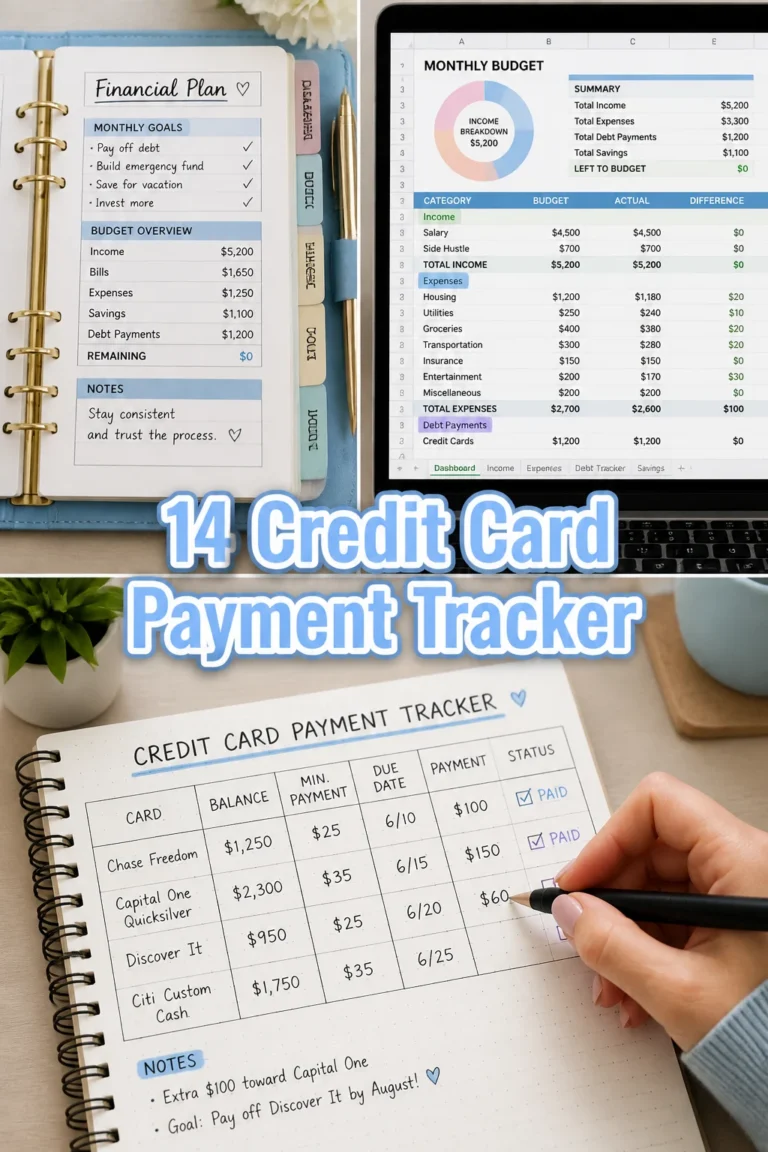
Pro tip: Use a simple spreadsheet (Google Sheets or Excel) to organize this information. It makes tracking easier and allows you to quickly sort by balance or interest rate, which will be helpful for the next steps.
Step 2: Build a Realistic Budget (and Stick to It!)
A budget isn’t about restriction; it’s about freedom. It’s a plan for your money that tells every dollar where to go, instead of wondering where it went. This step is non-negotiable for paying off debt and building wealth.
Start by tracking your income and expenses for at least a month. You can use budgeting apps, a spreadsheet, or even a notebook. Categorize everything: housing, utilities, groceries, transportation, entertainment, dining out, subscriptions, etc.
Once you see where your money is actually going, you can identify areas to trim. Be honest with yourself. Do you really need all those streaming services? Can you pack your lunch instead of buying it? Every dollar you save can be redirected to your debt.
A popular framework is the 50/30/20 Rule:
- 50% for Needs: Housing, utilities, groceries, transportation, minimum debt payments.
- 30% for Wants: Dining out, entertainment, hobbies, new clothes, subscriptions.
- 20% for Savings & Debt Repayment: This is where you’ll make significant progress on your credit cards and build your future wealth.
Adjust these percentages to fit your unique situation, but always prioritize increasing that 20% for debt repayment and savings.
Pro tip: Don’t make your budget so tight that it’s unsustainable. Allow for some “fun money” to avoid burnout, but be mindful of your overall goal. Consistency beats perfection.
Step 3: Choose Your Debt Payoff Strategy
Now that you know what you owe and where your money is going, it’s time to pick a battle plan. There are two popular and highly effective strategies:
1. The Debt Snowball Method:
- List your debts from the smallest balance to the largest, regardless of interest rate.
- Pay the minimum on all debts except the smallest one.
- Throw every extra dollar you can find at that smallest debt.
- Once the smallest debt is paid off, take the money you were paying on it (minimum + extra) and add it to the minimum payment of the next smallest debt.
- Repeat until all debts are gone.
Why it works: This method is a psychological powerhouse. Paying off that first small debt gives you a quick win, building momentum and motivation to keep going. It’s perfect if you need a boost to stay committed.
2. The Debt Avalanche Method:
- List your debts from the highest interest rate to the lowest, regardless of balance.
- Pay the minimum on all debts except the one with the highest interest rate.
- Throw every extra dollar you can find at that highest interest rate debt.
- Once the highest interest debt is paid off, take the money you were paying on it (minimum + extra) and add it to the minimum payment of the next highest interest rate debt.
- Repeat until all debts are gone.
Why it works: This method saves you the most money in the long run because you’re attacking the most expensive debt first. It’s a purely mathematical approach and ideal if you’re highly disciplined.
Pro tip: There’s no “wrong” choice here. The best method is the one you’ll stick with. If you need quick wins to stay motivated, go with the snowball. If saving the most money is your primary driver, choose the avalanche. Run scenarios with an online debt payoff calculator to see the difference for your specific debts.
Step 4: Find Extra Cash (and Put It Towards Debt)
Your budget helps you cut expenses, but finding extra income can supercharge your debt payoff journey. Think creatively!
- Sell Unused Items: Declutter your home and list items on platforms like Facebook Marketplace, eBay, or local consignment shops. That old bike, designer bag, or unused gadget could be hundreds of dollars closer to debt freedom.
- Temporary Side Hustle: Can you drive for a ride-sharing service, deliver food, freelance your skills (writing, graphic design, web design), or even babysit on weekends? Even a few extra hundred dollars a month can make a massive difference.
- Reduce Spending for a Month: Try a “no-spend” challenge for a week or a month, only buying absolute essentials. Cook all meals at home, cancel all non-essential subscriptions, and limit social outings. It’s a temporary sacrifice for a permanent gain.
- Negotiate Bills: Call your internet, cable, or cell phone provider and ask for a lower rate. Many companies will offer discounts to retain customers.
Every single extra dollar you earn or save should go directly towards your chosen debt payoff strategy. Don’t let it get absorbed into your regular spending.
Pro tip: Automate extra payments. Set up a transfer from your checking account to your credit card every time you get paid, even if it’s a small amount. “Out of sight, out of mind” can work in your favor here.
Step 5: Negotiate & Consolidate (If It Makes Sense)
Sometimes, you can get a little help from the system. Don’t be afraid to ask!
- Call Your Creditors: Pick up the phone and call your credit card companies. Explain your situation and ask if they can lower your interest rate. You might be surprised! A lower APR means more of your payment goes to the principal, not just interest.
- Balance Transfer Cards: If you have good credit, you might qualify for a 0% APR balance transfer credit card. This allows you to move your high-interest debt to a new card that offers 0% interest for an introductory period (e.g., 12-18 months). This can be a huge advantage, as 100% of your payments during that period go directly to the principal.
- Debt Consolidation Loan: This is a personal loan that you use to pay off all your credit cards. Ideally, it comes with a lower interest rate and a fixed monthly payment, simplifying your debt.
Caution: Balance transfer cards often have a transfer fee (usually 3-5% of the transferred amount), and if you don’t pay off the balance before the 0% APR period ends, the remaining balance will be subject to a much higher interest rate. Debt consolidation loans can also have fees. Always read the fine print and ensure these options truly benefit you and don’t just shift the problem around.
Pro tip: If you use a balance transfer card, cut up the old cards (or put them in a safe place) and commit to not using the new card for new purchases. This is a tool for debt elimination, not a license to spend more.
Step 6: Build an Emergency Fund (Even a Small One)
This step might seem counterintuitive when you’re focused on debt, but it’s crucial for preventing future debt. An emergency fund acts as your financial shock absorber.
Life happens: your car breaks down, you lose your job, or an unexpected medical bill arrives. Without an emergency fund, these events often lead right back to credit card debt. Your goal is to build a small buffer – ideally $1,000 to start – in a separate, easily accessible savings account.
Once you have your initial $1,000, you can continue aggressively paying off debt. After your credit cards are gone, you’ll then focus on building a more robust emergency fund (3-6 months of living expenses).
Pro tip: Treat your emergency fund savings like a bill. Automate a small transfer from your checking account to your dedicated emergency fund savings account each payday. Even $25 or $50 a week adds up quickly.
Step 7: Automate Payments & Monitor Progress
Consistency is key. Set yourself up for success by automating as much as possible and regularly checking in on your progress.
- Automate Minimum Payments: Set up automatic payments for at least the minimum amount due on all your credit cards. This ensures you never miss a payment, protecting your credit score and avoiding late fees.
- Automate Extra Payments: If you’ve found extra cash or identified budget cuts, automate those additional payments to your target debt. For example, if you’re using the snowball method, set up an automatic payment for your minimum + extra amount to your smallest debt.
- Regularly Review Statements: Don’t just pay and forget. Review your credit card statements and bank accounts monthly. Check for errors, track your spending, and celebrate how much your balance has decreased.
Seeing your balances shrink is incredibly motivating. Celebrate small victories – when you pay off that first card, when you hit a certain balance milestone, or when you save a significant amount of interest.
Pro tip: Visual reminders can be powerful. Create a “debt thermometer” or a spreadsheet where you color in progress. Seeing your debt decrease visually keeps you engaged and motivated.
Step 8: Change Your Relationship with Money (Long-Term Mindset)
Paying off credit cards is just the beginning. The ultimate goal is to build lasting financial health and wealth. This requires a fundamental shift in your mindset.
- Understand Your Spending Triggers: Why do you spend? Is it stress, boredom, social pressure, or a desire for instant gratification? Identifying these triggers helps you develop healthier coping mechanisms.
- Prioritize Financial Literacy: Continue learning about personal finance. Read books, listen to podcasts, follow reputable financial advisors online. The more you know, the better decisions you’ll make.
- Shift from Consumer to Investor: Once your high-interest debt is gone, redirect those payments towards investing. Start with your employer’s 401k (especially if there’s a match), then consider a Roth IRA or other investment vehicles. Compound interest, which worked against you with credit card debt, can now work for you.
- Set New Financial Goals: What do you want your money to do for you? Save for a down payment, retirement, your children’s education, or a dream vacation? Having clear goals keeps you focused and motivated to maintain good financial habits.
Pro tip: Find a financial mentor or an accountability partner. Someone who has achieved financial freedom can offer valuable advice, and having someone to check in with can keep you on track.
Common Mistakes to Avoid
Navigating debt repayment can be tricky. Here are some common pitfalls and how to steer clear of them:
- Ignoring the Problem: Burying your head in the sand only allows interest to compound and debt to grow. The longer you wait, the harder it becomes. The correct approach is to confront your debt, get organized, and create a plan (Step 1).
- Not Having a Budget: Without a clear understanding of your income and expenses, you’re flying blind. You can’t make informed decisions about where to cut or how much extra to pay towards debt. The correct approach is to meticulously track your money and build a realistic budget (Step 2).
- Falling into the “Minimum Payment Trap”: Only paying the minimum on high-interest credit cards means you’re primarily paying interest, barely touching the principal. This keeps you in debt for decades. The correct approach is to choose a debt payoff strategy (snowball or avalanche) and consistently pay more than the minimum (Step 3 & 4).
- Opening New Credit Cards While Paying Off Old Ones: This is like trying to bail out a sinking boat with a hole in the bottom. It adds new debt, complicates your repayment plan, and can make your situation worse. The correct approach is to freeze new credit card applications and focus solely on eliminating existing debt.
- Not Building an Emergency Fund: Without a financial safety net, any unexpected expense (car repair, medical bill) will likely send you right back into credit card debt. The correct approach is to build a small emergency fund before or during your debt payoff journey (Step 6).
Troubleshooting
Even with the best intentions, you might hit some bumps in the road. Here’s how to navigate common issues:
- “I can’t afford even the minimum payments.”
Solution: Don’t panic. Immediately contact your credit card companies. Explain your situation and ask about hardship programs, lower interest rates, or payment plans. They might be willing to work with you to avoid default. You can also explore non-profit credit counseling services, which can help you create a debt management plan.
- “I keep spending more than I earn, even with a budget.”
Solution: This often points to a need for a tighter budget review or identifying emotional spending triggers. Go back to your budget (Step 2) and track every single penny for a week or two. Be brutally honest about “wants” vs. “needs.” Consider a temporary “cash-only” system for discretionary spending to make overspending more tangible. Find an accountability partner who can help keep you on track.
- “I feel overwhelmed and demotivated.”
Solution: This is normal! Debt payoff is a marathon, not a sprint. Break down your big goal into smaller, achievable milestones. Focus on paying off just one small card. Remind yourself of your “why” – the freedom, the peace of mind, the future opportunities. Visualize your debt-free life. Celebrate every small win, no matter how tiny it seems. Read success stories from others who have paid off debt for inspiration.
Key Takeaways
- Knowledge is Power: Understand exactly what you owe and to whom.
- Budgeting is Essential: Create a realistic plan for your money and stick to it.
- Choose Your Strategy: Pick the debt snowball or avalanche method based on your motivation.
- Extra Payments Accelerate Freedom: Every extra dollar makes a difference.
- Emergency Fund Protects Progress: Build a buffer to prevent new debt.
- Mindset Shift is Key: Transform your relationship with money for lasting wealth.
Frequently Asked Questions
Q: Is it better to use the snowball or avalanche method?
A: The best method is the one you can stick with. The avalanche method saves you the most money by targeting high-interest debt first. The snowball method provides psychological wins by eliminating small debts quickly, keeping you motivated. Choose what aligns with your personality and discipline.
Q: Can I negotiate with credit card companies?
A: Yes, absolutely! It never hurts to call and ask for a lower interest rate, especially if you have a good payment history or are experiencing financial hardship. Be polite, firm, and explain your situation clearly.
Q: Should I close credit cards once they’re paid off?
A: Generally, no. Closing old, paid-off credit cards can actually hurt your credit score by reducing your overall available credit and shortening your credit history. It’s usually better to keep them open (but unused) to maintain a healthy credit utilization ratio and a longer credit history. Just make sure to put them away and resist the temptation to use them.
Q: How long will it take to pay off my cards?
A: This depends entirely on the total amount of your debt, your interest rates, and how much extra you can pay each month beyond the minimums. Use an online debt payoff calculator to input your specific numbers and get an estimate. The more aggressively you pay, the faster you’ll be debt-free!
What’s Next?
Congratulations on taking the first (or next!) step towards financial freedom! Paying off credit cards is a massive accomplishment, but your financial journey doesn’t end there.
Once your credit card debt is gone, redirect the money you were paying towards debt into building your wealth. Consider these next steps:
- Build a Robust Emergency Fund: Aim for 3-6 months of essential living expenses.
- Start Investing: Begin contributing to retirement accounts like a 401k (especially if your employer offers a match – that’s free money!) or a Roth IRA.
- Save for Big Goals: Whether it’s a down payment on a house, your children’s education, or a dream vacation, set clear savings goals.
- Continue Your Financial Education: Keep reading, learning, and expanding your money-smart knowledge.
- Improve Your Credit Score: A good credit score opens doors to better loan rates for mortgages and cars.
Remember, this is your journey. You have the power to change your financial future. Don’t wait another day – take action now. Your future self will thank you.