💰 14 Bills Paid Debt Cleared Financially Free
📚 The Financial Literacy Library
The best investment you can ever make is in your own financial education. These 5 cornerstone books are what millionaires, financial advisors, and wealth-builders universally recommend for completely rewiring how you think about earning, saving, and investing money.
🧠 The Psychology of Money
Doing well with money isn't necessarily about what you know—it's about how you behave. Morgan Housel masterfully breaks down the emotional and psychological biases that secretly dictate our financial decisions, offering a true paradigm shift in how to view wealth.
🏠 Rich Dad Poor Dad
The #1 personal finance book of all time for a reason. This foundational read shatters the myth that you need to earn a high income to be rich, teaching you the critical difference between working for money and making your money work for you via assets.
📈 Atomic Habits
While not strictly a finance book, building wealth is absolutely dependent on the daily habits you cultivate. James Clear provides the definitive framework for breaking bad spending habits and effortlessly automating the good ones that lead to long-term success.
📊 The Simple Path to Wealth
The ultimate antidote to complex, intimidating financial advice. JL Collins provides an incredibly accessible, low-stress roadmap to financial independence through index fund investing, perfectly explaining why simplicity beats Wall Street complexity every time.
💳 I Will Teach You to Be Rich
A tactical, no-BS, 6-week program that actually works. Ramit Sethi teaches you how to crush debt, automate your savings, and negotiate your salary—all while guilt-free spending on the things you truly love. A must-read for modern money management.
Ever dream of a world where your bank account doesn’t give you the side-eye every time you check it? A place where “debt” is just a dusty old word you vaguely remember from history class? Yeah, us too. Getting your financial ducks in a row isn’t just for the super-rich or those finance gurus who actually enjoy spreadsheets. It’s for anyone ready to ditch the money stress and actually live a little. Let’s be real, adulting is hard enough without playing hide-and-seek with your bills. So, grab your favorite beverage – maybe skip the fancy latte for now, just kidding (mostly) – and let’s dive into some juicy strategies to get you feeling financially fabulous.

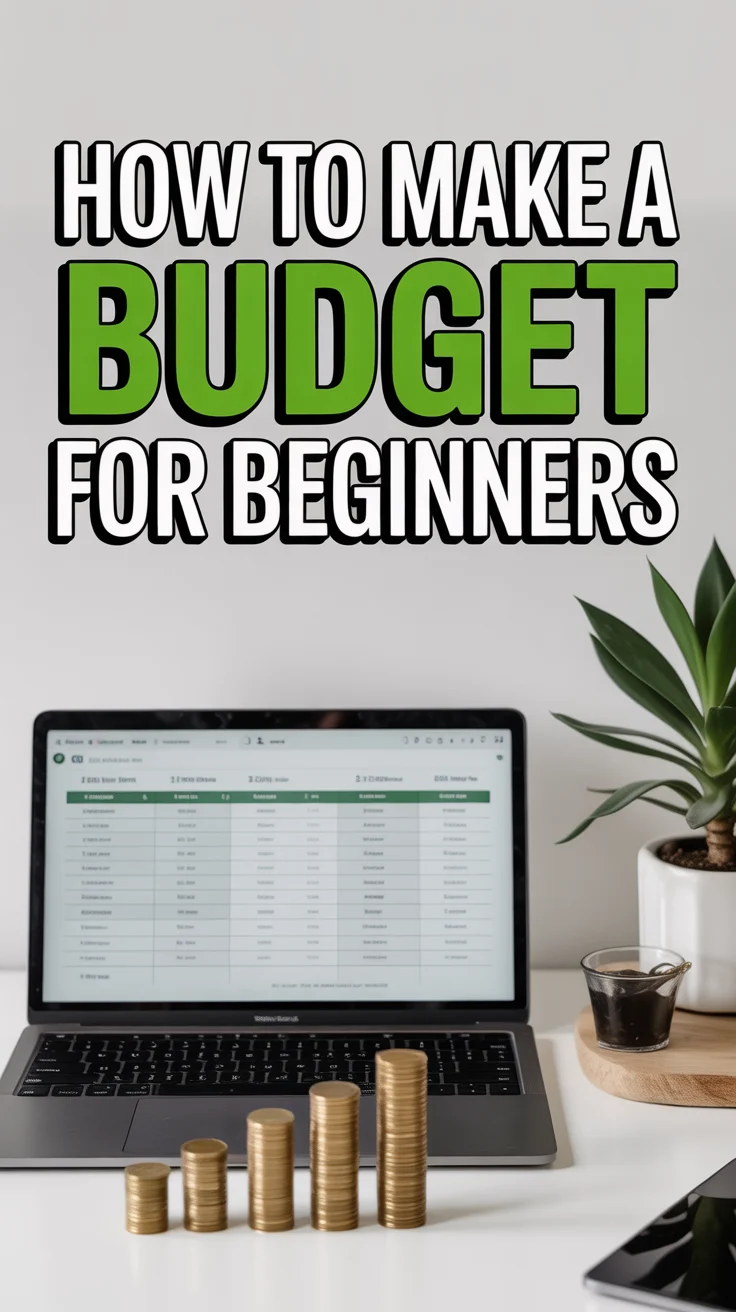
1. Embrace the Budget (Gasp!)
Okay, so “budget” isn’t exactly a party word, but hear us out. It’s not about deprivation; it’s about giving every dollar a job so it doesn’t wander off to buy things you didn’t even want. Think of it as your money’s personal assistant, keeping everything organized.
You’ll finally know where your cash actually goes, which is probably not what you’re guessing. Pro tip: Try the 50/30/20 rule (needs/wants/savings) as a starting point, then tweak it until it feels like a comfy pair of jeans, not a straitjacket. Knowing your numbers is the first step to telling your money what to do, instead of the other way around.
This works because awareness is power. Once you see the leaks, you can plug ’em and redirect that cash flow.
2. Pick Your Debt-Slaying Weapon
Debt is like that one friend who overstays their welcome. Time to kick it out! The two big strategies are the debt snowball (pay smallest debt first for motivational wins) or the debt avalanche (pay highest interest debt first to save money). Choose your fighter.
Both methods give you a clear path to becoming debt-free, which is a glorious feeling, trust us. Pro tip: Whatever method you choose, commit to it like it’s your new favorite Netflix series. Consistency is key here. You’ll build momentum and see those balances shrink faster than you think.
This works because a structured approach turns an overwhelming problem into manageable steps.
3. Build Your Emergency Fund (Your Financial Superhero Cape)
Life loves throwing curveballs, right? A flat tire, a leaky roof, or an unexpected trip to the vet can derail your finances faster than you can say “oops.” An emergency fund is your shield against these financial surprises.
Aim for at least 3-6 months of essential living expenses tucked away in an easily accessible, but separate, savings account. Pro tip: Start small. Even $500-$1,000 can prevent you from reaching for a credit card when disaster strikes. Every little bit protects your progress. This fund keeps you from diving back into debt when life happens.
This works because it creates a buffer, preventing minor setbacks from becoming major financial crises.
4. Unleash Your Inner Side Hustle Guru
Got some extra time or a hidden talent? Turn it into cash! Whether it’s dog walking, freelance writing, selling crafts online, or teaching a skill, a side hustle can seriously accelerate your debt repayment or savings goals.
Think beyond the traditional 9-to-5. Your skills are valuable, and someone out there needs them. Pro tip: Focus on something you genuinely enjoy or are already good at. It makes the “hustle” feel less like work and more like a fun way to pad your wallet. Extra income means extra power to smash those financial goals.
This works by adding fuel to your financial fire, speeding up your journey to freedom.
5. Automate Your Savings (Set It and Forget It)
We’re all busy, and sometimes remembering to transfer money to savings feels like another chore. So, don’t remember! Set up automatic transfers from your checking to your savings account right after payday.
Even small, consistent amounts add up like magic over time. You won’t miss the money if you never see it in your checking account. Pro tip: Treat your savings transfer like a non-negotiable bill. Pay yourself first, always. It’s the easiest way to make sure your future self thanks you. Your money grows without you even thinking about it.
This works because it removes the temptation to spend by making saving a default action.
6. Channel Your Inner Deal-Maker (Negotiate Bills)
Many of your monthly bills aren’t set in stone. Your internet, cable, phone, and even insurance providers often have wiggle room. A quick phone call can sometimes save you a significant chunk of change.
Do a little research on competitor prices before you call, so you have some leverage. Pro tip: Be polite but firm. Mention you’re considering switching providers and see what they can offer. You’d be surprised how often they’ll lower your rate or offer a better package to keep you. A few minutes on the phone could save you hundreds annually.
This works by actively reducing your recurring expenses without sacrificing services.
7. Audit Your Subscriptions (Do You Really Need All Seven Streaming Services?)
Subscription services are like silent assassins of your bank account. They’re often small, but they add up quickly. Take an hour to list every single recurring payment you have.
Cancel anything you haven’t used in the last month or two. Be ruthless. Pro tip: Many apps and services offer annual discounts if you commit. If you use something regularly, check if switching to an annual plan saves you money in the long run. Free up that cash for things you actually value, like paying off debt or saving for something fun.
This works by eliminating unnecessary drains on your budget, freeing up cash for priorities.
8. Master the Art of Meal Prep (Your Wallet Will Thank You)
Eating out is a convenience, but it’s also a major budget buster. Planning and preparing your meals at home can save you a ridiculous amount of money, plus it’s often healthier.
Dedicate an hour or two on the weekend to plan your meals and prep ingredients. Pro tip: Start with simple, versatile recipes that use common ingredients. Think big batches of grains, roasted veggies, or grilled chicken that you can mix and match. Less impulse spending on overpriced lunches means more money for your goals.
This works by directly reducing one of the biggest discretionary spending categories for most people.
9. Track Every Single Penny (Where Does It All Go, Anyway?)
You might think you know where your money goes, but until you track it, you’re just guessing. Use an app, a spreadsheet, or even a pen and paper to log every expense for a month.
This isn’t about judgment; it’s about observation. You’ll likely discover some surprising spending habits. Pro tip: Don’t try to change anything during your first tracking month. Just observe. The awareness itself will start to shift your behavior. Knowledge is power, especially when it comes to your cash flow.
This works by revealing your true spending patterns, highlighting areas for improvement.
10. Declutter for Dollars (Sell Your Unused Stuff)
Your closet, garage, and attic are probably goldmines waiting to be discovered. That designer bag you never use, those old electronics, or even furniture can fetch a decent price online.
It’s a win-win: you declutter your space and make some extra cash. Pro tip: Use platforms like Facebook Marketplace, eBay, or local consignment shops. Take good photos and be honest about the condition of items for quicker sales. Turn clutter into currency and boost your financial progress.
This works by providing an immediate, albeit temporary, influx of cash while also organizing your living space.
11. Get Smart About Investing (Compound Interest is Your BFF)
Once you’ve got your debt under control and an emergency fund built, start thinking about making your money work for you. Investing isn’t just for Wall Street types; even small amounts can grow significantly over time thanks to compound interest.
Learn the basics, understand your risk tolerance, and consider low-cost index funds or ETFs. Pro tip: Start with your employer’s 401(k) if they offer a match – it’s literally free money! The earlier you start, the more time your money has to grow. Let your money do some heavy lifting for your future self.
This works by leveraging the power of time and growth to build long-term wealth.
12. Review Your Insurance Policies (Don’t Overpay for Peace of Mind)
Insurance is essential, but are you getting the best deal? Regularly review your car, home, health, and life insurance policies to ensure you have adequate coverage without overpaying.
Shop around for quotes from different providers at least once a year. Pro tip: Ask about bundling discounts or increasing your deductible to lower premiums (if you have a robust emergency fund to cover the higher deductible). A quick review can save you a surprising amount of money annually. You deserve smart savings.
This works by optimizing necessary expenses, ensuring you get value for your money.
13. Boost Your Financial Literacy (Knowledge is Power)
You don’t need a finance degree, but understanding basic financial concepts empowers you to make smarter decisions. Read books, listen to podcasts, or follow reputable financial blogs (like this one, wink wink).
Learn about interest rates, credit scores, investment types, and tax-advantaged accounts. Pro tip: Pick one financial topic a month to deep dive into. Even 15 minutes a day can build a solid foundation over time. The more you know, the better you can navigate your money journey.
This works by equipping you with the understanding needed to make informed and confident financial choices.
14. Set Clear, Achievable Goals (You Can’t Hit a Target You Can’t See)
Want to be debt-free? Great! But “debt-free” isn’t a goal; it’s a destination. Your goals should be specific, measurable, achievable, relevant, and time-bound (SMART, if you’re into acronyms).
Instead of “save money,” try “save $5,000 for a down payment by next year.” Pro tip: Break larger goals into smaller, manageable milestones. Celebrate each small win to stay motivated. A clear roadmap keeps you on track and makes success feel inevitable.
This works by providing direction and motivation, turning vague aspirations into actionable plans.
💼 The Money Management Toolkit
Knowledge is power, but proper execution requires the right tools. Getting your financial life organized doesn't have to be overwhelming. These 5 physical management tools are exactly what successful households use to budget, track cash, and secure their most important assets.
📝 Clever Fox Budget Planner & Bill Organizer
The ultimate analog command center for your finances. Sometimes keeping your budget in an app just doesn't stick. Physically writing down your goals, tracking expenses, and planning for debt payoff creates a level of accountability that digital spreadsheets simply can't match.
💵 A6 Leather Cash Stuffing Binder
The viral tool that made the cash-envelope budgeting system popular again. By allocating actual physical cash to designated envelopes (groceries, dining out, fun money), you physically cap your spending, making it virtually impossible to overdraft or overspend.
🔥 Fireproof & Waterproof Document Safe
A critical piece of financial security that many families overlook. Protecting your passports, birth certificates, property deeds, and estate planning documents from disaster is just as important as protecting the money in your bank account.
🏷️ Brother P-Touch Digital Label Maker
The unsung hero of a functional home office. When tax season rolls around or you need to find an important receipt, having perfectly labeled and categorized filing cabinets or accordion folders saves hours of frustrating searches and potential late fees.
🔒 SentrySafe Compact Fireproof Lock Box
For the physical assets that need extra heavy-duty protection—think emergency cash reserves, hard drives with Bitcoin cold wallets, or physical precious metals. This compact, locking safe provides peace of mind that your physical wealth is secure at home.
Conclusion
Alright, financial rockstar, you’ve got the lowdown! Ditching debt and building wealth isn’t some mythical quest; it’s a series of smart, consistent choices. It might feel like a marathon, but trust us, the finish line – that sweet, sweet feeling of financial freedom – is totally worth the effort. Imagine the peace of mind, the choices you’ll have, and the ability to say “yes” to the things that truly matter. Go forth, conquer those bills, clear that debt, and embrace your financially free fabulous self!