💰 25 Cent Savings Challenge
📚 The Financial Literacy Library
The best investment you can ever make is in your own financial education. These 5 cornerstone books are what millionaires, financial advisors, and wealth-builders universally recommend for completely rewiring how you think about earning, saving, and investing money.
🧠 The Psychology of Money
Doing well with money isn't necessarily about what you know—it's about how you behave. Morgan Housel masterfully breaks down the emotional and psychological biases that secretly dictate our financial decisions, offering a true paradigm shift in how to view wealth.
🏠 Rich Dad Poor Dad
The #1 personal finance book of all time for a reason. This foundational read shatters the myth that you need to earn a high income to be rich, teaching you the critical difference between working for money and making your money work for you via assets.
📈 Atomic Habits
While not strictly a finance book, building wealth is absolutely dependent on the daily habits you cultivate. James Clear provides the definitive framework for breaking bad spending habits and effortlessly automating the good ones that lead to long-term success.
📊 The Simple Path to Wealth
The ultimate antidote to complex, intimidating financial advice. JL Collins provides an incredibly accessible, low-stress roadmap to financial independence through index fund investing, perfectly explaining why simplicity beats Wall Street complexity every time.
💳 I Will Teach You to Be Rich
A tactical, no-BS, 6-week program that actually works. Ramit Sethi teaches you how to crush debt, automate your savings, and negotiate your salary—all while guilt-free spending on the things you truly love. A must-read for modern money management.
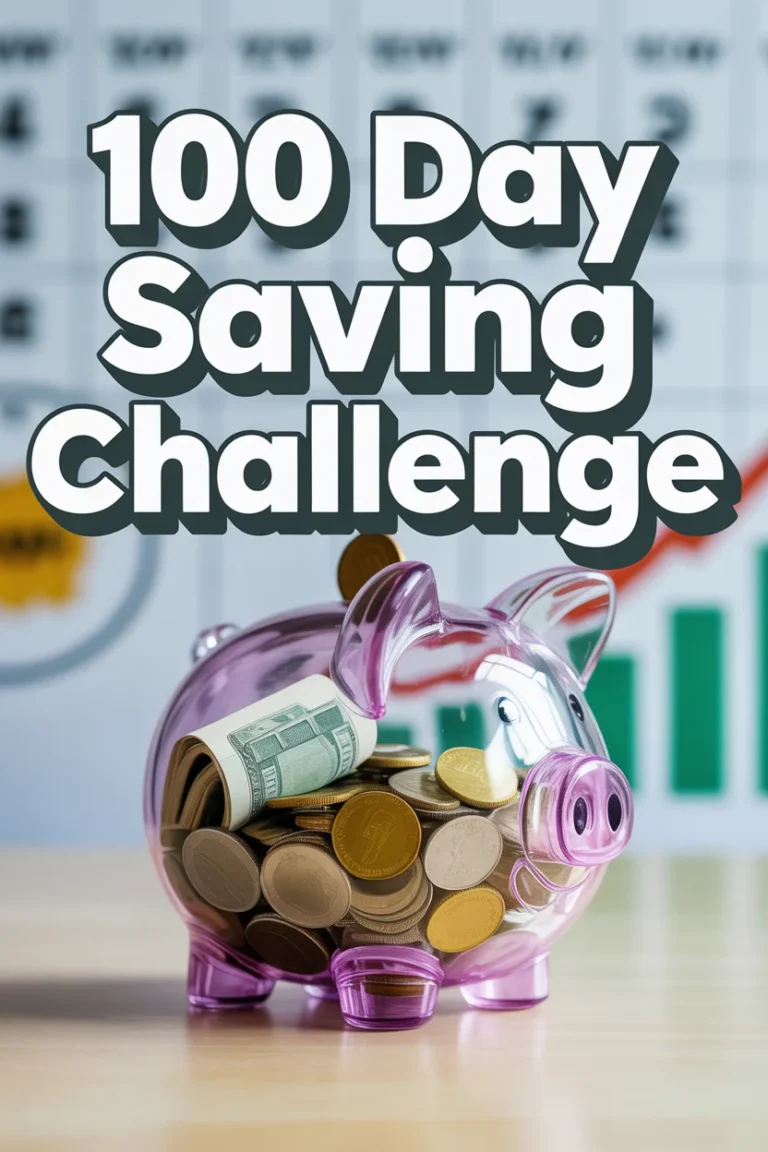
If saving money has ever felt overwhelming, you’re not alone. Big financial goals can be intimidating—until you break them into tiny, repeatable actions. The 25 Cent Savings Challenge does exactly that. It turns spare change into steady progress, making saving feel easy, fun, and surprisingly effective. Whether you’re building an emergency fund, paying off debt, or just trying to save more consistently, this simple challenge helps you build a money-smart habit that sticks.
What makes it popular? It’s flexible, low-pressure, and budget-friendly. You don’t need a lot of cash or complex planning—just a quarter and a plan. Over time, those 25-cent deposits add up, and more importantly, they train your brain to save automatically. This is the easiest way to build financial momentum—one quarter at a time.
What is 25 Cent Savings Challenge?
The 25 Cent Savings Challenge is a micro-savings strategy where you regularly save in increments of $0.25 (a quarter). You follow a simple schedule—daily, weekly, or monthly—saving a small, consistent amount that grows over time. The goal is to make saving painless and habitual, so it becomes part of your routine rather than a stressful task.
There are a few popular ways to structure it:
- Classic Daily Increment: Save $0.25 on day 1, $0.50 on day 2, $0.75 on day 3, and so on. Each day adds another quarter. This steadily ramps up without large jumps.
- Weekly Step-Up: Start with $0.25 in week 1, $0.50 in week 2, $0.75 in week 3, continuing the pattern. Ideal if daily tracking is tough.
- Flat Quarter Rule: Save a fixed amount like $0.25, $0.50, or $1.00 per day every day. Simple, predictable, and perfect for beginners or tight budgets.
- Round-Up Method: Round your purchases to the nearest quarter and save the difference. Spend $4.62? Round to $4.75 and save $0.13. Apps or spreadsheets can automate the math.
Why quarters? Because they make saving feel manageable. You’ll rarely “miss” a quarter, but you will feel the satisfaction of seeing your jar or savings account grow. It’s a psychological trick that builds confidence and financial resilience.
Key Features
- Tiny, Consistent Deposits: Small amounts reduce resistance and help you save even when money is tight.
- Flexible Schedule: Choose daily, weekly, or monthly increments that fit your life.
- Visible Progress: A physical coin jar or a digital tracker makes your effort tangible and rewarding.
- Habit-First Design: Focuses on building a saving habit, which leads to long-term wealth-building behavior.
- Budget-Friendly: You can ramp up or slow down anytime without derailing your finances.
- Goal-Oriented: Tie it to a mini-goal (emergency fund, vacation, debt payment) for motivation and clarity.
How to Get Started
- Pick Your Version:
- If you like routines: Do the daily increment (add $0.25 more each day).
- If you prefer simple: Save a flat $0.25 or $0.50 per day.
- If you’re busy: Use the weekly step-up method.
- If you use cards a lot: Try rounding purchases and transferring the difference.
- Set a Specific Goal: Define your “why.” Example: $150 starter emergency fund, $100 holiday fund, or $200 debt payment. Attach a deadline (e.g., 12 weeks) to stay focused.
- Choose Your Storage:
- Physical: A clear jar marked with milestones ($25, $50, $100) for visual motivation.
- Digital: A dedicated high-yield savings account or subaccount (nicknamed “Quarters Challenge”).
- Automate Where Possible: Set up automatic transfers in quarter-friendly amounts (e.g., $1.75 daily = 7 quarters). If using physical coins, schedule a daily reminder.
- Track Progress: Use a simple tracker:
- Spreadsheet: Columns for date, amount saved, running total.
- Budget app: Create a “25 Cent Challenge” category and log deposits.
- Printable chart: 400 boxes = $100 (each box = $0.25). Color as you go.
- Link to Budget: Decide where the quarters come from:
- Skim from discretionary spending (coffee, snacks, streaming).
- Use cashback or coin change only.
- Round down categories each week and move leftovers to savings.
Tips for Success
- Make it Frictionless: Pair saving with a daily habit—every time you make coffee, drop a quarter in. Or set a phone reminder tied to an evening routine.
- Use the “Rule of 4” Boost: Every fourth week, add an extra $1.00 as a mini-bonus. It’s small but accelerates results.
- Celebrate Milestones: At $25, $50, $100, pause and acknowledge your progress. Consider small non-spend rewards like a movie night at home.
- Secure the Savings: Once your jar hits a target (e.g., $20), deposit it into a high-yield savings account so it earns interest and is less tempting to spend.
- Stack Habits: Combine the challenge with other smart moves—like setting bill autopay or reviewing your budget weekly—to amplify results.
Common Mistakes to Avoid
- Starting Too Aggressive: Don’t jump to $5 a day if your budget is tight. Begin with quarters and scale gradually to avoid burnout.
- Skipping Tracking: If you don’t see progress, motivation dips. Even a simple note on your phone helps you stay consistent.
- Raiding the Jar: Keep your savings out of reach. Use a container with a narrow slot or deposit weekly to your bank.
- No Clear Goal: Saving “just because” is harder to sustain. Tie your efforts to a meaningful outcome.
- Ignoring Windfalls: Small unexpected money (rebates, cash back, coin change) can accelerate your challenge—don’t miss these easy wins.
FAQ
How much can I save with the 25 Cent Savings Challenge?
It depends on your format. Examples:
- Flat $0.25 daily for a year: $91.25
- Flat $0.50 daily for a year: $182.50
- Daily increment (+$0.25 each day for 100 days): $1,262.50 in deposits is incorrect—be careful with math. Here’s the right approach: Day 1 = $0.25, Day 100 = $25.00. Total = average of first and last times number of days = ($0.25 + $25.00)/2 × 100 = $1,262.50. If that feels too high, shorten the period (e.g., 30 or 60 days) or switch to a weekly step-up.
- Weekly step-up for 52 weeks (start $0.25, add $0.25 weekly): Average of $0.25 and $13.00 × 52 = $341.50
Is this challenge worth it if I can only save a little?
Absolutely. Small, consistent saving builds the habit muscle. Even $100 can cover a minor emergency, reduce stress, and keep you from using high-interest debt. Momentum matters more than size at the beginning.
Should I use cash or digital transfers?
Choose what you’ll stick with. Cash is visual and motivating; digital is convenient and secure. Many people start with a jar for motivation and move funds to a high-yield account each week or month.
What if I miss a day or week?
Don’t scrap the challenge. Either:
- Make it up later, or
- Skip and keep going. Progress beats perfection.
The point is consistency over time, not a flawless streak.
💼 The Money Management Toolkit
Knowledge is power, but proper execution requires the right tools. Getting your financial life organized doesn't have to be overwhelming. These 5 physical management tools are exactly what successful households use to budget, track cash, and secure their most important assets.
📝 Clever Fox Budget Planner & Bill Organizer
The ultimate analog command center for your finances. Sometimes keeping your budget in an app just doesn't stick. Physically writing down your goals, tracking expenses, and planning for debt payoff creates a level of accountability that digital spreadsheets simply can't match.
💵 A6 Leather Cash Stuffing Binder
The viral tool that made the cash-envelope budgeting system popular again. By allocating actual physical cash to designated envelopes (groceries, dining out, fun money), you physically cap your spending, making it virtually impossible to overdraft or overspend.
🔥 Fireproof & Waterproof Document Safe
A critical piece of financial security that many families overlook. Protecting your passports, birth certificates, property deeds, and estate planning documents from disaster is just as important as protecting the money in your bank account.
🏷️ Brother P-Touch Digital Label Maker
The unsung hero of a functional home office. When tax season rolls around or you need to find an important receipt, having perfectly labeled and categorized filing cabinets or accordion folders saves hours of frustrating searches and potential late fees.
🔒 SentrySafe Compact Fireproof Lock Box
For the physical assets that need extra heavy-duty protection—think emergency cash reserves, hard drives with Bitcoin cold wallets, or physical precious metals. This compact, locking safe provides peace of mind that your physical wealth is secure at home.
Conclusion
The 25 Cent Savings Challenge proves that wealth-building doesn’t require big money—just small, repeated action. By breaking saving into quarter-sized steps, you eliminate the mental barriers that stop most people. Choose your version, set a meaningful goal, track your progress, and protect your savings by moving it into a dedicated account. In a few weeks, you’ll see real dollars stacking up—and more importantly, you’ll have a saving habit you can build on for life.
Start today with a single quarter. Your future self will thank you.