💸 10 Money Is The Root Of All Evil
📚 The Financial Literacy Library
The best investment you can ever make is in your own financial education. These 5 cornerstone books are what millionaires, financial advisors, and wealth-builders universally recommend for completely rewiring how you think about earning, saving, and investing money.
🧠 The Psychology of Money
Doing well with money isn't necessarily about what you know—it's about how you behave. Morgan Housel masterfully breaks down the emotional and psychological biases that secretly dictate our financial decisions, offering a true paradigm shift in how to view wealth.
🏠 Rich Dad Poor Dad
The #1 personal finance book of all time for a reason. This foundational read shatters the myth that you need to earn a high income to be rich, teaching you the critical difference between working for money and making your money work for you via assets.
📈 Atomic Habits
While not strictly a finance book, building wealth is absolutely dependent on the daily habits you cultivate. James Clear provides the definitive framework for breaking bad spending habits and effortlessly automating the good ones that lead to long-term success.
📊 The Simple Path to Wealth
The ultimate antidote to complex, intimidating financial advice. JL Collins provides an incredibly accessible, low-stress roadmap to financial independence through index fund investing, perfectly explaining why simplicity beats Wall Street complexity every time.
💳 I Will Teach You to Be Rich
A tactical, no-BS, 6-week program that actually works. Ramit Sethi teaches you how to crush debt, automate your savings, and negotiate your salary—all while guilt-free spending on the things you truly love. A must-read for modern money management.
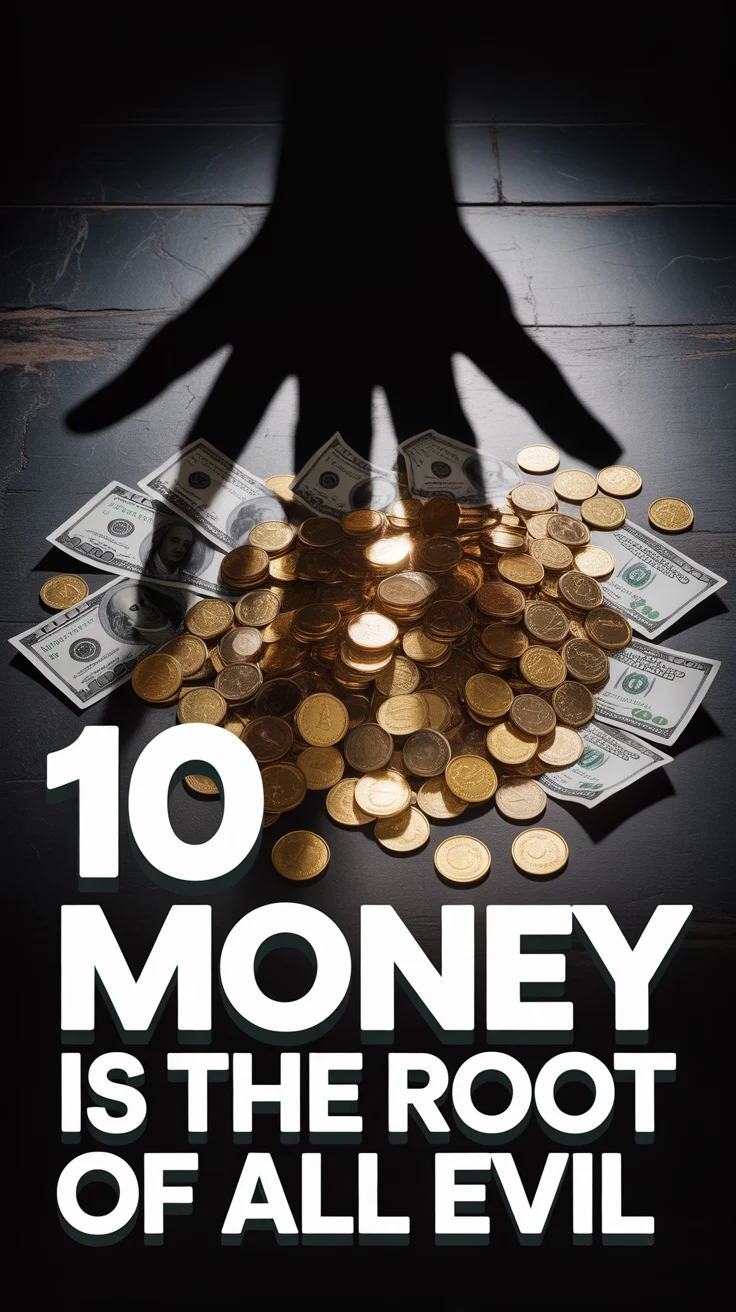
Alright, fam. We’ve all heard the ancient whisper: “Money is the root of all evil.” Sounds super dramatic, right? Like cash is just inherently plotting our downfall. But let’s be real, is it the actual paper (or pixels) causing chaos, or is it more about how we chase it, hoard it, or, you know, use it to buy questionable NFTs?
Maybe money isn’t the villain; maybe it’s just a tool, like a fancy espresso machine. You can brew a life-changing latte or just make a giant, bitter mess. So, before you decide to renounce all currency and live in a treehouse (tempting, I know), let’s flip the script. Here are ten cheeky ways to make peace with your wallet and maybe even do some good.
1. Redefine Your Rich
Forget the yacht and the private jet (unless that’s genuinely your jam). True wealth isn’t just about the numbers in your bank account; it’s about the abundance in your life. Think about the freedom to choose, the time to pursue passions, and the richness of your relationships.
Focus on building a life that feels full and meaningful, not just a bank account that looks impressive on paper. Pro tip: Start a “joy journal” to track all the non-monetary things that make you feel wealthy. It really shifts your perspective. This mindset makes money a means to an end, not the ultimate goal.
2. Invest in Your Passions
If money is evil, then using it to fuel your creative fire or learn a new skill must be, like, supervillain stuff, right? Wrong. Spending on what lights you up transforms mere currency into pure joy and personal growth. It’s an exchange of potential for actualization.
Whether it’s that photography course you’ve eyed or the supplies for your next art project, consider it an investment in your soul. Pro tip: Allocate a small percentage of your income specifically for “passion projects” and watch your happiness soar. This turns spending into an act of self-love, not just consumption.
3. The Art of Thoughtful Gifting
Ever seen someone’s face light up from a perfectly chosen gift? That’s money doing good, folks. It’s not about the price tag, but the intention and the connection it fosters. This kind of exchange builds bonds, not just balances.
Use your funds to show appreciation, celebrate milestones, or just brighten someone’s day. A small, meaningful gesture often outshines an extravagant, impersonal one. Pro tip: Keep a running list of little things your friends or family mention wanting or needing. When you gift, it feels like magic. It makes money a conduit for connection, not corruption.
4. Experiences Over Stuff
Another classic, but for good reason. That designer bag might give you a fleeting thrill, but a trip to a new city or a killer concert creates memories that stick around forever. Stuff accumulates dust; experiences accumulate stories.
Prioritize spending on adventures, learning, or simply trying new things. These moments often provide far more lasting satisfaction than any material possession ever could. Pro tip: Create a “memory fund” dedicated solely to adventures. You’ll thank yourself later. This strategy transforms money into a ticket to a richer life, not just a bigger closet.
5. Financial Freedom, Not Just Wealth
There’s a subtle but mighty difference. Wealth often implies accumulating a huge sum; financial freedom means having enough resources to live life on your own terms. It’s about control over your time and choices, not just your assets.
Focus on building systems that allow you to work less, travel more, or pursue non-lucrative passions. This might involve smart budgeting, investing, or even side hustles. Pro tip: Start automating your savings. Even small, consistent contributions add up to serious freedom over time. It makes money a liberator, not a chain.
6. Support Local, Support Good
Your dollars have power, my friend. When you choose to spend at independent businesses, farmers markets, or ethically sourced brands, you’re not just buying a product; you’re supporting dreams, communities, and sustainable practices. This is conscious capitalism, folks.
Seek out businesses that align with your values. Every purchase is a vote for the kind of world you want to live in. Pro tip: Research local artisans or small businesses in your area. You’ll find unique treasures and feel good doing it. This turns everyday spending into a force for positive change.
7. Skill-Sharing and Bartering
Who needs cash when you can trade your mad graphic design skills for a friend’s delicious homemade sourdough? Sometimes, the most valuable transactions don’t involve money at all. It’s about leveraging what you have to get what you need.
Explore local community groups or online platforms dedicated to skill exchanges. You’d be surprised what you can get without opening your wallet. Pro tip: List your unique talents and consider what services you genuinely need. You might find a perfect match. This practice reminds us that value isn’t solely defined by currency.
8. Mindful Spending
Before you hit “add to cart,” pause. Ask yourself if this purchase genuinely adds value, joy, or necessity to your life. Impulse buys often lead to buyer’s remorse and unnecessary clutter. Be intentional with every dollar.
Practice conscious consumption by understanding your true needs versus fleeting wants. This isn’t about deprivation; it’s about alignment. Pro tip: Implement a “24-hour rule” for non-essential purchases. If you still want it tomorrow, go for it. This makes money a tool for intentional living, not impulsive desires.
9. Giving Back (The Ultimate Antidote)
If money truly were evil, then using it to help others would be the ultimate act of defiance. Donating to causes you care about, volunteering your time, or supporting those in need transforms cold hard cash into warmth and hope. It’s karma in action.
Whether it’s a big donation or a small recurring contribution, every bit helps. Your impact can ripple further than you imagine. Pro tip: Research charities thoroughly to ensure your money goes where it’s most effective. This turns your resources into a source of tangible good.
10. The “Time Is Money” Reversal
We often hear “time is money,” but what if we flipped it? What if money could buy you more time? Time to relax, time with loved ones, time to pursue hobbies. That’s a pretty sweet deal. Use your money to outsource mundane tasks or reduce your working hours.
Consider paying for services that free up your precious hours, like a cleaning service or meal prep. It’s an investment in your well-being and sanity. Pro tip: Calculate your hourly rate and see if it makes sense to pay someone else to do a task you dislike. It often does. This transforms money into a currency of freedom and well-being.
💼 The Money Management Toolkit
Knowledge is power, but proper execution requires the right tools. Getting your financial life organized doesn't have to be overwhelming. These 5 physical management tools are exactly what successful households use to budget, track cash, and secure their most important assets.
📝 Clever Fox Budget Planner & Bill Organizer
The ultimate analog command center for your finances. Sometimes keeping your budget in an app just doesn't stick. Physically writing down your goals, tracking expenses, and planning for debt payoff creates a level of accountability that digital spreadsheets simply can't match.
💵 A6 Leather Cash Stuffing Binder
The viral tool that made the cash-envelope budgeting system popular again. By allocating actual physical cash to designated envelopes (groceries, dining out, fun money), you physically cap your spending, making it virtually impossible to overdraft or overspend.
🔥 Fireproof & Waterproof Document Safe
A critical piece of financial security that many families overlook. Protecting your passports, birth certificates, property deeds, and estate planning documents from disaster is just as important as protecting the money in your bank account.
🏷️ Brother P-Touch Digital Label Maker
The unsung hero of a functional home office. When tax season rolls around or you need to find an important receipt, having perfectly labeled and categorized filing cabinets or accordion folders saves hours of frustrating searches and potential late fees.
🔒 SentrySafe Compact Fireproof Lock Box
For the physical assets that need extra heavy-duty protection—think emergency cash reserves, hard drives with Bitcoin cold wallets, or physical precious metals. This compact, locking safe provides peace of mind that your physical wealth is secure at home.
Conclusion
So, is money the root of all evil? Nah, probably not. It’s more like a magnifying glass, making whatever’s already in our hearts a whole lot bigger. If you’re a decent human, money can help you be an even more decent human, with better shoes.
Ultimately, it’s about perspective and purpose. Use your resources mindfully, generously, and joyfully, and you’ll find that money can actually be a pretty awesome tool for building a life you love. Now go forth and conquer your finances, you magnificent trendsetter!