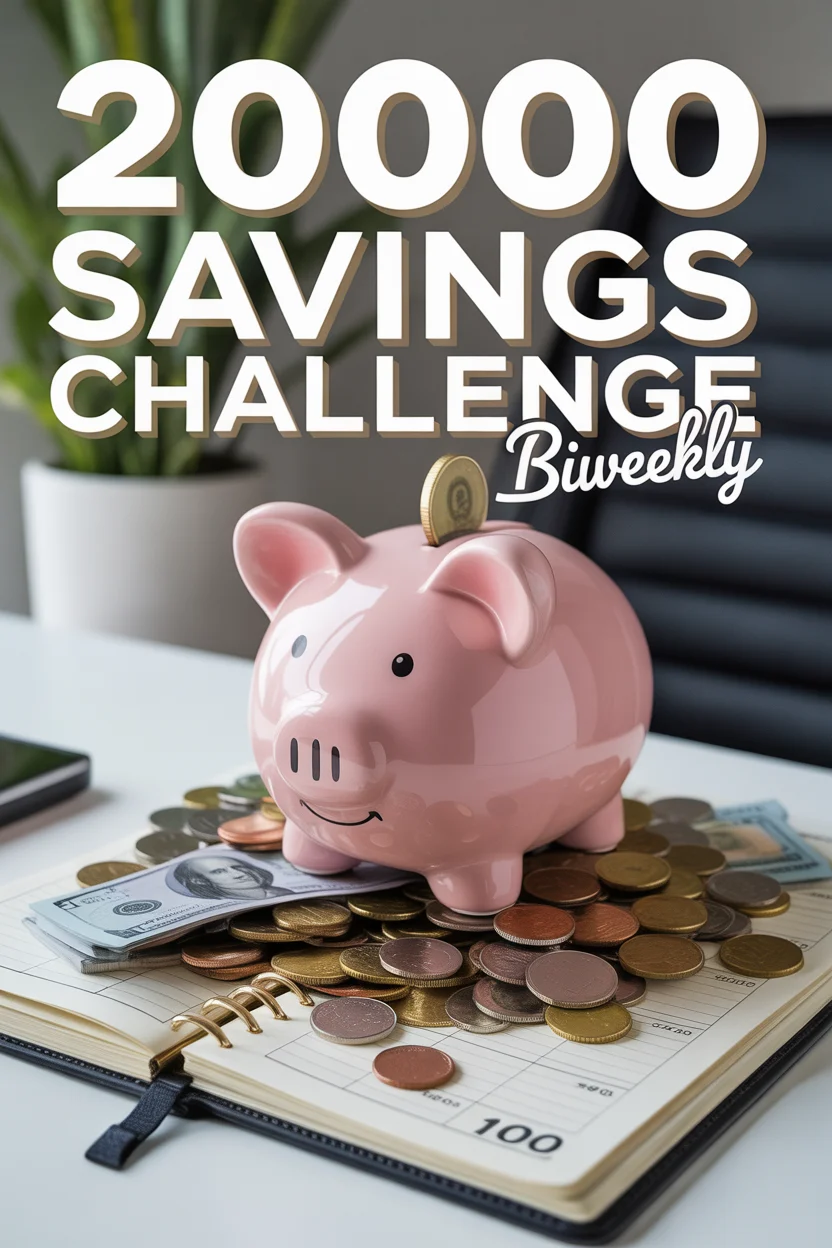
💰 20000 Savings Challenge Biweekly
📚 The Financial Literacy Library
The best investment you can ever make is in your own financial education. These 5 cornerstone books are what millionaires, financial advisors, and wealth-builders universally recommend for completely rewiring how you think about earning, saving, and investing money.
🧠 The Psychology of Money
Doing well with money isn't necessarily about what you know—it's about how you behave. Morgan Housel masterfully breaks down the emotional and psychological biases that secretly dictate our financial decisions, offering a true paradigm shift in how to view wealth.
🏠 Rich Dad Poor Dad
The #1 personal finance book of all time for a reason. This foundational read shatters the myth that you need to earn a high income to be rich, teaching you the critical difference between working for money and making your money work for you via assets.
📈 Atomic Habits
While not strictly a finance book, building wealth is absolutely dependent on the daily habits you cultivate. James Clear provides the definitive framework for breaking bad spending habits and effortlessly automating the good ones that lead to long-term success.
📊 The Simple Path to Wealth
The ultimate antidote to complex, intimidating financial advice. JL Collins provides an incredibly accessible, low-stress roadmap to financial independence through index fund investing, perfectly explaining why simplicity beats Wall Street complexity every time.
💳 I Will Teach You to Be Rich
A tactical, no-BS, 6-week program that actually works. Ramit Sethi teaches you how to crush debt, automate your savings, and negotiate your salary—all while guilt-free spending on the things you truly love. A must-read for modern money management.
Are you ready to transform your financial future, one paycheck at a time? Do you dream of building a robust savings cushion, but feel overwhelmed by the sheer size of your goals? You’re not alone. Many people aspire to save significant amounts but struggle to find a structured, manageable path. That’s where the 20000 Savings Challenge Biweekly comes into play – a practical, powerful, and surprisingly simple strategy designed to help you accumulate a substantial $20,000, not through drastic cuts, but through consistent, biweekly effort. It’s more than just saving money; it’s about building a sustainable habit, fostering financial discipline, and unlocking a new level of money-smart confidence.
In a world full of financial noise and complicated schemes, this challenge stands out for its clarity and effectiveness. It breaks down a big, intimidating number into bite-sized, actionable steps that align perfectly with how many of us receive our income. No more guesswork, no more “I’ll save later” excuses. This guide will walk you through every aspect of the 20000 Savings Challenge Biweekly, offering practical tips, smart strategies, and a wealth-building mindset to help you not only reach your $20,000 goal but also lay a strong foundation for lasting financial well-being. Let’s dive in and make that $20,000 dream a reality!
What is 20000 Savings Challenge Biweekly?
At its core, the 20000 Savings Challenge Biweekly is a systematic and disciplined approach to saving a total of $20,000 over a chosen period, by making regular contributions every two weeks. It’s a structured plan that removes the guesswork and procrastination often associated with saving large sums of money. Instead of facing a daunting $20,000 lump sum, you break it down into much smaller, more manageable biweekly deposits that align seamlessly with most people’s pay cycles.
Imagine you want to save $20,000. If you tried to do that all at once, it would feel impossible for many. But what if you committed to saving a specific amount every time you get paid? That’s the power of the biweekly approach. For example, if you decide to complete the challenge over four years, which equates to 104 biweekly periods, you would need to save approximately $192.31 every two weeks ($20,000 / 104 = $192.31). This amount is far more achievable and less intimidating than the total sum.
The beauty of this challenge lies in its flexibility and consistency. You choose the timeline that works best for your financial situation, whether it’s two years, three years, or even five years. The key is to commit to a consistent biweekly transfer, making saving a non-negotiable part of your financial routine. By making it a regular, automated process, you leverage the power of habit and compound effort, turning a significant financial goal into a series of small, consistent wins.
Key Features
The 20000 Savings Challenge Biweekly isn’t just another savings plan; it’s a strategic framework packed with features designed for success:
- Structured and Predictable: This challenge provides a clear roadmap. You know exactly how much you need to save and when, eliminating financial guesswork and decision fatigue.
- Biweekly Alignment with Paychecks: For many, income arrives biweekly. This challenge naturally aligns with your cash flow, making it easier to “pay yourself first” right after you get paid, before other expenses creep in.
- Breaks Down a Large Goal: $20,000 can seem overwhelming. This challenge expertly deconstructs it into smaller, more digestible biweekly amounts, making the goal feel much more attainable.
- Cultivates Financial Discipline: Consistency is king in saving. By committing to regular transfers, you build a powerful habit of financial discipline that extends beyond this challenge into other areas of your money management.
- Boosts Financial Confidence: As you watch your savings grow and hit milestones, your confidence in your ability to manage money and achieve financial goals will skyrocket. This positive reinforcement is invaluable.
- Adaptable and Flexible: While the goal is $20,000, you control the pace. You can adjust your biweekly contribution amount and the overall timeline to fit your current income, expenses, and life circumstances. Life happens, and this challenge allows for adjustments without derailing your entire plan.
- Focus on Automation: The challenge strongly encourages setting up automatic transfers, which is one of the most effective ways to ensure consistent saving without relying solely on willpower.
How to Get Started
Embarking on the 20000 Savings Challenge Biweekly is straightforward when you follow these practical steps:
-
Define Your Goal & Timeline: The “what” is $20,000. The “when” is up to you. A realistic timeline is crucial for success. Consider these examples:
- 2 Years (52 biweekly periods): You’d need to save approximately $384.62 every two weeks ($20,000 / 52).
- 3 Years (78 biweekly periods): This brings the amount down to about $256.41 biweekly ($20,000 / 78).
- 4 Years (104 biweekly periods): A very achievable $192.31 every two weeks ($20,000 / 104).
Choose a timeline that feels challenging but sustainable, not overwhelming. This will determine your biweekly savings target.
-
Assess Your Current Finances (Budget!): Before you commit, you need to know where your money is going. Create a detailed budget that tracks all your income and expenses. This isn’t about deprivation; it’s about awareness. Use a spreadsheet, a budgeting app (like Mint, YNAB, or Rocket Money), or even pen and paper. Identify areas where you can comfortably allocate your biweekly savings amount without causing undue stress.
-
Automate Your Savings: This is the golden rule of successful saving. Set up an automatic transfer from your checking account to your dedicated savings account for your chosen biweekly amount. Schedule it to occur on the day you receive your paycheck. This “pay yourself first” strategy ensures that your savings happen before you have a chance to spend the money elsewhere. It removes willpower from the equation and makes saving effortless.
-
Choose the Right Savings Account: Don’t just let your $20,000 sit in a low-interest checking account. Open a dedicated high-yield savings account (HYSA). These accounts offer significantly higher interest rates than traditional savings accounts, meaning your money grows faster, even if only by a little. Look for accounts with no monthly fees and easy online access.
-
Track Your Progress Visually: Seeing your money grow is incredibly motivating. Use a spreadsheet, a dedicated app, or even print out a savings tracker and color it in as you hit milestones. Visualizing your progress reinforces the habit and keeps you engaged with your goal. Celebrate small wins along the way!
Tips for Success
To truly excel at the 20000 Savings Challenge Biweekly and make it a transformative experience, consider these pro tips:
-
Master Your Budget: Beyond just tracking, actively manage your budget. Employ strategies like the 50/30/20 rule (50% needs, 30% wants, 20% savings/debt) or zero-based budgeting (every dollar has a job). Regularly review your spending categories to find “found money” that can be redirected towards your challenge. Small, consistent cuts can add up to significant savings.
-
Boost Your Income (Even a Little): If your current budget feels too tight to accommodate your biweekly goal, consider ways to increase your income. This could involve taking on a side hustle (freelancing, dog walking, delivery services), selling unused items around your house (clothes, electronics, furniture), or even negotiating a raise at your current job. Every extra dollar earned can be directly funneled into your challenge, accelerating your progress.
-
Be Ruthless with Unnecessary Expenses: Take a deep dive into your “wants.” Can you cut back on expensive coffee runs, subscription services you rarely use, or eating out? Even small changes, like packing your lunch a few extra days a week, can free up dozens of dollars each month. Temporarily reducing discretionary spending can significantly impact your ability to meet your biweekly target.
-
Avoid Lifestyle Creep: As your income potentially grows, or as you get raises, resist the urge to increase your spending proportionally. This phenomenon, known as “lifestyle creep,” can sabotage your savings goals. Instead, commit to saving a significant portion of any new income, using it to either increase your biweekly contributions or accelerate your challenge timeline.
-
Educate Yourself Continuously: The more you understand about personal finance, the better equipped you’ll be to make smart money decisions. Read books, listen to podcasts, and follow reputable financial blogs. Learning about debt management, investing basics, and smart spending habits will not only help you with this challenge but also build a solid foundation for long-term wealth.
Common Mistakes to Avoid
Even with the best intentions, pitfalls can emerge. Be mindful of these common mistakes to keep your 20000 Savings Challenge Biweekly on track:
-
Not Having an Emergency Fund First: This is critical. Before you start saving for this challenge, ensure you have a fully funded emergency fund (typically 3-6 months of essential living expenses) readily accessible in a separate savings account. The $20,000 challenge is for additional savings or a specific goal; your emergency fund is your financial safety net. Without it, any unexpected expense will force you to dip into your challenge savings, derailing your progress.
-
Setting Unrealistic Biweekly Goals: Trying to save too much too fast is a recipe for burnout. If your chosen biweekly amount is causing significant stress, preventing you from covering essential expenses, or making you feel deprived, you’re likely to give up. Be honest with your budget and adjust your timeline or contribution amount to something sustainable.
-
Relying Solely on Willpower: Human willpower is finite. If you’re constantly having to decide to transfer money, you’re fighting an uphill battle. Forgetting to automate is a huge mistake. Set it and forget it – let your bank do the heavy lifting.
-
Ignoring Your Budget After Starting: Just because you’ve set up an automatic transfer doesn’t mean you can stop paying attention to your spending. Regularly review your budget to ensure you’re still on track and identify any new spending leaks that might emerge. A budget is a living document, not a one-time setup.
-
Getting Discouraged by Setbacks: Life happens. You might face an unexpected expense, a temporary income reduction, or simply forget a transfer. Don’t let one missed payment or a small withdrawal derail your entire challenge. Acknowledge the setback, adjust your plan (perhaps extend your timeline by a few weeks), and get right back on track. Consistency over perfection is key.
-
Using the Wrong Account for Your Savings: Keeping your challenge funds in your everyday checking account makes them too easily accessible and susceptible to accidental spending. Furthermore, a checking account offers minimal to no interest. As mentioned, a dedicated high-yield savings account is the best home for these funds.
FAQ
Q: Do I need an emergency fund before starting the 20000 Savings Challenge Biweekly?
A: Yes, absolutely! This is a crucial first step for any financial goal. An emergency fund (typically 3-6 months of essential living expenses) acts as your financial safety net for unexpected events like job loss, medical emergencies, or car repairs. Without it, you’d be forced to tap into your challenge savings, completely derailing your progress. Build your emergency fund first, then tackle the $20,000 challenge.
Q: What if I miss a biweekly payment or need to pause?
A: Don’t panic! Life is unpredictable, and occasional hiccups are normal. If you miss a payment, try to make it up in the next period if your budget allows. If you need to pause for a longer period due to unforeseen circumstances, simply adjust your timeline. The goal is progress, not perfection. The flexibility of this challenge means you can adapt without abandoning your goal entirely. Just get back on track as soon as you can.
Q: Can I adjust the biweekly amount if my financial situation changes?
A: Yes, definitely! Flexibility is one of the key features of this challenge. If you get a raise or find extra income, consider increasing your biweekly contribution to reach your goal faster. Conversely, if you face a temporary financial hardship, you can temporarily reduce your contribution or pause it, then resume when things improve. Just remember to adjust your overall timeline accordingly and recommit to your new plan.
Q: Where is the best place to keep my $20,000 savings?
A: A high-yield savings account (HYSA) is ideal. These accounts offer significantly higher interest rates than traditional savings accounts, allowing your money to grow faster. Look for an HYSA with no monthly fees, FDIC insurance, and easy online access. Avoid keeping large sums in your checking account, as it’s too accessible for everyday spending and earns minimal interest.
💼 The Money Management Toolkit
Knowledge is power, but proper execution requires the right tools. Getting your financial life organized doesn't have to be overwhelming. These 5 physical management tools are exactly what successful households use to budget, track cash, and secure their most important assets.
📝 Clever Fox Budget Planner & Bill Organizer
The ultimate analog command center for your finances. Sometimes keeping your budget in an app just doesn't stick. Physically writing down your goals, tracking expenses, and planning for debt payoff creates a level of accountability that digital spreadsheets simply can't match.
💵 A6 Leather Cash Stuffing Binder
The viral tool that made the cash-envelope budgeting system popular again. By allocating actual physical cash to designated envelopes (groceries, dining out, fun money), you physically cap your spending, making it virtually impossible to overdraft or overspend.
🔥 Fireproof & Waterproof Document Safe
A critical piece of financial security that many families overlook. Protecting your passports, birth certificates, property deeds, and estate planning documents from disaster is just as important as protecting the money in your bank account.
🏷️ Brother P-Touch Digital Label Maker
The unsung hero of a functional home office. When tax season rolls around or you need to find an important receipt, having perfectly labeled and categorized filing cabinets or accordion folders saves hours of frustrating searches and potential late fees.
🔒 SentrySafe Compact Fireproof Lock Box
For the physical assets that need extra heavy-duty protection—think emergency cash reserves, hard drives with Bitcoin cold wallets, or physical precious metals. This compact, locking safe provides peace of mind that your physical wealth is secure at home.
Conclusion
The 20000 Savings Challenge Biweekly is more than just a number; it’s a blueprint for financial empowerment. By embracing a structured, consistent, and adaptable approach, you can transform a seemingly monumental goal into an achievable reality. This challenge isn’t about drastic cuts or overnight riches; it’s about the power of small, consistent actions performed over time. It teaches you discipline, instills confidence, and builds a habit of “paying yourself first” that will serve you well for a lifetime.
Imagine the peace of mind that $20,000 in savings could bring – whether it’s for a down payment, a significant investment, education, or simply a robust safety net. This guide has equipped you with the knowledge, strategies, and mindset to conquer this challenge. So, stop dreaming and start doing. Take that first step today, automate your savings, and watch as your financial future transforms, one biweekly deposit at a time. Your $20,000 goal is within reach!