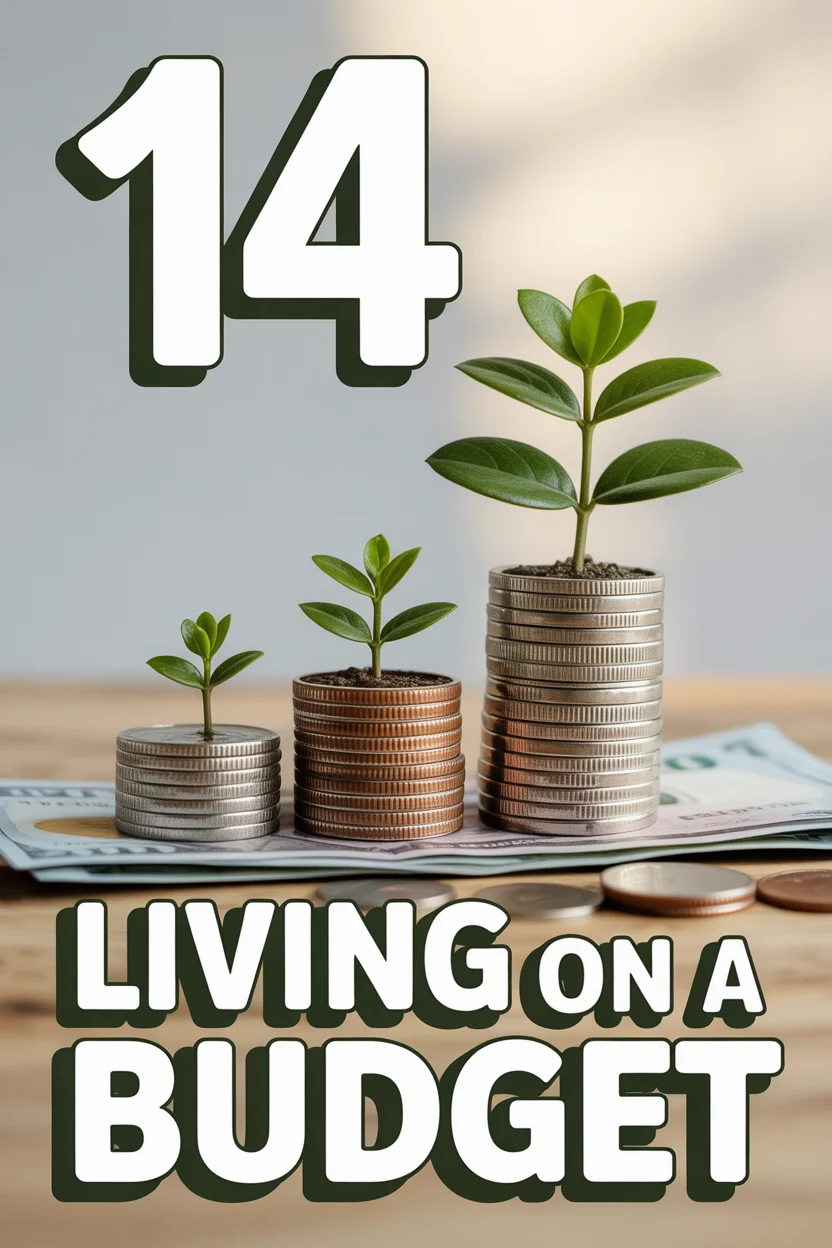
💰 14 Living On A Budget
📚 The Financial Literacy Library
The best investment you can ever make is in your own financial education. These 5 cornerstone books are what millionaires, financial advisors, and wealth-builders universally recommend for completely rewiring how you think about earning, saving, and investing money.
🧠 The Psychology of Money
Doing well with money isn't necessarily about what you know—it's about how you behave. Morgan Housel masterfully breaks down the emotional and psychological biases that secretly dictate our financial decisions, offering a true paradigm shift in how to view wealth.
🏠 Rich Dad Poor Dad
The #1 personal finance book of all time for a reason. This foundational read shatters the myth that you need to earn a high income to be rich, teaching you the critical difference between working for money and making your money work for you via assets.
📈 Atomic Habits
While not strictly a finance book, building wealth is absolutely dependent on the daily habits you cultivate. James Clear provides the definitive framework for breaking bad spending habits and effortlessly automating the good ones that lead to long-term success.
📊 The Simple Path to Wealth
The ultimate antidote to complex, intimidating financial advice. JL Collins provides an incredibly accessible, low-stress roadmap to financial independence through index fund investing, perfectly explaining why simplicity beats Wall Street complexity every time.
💳 I Will Teach You to Be Rich
A tactical, no-BS, 6-week program that actually works. Ramit Sethi teaches you how to crush debt, automate your savings, and negotiate your salary—all while guilt-free spending on the things you truly love. A must-read for modern money management.
Alright, babes. Let’s talk money without getting all doom-and-gloom about it. Who said budgeting means ramen for life and canceling all your fun? Nah, boo. We’re talking smart moves, not deprivation. Think of it as giving your wallet a glow-up so you can splurge on the things that actually matter, guilt-free. Ready to finesse your finances and still live your best life? Let’s dive in.
1. Meal Prep Mastery
Ditch the daily takeout drama and become your own culinary genius. Batch cooking isn’t just for fitness influencers anymore; it’s a legit money-saver. Plan your meals, hit the grocery store with a list, and spend a few hours cooking up a storm for the week.
You’ll avoid impulse buys and those sneaky delivery fees that add up faster than you can say “extra guac.” Invest in good food containers; they’re worth every penny for fresh, ready-to-eat meals. This move slashes your food budget and keeps you eating healthier. Win-win.
2. Subscription Audit
That free trial from 2022? It’s probably still charging you. Seriously, go through your bank statements and identify every single recurring charge. Streaming services you never watch, apps you forgot existed, that gym membership you intend to use.
Be ruthless. Cancel anything that isn’t pulling its weight in your life. You’ll be amazed at the extra cash flow you suddenly discover. It’s like finding money in your old jeans, but better.
3. DIY Coffee Culture
Your barista is lovely, but your wallet needs a break. That daily five-dollar latte? It’s a secret budget killer. Embrace your inner home barista. Invest in a decent coffee maker or even a chic French press.
Experiment with different beans and syrups; you’ll find your perfect brew. Making cold brew concentrate on Sunday will save your mornings (and your cash) all week. Your taste buds will thank you, and your bank account will do a happy dance.
4. Secondhand Style
Fast fashion is out, sustainable chic is in. Why pay full price when you can snag designer gems for a fraction of the cost? Hit up local thrift stores, consignment shops, or online marketplaces like Depop and Poshmark.
You’ll unearth unique pieces that no one else has. Focus on quality fabrics and timeless styles; they last longer and look more expensive. It’s an eco-friendly way to upgrade your wardrobe without breaking the bank.
5. Smart Grocery Shopping
Wandering the aisles aimlessly is a recipe for impulse buys and a bloated bill. Always, always, always make a list. Better yet, check your pantry first to see what you already have. And for the love of all that is holy, never shop when you’re hungry.
Stick to your list like glue and consider buying store brands for pantry staples. This strategy cuts down on food waste and keeps your grocery budget in check.
6. Energy Efficiency Hacks
Your thermostat isn’t just for show, darling. Small changes around the house can make a big difference in your utility bills. Unplug chargers when not in use, switch to LED bulbs, and adjust your thermostat a degree or two.
Draft stoppers are your winter BFF for keeping the heat in. These tiny tweaks add up to significant savings and a smaller carbon footprint. You’re basically a superhero.
7. Free Entertainment Fun
Fun doesn’t always come with a price tag. Seriously. Explore your local parks, hit up the library for books and movies, go for a hike, or check out free museum days.
Many cities offer free concerts, festivals, or art walks. Check your local community calendar for hidden gems. You’ll discover new hobbies and experiences without swiping your card.
8. Transportation Tweak
Your car is a money pit sometimes, let’s be real. Gas, insurance, maintenance—it adds up. For shorter distances, consider walking, biking, or using public transport.
If you commute, look into carpooling options. Map out walking or biking routes for your regular errands. It saves gas money, gets you moving, and gives you a moment of peace.
9. Home Haircuts and Beauty
A trim here, a mani there, it adds up faster than you think. For basic touch-ups, learn some DIY skills. YouTube tutorials are your new salon for simple trims, at-home manicures, or face mask recipes.
Invest in good quality basic tools like clippers or nail kits, and they’ll pay for themselves quickly. You’ll save a ton and gain some cool new skills.
10. Cash Only Zones
Digital spending is too easy to ignore. Try the envelope system for certain spending categories like groceries, entertainment, or eating out. Withdraw a set amount of cash for the week or month.
Once the cash is gone, it’s gone. Period. This creates a concrete spending limit that’s harder to fudge than a digital tracker. It makes you hyper-aware of where every dollar goes.
11. Borrow Don’t Buy
Need a drill for one project? A fancy dress for a one-off event? Ask a friend or neighbor. Why buy something you’ll only use once or twice?
This goes for tools, party supplies, books, even camping gear. Offer to lend something in return to keep the good vibes flowing. It saves money and builds community.
12. Negotiate Everything
Your internet provider isn’t doing you any favors. Don’t be afraid to ask for a better deal on your bills, insurance, or even your rent. A quick phone call can often save you serious cash.
Research competitor prices before you call; it gives you leverage. The worst they can say is no, and the best-case scenario is hundreds saved.
13. DIY Gifts
Store-bought is fine, but thoughtful is better, and usually cheaper. Get creative with your gift-giving. Think homemade baked goods, personalized crafts, or a beautifully curated playlist.
Start early to avoid last-minute stress and impulse buys. A handmade card with a heartfelt message often means more than something expensive.
14. Track Your Spending
Ignorance is bliss, until you check your bank account and wonder where all your money went. You can’t manage what you don’t track. Use a budgeting app, a simple spreadsheet, or even just a notebook.
Review your spending weekly to stay on track and identify any money leaks. This gives you financial clarity and empowers you to make smarter choices.
💼 The Money Management Toolkit
Knowledge is power, but proper execution requires the right tools. Getting your financial life organized doesn't have to be overwhelming. These 5 physical management tools are exactly what successful households use to budget, track cash, and secure their most important assets.
📝 Clever Fox Budget Planner & Bill Organizer
The ultimate analog command center for your finances. Sometimes keeping your budget in an app just doesn't stick. Physically writing down your goals, tracking expenses, and planning for debt payoff creates a level of accountability that digital spreadsheets simply can't match.
💵 A6 Leather Cash Stuffing Binder
The viral tool that made the cash-envelope budgeting system popular again. By allocating actual physical cash to designated envelopes (groceries, dining out, fun money), you physically cap your spending, making it virtually impossible to overdraft or overspend.
🔥 Fireproof & Waterproof Document Safe
A critical piece of financial security that many families overlook. Protecting your passports, birth certificates, property deeds, and estate planning documents from disaster is just as important as protecting the money in your bank account.
🏷️ Brother P-Touch Digital Label Maker
The unsung hero of a functional home office. When tax season rolls around or you need to find an important receipt, having perfectly labeled and categorized filing cabinets or accordion folders saves hours of frustrating searches and potential late fees.
🔒 SentrySafe Compact Fireproof Lock Box
For the physical assets that need extra heavy-duty protection—think emergency cash reserves, hard drives with Bitcoin cold wallets, or physical precious metals. This compact, locking safe provides peace of mind that your physical wealth is secure at home.
Conclusion
See? Living on a budget isn’t about deprivation; it’s about smart choices and making your money work for you. These small shifts lead to big impacts, giving you more freedom to enjoy life without the constant money stress. Go forth and budget like the boss you are.