💰 How To Pay Off 30000 In Debt
📚 The Financial Literacy Library
The best investment you can ever make is in your own financial education. These 5 cornerstone books are what millionaires, financial advisors, and wealth-builders universally recommend for completely rewiring how you think about earning, saving, and investing money.
🧠 The Psychology of Money
Doing well with money isn't necessarily about what you know—it's about how you behave. Morgan Housel masterfully breaks down the emotional and psychological biases that secretly dictate our financial decisions, offering a true paradigm shift in how to view wealth.
🏠 Rich Dad Poor Dad
The #1 personal finance book of all time for a reason. This foundational read shatters the myth that you need to earn a high income to be rich, teaching you the critical difference between working for money and making your money work for you via assets.
📈 Atomic Habits
While not strictly a finance book, building wealth is absolutely dependent on the daily habits you cultivate. James Clear provides the definitive framework for breaking bad spending habits and effortlessly automating the good ones that lead to long-term success.
📊 The Simple Path to Wealth
The ultimate antidote to complex, intimidating financial advice. JL Collins provides an incredibly accessible, low-stress roadmap to financial independence through index fund investing, perfectly explaining why simplicity beats Wall Street complexity every time.
💳 I Will Teach You to Be Rich
A tactical, no-BS, 6-week program that actually works. Ramit Sethi teaches you how to crush debt, automate your savings, and negotiate your salary—all while guilt-free spending on the things you truly love. A must-read for modern money management.
Feeling the weight of $30,000 in debt can feel like carrying a heavy backpack uphill, every single day. It’s a burden that saps your energy, limits your choices, and can cast a long shadow over your dreams. But what if I told you that not only is it entirely possible to shed that weight, but you can also emerge stronger, smarter, and financially freer than ever before? This guide isn’t just about paying off debt; it’s about transforming your relationship with money, unlocking your potential, and setting yourself on a path to lasting wealth. You have the power to change your financial future, and we’re here to show you exactly how.

Quick Overview
This comprehensive guide will equip you with a step-by-step roadmap to conquer your $30,000 debt. You’ll learn how to assess your financial situation, create a powerful budget, implement strategic repayment plans, boost your income, and cultivate a money-smart mindset that extends far beyond debt repayment. By the end, you’ll have a clear, actionable plan and the confidence to execute it, transforming your financial landscape for good.
Time needed: 12-24 months of focused effort, but the financial principles and habits you develop will last a lifetime. The initial setup (gathering documents, budgeting) can be done in a single weekend.
Difficulty: Intermediate – it requires discipline and consistency, but all the complex concepts are broken down into easy-to-understand, actionable steps. No prior financial expertise required!
What you’ll need: Internet access, bank and credit card statements, recent pay stubs, a free credit report, a pen and paper (or a spreadsheet/budgeting app), and most importantly, a positive, determined mindset.
Step-by-Step Instructions
Step 1: Confront Your Debt & Get Organized
The first, and often hardest, step is to face your debt head-on. It’s like turning on the lights in a dark room – you might not like what you see initially, but you can’t clean it up until you know what’s there.
Start by gathering all your debt information. This means every credit card, personal loan, car loan, student loan, medical bill, or any other obligation you owe money on. Create a simple spreadsheet or use a notebook to list the following details for each debt:
- Creditor Name: Who do you owe? (e.g., Chase, Sallie Mae, Bank of America)
- Current Balance: How much do you currently owe?
- Interest Rate (APR): This is crucial! It tells you how much extra you’re paying.
- Minimum Monthly Payment: What’s the smallest amount you have to pay each month?
- Due Date: When is the payment due?
Once you have this list, you’ll have a complete picture of your financial battlefield. Don’t forget to pull your free credit report from AnnualCreditReport.com to ensure you haven’t missed any accounts and to check for errors.
Pro tip: Seeing all your debts laid out can be intimidating, but it’s also incredibly empowering. This list is your weapon, and understanding it is your first victory. Celebrate this initial step – you’re taking control!
Step 2: Create a Realistic & Ruthless Budget
A budget isn’t about restriction; it’s about intention. It’s your financial GPS, guiding every dollar you earn to its purpose. Without a budget, you’re driving blind.
For one month, track every single dollar you spend and earn. Yes, every dollar – from your morning coffee to your monthly rent. You can use a spreadsheet, a budgeting app (like Mint, YNAB, or EveryDollar), or simply a notebook. Categorize your spending into fixed expenses (rent, loan payments, insurance) and variable expenses (groceries, dining out, entertainment, gas).
Once you have a month’s worth of data, sit down and analyze it. Where is your money actually going? Identify areas where you can cut back, even just temporarily, to free up more cash for debt repayment. Be ruthless, but realistic. Can you cancel a streaming service? Cook more meals at home? Reduce impulse buys? Every dollar you save is a dollar that can attack your debt.
A great budgeting hack is the “Zero-Based Budget.” This means every dollar you earn is assigned a job – whether it’s for bills, savings, or debt repayment – until your income minus your expenses equals zero. This ensures no money is wasted or “lost.”
Pro tip: Don’t just budget for today; budget for your future self. Remind yourself that these temporary sacrifices are paving the way for long-term financial freedom. Think of it as giving your future self a massive raise by eliminating interest payments.
Step 3: Build a Debt Repayment Strategy (Snowball vs. Avalanche)
With your debt organized and your budget in place, it’s time to choose your battle plan. There are two popular and highly effective strategies for debt repayment: the Debt Snowball and the Debt Avalanche.
-
Debt Snowball Method: This strategy focuses on psychological wins. You list your debts from the smallest balance to the largest, regardless of interest rate. You pay the minimum on all debts except the smallest one, which you attack with every extra dollar you have. Once that smallest debt is paid off, you take the money you were paying on it (minimum payment + extra payment) and add it to the minimum payment of the next smallest debt. This creates a “snowball” effect, gaining momentum and motivation as you knock out debts one by one.
Who it’s for: Those who need quick wins and motivation to stay on track. The psychological boost of paying off a debt can be incredibly powerful.
-
Debt Avalanche Method: This strategy focuses on saving the most money on interest. You list your debts from the highest interest rate to the lowest. You pay the minimum on all debts except the one with the highest interest rate, which you attack with every extra dollar. Once that debt is paid off, you apply that payment amount to the next debt with the highest interest rate. This method saves you the most money in the long run because you’re eliminating the most expensive debt first.
Who it’s for: Those who are highly disciplined and motivated by financial efficiency. You’ll see your total interest paid decrease significantly.
Choose the method that resonates most with your personality and financial goals. Both are effective when applied consistently. The key is to commit to making more than just the minimum payments.
Pro tip: Whichever method you choose, automate your minimum payments to avoid late fees. Then, manually apply your extra payment towards your chosen “attack” debt each month. Seeing that extra payment leave your account reinforces your commitment.
Step 4: Boost Your Income (Side Hustles & Negotiation)
While cutting expenses is crucial, increasing your income can significantly accelerate your debt repayment journey. Think of it as adding fuel to your fire.
Brainstorm ways to bring in extra cash. This could include:
- Side Hustles: Deliver food (DoorDash, Uber Eats), freelance your skills (writing, graphic design, web development), walk dogs (Rover), babysit, tutor, drive for ride-sharing apps, or even sell crafts online (Etsy).
- Selling Unused Items: Go through your home and identify items you no longer need or use. Clothes, electronics, furniture, books – sell them on platforms like Facebook Marketplace, eBay, Poshmark, or local consignment shops.
- Asking for a Raise: If you’ve been excelling at your job, prepare a case for a raise. Document your achievements and contributions, and confidently present them to your manager.
- Negotiating Bills: Call your internet, cable, or insurance providers and ask if they can offer you a lower rate or better package. Often, just asking can save you money.
Every extra dollar earned should go directly towards your debt repayment. This isn’t the time to increase your lifestyle; it’s the time to intensify your debt attack.
Pro tip: Set a specific income goal for your side hustle each month. For example, “I will earn an extra $500 this month by freelancing.” This makes it more concrete and achievable.
Step 5: Cut Expenses Deeply & Smartly
Revisit your budget from Step 2, but this time, look for even deeper cuts. This phase often involves temporary sacrifices for long-term gain.
- Meal Prep Like a Pro: Eating out is a huge budget killer. Plan your meals, buy groceries in bulk, and cook at home. Challenge yourself to bring lunch to work every day.
- Audit Subscriptions: Review all your monthly subscriptions (streaming services, gym memberships, apps). Do you use them all? Can you consolidate or pause some temporarily?
- Find Free Entertainment: Instead of paid events, explore free activities like hiking, picnics, library books, free community events, or game nights with friends.
- Reduce Transportation Costs: Carpool, walk, bike, or use public transport more often. Group your errands to save on gas.
- “No-Spend” Challenges: Challenge yourself to a “no-spend” day, weekend, or even a week, where you only spend money on absolute necessities. This helps reset your spending habits and highlights areas of unnecessary spending.
Remember, these aren’t permanent changes, but temporary measures to accelerate your debt repayment. The goal is to free up as much cash as possible to throw at your debt.
Pro tip: Before making any purchase, ask yourself: “Do I truly need this, or is it a want? How many hours did I have to work to afford this, and is it worth delaying my debt freedom?” This mental check can be incredibly powerful.
Step 6: Explore Debt Consolidation & Refinancing (When Appropriate)
For some, consolidating or refinancing debt can be a smart move, but it’s not for everyone and requires careful consideration. The goal is to lower your interest rates or simplify your payments.
-
Balance Transfer Credit Cards: If you have good credit, you might qualify for a balance transfer card with a 0% introductory APR for 12-18 months. This allows you to transfer high-interest credit card debt and pay it off interest-free during the promotional period.
Caution: You MUST have a concrete plan to pay off the balance before the intro APR expires, or you’ll be hit with high deferred interest. Do NOT use the card for new purchases.
-
Personal Loans: You might qualify for a personal loan with a lower, fixed interest rate than your current credit card debt. This consolidates multiple payments into one predictable monthly payment.
Caution: Ensure the interest rate is genuinely lower and that the loan term doesn’t stretch out your repayment unnecessarily. Watch out for origination fees.
Before pursuing these options, calculate the potential savings versus any fees involved. Use online calculators to compare scenarios. If you’re not disciplined, these options can sometimes lead to accumulating more debt.
Pro tip: If you choose consolidation, immediately close the old credit card accounts (or freeze them in ice!) to remove the temptation to rack up new debt. This is crucial for success.
Step 7: Build a Small Emergency Fund (Mini-Fund First)
This might seem counterintuitive when you’re aggressively paying off debt, but a small emergency fund is your shield against new debt. Life happens – car repairs, medical emergencies, unexpected home repairs. Without a safety net, these events often lead to using credit cards, digging you deeper into the hole.
Aim to save $1,000 to $2,000 initially. This isn’t your full 3-6 month emergency fund yet; it’s a “mini-fund” to cover minor bumps in the road. Once you have this cushion, you can re-focus all your extra cash on debt repayment, knowing you have a buffer.
Pro tip: Keep your emergency fund in a separate, easily accessible savings account (ideally at a different bank than your checking account) so you’re not tempted to dip into it for non-emergencies.
Step 8: Stay Motivated & Celebrate Milestones
Paying off $30,000 in debt is a marathon, not a sprint. There will be days when you feel discouraged, but staying motivated is key to crossing the finish line.
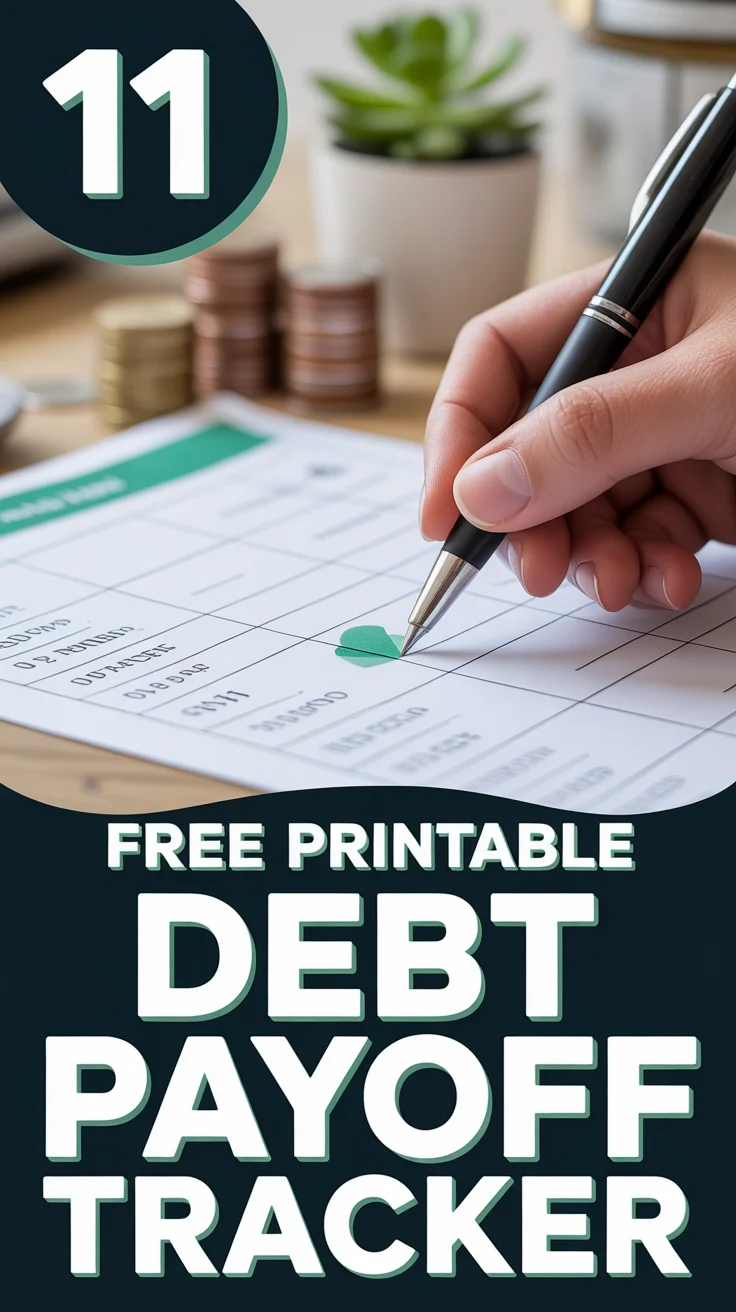
- Track Your Progress Visually: Create a debt repayment tracker (a thermometer chart, a spreadsheet with balances, or an app). Seeing the numbers go down can be incredibly motivating.
- Celebrate Small Wins: When you pay off a debt, or hit a significant milestone (e.g., $5,000 paid off), celebrate! Choose non-monetary rewards like a special movie night at home, a hike, or a long bath.
- Find an Accountability Partner: Share your goals with a trusted friend, family member, or partner. Having someone to check in with and cheer you on can make a huge difference.
- Focus on Your “Why”: Remind yourself why you’re doing this. Is it for peace of mind, to buy a home, start a family, or travel? Keep your “why” front and center.
Pro tip: Join online debt-free communities or forums. Connecting with others on the same journey can provide immense support, tips, and inspiration.
Step 9: Plan for Post-Debt Life & Future Wealth
Congratulations! You’ve paid off your $30,000 debt. But the journey doesn’t end there. This is your chance to pivot from debt repayment to wealth building.
- Fully Fund Your Emergency Savings: Now that your debt is gone, build up your emergency fund to 3-6 months’ worth of living expenses. This is your ultimate financial security blanket.
- Start Investing: With no debt payments, you now have a significant amount of “found money” each month. Start directing it towards investments. Begin with your employer-sponsored retirement plan (like a 401k), especially if there’s a company match (it’s free money!). Then explore Roth IRAs, traditional IRAs, and brokerage accounts.
- Set New Financial Goals: What’s next? A down payment for a house? Saving for your children’s education? A dream vacation? Set new, exciting financial goals to keep your momentum going.
- Don’t Revert to Old Habits: The biggest mistake after paying off debt is to fall back into old spending patterns. Maintain your budget, continue tracking your money, and keep living below your means.
Pro tip: Consider meeting with a fee-only financial advisor to help you create a personalized wealth-building plan. They can help you optimize your investments and set you on the path to achieving your long-term financial dreams.
Common Mistakes to Avoid
Paying off debt is a learning process. Here are some common pitfalls and how to steer clear of them:
-
Ignoring the Problem or “Head in the Sand” Approach:
Why it’s problematic: Debt doesn’t disappear on its own; it grows with interest. Ignoring it only makes it worse and more overwhelming.
Correct Approach: Confront your debt directly (Step 1). Create that detailed list, understand your numbers, and accept responsibility. Knowledge is power.
-
Not Having a Clear Budget:
Why it’s problematic: Without a budget, you’re essentially flying blind. You don’t know where your money is going, making it impossible to find areas to cut or track progress.
Correct Approach: Implement a realistic and ruthless budget (Step 2). Track every dollar, categorize spending, and assign a job to all your income. This gives you control and clarity.
-
Only Paying Minimums:
Why it’s problematic: Paying only the minimum on credit cards, especially high-interest ones, means you’re largely paying interest, not principal. This significantly prolongs your debt repayment and costs you thousands more in the long run.
Correct Approach: Commit to paying more than the minimum on your target debt (Step 3). Every extra dollar you put towards the principal saves you interest and speeds up your debt-free date.
-
Neglecting an Emergency Fund:
Why it’s problematic: Without even a small emergency fund, any unexpected expense (car repair, medical bill) will likely force you to use credit cards, creating new debt and derailing your progress.
Correct Approach: Prioritize building a mini emergency fund of $1,000-$2,000 (Step 7) before aggressively tackling all your debt. This acts as a buffer and protects your progress.
-
Lifestyle Inflation:
Why it’s problematic: This happens when your income increases, but so does your spending. You get a raise or pay off a debt, and suddenly you’re buying more expensive things, preventing you from saving or investing more.
Correct Approach: Maintain your money-smart habits even as your income grows or debts disappear. Redirect any extra cash flow towards your next financial goal, whether it’s a fully funded emergency fund, investing, or saving for a down payment (Step 9).
Troubleshooting
Even with the best plan, you might hit a snag. Here are common issues and quick solutions:
-
“I can’t find any money to cut in my budget!”
Solution: Take a closer look at “micro-expenses.” Those daily coffees, snacks, or small impulse buys add up significantly. Try a “no-spend” week where you only cover absolute necessities. Re-evaluate your “needs” vs. “wants” – could you temporarily downgrade your phone plan, internet speed, or car insurance? Sometimes, extreme temporary measures (like a “rice and beans” diet for a month) can free up hundreds of dollars.
-
“I feel overwhelmed and demotivated; it feels impossible.”
Solution: This is normal! Debt repayment is a mental game. Break down your $30,000 goal into smaller, more manageable chunks (e.g., “pay off $1,000 this month,” “pay off the smallest credit card”). Review your progress (Step 8) – seeing how far you’ve come can be a huge boost. Reconnect with your “why” – why are you doing this? What will debt freedom feel like? Talk to a supportive friend or family member, or engage with an online debt-free community for encouragement.
-
“My income isn’t enough to make a dent.”
Solution: If deep expense cuts aren’t enough, the focus must shift heavily to increasing your income (Step 4). Explore all possible side hustles, even if they’re temporary. Can you work extra shifts? Sell more items? Even an extra $100-$200 a week can make a significant difference over months. Consider if your current job offers opportunities for overtime or a raise. Sometimes, the only way out is to earn more.
Key Takeaways
Here’s a quick recap of the most important principles for paying off your $30,000 debt:
- Confrontation is Key: You can’t fix what you don’t acknowledge. Get organized and understand every detail of your debt.
- Budgeting is Your Superpower: A clear, realistic budget is your roadmap to financial control. Know where every dollar goes.
- Strategy Matters: Choose a repayment method (Snowball or Avalanche) and stick to it. Consistency is more important than perfection.
- Boost Income, Cut Expenses: Attack debt from both sides. Earn more, spend less, and direct all extra cash to your debt.
- Emergency Fund Protects Progress: A small emergency fund acts as a buffer, preventing new debt from derailing your hard work.
- Stay Motivated & Celebrate: This is a journey. Track your progress, celebrate milestones, and lean on your “why” to stay focused.
- Plan for the Future: Debt freedom is a stepping stone. Immediately pivot to saving, investing, and building long-term wealth.
Frequently Asked Questions
Q: Should I use my savings to pay off debt?
A: It depends. If you have high-interest debt (like credit cards with 18%+ APR) and a fully funded emergency fund, it often makes financial sense to use some savings to pay off that expensive debt. However, never deplete your emergency fund entirely. Always keep a buffer, even if it’s just $1,000-$2,000.
Q: How long will it really take to pay off $30,000?
A: This varies greatly based on your income, expenses, and how aggressively you apply extra payments. With focused effort, significant budget cuts, and/or increased income, many people can pay off $30,000 in 12-24 months. Without extra payments, it could take much longer due to interest.
Q: Is it okay to use a balance transfer credit card or personal loan?
A: Yes, these can be powerful tools if used responsibly. The key is discipline: ensure the interest rate is lower, you have a solid plan to pay off the debt before any promotional APR expires, and you absolutely do not accrue new debt on the old (or new) cards. If you’re prone to overspending, it might be safer to avoid these options.
Q: What if I have really bad credit? Can I still do this?
A: Absolutely! Having bad credit might limit some options like balance transfer cards or low-interest personal loans initially, but the core principles remain the same. Focus on Step 1 (organize debt), Step 2 (budget), Step 3 (repayment strategy, likely snowball for quick wins), Step 4 (boost income), and Step 5 (cut expenses). As your balances decrease and you make consistent on-time payments, your credit score will gradually improve, opening up more options in the future.
What’s Next?
You’ve got the blueprint. Now, it’s time to take action. Don’t wait for the “perfect” moment – start today. Even small steps, like listing your debts or tracking your spending for a week, build momentum.
Once you’re on the path to debt freedom, or even after you’ve conquered your $30,000, consider diving deeper into these related topics to continue your financial journey:
- Investing Basics: Learn how to make your money work for you, not just for your creditors.
- Building Passive Income Streams: Explore ways to earn money without actively trading your time.
- Advanced Budgeting Techniques: Master zero-based budgeting, value-based spending, or the 50/30/20 rule.
- Saving for Major Life Goals: Whether it’s a down payment, retirement, or travel, learn strategic saving.
Your financial future is entirely within your control. You’ve taken the first brave step by reading this guide. Now, go forth and conquer that debt!