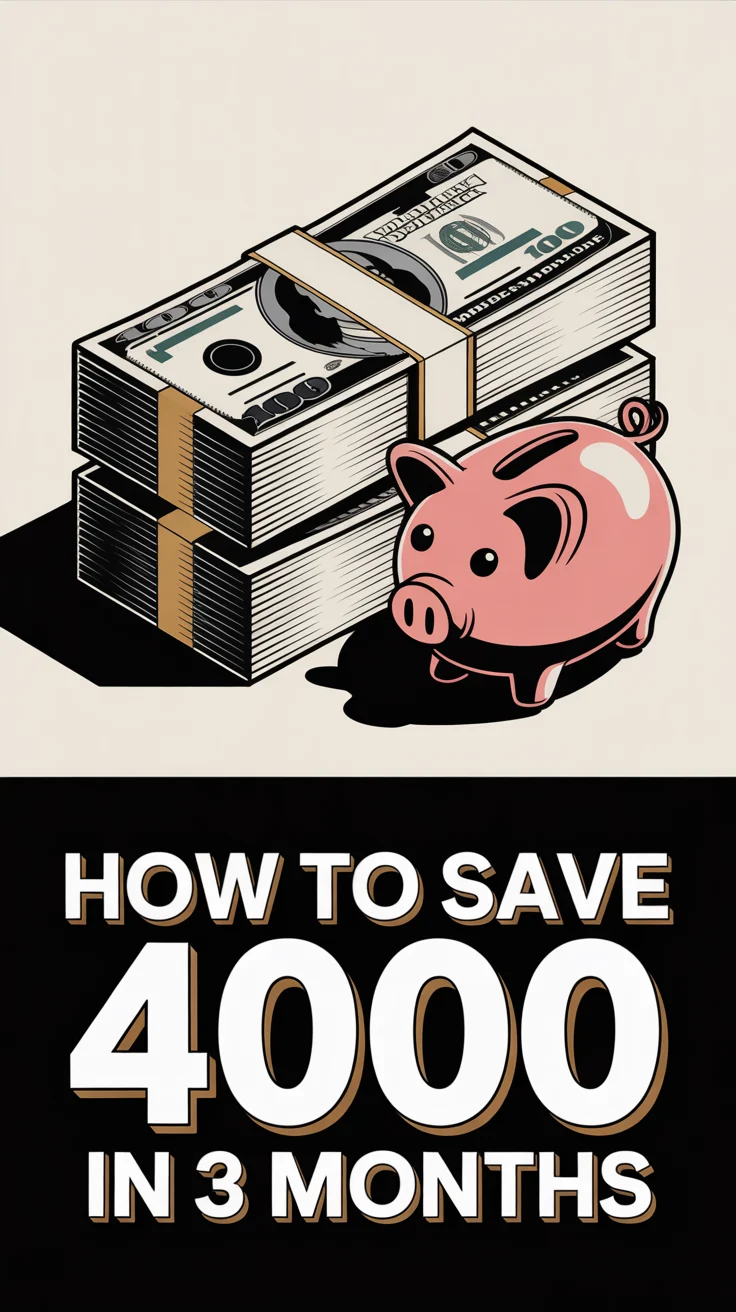
💰 How To Save 4000 In 3 Months
📚 The Financial Literacy Library
The best investment you can ever make is in your own financial education. These 5 cornerstone books are what millionaires, financial advisors, and wealth-builders universally recommend for completely rewiring how you think about earning, saving, and investing money.
🧠 The Psychology of Money
Doing well with money isn't necessarily about what you know—it's about how you behave. Morgan Housel masterfully breaks down the emotional and psychological biases that secretly dictate our financial decisions, offering a true paradigm shift in how to view wealth.
🏠 Rich Dad Poor Dad
The #1 personal finance book of all time for a reason. This foundational read shatters the myth that you need to earn a high income to be rich, teaching you the critical difference between working for money and making your money work for you via assets.
📈 Atomic Habits
While not strictly a finance book, building wealth is absolutely dependent on the daily habits you cultivate. James Clear provides the definitive framework for breaking bad spending habits and effortlessly automating the good ones that lead to long-term success.
📊 The Simple Path to Wealth
The ultimate antidote to complex, intimidating financial advice. JL Collins provides an incredibly accessible, low-stress roadmap to financial independence through index fund investing, perfectly explaining why simplicity beats Wall Street complexity every time.
💳 I Will Teach You to Be Rich
A tactical, no-BS, 6-week program that actually works. Ramit Sethi teaches you how to crush debt, automate your savings, and negotiate your salary—all while guilt-free spending on the things you truly love. A must-read for modern money management.
Imagine having an extra $4000 in your bank account just 90 days from now. What would you do with it? Pay off a nagging credit card debt? Finally build that emergency fund you’ve been dreaming of? Put a significant dent in a down payment for a house or a new car? Whatever your goal, saving a substantial amount like $4000 in a relatively short timeframe is not just a pipe dream – it’s an achievable reality with the right strategies and a committed mindset. This guide will walk you through the practical steps, smart hacks, and mindset shifts you need to make it happen, turning complex financial concepts into easy-to-understand, actionable advice.
Quick Overview
This challenge is about transforming your financial habits and accelerating your savings. You’ll learn to identify hidden money leaks, boost your income, and cultivate a money-smart mindset that extends far beyond these three months.
- Time needed: 3 months (90 days) of dedicated focus and action.
- Difficulty: Intermediate (requires commitment, discipline, and a willingness to make significant changes, but entirely achievable for most).
- What you’ll need: A clear picture of your current finances (bank statements, bills), a budgeting tool (app, spreadsheet, or notebook), an internet connection for potential side hustles, and a strong dose of determination.
Step-by-Step Instructions
Step 1: Get Crystal Clear on Your “Why” and Your Numbers
Before you even think about cutting a single expense, you need to understand two critical things: your motivation and your current financial landscape. Saving $4000 in three months means putting away approximately $1333.33 each month, or about $307.70 per week. This isn’t pocket change, and you’ll need a powerful “why” to stay motivated.
- Define Your “Why”: Is it financial freedom? Peace of mind? A specific purchase? Write it down and keep it somewhere visible. This will be your fuel when things get tough.
- Calculate Your Baseline: Gather all your bank statements, credit card bills, and pay stubs from the last 1-2 months. Categorize every single dollar that comes in and goes out. This is your honest financial snapshot. What’s your total income? What are your fixed expenses (rent, loans)? What are your variable expenses (groceries, entertainment)?
- Set Your Monthly Target: You know you need to save $1333.33 per month. Compare this to your current spending. How much of a gap is there? This gap is what you need to bridge through a combination of cutting expenses and increasing income.
Pro tip: Use a budgeting app like Mint, YNAB (You Need A Budget), or a simple spreadsheet. These tools automate the tracking and categorization, making it much easier to see where your money is actually going. Knowing your numbers isn’t about judgment; it’s about empowerment.
Step 2: Audit & Aggressively Slash Your Expenses
This is where the rubber meets the road. Go through your baseline budget with a fine-tooth comb. Every expense needs to justify its existence for the next three months. Think of this as a temporary financial cleanse.
- Distinguish Wants vs. Needs: Be brutal. Rent is a need. That daily gourmet coffee? A want. Streaming services? Mostly wants. Eating out? Definitely a want. For the next 90 days, prioritize needs above all else.
- Target the “Small Leaks”: Those daily coffees, impulse buys at the grocery store, forgotten subscriptions. They add up faster than you think. Canceling a $15 streaming service, avoiding a $5 coffee five times a week, and packing lunch instead of buying it can save you hundreds over three months.
- Cut Non-Essential Subscriptions: Review every single subscription. If you haven’t used it in the last month, or if it’s not absolutely essential for your work or well-being, cancel it. You can always resubscribe later.
- Minimize Entertainment & Social Spending: For three months, replace paid entertainment with free alternatives. Potlucks instead of restaurant dinners, park walks instead of movie tickets, library books instead of new purchases. Be creative!
Pro tip: Implement a “cooling-off period” for any non-essential purchase. If you want something, wait 24-48 hours. Often, the urge passes, and you realize you don’t truly need it. This simple trick can save you hundreds.
Step 3: Optimize Your Big 3 — Housing, Transportation, Food
These three categories typically consume the largest portion of most people’s income. Small adjustments here can lead to massive savings.
- Housing Hacks:
- Negotiate Bills: Call your internet, cable, and even insurance providers. Ask for a better rate or threaten to switch. Often, they’ll offer a discount or a better package to keep you.
- Reduce Utilities: Be mindful of your electricity and water usage. Unplug unused electronics, take shorter showers, adjust your thermostat.
- Consider a Temporary Roommate (if applicable): If you have a spare room, even a short-term sublet can significantly reduce your housing costs for three months.
- Transportation Tactics:
- Carpool or Public Transport: If you drive, can you carpool with a colleague or use public transport a few days a week?
- Walk or Bike More: For shorter distances, embrace active transport. It saves money and boosts your health.
- Bundle Errands: Plan your driving trips efficiently to reduce fuel consumption.
- Food Frugality:
- Meal Prep Like a Pro: Plan all your meals for the week, create a grocery list, and stick to it. Cook in bulk. This is one of the most effective ways to slash food costs.
- Eat at Home: Absolutely minimize eating out, including takeout and delivery. These are huge budgetbusters.
- Shop Smart: Buy generic brands, look for sales, use coupons, and never shop hungry. Prioritize cooking with ingredients you already have.
Pro tip: Challenge yourself to a “no-spend on groceries” week by only eating what’s already in your pantry and freezer. You’ll be amazed at what you can create and how much you save.
Step 4: Boost Your Income Strategically
Cutting expenses alone might not get you to $4000 in three months, especially if your income is modest. This is where income generation becomes crucial. Think aggressively about how you can earn extra cash.
- Sell Unused Items: Declutter your home and sell anything you no longer need or use. Clothes, electronics, furniture, books – list them on platforms like eBay, Facebook Marketplace, Craigslist, or local consignment shops. You’d be surprised how quickly this adds up.
- Take on a Side Hustle:
- Gig Economy: Drive for ride-sharing apps (Uber, Lyft), deliver food (DoorDash, Uber Eats), or run errands for others (TaskRabbit).
- Freelance Your Skills: If you have skills in writing, editing, graphic design, web development, social media management, virtual assistance, or tutoring, offer your services on platforms like Upwork, Fiverr, or local community boards.
- Pet Sitting/House Sitting: Offer services to friends, family, or through local groups.
- Temporary Gigs: Look for seasonal work, event staffing, or temporary positions that fit your schedule.
- Ask for a Raise/Overtime (if applicable): If you’re due for a performance review or have been excelling, it might be the right time to negotiate a small raise. If overtime is available at your current job, volunteer for it.
Pro tip: Focus on side hustles that leverage existing skills or resources (like your car) to minimize startup costs and maximize immediate earnings. Set a daily or weekly income target for your side hustle to ensure you stay on track.
Step 5: Automate Your Savings – Make it Non-Negotiable
The easiest way to ensure you hit your savings goal is to make it automatic. Pay yourself first, before any other bills or expenses.
- Set Up Automatic Transfers: Immediately after you get paid, have a fixed amount (e.g., $307.70 if paid weekly, or $615.33 if bi-weekly) automatically transferred from your checking account to a dedicated savings account.
- Use a Separate Savings Account: Keep your challenge savings in an account that’s separate from your everyday checking. Ideally, choose a high-yield savings account (HYSA) to earn a little extra interest, but the primary goal is to make it less accessible for impulse spending.
- Treat Savings as a Bill: Just like rent or a loan payment, your savings goal is a non-negotiable expense. Budget for it first.
Pro tip: If your employer offers direct deposit splitting, send a portion of your paycheck directly into your savings account before it even hits your checking. “Out of sight, out of mind” can be a powerful saving strategy.
Step 6: Track Your Progress Relentlessly & Celebrate Wins
Visibility and positive reinforcement are crucial for maintaining momentum over three months.
- Visual Tracker: Create a physical or digital tracker. A thermometer chart, a spreadsheet with progress bars, or even a simple calendar where you mark off each day you stick to your budget. Seeing your progress visually is incredibly motivating.
- Daily/Weekly Check-ins: Take 5-10 minutes each day or week to review your spending and savings. Are you on track? Do you need to adjust anything? This constant awareness prevents you from drifting off course.
- Celebrate Mini-Milestones: When you hit $1000, $2000, or the halfway mark, acknowledge your achievement. This doesn’t mean spending money, but perhaps treating yourself to a free outdoor activity or a relaxing evening.
Pro tip: Share your goal with a trusted friend or family member who can act as an accountability partner. Knowing someone else is aware of your challenge can provide an extra layer of motivation.
Step 7: Embrace a Frugal Mindset & Find Free Fun
Saving aggressively isn’t just about cutting; it’s about shifting your perspective on money and happiness. You don’t need to spend money to have a rich life.
- Mindful Spending: Before every purchase, ask yourself: “Do I truly need this? Does it align with my $4000 goal?” Practice gratitude for what you have instead of constantly seeking external gratification through spending.
- Discover Free Activities: Your community likely offers a wealth of free or low-cost activities. Libraries, parks, hiking trails, free museum days, community events, window shopping, board game nights with friends.
- DIY Everything: Can you do your own nails? Cut your own hair (carefully!)? Fix that small household item instead of replacing it? Cook from scratch? Embrace the satisfaction of self-sufficiency.
Pro tip: Keep a “gratitude journal” focused on non-monetary joys. This helps shift your focus from what you’re “giving up” to all the abundance you already have, making the saving journey feel less like deprivation and more like empowerment.
Step 8: Implement “No-Spend” Challenges
These short, intense periods can supercharge your savings and reveal just how much you spend unnecessarily.
- Start Small: Try a “no-spend weekend” where you commit to spending absolutely no money on anything non-essential. Pack food, find free entertainment, stay home.
- Extend the Challenge: Once you’ve mastered a weekend, try a “no-spend week.” This is a powerful exercise in creativity and discipline.
- Designated “No-Spend” Days: Even if you can’t do a full week, designate 2-3 days a week where you commit to spending zero dollars outside of absolute necessities like gas to get to work (if no alternative).
Pro tip: Use the money you would have spent during these challenges and immediately transfer it to your savings account. This makes the impact tangible and rewarding.
Step 9: Protect Your Progress from Lifestyle Creep
As you start earning more or finding extra cash, there’s a natural tendency to let your spending increase. This is called lifestyle creep, and it’s a savings killer.
- Stick to Your Budget: Even if you make an extra $500 from a side hustle, don’t automatically allocate it to “fun money.” That extra cash should go straight to your $4000 goal.
- Maintain Your Frugal Habits: Don’t revert to old spending patterns just because you have a bit more in your checking account. The goal is to save the $4000, not just to earn it and spend it.
- Reinvest Your Savings Mentality: Think of every dollar saved or earned as a soldier for your financial army. You’re building your forces, not depleting them.
Pro tip: For any unexpected windfalls (bonus, tax refund, gift), immediately allocate 80-100% of it to your savings goal. This accelerates your progress significantly without requiring you to cut more from your regular budget.
Common Mistakes to Avoid
- Not Having a Clear Budget or Tracking:
Why problematic: Without knowing exactly where your money is going, you’re essentially driving blind. You can’t cut what you don’t track, and you’ll constantly wonder why your savings aren’t growing.
Correct approach: Dedicate time to create a detailed budget (Step 1) and meticulously track every dollar spent (Step 6). Use apps or spreadsheets to make this process easier and more accurate.
- Trying to Cut Too Much Too Fast:
Why problematic: Going from lavish spending to extreme deprivation overnight is a recipe for burnout and failure. It’s unsustainable and often leads to giving up entirely.
Correct approach: While this challenge requires aggressive cuts, make them strategic and sustainable for three months. Focus on the biggest impact areas first (food, entertainment) and allow for tiny, occasional “treats” if absolutely necessary, but keep them within strict limits. Incremental changes build lasting habits.
- Ignoring Income Generation:
Why problematic: Relying solely on cutting expenses can feel limiting and might not be enough to hit such an ambitious goal. There’s only so much you can cut before impacting your quality of life.
Correct approach: Actively seek ways to boost your income (Step 4). Selling unused items, taking on a side hustle, or even asking for more hours at work can significantly accelerate your savings without requiring deeper cuts into your essentials.
- Falling for Lifestyle Creep:
Why problematic: As you start earning more from side hustles or find yourself with more discretionary income due to cuts, it’s easy to unconsciously increase your spending, negating your hard work.
Correct approach: Be vigilant (Step 9). Immediately transfer any extra income directly into your savings account. Stick to your original budget and don’t let increased cash flow lead to increased spending during your 3-month challenge.
- Lack of Accountability or Motivation Maintenance:
Why problematic: Saving is a marathon, not a sprint, even over three months. Without constant reminders of your goal and visible progress, it’s easy to lose steam and revert to old habits.
Correct approach: Keep your “why” front and center. Use visual trackers, share your goal with an accountability partner, and celebrate small milestones (Step 6). Regularly remind yourself of the freedom and possibilities that $4000 will bring.
Troubleshooting
- “I don’t have enough money to save $1333 a month!”
Solution: Revisit your budget with an even more critical eye. Are there any “needs” that could temporarily become “wants”? Can you temporarily reduce a fixed expense (e.g., call insurance to lower premiums)? More importantly, double down on income generation. Even an extra $50-$100 a week from a side hustle can make a huge difference. Every dollar saved or earned gets you closer.
- “I keep overspending on impulse buys.”
Solution: Implement a “cooling-off period” (Pro tip in Step 2). Unsubscribe from marketing emails. Avoid stores or online sites that tempt you. Set a daily spending limit for non-essentials and physically track it. Most effectively, automate your savings first (Step 5) so there’s less money available for impulse buys.
- “I’m losing motivation and feeling deprived.”
Solution: Go back to your “why” (Step 1). Re-read it, visualize the outcome. Review your progress tracker (Step 6) and see how far you’ve come. Plan a free, fun activity (Step 7) to give yourself a mental break. Remind yourself this is a temporary, focused effort for a significant reward. Connect with your accountability partner for encouragement.
Key Takeaways
- Clarity is Power: Understand your exact financial situation and your compelling “why” for saving.
- Budget Aggressively: Ruthlessly cut non-essential expenses and optimize your biggest spending categories (housing, transport, food).
- Boost Your Income: Don’t rely solely on cutting; actively seek ways to earn extra cash through side hustles or selling items.
- Automate Your Savings: Make saving non-negotiable by setting up automatic transfers as soon as you get paid.
- Track & Stay Motivated: Monitor your progress visibly and celebrate milestones to maintain momentum.
- Mindset Matters: Embrace a frugal, money-smart mindset and find joy in free activities.
- Be Vigilant: Guard against common pitfalls like lifestyle creep and burnout.
Frequently Asked Questions
Is saving $4000 in 3 months realistic for everyone?
It depends heavily on your current income, expenses, and commitment. For someone with a low income and high fixed expenses, it might be extremely challenging. However, for many, with aggressive expense cuts and active income generation, it’s absolutely realistic. The principles apply to everyone, even if the exact dollar amount needs adjustment.
What if I don’t reach exactly $4000? Is it still a failure?
Absolutely not! Any amount saved is a success. The goal is ambitious, and even if you save $2000 or $3000, you’ve developed incredible financial discipline and gained valuable insight into your money habits. Celebrate your progress and apply what you’ve learned to future savings goals.
Where should I keep my savings during this challenge?
It’s best to keep it in a separate, dedicated savings account, ideally a high-yield savings account (HYSA) that earns a bit of interest. This makes it harder to access for impulse spending and helps you visualize your growing fund. Avoid keeping it in your everyday checking account.
Should I prioritize paying off high-interest debt or saving this $4000?
This is a common dilemma. Generally, it’s wise to build a small emergency fund ($1000 is a good starting point) first to prevent new debt. After that, if you have high-interest debt (like credit cards with 15%+ APR), paying that off often provides a better “return” than most savings accounts. However, this challenge focuses on building a lump sum. You could save the $4000 and then immediately use it to aggressively pay down that debt, or save a portion and pay a portion, depending on your comfort level and the specific interest rates.
What’s Next?
Congratulations on completing the challenge (or even starting it!). The journey to financial freedom doesn’t end here. Now that you’ve proven to yourself that you can save aggressively, consider these next steps:
- Build a Robust Emergency Fund: If your $4000 was your first step, aim for 3-6 months’ worth of living expenses in a liquid, accessible savings account.
- Tackle High-Interest Debt: Use your new saving habits to aggressively pay down credit cards, personal loans, or other costly debts.
- Start Investing: Once your emergency fund is solid and high-interest debt is managed, begin exploring investment options like a 401(k), IRA, or a brokerage account to grow your wealth long-term.
- Maintain Your Money-Smart Habits: Don’t let your discipline fade. Continue budgeting, tracking, and making conscious spending decisions.
The power to change your financial future is in your hands. Take that first step today, and watch your money grow!