💰 How To Save 20000 In 6 Months
📚 The Financial Literacy Library
The best investment you can ever make is in your own financial education. These 5 cornerstone books are what millionaires, financial advisors, and wealth-builders universally recommend for completely rewiring how you think about earning, saving, and investing money.
🧠 The Psychology of Money
Doing well with money isn't necessarily about what you know—it's about how you behave. Morgan Housel masterfully breaks down the emotional and psychological biases that secretly dictate our financial decisions, offering a true paradigm shift in how to view wealth.
🏠 Rich Dad Poor Dad
The #1 personal finance book of all time for a reason. This foundational read shatters the myth that you need to earn a high income to be rich, teaching you the critical difference between working for money and making your money work for you via assets.
📈 Atomic Habits
While not strictly a finance book, building wealth is absolutely dependent on the daily habits you cultivate. James Clear provides the definitive framework for breaking bad spending habits and effortlessly automating the good ones that lead to long-term success.
📊 The Simple Path to Wealth
The ultimate antidote to complex, intimidating financial advice. JL Collins provides an incredibly accessible, low-stress roadmap to financial independence through index fund investing, perfectly explaining why simplicity beats Wall Street complexity every time.
💳 I Will Teach You to Be Rich
A tactical, no-BS, 6-week program that actually works. Ramit Sethi teaches you how to crush debt, automate your savings, and negotiate your salary—all while guilt-free spending on the things you truly love. A must-read for modern money management.
Imagine what an extra $20,000 could do for your life in just half a year. Whether it’s for a down payment on a house, funding a dream vacation, paying off high-interest debt, or creating a robust emergency fund, saving such a significant sum in a short timeframe might seem daunting, even impossible. But with the right strategies, unwavering commitment, and a smart, actionable plan, it’s not just a pipe dream – it’s an achievable reality. This guide will break down the process into manageable steps, empowering you to transform your financial goals into tangible success.

Quick Overview
Saving $20,000 in six months is an ambitious but entirely achievable goal that demands discipline, strategic planning, and a proactive approach to both your spending and your earning. By following this guide, you’ll learn how to identify your financial leaks, create a powerful budget, boost your income, and stay motivated on your path to financial freedom.
Time needed: 6 months of focused effort
Difficulty: Intermediate (requires dedication and potentially lifestyle adjustments)
What you’ll need: A clear financial goal, access to your bank statements, a budgeting tool (spreadsheet or app), a strong internet connection (for side hustles), and unwavering commitment.
Step-by-Step Instructions
Step 1: Define Your “Why” and Calculate Your Target
Before you even think about cutting expenses or earning more, you need a compelling reason for saving $20,000. What is this money for? A down payment? A new skill? Financial security? Your “why” will be your fuel when motivation wanes. Write it down, visualize it, make it real. Once your “why” is crystal clear, let’s break down the numbers.
To save $20,000 in 6 months, you need to save approximately $3,333.33 per month.
$20,000 / 6 months = $3,333.33/month
This translates to roughly $769.23 per week ($3,333.33 / 4.33 weeks)
Or about $109.59 per day ($3,333.33 / 30.4 days)
Seeing these smaller, daily or weekly targets can make the overall goal feel less overwhelming. This is your target, your bullseye. Every financial decision you make for the next six months should be weighed against this number.
Pro tip: Create a visual reminder of your “why.” This could be a picture of your dream home, a vision board, or a sticky note on your computer. Place it somewhere you’ll see it every single day to reinforce your motivation.
Step 2: Audit Your Current Finances (The Brutal Truth)
You can’t fix what you don’t understand. The first practical step is to get a completely honest, no-holds-barred look at where your money is currently coming from and, more importantly, where it’s going. Gather all your bank statements, credit card statements, and pay stubs from the last 2-3 months.
Categorize every single expense:
Income: All sources of money coming in (salary, freelancing, interest, etc.).
Fixed Expenses: These are generally the same every month (rent/mortgage, loan payments, insurance premiums, subscriptions).
Variable Expenses: These fluctuate (groceries, dining out, entertainment, gas, utilities, shopping).
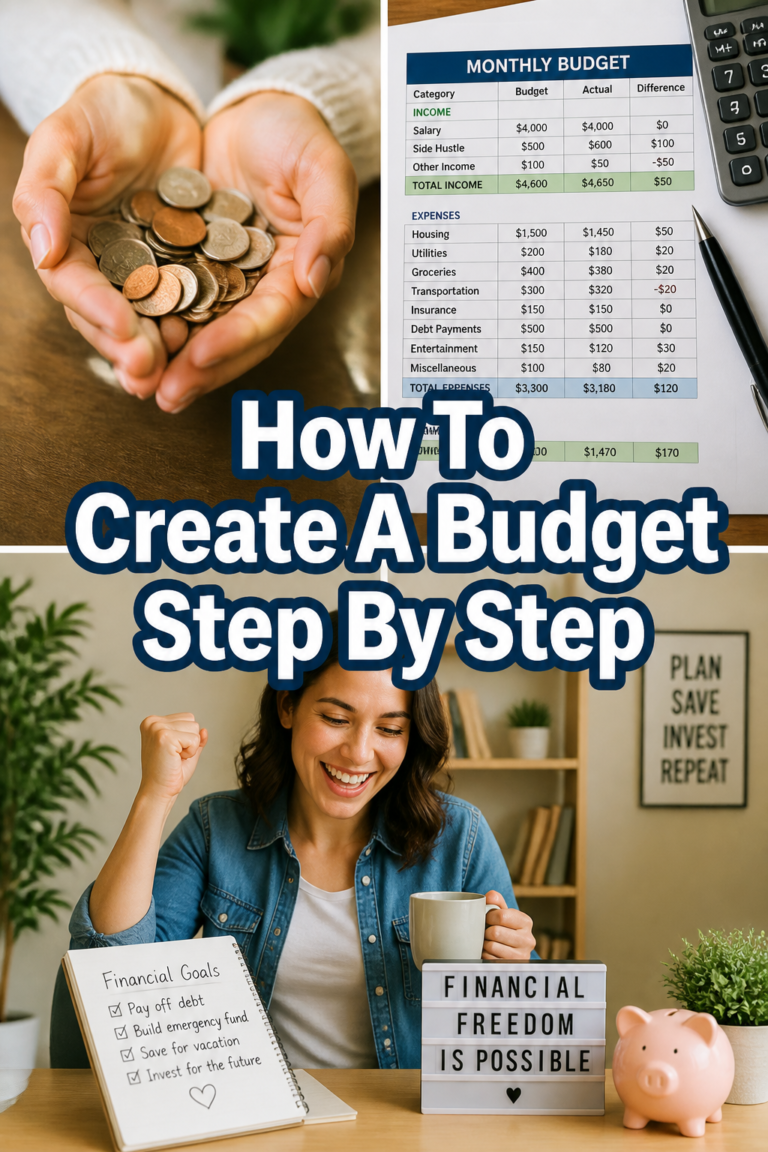
Use a spreadsheet, a budgeting app (like Mint, YNAB, or Personal Capital), or even just pen and paper. The goal is to identify your average monthly income and your average monthly spending in each category. This isn’t about judgment; it’s about information. You’re looking for patterns, habits, and potential “money leaks” – those small, seemingly insignificant expenses that add up to a significant drain over time.
Pro tip: Don’t forget to track cash spending. Many people overlook this, thinking small cash purchases don’t matter, but they can quickly erode your budget. Keep a small notebook or use a note-taking app on your phone to log every cash transaction immediately.
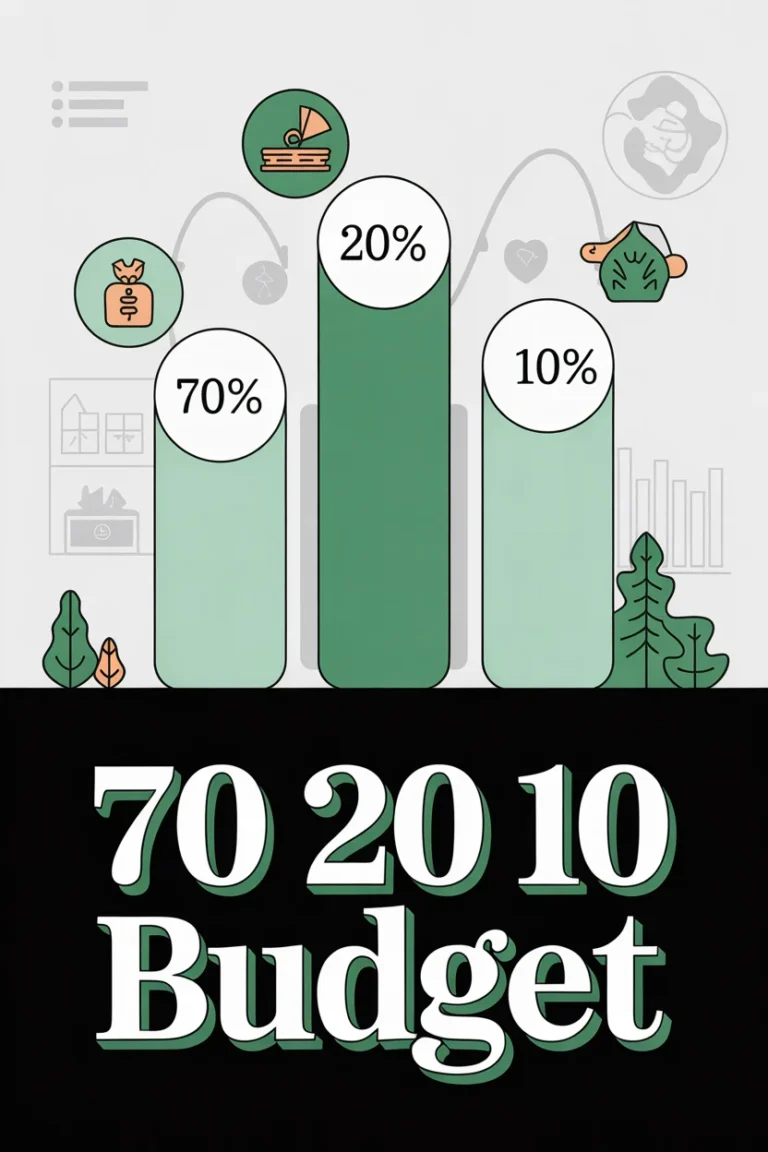
Step 3: Craft a Lean, Mean Budget (The 80/20 Rule)
Now that you know where your money is going, it’s time to create a budget that aligns with your $3,333.33 monthly savings goal. This will likely involve some serious cuts, but remember your “why.” Think of this as a temporary, focused financial sprint, not a permanent lifestyle change (unless you want it to be!).
Prioritize Needs vs. Wants: Ruthlessly categorize every expense. Housing, utilities, basic groceries, and transportation to work are needs. Dining out, entertainment subscriptions, new clothes, and daily coffees are wants. For the next six months, the vast majority of your spending should be on needs.
Attack Variable Expenses First: This is where you have the most control.
Groceries: Meal plan, cook at home, buy generic brands, shop sales, avoid food waste.
Dining Out/Takeout: Eliminate or drastically reduce. Pack lunches, make coffee at home.
Entertainment: Opt for free or low-cost activities (parks, libraries, home movie nights). Cancel unused streaming services.
Transportation: Carpool, walk, bike, use public transport if feasible. Combine errands.
Review Fixed Expenses: Can you negotiate better rates for internet, phone, or insurance? Can you temporarily pause gym memberships or other subscriptions? Even small monthly savings here add up.
Aim to keep your spending to the absolute minimum necessary to cover your basic needs, leaving as much as possible for savings. This might feel uncomfortable initially, but it’s a powerful way to accelerate your savings.
Pro tip: Implement the “envelope system” for variable expenses. Allocate a specific amount of cash for groceries, gas, and personal spending each week. Once the cash is gone, that category is done until the next week. This creates a tangible limit and prevents overspending.
Step 4: Boost Your Income (Side Hustles & Negotiation)
For many, simply cutting expenses won’t be enough to hit $3,333.33 per month in savings. This is where income generation becomes critical. You need to actively look for ways to bring in more money.
Side Hustles: Dedicate evenings and weekends to generating extra income.
Freelancing: If you have marketable skills (writing, graphic design, web development, virtual assistance, social media management), platforms like Upwork, Fiverr, or local classifieds can connect you with clients.
Delivery/Rideshare: Services like Uber Eats, DoorDash, Instacart, or Lyft offer flexible ways to earn.
Selling Unused Items: Declutter your home and sell clothes, electronics, furniture, or collectibles on platforms like eBay, Facebook Marketplace, or local consignment shops.
Pet Sitting/Dog Walking: Offer services to friends, neighbors, or through apps like Rover.
Tutoring: If you excel in a subject, offer tutoring to students.
Odd Jobs: TaskRabbit or local community boards can help you find small gigs like yard work, cleaning, or minor repairs.
Negotiate Your Salary/Raise: If you haven’t recently, consider if there’s an opportunity to ask for a raise at your current job. Prepare a strong case highlighting your contributions and market value.
Monetize Hobbies: Can you turn a hobby into a small income stream? (e.g., baking, crafting, photography).
Every extra dollar earned goes directly towards your $20,000 goal, significantly easing the pressure on your spending cuts.
Pro tip: Set a specific income goal for your side hustle each month (e.g., “I will earn an extra $1000 from freelancing”). Break it down into weekly or daily tasks to make it actionable. Treat your side hustle like a mini-business with its own targets and hours.
Step 5: Automate Your Savings (Make It Non-Negotiable)
The easiest way to ensure you hit your savings target is to remove the human element of decision-making. Make saving automatic and non-negotiable.
Set Up Automatic Transfers: As soon as you get paid, set up an automatic transfer from your checking account to a dedicated high-yield savings account. Aim for the full $3,333.33 if possible, or split it if you get paid bi-weekly. This is often called “paying yourself first.”
Separate Savings Account: Use a separate savings account, ideally one that isn’t easily accessible for everyday spending, and one that offers a decent interest rate. This makes it harder to dip into your savings for impulse purchases.
Direct Deposit Split: Many employers allow you to split your direct deposit, sending a portion directly to your savings account and the rest to your checking. This is the ultimate “out of sight, out of mind” strategy.
By automating, you ensure that your savings goal is prioritized. You then learn to live off what’s left, rather than trying to save what’s left after you’ve spent.
Pro tip: Label your savings account with your “why” (e.g., “Dream Home Fund” or “Travel 2025”). This personalizes the account and provides a constant reminder of your goal, making it less likely you’ll want to withdraw from it.
Step 6: Ruthlessly Cut Unnecessary Expenses
This step is about going through your budget with a fine-tooth comb and identifying every single expense that isn’t absolutely essential for survival or directly contributing to your income. This is where the real “lean and mean” budget comes into play.
Subscription Audit: Go through all your recurring subscriptions (streaming services, apps, gym memberships, recurring boxes). Cancel anything you don’t use regularly or that isn’t absolutely necessary. Even $10-$20 subscriptions add up quickly.
Dining Out & Coffee: This is a huge money sink for many. Commit to making all your meals and coffee at home. The average person spends hundreds per month on these items.
Impulse Purchases: Avoid browsing online stores or even physically entering stores where you’re likely to spend money unnecessarily. Implement a 24-hour rule: if you want to buy something, wait 24 hours. Often, the urge will pass.
Entertainment & Social Life: For six months, prioritize free or very low-cost activities. Suggest potlucks with friends instead of going out to eat. Opt for walks in the park over expensive concert tickets. Be honest with friends about your savings goal; true friends will understand and support you.
Hair, Nails, Personal Services: Consider reducing the frequency of these or finding more affordable alternatives for the next six months.
Transportation: If you have a car, drive less. Combine errands. Walk or bike whenever possible. Even a few dollars saved on gas each week adds up.
This isn’t about deprivation in the long term, but strategic sacrifice for a powerful short-term gain.
Pro tip: Challenge yourself with “no-spend” days or even “no-spend” weeks. Pick a day or a week where you commit to spending absolutely no money beyond your pre-allocated essentials (like groceries purchased on a different day). This builds discipline and highlights how much you can save.
Step 7: Track Your Progress and Stay Motivated
You’re on a six-month sprint, and consistent tracking is crucial for staying on course and maintaining motivation.
Regular Check-ins: At least once a week, review your income, expenses, and savings. Are you on target? If not, where did you deviate, and what adjustments can you make for the coming week?
Visual Trackers: Create a visual savings tracker. This could be a thermometer, a bar graph, or even a simple chart where you color in squares for every $100 or $500 saved. Seeing your progress visually is incredibly motivating.
Celebrate Small Wins: Don’t wait until you hit $20,000 to acknowledge your efforts. When you hit your first $1,000, or your first month’s target, celebrate with a free or low-cost reward (e.g., a special movie night at home, a long walk in nature, an hour dedicated to your favorite hobby).
Accountability Partner: Share your goal with a trusted friend or family member who can provide support and hold you accountable. Regular check-ins with them can keep you focused.
Stay Positive: There will be challenging days or unexpected expenses. Don’t let a small setback derail your entire plan. Acknowledge it, adjust, and get back on track immediately.
Pro tip: Join an online community or forum dedicated to saving money. Sharing experiences, tips, and challenges with like-minded individuals can provide immense support and motivation. Seeing others succeed can inspire you to push harder.
Step 8: Deal with Debt Strategically
If you have high-interest debt (like credit card debt), it can significantly hinder your savings progress because the interest payments eat away at your money. While the primary goal is saving $20,000, addressing debt simultaneously is critical for long-term financial health.
Prioritize High-Interest Debt: If your credit card interest rate is higher than any potential return you’d get from a savings account, consider diverting some of your planned savings temporarily to aggressively pay down that debt first. Every dollar paid towards high-interest debt is a guaranteed “return” on your money, as it prevents future interest charges.
Minimum Payments: At the very least, ensure you’re making minimum payments on all debts to avoid penalties and negative impacts on your credit score.
Balance Transfer Cards: If you have good credit, explore balance transfer credit cards with 0% APR introductory periods. This could give you a window to pay down high-interest debt without accumulating more interest, freeing up more cash for your savings goal.
This step is about balancing immediate savings with smart financial moves that prevent future losses. It’s a delicate balance, but often, reducing debt is a form of saving.
Pro tip: Calculate how much interest you’re paying on your high-interest debt each month. Seeing that number can be a powerful motivator to prioritize paying it down, as it highlights how much money is essentially being thrown away.
Common Mistakes to Avoid
1. Not Having a Clear “Why”: Without a compelling reason, it’s easy to lose motivation when the going gets tough.
Why it’s problematic: You’ll easily succumb to impulse buys or give up on your budget when faced with temporary discomfort.
Correct approach: Define your specific, inspiring goal and keep it front and center.
2. Being Too Restrictive and Burning Out: Attempting to cut every single enjoyable expense can lead to feeling deprived and giving up entirely.
Why it’s problematic: An unsustainable budget leads to frustration, resentment, and ultimately, failure.
Correct approach: Allow for a small, planned “fun money” allocation (even $10-$20 a week) to prevent burnout. This is a sprint, not a death march.
3. Ignoring Income-Boosting Opportunities: Relying solely on cutting expenses often isn’t enough for such an aggressive goal.
Why it’s problematic: You’ll constantly feel squeezed and might not hit your target, leading to demotivation.
Correct approach: Actively seek side hustles, sell unused items, or explore temporary ways to increase your income.
4. Not Tracking Every Dollar: Underestimating small, frequent purchases.
Why it’s problematic: “Death by a thousand cuts.” Those daily coffees, snacks, or small online purchases add up and can derail your budget without you even realizing it.
Correct approach: Meticulously track all expenses, even cash, for the entire six-month period. Use an app or spreadsheet.
5. Failing to Plan for Unexpected Expenses: Life happens, and emergencies can quickly derail a tight budget.
Why it’s problematic: A car repair or medical bill can wipe out weeks of savings and leave you feeling defeated.
Correct approach: Build a small buffer into your budget or have a mini “emergency fund” for the six months. If an unexpected expense occurs, adjust your plan for the following weeks rather than abandoning it.
Troubleshooting
1. “I had an unexpected expense and fell behind!”
Quick solution: Don’t despair. Immediately adjust your budget for the following weeks or months. Can you cut even more in another category? Can you squeeze in an extra side hustle shift? The key is to acknowledge the setback, adjust, and get back on track, not to give up.
2. “My motivation is waning, and I feel deprived.”
Quick solution: Revisit your “why.” Look at your visual tracker. Remind yourself that this is temporary and for a powerful future goal. Consider a small, free reward for your efforts. Talk to your accountability partner. Sometimes, a short break from extreme frugality (like one planned, budget-friendly treat) can reset your focus.
3. “I’m struggling to find extra income with my current schedule.”
Quick solution: Re-evaluate your time. Are there any hours you can realistically dedicate? Even 5-10 extra hours a week at a decent rate can make a huge difference. Consider selling higher-value items you own, or offering services that require less time commitment (e.g., a few hours of virtual assistance). Could you temporarily reduce non-essential activities to free up time?
Key Takeaways
Clarity is Power: A strong “why” and a clear financial target ($3,333.33/month) are your foundation.
Know Your Numbers: Meticulously audit your income and expenses to identify where your money truly goes.
Budget Aggressively: Distinguish needs from wants and make significant (but sustainable) cuts to variable expenses.
Boost Your Earnings: Side hustles are often crucial for hitting such an ambitious savings goal.
Automate Savings: “Pay yourself first” by setting up automatic transfers to a dedicated savings account.
Track & Adjust: Regularly monitor your progress and make necessary adjustments to stay on course.
* Stay Resilient: Expect challenges, but don’t let setbacks derail your entire plan. Learn, adjust, and keep moving forward.
Frequently Asked Questions
1. Is saving $20,000 in 6 months realistic for everyone?
It depends on your current income, expenses, and ability to generate extra income. It’s challenging but achievable for many with a decent income and a willingness to make significant temporary sacrifices. If your income is very low, it might require even more drastic measures or a longer timeframe.
2. What if I only save $15,000? Is that a failure?
Absolutely not! Any amount saved is a success. If you fall short, you’ve still built incredible financial discipline and accumulated a significant sum. Celebrate your achievement and adjust your next goal. The skills you learn are invaluable regardless of the exact total.
3. Should I invest this money immediately after saving it?
It depends on your “why.” If it’s for an emergency fund, keep it in a high-yield savings account. If it’s for a down payment in the near future, also keep it safe. If it’s long-term wealth building and you have a solid emergency fund already, then exploring investment options (like a diversified portfolio) would be a smart next step. Consult a financial advisor for personalized investment advice.
4. How do I deal with social pressure from friends or family who don’t understand my goal?
Be honest and upfront. Explain your ambitious goal and why it’s important to you. Suggest alternative, low-cost ways to socialize (e.g., potlucks, walks, game nights at home). True friends will respect and support your efforts. You might even inspire them!
What’s Next?
You’ve taken the first brave step by reading this guide. The next step is to take action. Don’t wait until tomorrow; start today. Open a spreadsheet, download a budgeting app, or simply grab a pen and paper and begin Step 1: Define Your “Why.” Then, move on to auditing your finances.
Once you hit your $20,000 goal, the financial world truly opens up. You’ll have built incredible momentum and developed invaluable money management skills. Consider what your next financial milestone will be: building a larger investment portfolio, saving for early retirement, buying your first home, or starting a business. The power to control your financial future is now firmly in your hands. You’ve proven you can do it.