🎁 How To Bill Client For Gift Card Format
📚 The Financial Literacy Library
The best investment you can ever make is in your own financial education. These 5 cornerstone books are what millionaires, financial advisors, and wealth-builders universally recommend for completely rewiring how you think about earning, saving, and investing money.
🧠 The Psychology of Money
Doing well with money isn't necessarily about what you know—it's about how you behave. Morgan Housel masterfully breaks down the emotional and psychological biases that secretly dictate our financial decisions, offering a true paradigm shift in how to view wealth.
🏠 Rich Dad Poor Dad
The #1 personal finance book of all time for a reason. This foundational read shatters the myth that you need to earn a high income to be rich, teaching you the critical difference between working for money and making your money work for you via assets.
📈 Atomic Habits
While not strictly a finance book, building wealth is absolutely dependent on the daily habits you cultivate. James Clear provides the definitive framework for breaking bad spending habits and effortlessly automating the good ones that lead to long-term success.
📊 The Simple Path to Wealth
The ultimate antidote to complex, intimidating financial advice. JL Collins provides an incredibly accessible, low-stress roadmap to financial independence through index fund investing, perfectly explaining why simplicity beats Wall Street complexity every time.
💳 I Will Teach You to Be Rich
A tactical, no-BS, 6-week program that actually works. Ramit Sethi teaches you how to crush debt, automate your savings, and negotiate your salary—all while guilt-free spending on the things you truly love. A must-read for modern money management.
Ever felt a little fuzzy about how to professionally bill a client when they want to purchase a gift card from you? You’re not alone! Many business owners, from solo entrepreneurs to small agencies, offer gift cards as a fantastic way to boost sales, attract new clients, and build brand loyalty. But when it comes to the nitty-gritty of invoicing for them, things can get a bit murky. This guide is your friendly compass, designed to navigate you through the process with clarity, confidence, and a touch of money-smart wisdom, ensuring you get paid seamlessly and smartly.
Quick Overview
This guide will empower you to create professional, clear invoices for clients purchasing gift cards from your business. You’ll learn how to structure your billing, set terms, and track these sales effectively, turning a potential headache into a streamlined, wealth-building process.
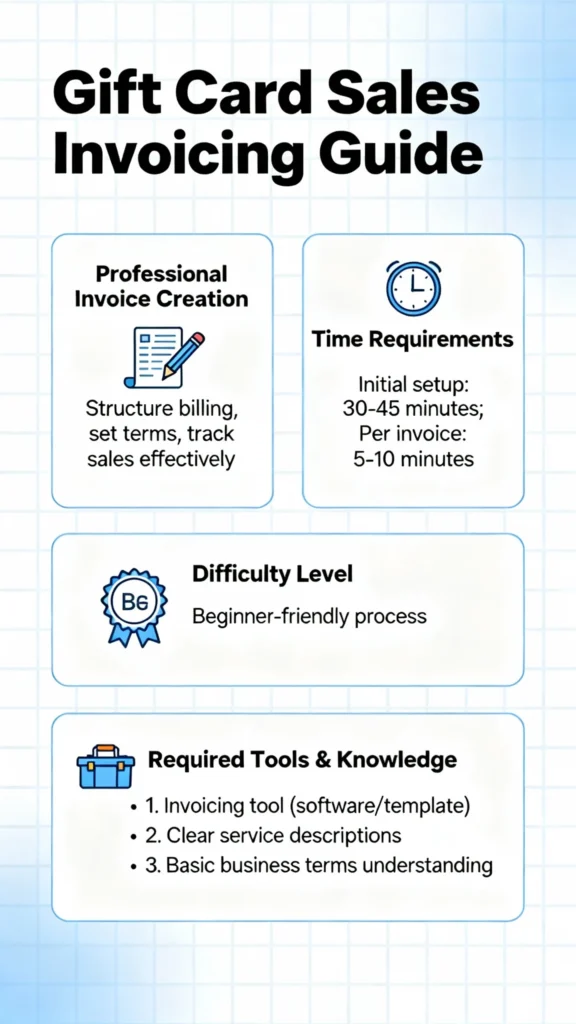
- Time needed: 30-45 minutes (for initial setup and understanding), then 5-10 minutes per invoice.
- Difficulty: Beginner
- What you’ll need: An invoicing tool (software or template), clear service descriptions, a basic understanding of your business’s terms.
Step-by-Step Instructions
Step 1: Unpack the ‘Why’ – The Power of Gift Cards for Your Business
Before you even think about an invoice, let’s zoom out and appreciate why gift cards are a brilliant addition to your financial toolkit. They’re not just a payment method; they’re a marketing powerhouse, a revenue accelerator, and a smart way to diversify your income streams. When a client buys a gift card from you, they’re essentially prepaying for a future service or product, often for someone else. This means immediate cash flow for your business, even before the service is rendered!
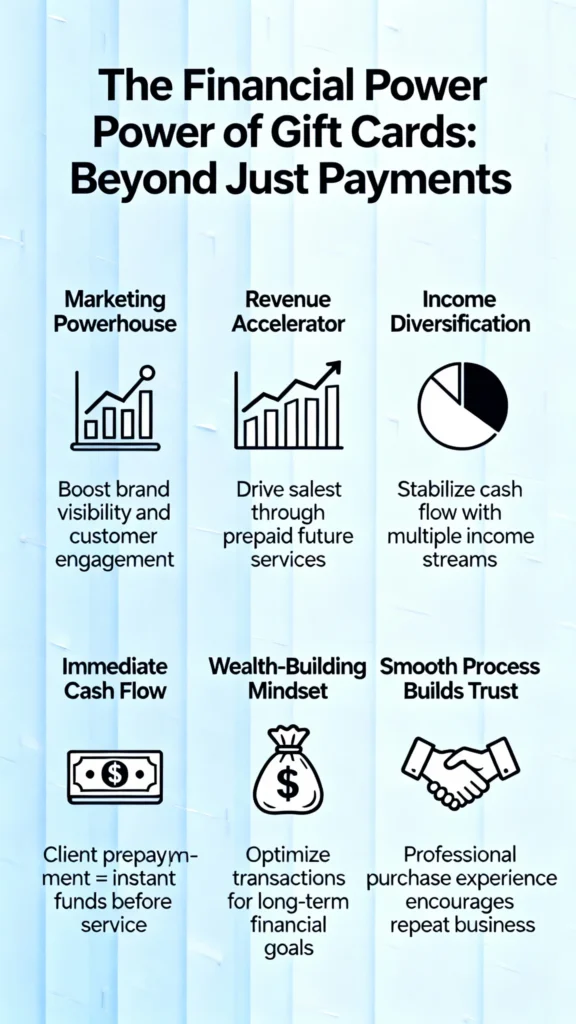
Understanding this ‘why’ helps you approach the billing process with a wealth-building mindset. It’s about optimizing every transaction to support your financial goals. By making the gift card purchase process smooth and professional, you’re not just making a sale; you’re building trust and encouraging repeat business, which is the bedrock of long-term financial stability.
Pro tip: Think of gift card sales as a mini-loan from your client, interest-free! This upfront capital can be invaluable for covering operating costs, investing in new equipment, or even building your business emergency fund. Smart financial management starts with understanding where your money comes from and how to maximize its impact.
Step 2: Define Your Gift Card Offering and Its Structure
Clarity is king when it comes to financial transactions. Before you can bill, you need to clearly define what your gift card represents. Is it for a specific service (e.g., “One-Hour Coaching Session”) or a monetary value (e.g., “$100 Gift Card”)? How will the recipient redeem it? What are the limitations, if any?
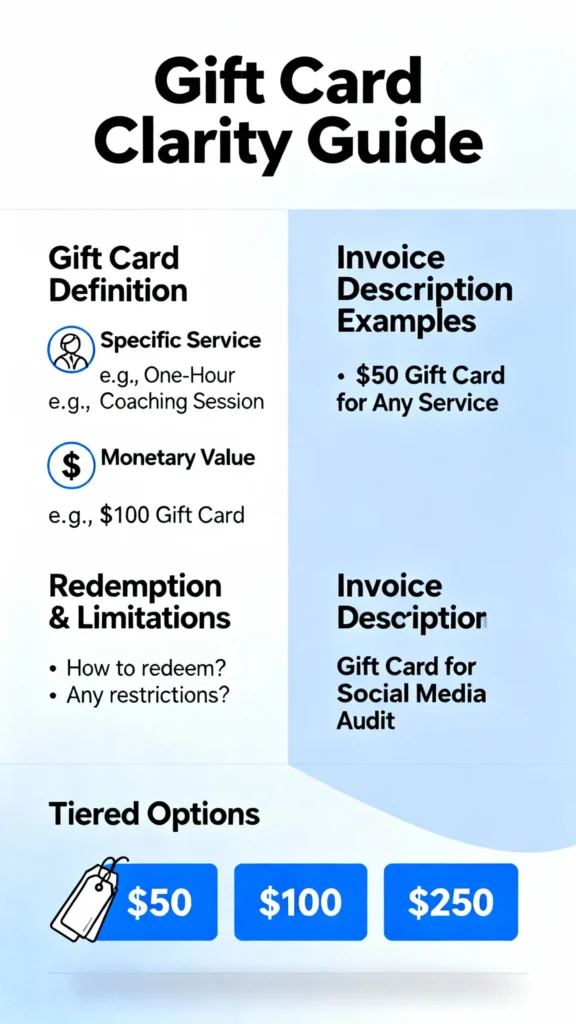
Documenting these details isn’t just good practice; it’s a crucial step in preventing future disputes and ensuring a smooth experience for both the purchaser and the recipient. This clarity directly impacts how you’ll describe the item on your invoice. For example, a $50 gift card for “Any Service” is different from a gift card specifically for “Social Media Audit.”
Pro tip: Consider offering tiered gift card options. For instance, $50, $100, $250. This caters to different budgets and encourages higher-value purchases. This strategy can be a subtle form of upselling, boosting your average transaction value and contributing more significantly to your revenue streams. It’s a simple hack to grow your business’s financial health without increasing your workload.
Step 3: Craft Clear Terms and Conditions for Your Gift Cards
This step is non-negotiable for financial protection and clarity. Every gift card you sell should come with clear, concise terms and conditions. These should be accessible to both the purchaser and the recipient. Key elements to include are:
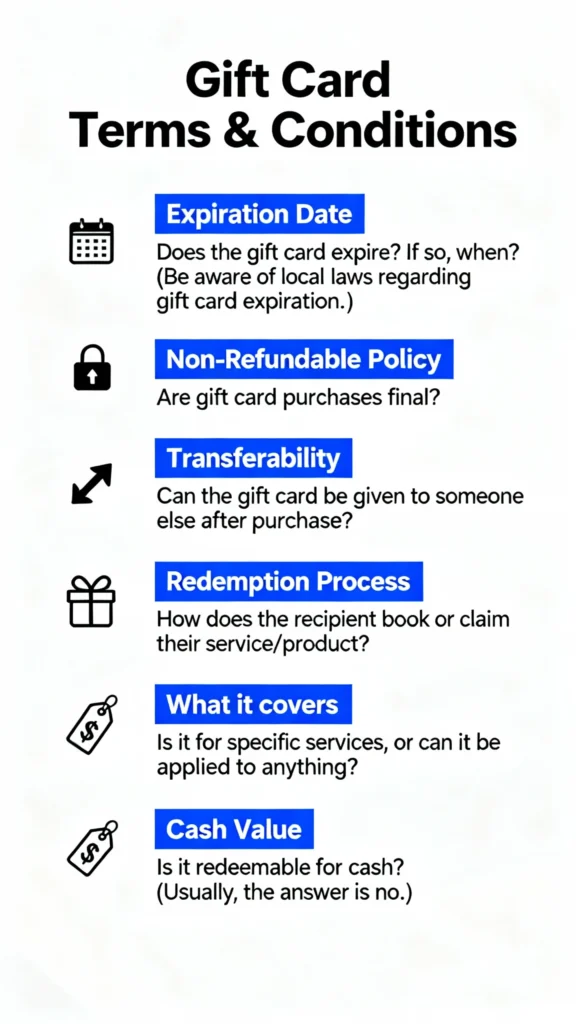
- Expiration Date: Does the gift card expire? If so, when? (Be aware of local laws regarding gift card expiration.)
- Non-Refundable Policy: Are gift card purchases final?
- Transferability: Can the gift card be given to someone else after purchase?
- Redemption Process: How does the recipient book or claim their service/product?
- What it covers: Is it for specific services, or can it be applied to anything?
- Cash Value: Is it redeemable for cash? (Usually, the answer is no.)
These terms protect your business from misunderstandings and potential financial losses. They also build trust with your clients, showing them you’re professional and transparent. Make sure these terms are referenced on your invoice or linked to where they can be found (e.g., your website).
Pro tip: Keep your terms simple and easy to understand. Avoid jargon. A clear, one-page summary is often more effective than a lengthy legal document. This transparency is a cornerstone of building strong client relationships, which, in turn, leads to sustained revenue and a healthier financial outlook for your business.
Step 4: Select Your Billing Method and Tool
How you send your invoice matters. A professional, clear invoice encourages prompt payment and reflects well on your business. You have several options:
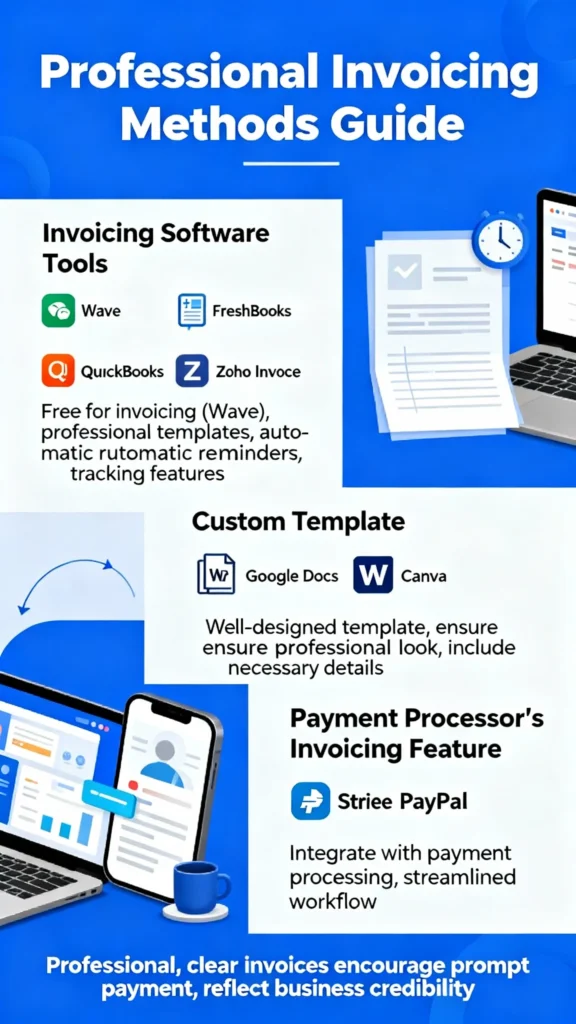
- Invoicing Software: Tools like Wave (free for invoicing), FreshBooks, QuickBooks, or Zoho Invoice offer professional templates, automatic reminders, and tracking features. They streamline the process, saving you time and reducing errors – both of which are critical for financial efficiency.
- Custom Template: If you’re just starting, a well-designed template in Google Docs, Word, or Canva can work. Just ensure it looks professional and includes all necessary details.
- Payment Processor’s Invoicing Feature: Platforms like Stripe or PayPal also have invoicing capabilities that integrate directly with their payment processing, making it super convenient.
The right tool can transform your billing from a chore into a seamless part of your operations. Automation, in particular, frees up your valuable time, allowing you to focus on growing your business and building wealth, rather than getting bogged down in administrative tasks.
Pro tip: Invest in a good invoicing system as your business grows. The time saved on manual invoicing can be redirected towards client acquisition or skill development, offering a high return on investment. This is a classic example of “spending money to make money” – a wise financial decision for any entrepreneur.
Step 5: Create a Professional Invoice for the Gift Card Purchase
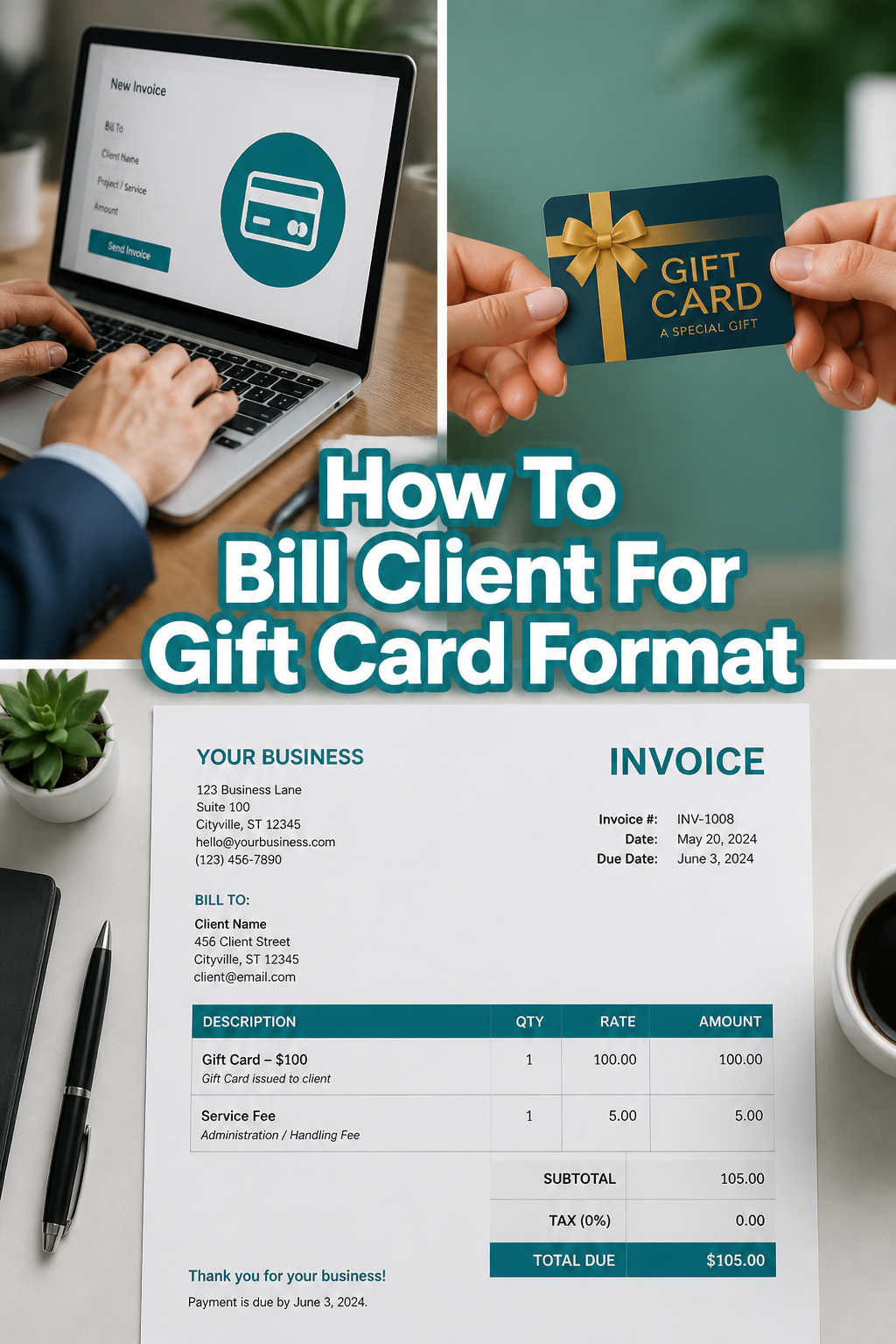
Now for the main event: crafting the invoice itself. Your invoice should be clear, comprehensive, and professional. Here are the essential elements to include:
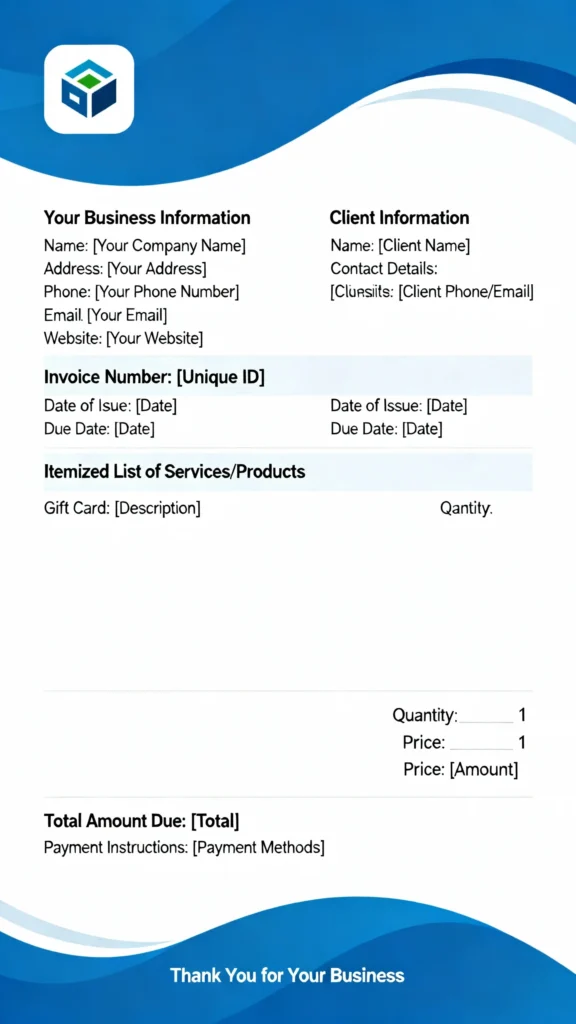
- Your Business Information: Name, address, phone number, email, website, logo.
- Client Information: The name and contact details of the person purchasing the gift card.
- Invoice Number: Unique identifier for tracking.
- Date of Issue: When the invoice was created.
- Due Date: When payment is expected.
- Itemized List of Services/Products: This is where you detail the gift card.
- Total Amount Due.
- Payment Instructions: How the client can pay you.
- Optional: A brief thank you message.
A well-structured invoice minimizes confusion and accelerates payment, directly impacting your cash flow. Remember, every day an invoice goes unpaid is a day your money isn’t working for you.
Pro tip: Consistency in your invoicing format and branding reinforces professionalism. Use your brand colors and fonts. A polished invoice isn’t just about getting paid; it’s about reinforcing your brand’s value and credibility, which is invaluable for long-term business growth and financial success.
Step 6: Clearly Describe the Gift Card Transaction on the Invoice
This is where the “gift card format” aspect truly shines. The description on your invoice needs to be crystal clear that the client is purchasing a gift card, not redeeming one. Here are some effective ways to phrase it:
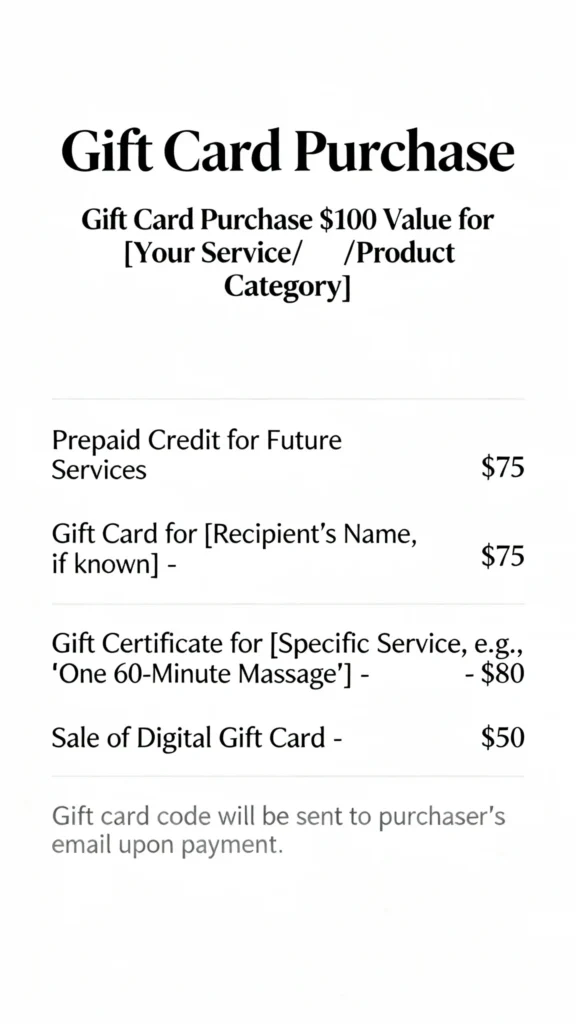
- “Gift Card Purchase: $100 Value for [Your Service/Product Category]”
- “Prepaid Credit for Future Services: Gift Card for [Recipient’s Name, if known] – $75”
- “Gift Certificate for [Specific Service, e.g., ‘One 60-Minute Massage’] – $80”
- “Sale of Digital Gift Card – $50”
Include the value of the gift card and, if applicable, what it can be used for. This prevents any ambiguity. It’s also wise to include a unique gift card code or number on the invoice itself, or mention where the client will receive this code (e.g., “Gift card code will be sent to purchaser’s email upon payment.”).
Pro tip: If you use a system that generates unique gift card codes, make sure that code is clearly communicated to the purchaser. This makes tracking and redemption much easier, reducing administrative hassle and preventing potential financial discrepancies down the line. Efficient tracking is a simple budgeting hack for your business operations.
Step 7: Specify Payment Instructions for the Gift Card Purchase
Your client needs to know how to pay you for the gift card. This isn’t about how the gift card will be redeemed, but how the purchaser pays you for its value. Offer multiple convenient payment options:
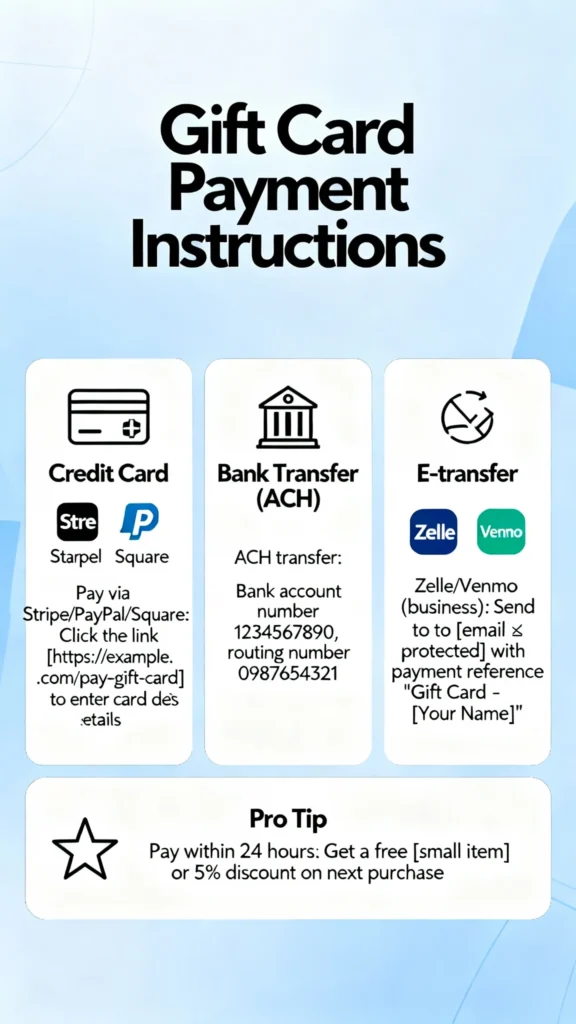
- Credit Card (via Stripe, PayPal, Square, etc.)
- Bank Transfer (ACH)
- E-transfer (e.g., Zelle, Venmo for business)
Clearly state which methods you accept and provide all necessary details (e.g., bank account number for transfers, a link for credit card payments). The easier you make it to pay, the faster you’ll receive your funds. Prompt payment is essential for maintaining healthy cash flow and managing your business budget effectively.
Pro tip: Consider offering a small incentive for immediate payment, like a “pay within 24 hours and get a bonus [small item/discount on next purchase].” This can significantly improve your cash flow, allowing you to reinvest in your business or build up your savings faster. It’s a small financial hack that yields big results.
Step 8: Send the Invoice and Implement a Follow-Up System
Once your invoice is perfect, send it promptly. Email is usually the most efficient method. If you’re using invoicing software, it will likely handle the sending and tracking for you. After sending, don’t just forget about it. Implement a gentle, professional follow-up system:
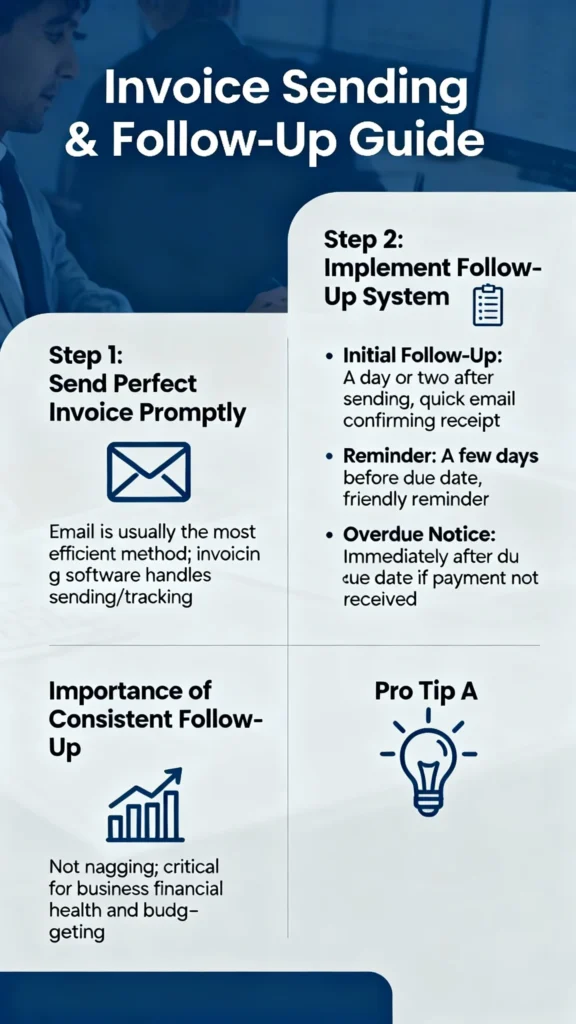
- Initial Follow-up: A day or two after sending, a quick email confirming receipt of the invoice.
- Reminder: A few days before the due date, a friendly reminder.
- Overdue Notice: Immediately after the due date if payment hasn’t been received.
Consistent follow-up is not nagging; it’s professional financial management. It ensures you get paid on time, which is critical for your business’s financial health and budgeting. Unpaid invoices are lost revenue, directly impacting your ability to save, invest, and grow.
Pro tip: Automate your follow-up reminders through your invoicing software. This saves you time and ensures consistency, without the emotional toll of chasing payments manually. Automation is a key wealth-building strategy, freeing up your mental energy for higher-value tasks.
Step 9: Track and Reconcile Gift Card Sales
Selling a gift card isn’t the end of the financial journey; it’s the beginning of a new tracking process. You need a robust system to track:
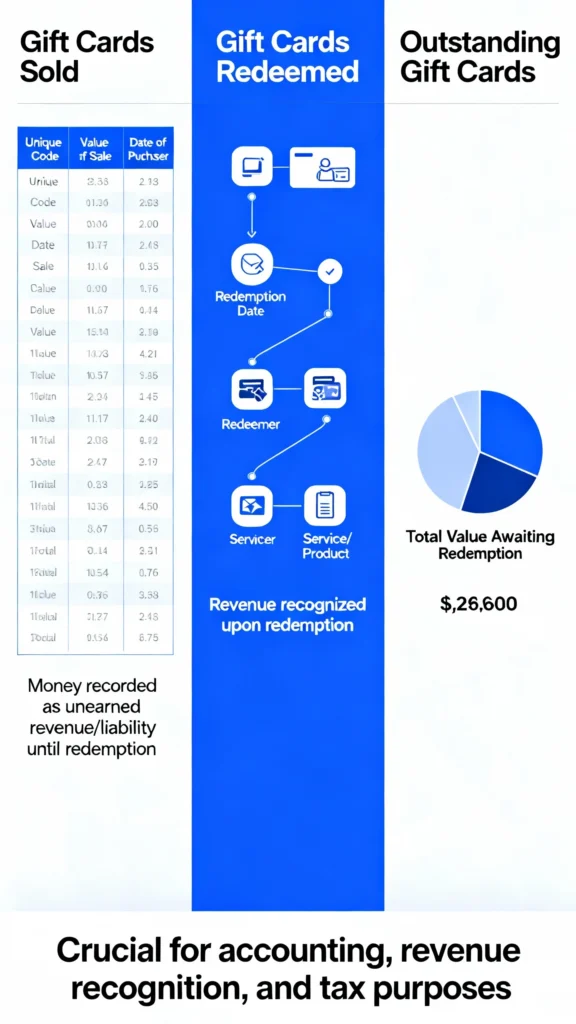
- Gift Cards Sold: Record the unique code, value, date of sale, and purchaser.
- Gift Cards Redeemed: When and by whom a gift card was used, and for what service/product.
- Outstanding Gift Cards: The total value of gift cards still awaiting redemption.
This tracking is crucial for accurate accounting, revenue recognition, and tax purposes. When you sell a gift card, the money is typically recorded as “unearned revenue” or a “liability” until the service is actually provided. Only when the gift card is redeemed does it become “earned revenue.” Understanding this distinction is vital for accurate financial reporting and making smart business decisions.
Pro tip: Use a simple spreadsheet or your accounting software to manage gift card tracking. This allows you to see your financial obligations and earned revenue clearly, which is fundamental for effective budgeting and wealth planning. Good record-keeping is a financial superpower!
Step 10: Educate Your Clients on Gift Card Redemption
While the invoice is for the purchase, the overall client experience includes the redemption. Once the gift card is purchased and delivered (usually via email to the purchaser, who then forwards it to the recipient), make sure the recipient understands how to use it. This might involve:
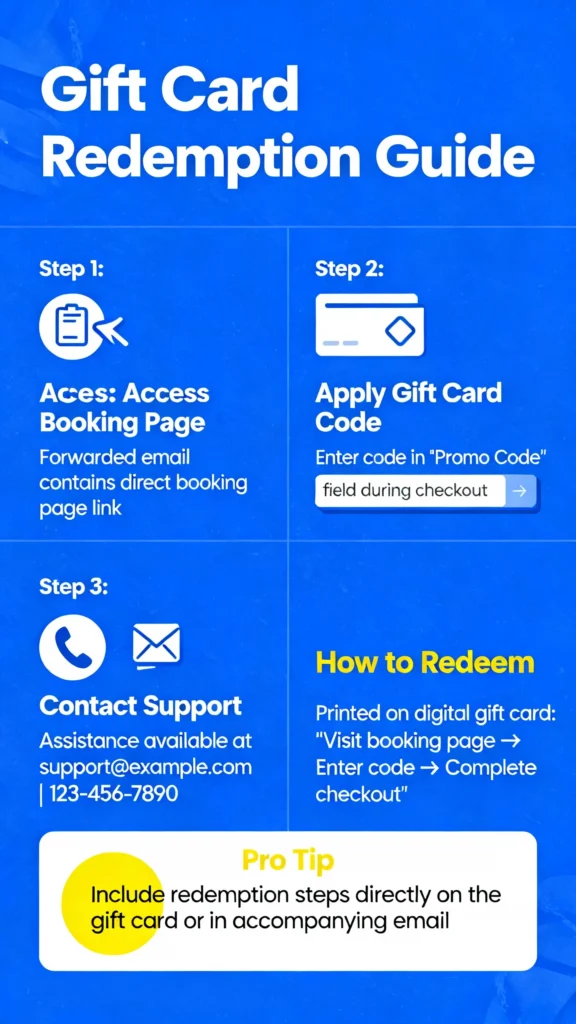
- A clear link to your booking page.
- Instructions on how to apply the gift card code during checkout.
- Contact information for assistance.
A smooth redemption process reduces friction and enhances satisfaction, leading to positive word-of-mouth and potentially new clients – a powerful, free marketing tool. Happy clients are loyal clients, and loyal clients are the backbone of a financially thriving business.
Pro tip: Include a small “How to Redeem” section on the digital gift card itself or in the accompanying email. This proactive approach prevents confusion and ensures a seamless experience, reflecting positively on your brand and encouraging future gift card purchases – a continuous cycle of revenue generation.
Common Mistakes to Avoid
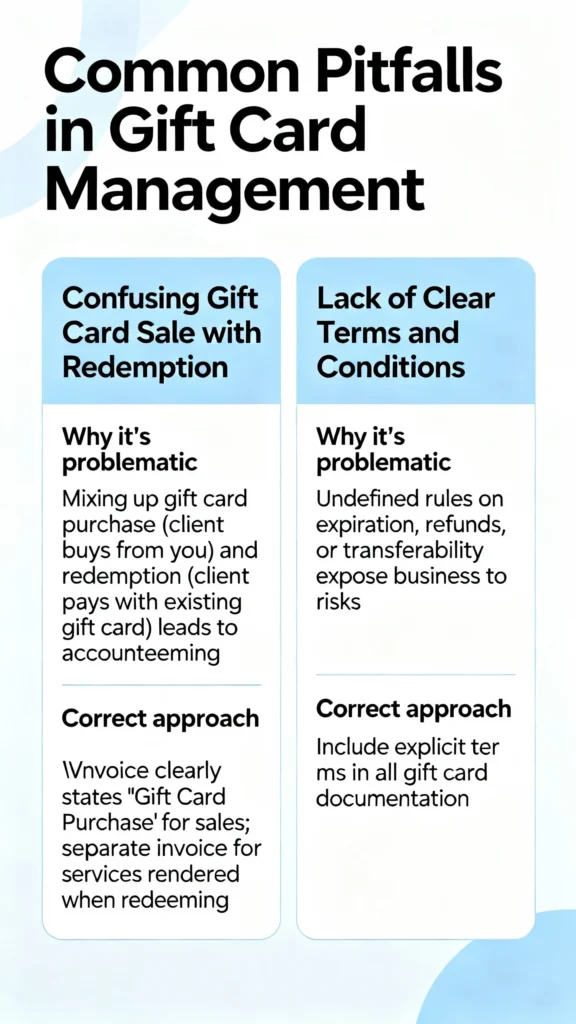
Even with the best intentions, it’s easy to stumble. Here are a few common pitfalls to steer clear of:
- Confusing Gift Card Sale with Redemption:Why it’s problematic: This is perhaps the most common mistake. The invoice is for the client buying the gift card from you. It is NOT for a client paying you with a gift card they already possess. Mixing these up leads to accounting nightmares and client confusion.Correct approach: Ensure your invoice clearly states “Gift Card Purchase” as the item. When a client later redeems a gift card, that’s a separate transaction where the gift card acts as a payment method against a new invoice for services rendered.
- Lack of Clear Terms and Conditions:Why it’s problematic: Without defined rules on expiration, refunds, or transferability, you open your business up to disputes, financial losses, and frustrated clients. This erodes trust and can damage your reputation.Correct approach: Always have explicit, accessible terms and conditions for all gift card sales. Reference these terms on your invoice and provide a link to where they can be found in full.
- Poor Tracking of Gift Card Sales and Redemption:Why it’s problematic: Failing to track sold gift cards (and their unique codes) means you might accidentally honor expired cards, lose track of outstanding liabilities, or struggle with accurate revenue recognition for tax purposes. This directly impacts your financial reporting and budgeting.Correct approach: Implement a robust tracking system (spreadsheet, accounting software, or POS system) for every gift card sold and redeemed. This ensures accurate financial records and protects your business’s bottom line.
- Unprofessional or Incomplete Invoices:Why it’s problematic: An invoice that lacks essential details, looks unprofessional, or is hard to understand can delay payment, make your business seem less credible, and create unnecessary back-and-forth communication.Correct approach: Use a professional invoicing tool or template. Include all necessary business and client details, a clear item description, payment instructions, and due dates. A polished invoice reflects a polished business, encouraging prompt and respectful payment.
Troubleshooting
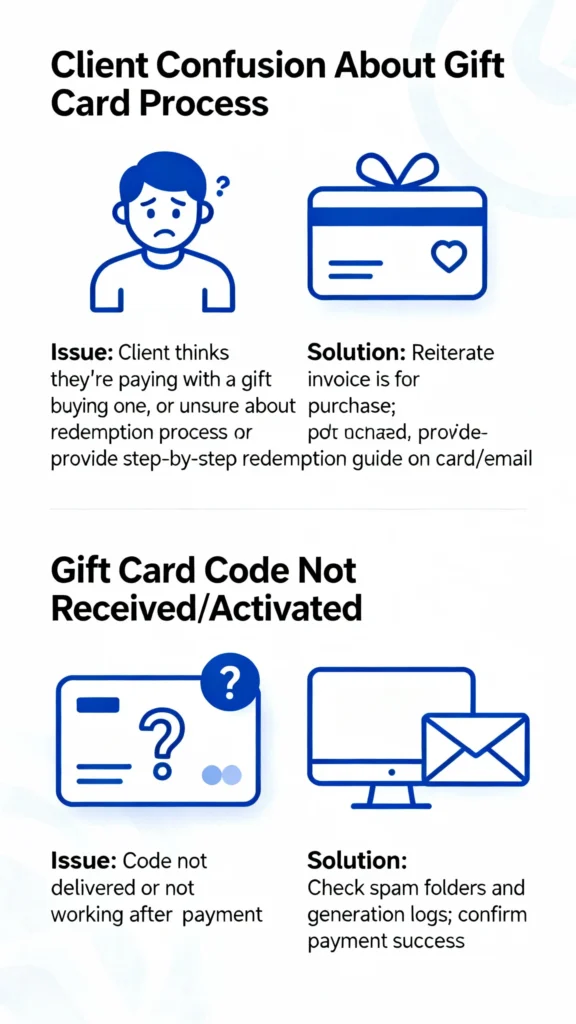
- Client is Confused About the Gift Card Process:Issue: The client thinks they’re paying with a gift card, not buying one, or is unsure about the redemption process for the recipient.Solution: Reiterate clearly, both verbally and in writing, that the invoice is for the purchase of the gift card. Provide a simple, step-by-step guide for the recipient on how to redeem the gift card, either on the gift card itself or in an accompanying email. Clarity is your best friend here.
- Gift Card Code Not Received or Activated After Payment:Issue: The client paid for the gift card, but the unique code wasn’t delivered, or it isn’t working when the recipient tries to use it.Solution: First, check your spam folders and your gift card generation system’s logs. Ensure the payment was successfully processed. If using an automated system, verify its settings. If manual, double-check the code generation and delivery. Immediately provide the correct, active code to the client and apologize for the inconvenience. A quick resolution maintains client trust.
- Disputes Over Gift Card Value or Terms:Issue: A client (or recipient) disputes the value, expiration, or terms of a gift card.Solution: Refer back to your clearly defined terms and conditions (Step 3). Politely but firmly explain the established policies. If there’s an ambiguity or a genuine mistake on your part, address it fairly. Having clear terms upfront usually prevents these issues, but being able to reference them calmly and professionally is key to resolving them.
Key Takeaways
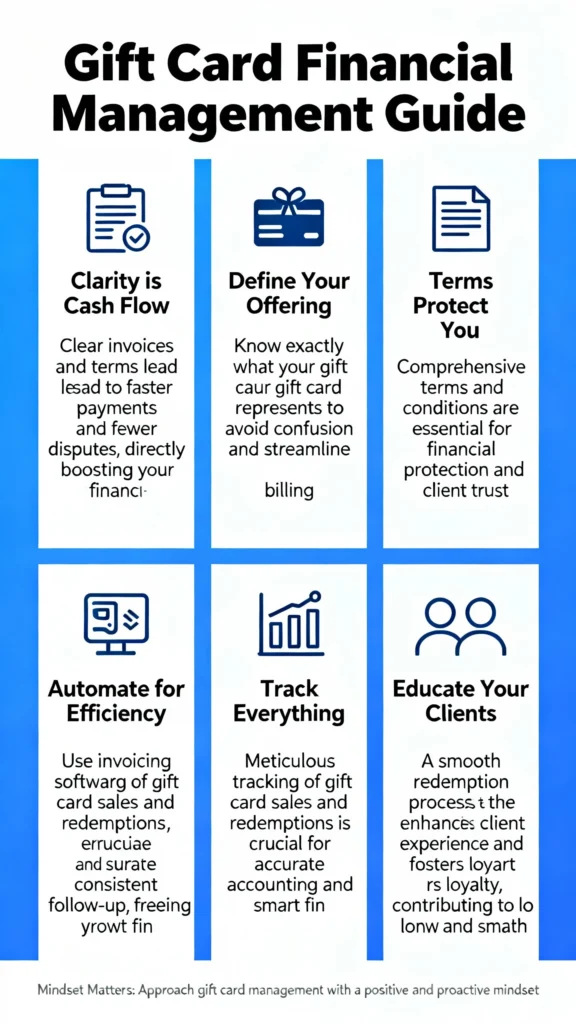
- Clarity is Cash Flow: Clear invoices and terms lead to faster payments and fewer disputes, directly boosting your financial health.
- Define Your Offering: Know exactly what your gift card represents to avoid confusion and streamline billing.
- Terms Protect You: Comprehensive terms and conditions are essential for financial protection and client trust.
- Automate for Efficiency: Use invoicing software to save time, reduce errors, and ensure consistent follow-up, freeing you to focus on growth.
- Track Everything: Meticulous tracking of gift card sales and redemptions is crucial for accurate accounting and smart financial decisions.
- Educate Your Clients: A smooth redemption process enhances the client experience and fosters loyalty, contributing to long-term wealth.
- Mindset Matters: Approach gift card billing with a money-smart, wealth-building perspective, seeing it as an opportunity for upfront revenue and business growth.
Frequently Asked Questions
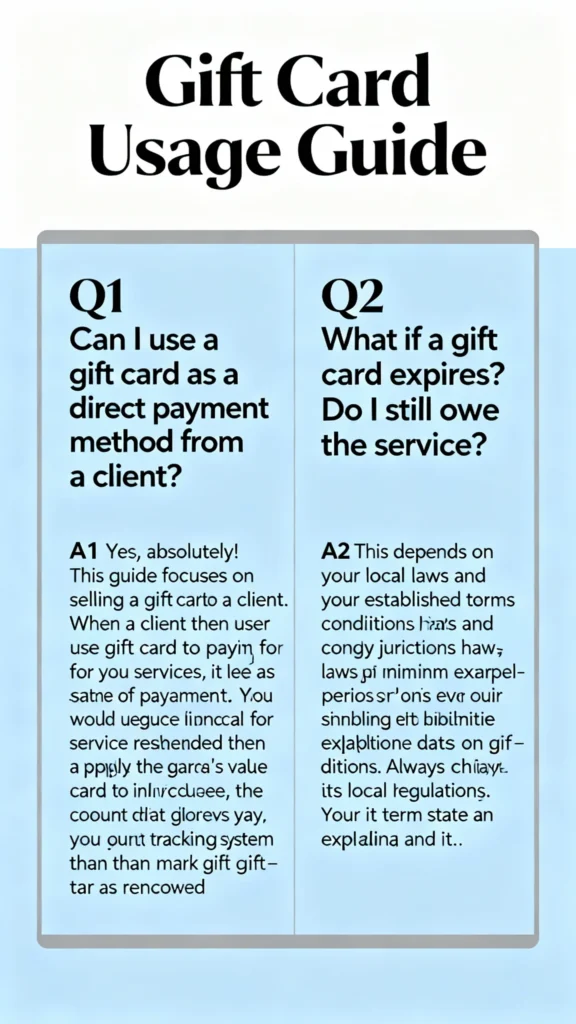
Q1: Can I use a gift card as a direct payment method from a client?
A1: Yes, absolutely! This guide focuses on selling a gift card to a client. When a client then uses that gift card to pay for your services, it acts as a form of payment. You would issue a regular invoice for the service rendered and then apply the gift card’s value against that invoice, reducing the amount the client owes you. Your tracking system should then mark that gift card as redeemed.
Q2: What if a gift card expires? Do I still owe the service?
A2: This depends on your local laws and your established terms and conditions. Many jurisdictions have laws regarding minimum expiration periods or even prohibiting expiration dates on gift cards. Always check your local regulations. If your terms state an expiration and it’s legally permissible, then generally, you are not obligated to honor it after the expiration. However, some businesses choose to offer a grace period or partial credit as a goodwill gesture.
Q3: How do I track gift card revenue for taxes?
A3: For tax purposes, the money you receive when a gift card is sold is typically recorded as “unearned revenue” or a “liability” on your balance sheet. It only becomes “earned revenue” (and thus taxable income) when the gift card is redeemed for a service or product. Your accounting software should help you manage this distinction. Consult with an accountant for specific guidance tailored to your business and region.
Q4: Should I offer physical or digital gift cards?
A4: Both have their advantages! Digital gift cards (emailed codes) are convenient, cost-effective (no printing/shipping), and instant. Physical gift cards offer a tangible, often more personal touch, especially for gifts. Many businesses offer both, allowing clients to choose based on their preference. Consider what aligns best with your brand and client experience.
What’s Next?
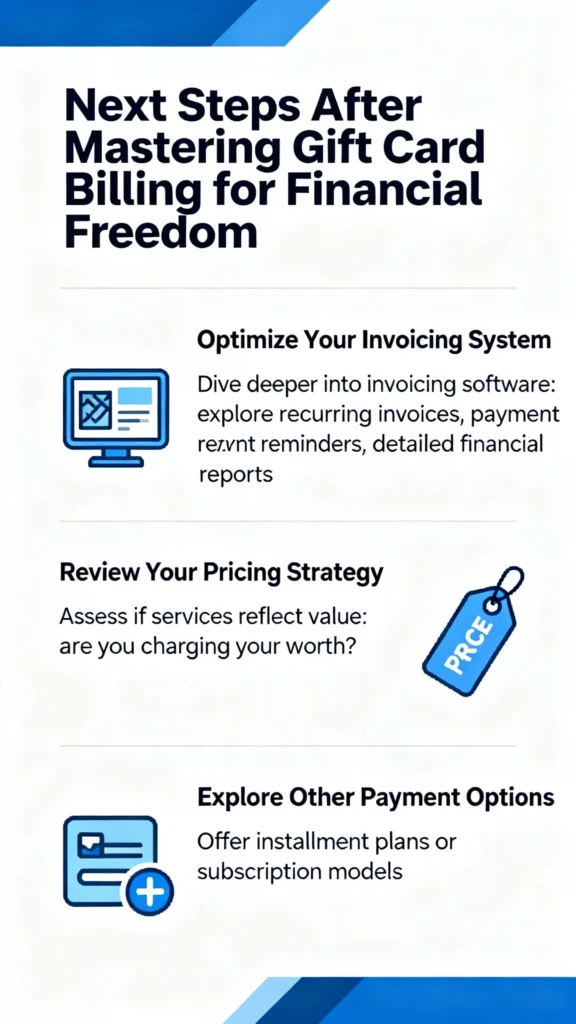
You’ve mastered the art of billing for gift cards – a crucial step in smart financial management! But the journey to financial freedom and business success doesn’t stop here. Here are some ideas for your next moves:
- Optimize Your Invoicing System: Dive deeper into your chosen invoicing software. Explore features like recurring invoices, payment reminders, and detailed financial reports. The more you leverage your tools, the more time and money you save.
- Review Your Pricing Strategy: Now that you’re confidently selling gift cards, consider if your services are priced appropriately to reflect their value. Are you charging what you’re truly worth?
- Explore Other Payment Options: Look into offering installment plans or subscription models for your services. Diversifying payment options can attract a wider client base and create more predictable revenue streams.
- Build a Business Emergency Fund: Use the improved cash flow from smart gift card sales to start or boost your business’s emergency fund. Financial resilience is key to weathering any storm.
- Educate Your Clients Further: Create a dedicated FAQ page on your website about gift cards and other payment options. Proactive communication saves you time and builds trust.
Remember, every small step you take towards better financial practices builds a stronger, more resilient, and more profitable business. Don’t wait – take action today and watch your money-smart habits transform your financial future!