💰 How To Stop Spending Money
📚 The Financial Literacy Library
The best investment you can ever make is in your own financial education. These 5 cornerstone books are what millionaires, financial advisors, and wealth-builders universally recommend for completely rewiring how you think about earning, saving, and investing money.
🧠 The Psychology of Money
Doing well with money isn't necessarily about what you know—it's about how you behave. Morgan Housel masterfully breaks down the emotional and psychological biases that secretly dictate our financial decisions, offering a true paradigm shift in how to view wealth.
🏠 Rich Dad Poor Dad
The #1 personal finance book of all time for a reason. This foundational read shatters the myth that you need to earn a high income to be rich, teaching you the critical difference between working for money and making your money work for you via assets.
📈 Atomic Habits
While not strictly a finance book, building wealth is absolutely dependent on the daily habits you cultivate. James Clear provides the definitive framework for breaking bad spending habits and effortlessly automating the good ones that lead to long-term success.
📊 The Simple Path to Wealth
The ultimate antidote to complex, intimidating financial advice. JL Collins provides an incredibly accessible, low-stress roadmap to financial independence through index fund investing, perfectly explaining why simplicity beats Wall Street complexity every time.
💳 I Will Teach You to Be Rich
A tactical, no-BS, 6-week program that actually works. Ramit Sethi teaches you how to crush debt, automate your savings, and negotiate your salary—all while guilt-free spending on the things you truly love. A must-read for modern money management.
Are you tired of that nagging feeling at the end of the month, wondering where all your hard-earned money disappeared? Do you dream of financial freedom, a robust savings account, or finally affording that big goal – a down payment, a dream vacation, or early retirement? The good news is, you’re not alone, and better yet, you’re in the right place. Stopping unnecessary spending isn’t about deprivation; it’s about empowerment, intentionality, and building a life where your money works for you, not the other way around.

Quick Overview
This guide will walk you through a clear, actionable path to regain control of your spending habits, build a solid financial foundation, and pave the way for a more secure and fulfilling future. You’ll learn practical strategies to identify spending leaks, create a realistic budget, and cultivate a wealth-building mindset that lasts.
Time needed: Approximately 1-2 hours for initial setup and review, with ongoing commitment for lasting change.
Difficulty: Beginner (Requires dedication and consistency).
What you’ll need: A pen and paper or a digital spreadsheet/budgeting app, access to your bank statements, and an open mind.
Step-by-Step Instructions
Step 1: Confront Your Current Reality (Track Every Penny)
Before you can stop spending, you need to know exactly where your money is going. This isn’t about judgment; it’s about awareness. Many people are shocked to discover how much they spend on seemingly small, everyday items that add up quickly.
Gather Your Data: Collect all your bank statements, credit card statements, and receipts from the past 30-60 days.
Categorize Your Spending: Go through each transaction and assign it a category: housing, transportation, groceries, dining out, entertainment, subscriptions, personal care, etc. You can use a simple spreadsheet, a notebook, or a budgeting app like Mint, YNAB (You Need A Budget), or Personal Capital.
Identify Your “Money Leaks”: Look for patterns. Are there specific categories where you consistently overspend? Is it daily coffees, impulse online purchases, or too many takeout meals? These are your initial targets.
Pro tip: Don’t just track your spending; track your feelings about your spending. Did that impulse purchase bring lasting joy, or instant regret? Understanding the emotional connection can be powerful.
Step 2: Define Your “Why” (Set Clear Financial Goals)
Motivation is the fuel for financial change. Simply saying “I want to stop spending” isn’t enough. You need a compelling reason, a vivid vision of what financial control will enable you to achieve.
Brainstorm Your Dreams: What would you do if you had an extra $500, $1000, or even $2000 each month? Pay off debt? Save for a down payment? Travel? Invest for retirement? Fund a child’s education?
Make Them SMART: Your goals should be Specific, Measurable, Achievable, Relevant, and Time-bound.
Instead of “I want to save money,” try “I want to save $10,000 for a down payment on a house by December 31st of next year.”
Instead of “I want to pay off debt,” try “I will pay off my credit card with a $3,000 balance by making an extra $250 payment each month for the next 12 months.”
Visualize Success: Write your goals down and place them where you’ll see them daily. Create a vision board. The clearer your “why,” the easier it will be to say “no” to unnecessary spending in the moment.
Step 3: Craft Your Financial Blueprint (Build a Budget That Works)
A budget isn’t a straitjacket; it’s a roadmap to your financial goals. It’s about consciously deciding where your money goes instead of wondering where it went.
Choose Your Method:
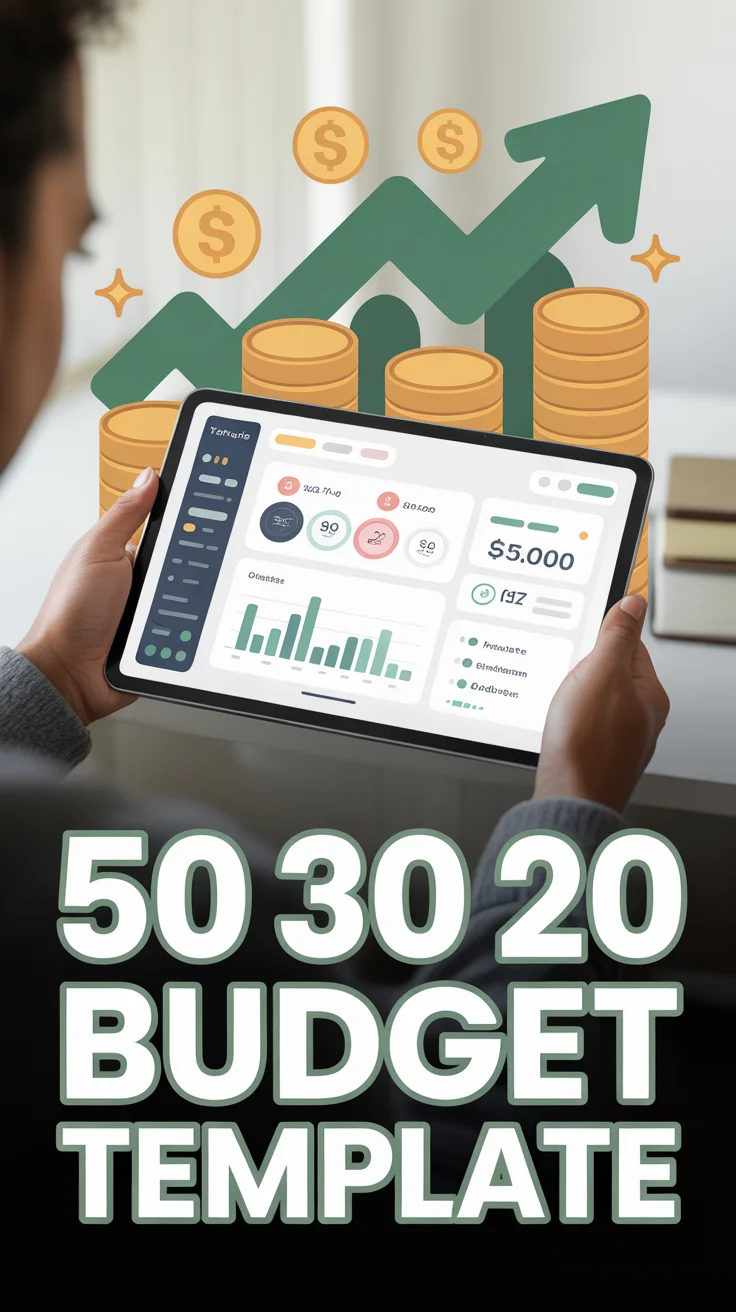
50/30/20 Rule: 50% of your income for Needs (housing, utilities, groceries), 30% for Wants (dining out, entertainment, hobbies), and 20% for Savings & Debt Repayment. This is a great starting point for simplicity.
Zero-Based Budgeting: Every dollar is assigned a job. Income minus expenses (including savings and debt payments) equals zero. This gives you maximum control.
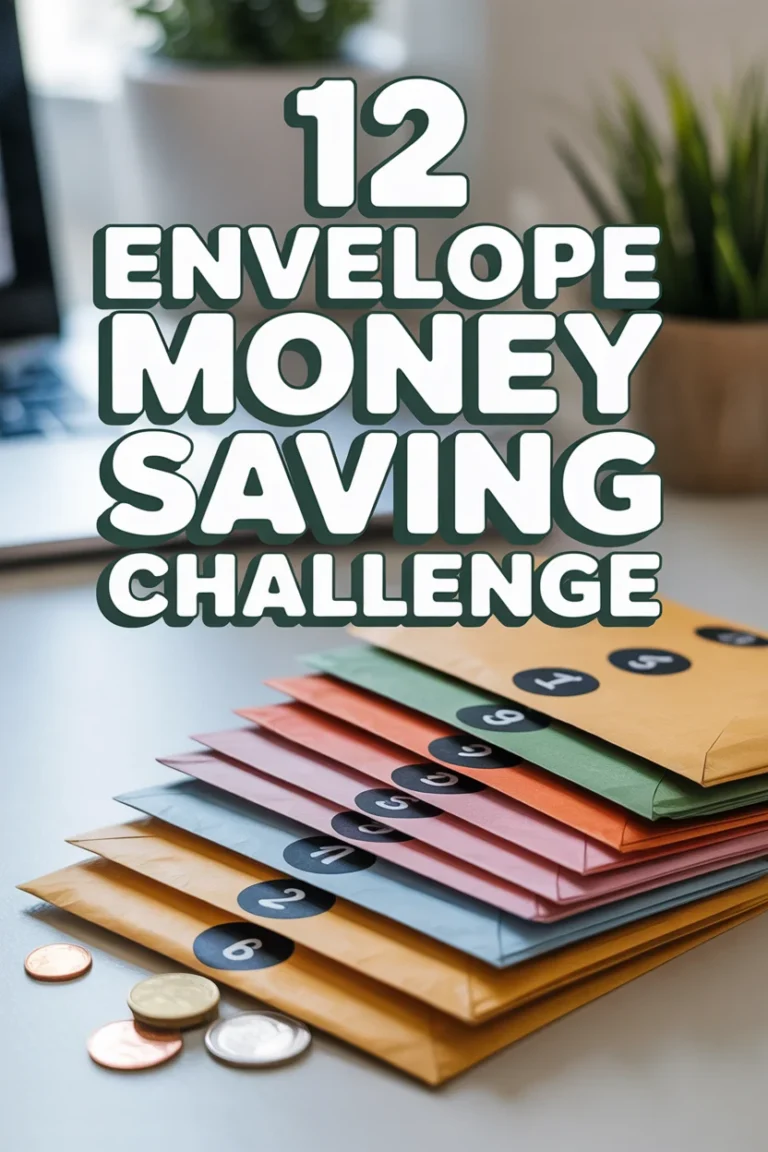
Envelope System (Cash Stuffing): For variable expenses like groceries, entertainment, or personal care, withdraw cash and put it into physical envelopes. Once an envelope is empty, you can’t spend more in that category until the next pay period. This is excellent for visual spenders.
Allocate Funds: Based on your tracking from Step 1 and your goals from Step 2, assign realistic amounts to each spending category. Be honest with yourself.
Review and Adjust: Your first budget won’t be perfect. Review it weekly or bi-weekly. Are you consistently overspending in one area? Adjust. Are you underspending in another? Reallocate. It’s a living document.
Pro tip: Don’t forget to budget for “fun money” or “miscellaneous.” Being too restrictive can lead to burnout and giving up. A small, allocated amount for guilt-free spending can actually help you stick to your overall budget.
Step 4: Tame the Impulse Beast (Identify Triggers & Implement Strategies)
Impulse spending is often the biggest culprit. It’s driven by emotion, marketing, or convenience. Learning to recognize and counteract it is key.
Identify Your Triggers: Do you shop when you’re stressed, bored, sad, or celebrating? Do certain ads, social media posts, or stores tempt you more than others? Awareness is the first step to control.
Implement the 24-Hour Rule: For any non-essential purchase over a certain amount (e.g., $20, $50, $100), wait 24 hours before buying. Often, the urge passes, or you realize you don’t truly need it.
Unsubscribe and Unfollow: Get off marketing email lists and unfollow social media accounts that constantly tempt you with new products. Less exposure equals less temptation.
Shop with a List (and Stick to It): Especially for groceries and household items. Avoid browsing aimlessly.
Leave Your Cards at Home: When going out for specific errands where you know you’ll only need cash, take only the cash required and leave credit cards behind.
Make it Harder to Spend: Remove saved credit card details from online shopping sites. The extra step of inputting details can be enough friction to prevent an impulse buy.
Step 5: Automate Your Ascent (Pay Yourself First)
Make saving and paying essential bills effortless. Automation removes the need for willpower and ensures your financial goals are prioritized.
Automate Savings: Set up automatic transfers from your checking account to your savings account (and investment accounts!) on payday. Even small amounts add up over time. Treat savings as a non-negotiable bill.
Automate Bill Payments: Set up automatic payments for all your fixed bills (rent/mortgage, utilities, loan payments, subscriptions). This ensures you never miss a payment, avoiding late fees and protecting your credit score.
“Set It and Forget It”: Once these are set up, you’ll be amazed at how consistently your savings grow and your bills are paid, without you having to think about it constantly.
Pro tip: Have multiple savings accounts for different goals (e.g., “Emergency Fund,” “Vacation Fund,” “Down Payment Fund”). This makes your savings tangible and keeps you motivated.
Step 6: Master the Art of Delayed Gratification (Shift Your Mindset)
In a world of instant gratification, learning to delay pleasure for greater future rewards is a superpower. This is a fundamental shift in your relationship with money.
Focus on the Long-Term: Every dollar you don’t spend today can be a dollar that works for you tomorrow. Think about the power of compound interest. A $5 coffee daily is $1,825 a year. Invested for 30 years at 7% annual return, that could be over $170,000!
Practice Gratitude: Instead of focusing on what you can’t buy, focus on what you already have and what your smart money choices are enabling you to achieve. This helps combat feelings of deprivation.
Find Free or Low-Cost Alternatives: Instead of expensive outings, explore free parks, libraries, home entertainment, or potluck dinners with friends. Experiences often bring more lasting joy than material possessions anyway.
Celebrate Small Wins: Acknowledge your progress. Did you stick to your grocery budget this week? Did you resist an impulse buy? Celebrate these small victories to reinforce positive habits.
Step 7: Optimize Your Expenses (Ruthlessly Cut & Negotiate)
Once you have your budget, it’s time to dig deeper and find ways to reduce your fixed and variable expenses without sacrificing your quality of life too much.
Subscription Audit: Go through all your recurring subscriptions (streaming services, apps, gym memberships, delivery services). Are you using them all? Can you consolidate or cancel any?
Negotiate Bills: Call your internet, cable, and even insurance providers. Ask if they can offer you a better deal or if there are any promotions you qualify for. Often, simply asking can save you money.
Meal Planning & Cooking at Home: This is one of the biggest money-savers. Plan your meals for the week, make a grocery list, and stick to it. Pack lunches and snacks for work.
Energy Efficiency: Small changes like unplugging electronics, using LED bulbs, and adjusting your thermostat can reduce utility bills.
Shop Smarter: Use coupons, loyalty programs, shop sales, buy in bulk for non-perishables, and consider store brands.
Step 8: Embrace the “No-Spend” Challenge (Gamify Your Savings)
A no-spend challenge can be a powerful way to reset your spending habits, boost your savings, and discover how resourceful you can be.
Set Your Rules: Decide on a duration (e.g., a weekend, a week, a month). Define what constitutes “no-spend” (e.g., only essential groceries, no dining out, no entertainment spending, no online shopping).
Prepare in Advance: Stock your pantry, plan free activities, and communicate your challenge to family or housemates.
Track Your Savings: Keep a running tally of how much money you save by not spending. This visual reminder is incredibly motivating.
Learn and Adapt: A no-spend challenge often reveals hidden spending habits and creative ways to entertain yourself without opening your wallet. Use these insights to refine your long-term budget.
Step 9: Cultivate Financial Literacy (Continuous Learning)
The more you understand about money, the more confident and empowered you’ll become. Financial education is an ongoing journey.
Read Books: Dive into personal finance classics (e.g., “The Total Money Makeover,” “I Will Teach You To Be Rich,” “The Psychology of Money”).
Listen to Podcasts: Many excellent podcasts offer free financial advice and insights.
Follow Reputable Blogs/Channels: Learn from experts and stay updated on smart money strategies.
Understand Investing Basics: Once you’ve mastered saving, learn how to make your money grow through investments. Even basic knowledge can significantly impact your future wealth.
Common Mistakes to Avoid
- Being Too Restrictive: A budget that’s too tight will feel like a punishment and is unsustainable. Allow for some “fun money” or flex spending to avoid burnout and binging.
- Not Tracking Consistently: The initial enthusiasm often fades. Inconsistent tracking means you lose sight of your progress and where your money is truly going. Make it a routine.
- Ignoring Small Expenses: The “latte factor” is real. Small, frequent purchases add up significantly over time. Don’t dismiss them as insignificant.
- Comparing Yourself to Others: Everyone’s financial journey and circumstances are different. Focus on your own goals and progress, not on what others appear to have or spend.
- Giving Up After a Slip-Up: You will make mistakes. You’ll overspend sometimes. Don’t let one misstep derail your entire plan. Forgive yourself, learn from it, and get back on track immediately.
Troubleshooting
“I keep overspending on impulse buys.”
- Solution: Revisit Step 4. Strengthen your 24-hour rule, unsubscribe from tempting emails, and make it harder to buy things online (e.g., remove saved credit card info). Consider carrying only cash for variable spending categories.
“My budget feels too tight/unrealistic.”
- Solution: This means your budget needs adjustment. Go back to Step 3. Are your income and expenses truly balanced? Can you find more areas to cut (Step 7)? Or, is it time to explore ways to increase your income? A budget should be challenging but achievable.
“I feel deprived and resentful.”
- Solution: This often happens when you focus too much on what you’re giving up instead of what you’re gaining. Reconnect with your “why” (Step 2). Ensure your budget includes some allocated fun money (Step 3). Find free or low-cost alternatives for entertainment (Step 6). Remember, this is about intentional living, not deprivation.
Key Takeaways
- Awareness is Power: You can’t change what you don’t acknowledge. Tracking your spending is the foundational step.
- Goals Drive Action: Clear, compelling financial goals provide the motivation to make difficult choices.
- A Budget is Your Guide: It’s a tool for intentional spending, not a restriction. Make it work for you.
- Automate Success: Set up automatic transfers for savings and bills to remove willpower from the equation.
- Mindset Matters: Cultivate delayed gratification and focus on long-term wealth over instant gratification.
- Continuous Improvement: Financial management is an ongoing process. Learn, adapt, and celebrate your progress.
Frequently Asked Questions
How long does it take to see results?
You can start seeing results almost immediately, often within the first month, as you become more aware and intentional with your spending. Significant progress towards larger goals will depend on your starting point and the intensity of your efforts, but consistent action will yield noticeable improvements within 3-6 months.
What if I have debt? Should I focus on that first?
Absolutely. High-interest debt (like credit card debt) can quickly erode your savings and hinder your progress. While you should still aim to build a small emergency fund ($1,000 is a good starting point), aggressively paying down high-interest debt should be a top priority. Budgeting for debt repayment is crucial.
Is it okay to spend money on myself sometimes?
Yes, and it’s highly recommended! A sustainable budget includes “fun money” or “personal spending” categories. The key is to budget for it intentionally, so you can enjoy guilt-free spending without derailing your larger financial goals. Deprivation often leads to financial binges.
How do I involve my partner in this process?
Open and honest communication is vital. Start by sharing your “why” and your financial goals. Discuss your current spending habits without blame. Create a budget together, ensuring both partners feel heard and have a say. Regular money dates to review progress and make adjustments can keep you both on the same page.
What’s Next?
You’ve taken the courageous first step toward financial freedom! This guide provides the framework, but the real magic happens with consistent action.
Start Today: Don’t wait. Pick one step – even just tracking your spending for a week – and get started.
Dive Deeper: Once you’ve mastered stopping unnecessary spending, explore topics like debt reduction strategies (e.g., debt snowball/avalanche), investing basics (e.g., IRAs, 401ks), and finding ways to increase your income.
* Educate Yourself: Continue reading, listening, and learning about personal finance. The more knowledgeable you are, the more confident you’ll become in making smart money decisions.
Your financial future is in your hands. Embrace this journey with optimism and consistency, and watch your wealth grow!