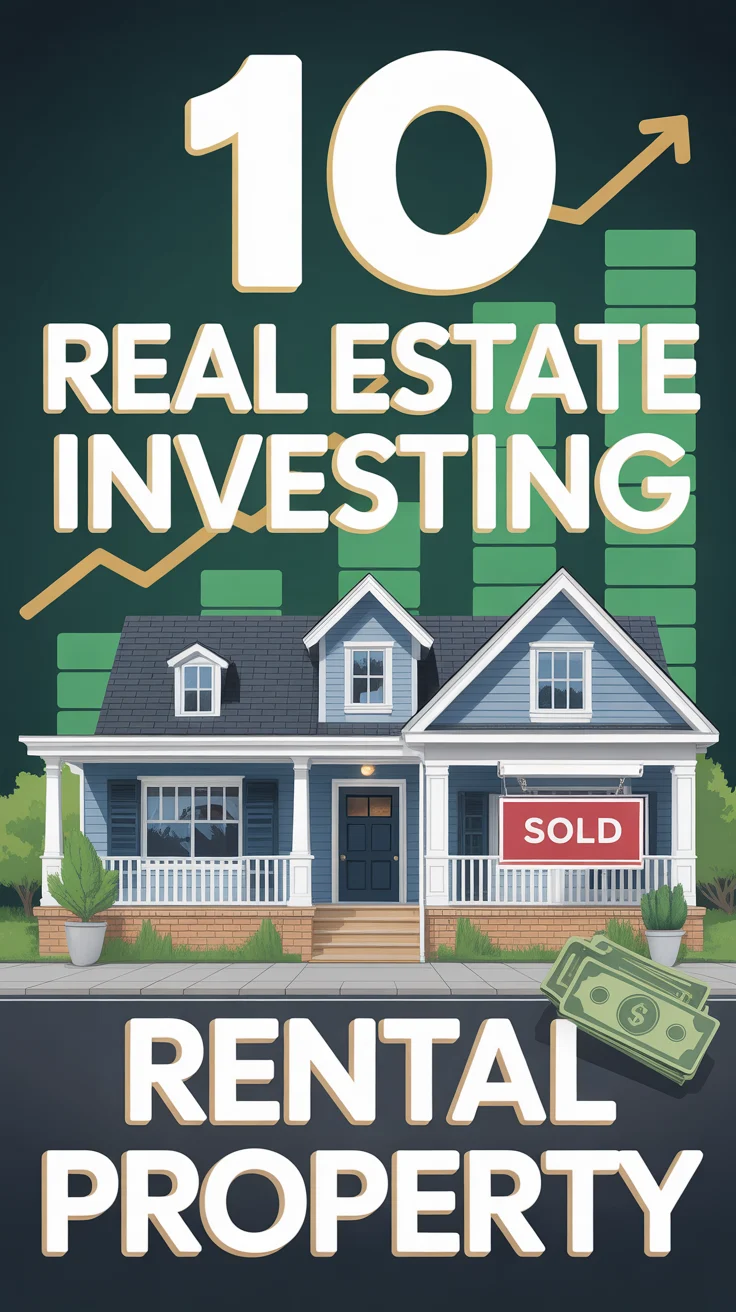
🏡 10 Real Estate Investing Rental Property
📚 The Financial Literacy Library
The best investment you can ever make is in your own financial education. These 5 cornerstone books are what millionaires, financial advisors, and wealth-builders universally recommend for completely rewiring how you think about earning, saving, and investing money.
🧠 The Psychology of Money
Doing well with money isn't necessarily about what you know—it's about how you behave. Morgan Housel masterfully breaks down the emotional and psychological biases that secretly dictate our financial decisions, offering a true paradigm shift in how to view wealth.
🏠 Rich Dad Poor Dad
The #1 personal finance book of all time for a reason. This foundational read shatters the myth that you need to earn a high income to be rich, teaching you the critical difference between working for money and making your money work for you via assets.
📈 Atomic Habits
While not strictly a finance book, building wealth is absolutely dependent on the daily habits you cultivate. James Clear provides the definitive framework for breaking bad spending habits and effortlessly automating the good ones that lead to long-term success.
📊 The Simple Path to Wealth
The ultimate antidote to complex, intimidating financial advice. JL Collins provides an incredibly accessible, low-stress roadmap to financial independence through index fund investing, perfectly explaining why simplicity beats Wall Street complexity every time.
💳 I Will Teach You to Be Rich
A tactical, no-BS, 6-week program that actually works. Ramit Sethi teaches you how to crush debt, automate your savings, and negotiate your salary—all while guilt-free spending on the things you truly love. A must-read for modern money management.
Ever scrolled through Insta, seen someone’s “passive income” brag, and thought, “Ugh, wish that were me?” Well, buckle up, buttercup, because we’re diving into the juicy world of real estate investing. Specifically, the rental property game. It’s not just for the super rich or those with a trust fund; it’s totally doable, even if your current “portfolio” is mostly avocado toast recipes. Let’s get you landlord-ready.
1. Define Your Rental Niche
Don’t just jump in headfirst. Think about what kind of landlord you want to be. Are you eyeing single-family homes, dreaming of a multi-unit empire, or thinking short-term vacation rentals are more your vibe? Each has its own charm and its own set of headaches.
Picking your lane early makes everything else so much clearer. A single-family home means fewer tenants to juggle, but a multi-unit could mean more consistent cash flow. Pro tip: Start small and scale up once you’ve got the hang of things. It’s like learning to walk before you run a marathon.
2. Location, Location, Location (Duh)
Yeah, yeah, you’ve heard it a million times, but it’s true for a reason. The right location is literally everything. We’re talking about areas with strong job markets, good schools, low crime rates, and amenities people actually want. Nobody wants to rent a place where the nearest coffee shop is a 30-minute drive.
Do your homework on neighborhood trends and future developments. A new tech campus or a fancy grocery store opening nearby could seriously boost your property’s value and rental appeal. Look for areas with consistent tenant demand; otherwise, you’ll be staring at a vacant unit and a shrinking bank account.
3. Crunch the Numbers Like a Boss
Investing isn’t a guessing game; it’s a numbers game. You need to understand concepts like cash flow (money left after expenses), cap rate (return on investment), and your overall ROI (return on investment). Don’t let these terms scare you; they’re your best friends in avoiding bad deals.
Get cozy with spreadsheets and projections. Factor in everything from property taxes and insurance to potential vacancies and maintenance costs. Never underestimate repair budgets; things break, usually at the most inconvenient times.
4. Financing Finesse
Unless you’re sitting on a Scrooge McDuck money bin, you’ll need financing. Traditional mortgages are common, but explore options like FHA loans (if you plan to live in one unit), private lenders, or even partnering with someone. Each path has its own perks and pitfalls.
Shop around for the best rates and terms. A slightly lower interest rate can save you thousands over the life of the loan. Don’t be afraid to negotiate; lenders want your business, even if they pretend they don’t.
5. Property Management Pros and Cons
So, you bought the property. Now what? You can manage it yourself and save some cash, or hire a property manager to handle the day-to-day. DIY means you’re fielding late-night calls about leaky faucets; a manager means someone else is. Your call.
If you’re managing remotely or just hate dealing with people, a good property manager is worth their weight in gold. They handle tenant screening, rent collection, and maintenance requests. Vet them thoroughly; a bad manager is worse than no manager.
6. Tenant Screening Secrets
Finding the right tenants feels a bit like dating, but with more background checks. You want someone responsible, who pays rent on time, and won’t turn your property into a scene from “Animal House.” This is where you separate the wheat from the potential nightmare.
Always verify employment and past landlord references; a credit check is non-negotiable. Don’t skip the criminal background check either. Establish clear rental criteria and stick to them consistently to avoid fair housing issues. Trust us, a little upfront detective work saves a mountain of headaches later.
7. Maintenance Matters (A Lot)
Your rental property isn’t a “set it and forget it” kind of deal. Regular maintenance keeps tenants happy, preserves your asset, and prevents small issues from becoming budget-busting disasters. Think of it as giving your property a regular spa day.
Budget for both routine upkeep and unexpected repairs. Having a reliable list of plumbers, electricians, and handymen on speed dial is crucial. Perform seasonal inspections to catch problems before they become emergencies.
8. Leverage Technology for Efficiency
It’s the 21st century, darling. Ditch the paper ledgers and embrace technology. Online rent collection platforms, smart home devices, and digital lease agreements can streamline your operations and make your life so much easier.
Consider installing smart thermostats or keyless entry systems. These not only attract tech-savvy tenants but can also help you manage utilities and security remotely. Automate what you can to free up your precious time for more important things, like binging Netflix.
9. Unlock Tax Advantages
Good news, future landlord: the government actually gives you some breaks for owning rental property. We’re talking about deductions for expenses, depreciation, and potentially even 1031 exchanges to defer capital gains. It’s like finding money in your old jeans.
Consult with a knowledgeable tax professional who specializes in real estate. They can help you maximize your deductions and understand all the nuances. Keep meticulous records of all income and expenses; your accountant (and your wallet) will thank you.
10. Plan Your Exit Strategy
No, not running for the hills, silly. An exit strategy is your plan for when you decide to sell or refinance the property. Will you hold it for decades, or flip it after a few years? Knowing your long-term goals helps you make better decisions today.
Maybe you’ll sell to fund your next big investment, or perhaps you’ll refinance to pull out equity for another venture. Understand market cycles and be ready to act when the timing is right. Having a plan means you’re in control, not just reacting to whatever the market throws your way.
💼 The Money Management Toolkit
Knowledge is power, but proper execution requires the right tools. Getting your financial life organized doesn't have to be overwhelming. These 5 physical management tools are exactly what successful households use to budget, track cash, and secure their most important assets.
📝 Clever Fox Budget Planner & Bill Organizer
The ultimate analog command center for your finances. Sometimes keeping your budget in an app just doesn't stick. Physically writing down your goals, tracking expenses, and planning for debt payoff creates a level of accountability that digital spreadsheets simply can't match.
💵 A6 Leather Cash Stuffing Binder
The viral tool that made the cash-envelope budgeting system popular again. By allocating actual physical cash to designated envelopes (groceries, dining out, fun money), you physically cap your spending, making it virtually impossible to overdraft or overspend.
🔥 Fireproof & Waterproof Document Safe
A critical piece of financial security that many families overlook. Protecting your passports, birth certificates, property deeds, and estate planning documents from disaster is just as important as protecting the money in your bank account.
🏷️ Brother P-Touch Digital Label Maker
The unsung hero of a functional home office. When tax season rolls around or you need to find an important receipt, having perfectly labeled and categorized filing cabinets or accordion folders saves hours of frustrating searches and potential late fees.
🔒 SentrySafe Compact Fireproof Lock Box
For the physical assets that need extra heavy-duty protection—think emergency cash reserves, hard drives with Bitcoin cold wallets, or physical precious metals. This compact, locking safe provides peace of mind that your physical wealth is secure at home.
Conclusion
So there you have it, future real estate mogul. Diving into real estate investing with rental properties isn’t just about collecting rent; it’s about building wealth, securing your financial future, and maybe, just maybe, finally having something cooler to brag about than your avocado toast. Remember, knowledge is power, and a little humor makes the journey way more fun. Go forth and conquer, you magnificent landlord, you!