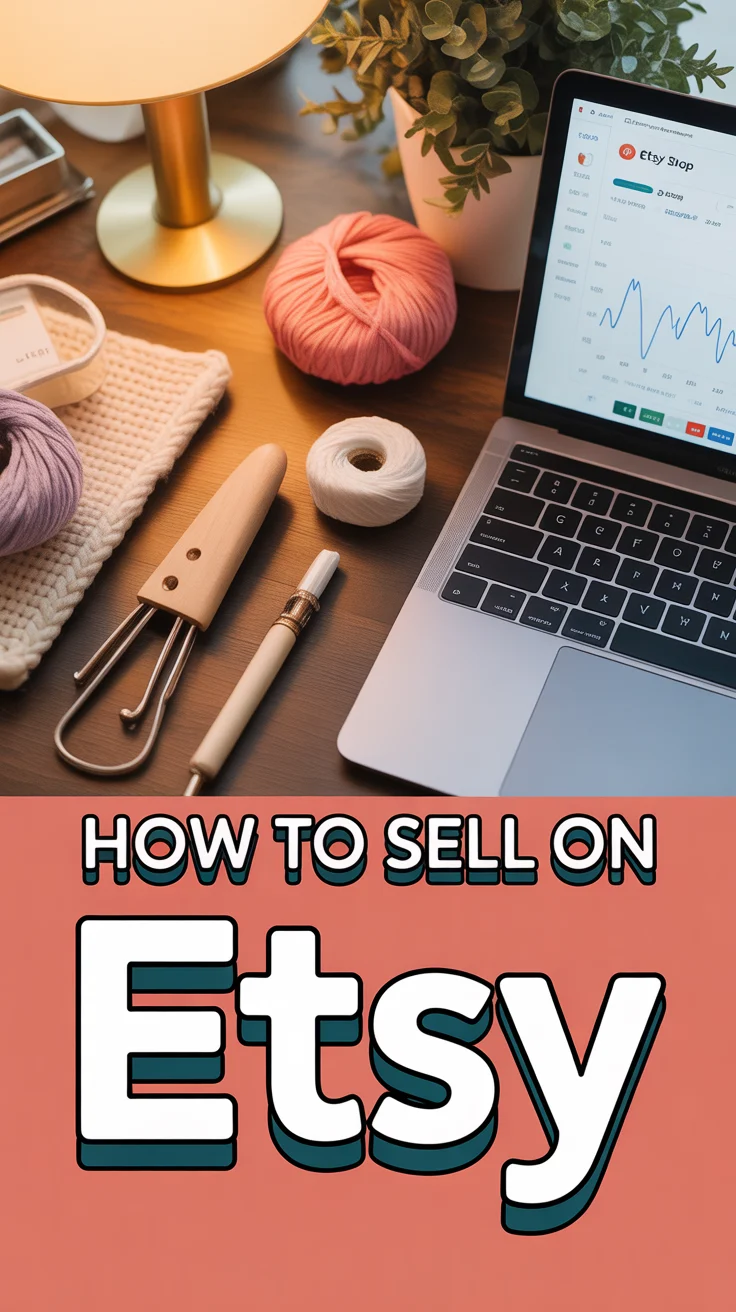
✨ How To Sell On Etsy
📚 The Financial Literacy Library
The best investment you can ever make is in your own financial education. These 5 cornerstone books are what millionaires, financial advisors, and wealth-builders universally recommend for completely rewiring how you think about earning, saving, and investing money.
🧠 The Psychology of Money
Doing well with money isn't necessarily about what you know—it's about how you behave. Morgan Housel masterfully breaks down the emotional and psychological biases that secretly dictate our financial decisions, offering a true paradigm shift in how to view wealth.
🏠 Rich Dad Poor Dad
The #1 personal finance book of all time for a reason. This foundational read shatters the myth that you need to earn a high income to be rich, teaching you the critical difference between working for money and making your money work for you via assets.
📈 Atomic Habits
While not strictly a finance book, building wealth is absolutely dependent on the daily habits you cultivate. James Clear provides the definitive framework for breaking bad spending habits and effortlessly automating the good ones that lead to long-term success.
📊 The Simple Path to Wealth
The ultimate antidote to complex, intimidating financial advice. JL Collins provides an incredibly accessible, low-stress roadmap to financial independence through index fund investing, perfectly explaining why simplicity beats Wall Street complexity every time.
💳 I Will Teach You to Be Rich
A tactical, no-BS, 6-week program that actually works. Ramit Sethi teaches you how to crush debt, automate your savings, and negotiate your salary—all while guilt-free spending on the things you truly love. A must-read for modern money management.
Ever dreamed of turning your passion into a thriving income stream? Imagine waking up, checking your phone, and seeing notifications for sales you made while you slept. That’s the power of selling on Etsy – it’s not just about crafting; it’s about building a sustainable business that fuels your financial independence. This guide will walk you through every step, focusing on practical money-smart strategies to help you not only make sales but also build lasting wealth.
Quick Overview
Ready to transform your creative ideas into cash? This guide will equip you with the knowledge to set up, optimize, and market your Etsy shop effectively, with a keen eye on profitability and smart financial habits from day one.
Time needed: 2-4 hours for initial shop setup and your first few listings; ongoing time for product creation, marketing, and shop management.
Difficulty: Beginner
What you’ll need: A product to sell (physical or digital), good quality photos of your product, a computer with internet access, a bank account for deposits, an email address, and a passion for your craft!
Step-by-Step Instructions
Step 1: Uncover Your Niche & Craft Your Product
Before you even think about opening a shop, you need a clear vision of what you’re selling and to whom. This isn’t just about making pretty things; it’s about making things people want to buy, repeatedly, and profitably.
Market Research is Your Gold Mine: Don’t guess what sells. Spend time browsing Etsy, Pinterest, and even local craft fairs. What’s trending? What’s underserved? Look for gaps where your unique skills can shine. Think about solving a problem or fulfilling a specific desire. For example, instead of “jewelry,” think “minimalist hypoallergenic earrings for sensitive ears.”
Identify Your Ideal Customer: Who are you making this for? Knowing your audience helps you tailor your product, branding, and marketing. Are they budget-conscious, luxury seekers, eco-friendly, or looking for unique gifts?
Calculate Your Cost of Goods Sold (COGS) – The First Money Move: Before you make a single item, know what it truly costs. This includes raw materials (fabric, beads, ink), packaging (boxes, tissue paper, labels), and even tiny things like glue or thread. Don’t forget to factor in your time – even if you’re not paying yourself yet, understanding this cost is crucial for future pricing.
Relatable Example: If a handmade candle requires $3 in wax, $1 in fragrance, $0.50 for a wick, and $1.50 for the jar and label, your raw COGS is $6. This is your absolute baseline.
Pro tip: Start small and iterate. Don’t invest a huge amount of money in inventory until you’ve tested the waters. Use a small batch of materials to create your first few products, get feedback, and refine. This saves you from costly mistakes down the line.
Step 2: Build Your Brand & Name Your Shop
Your brand is more than just a logo; it’s the story you tell, the feeling you evoke, and the promise you make to your customers. A strong brand builds trust and attracts your ideal buyers.
Choose a Memorable Shop Name: Your shop name should be unique, easy to spell, and ideally, reflect your product or brand identity. Check if the name is available on Etsy and across major social media platforms (Instagram, Facebook, Pinterest) to ensure consistency.
Craft Your Brand Story: Why do you create what you create? What makes your products special? Share your passion, your process, or the inspiration behind your work. This personal connection is a huge selling point on Etsy.
Develop Your Visual Identity: This includes your shop banner, profile picture, and listing photos (which we’ll cover in Step 4). Think about colors, fonts, and overall aesthetic that resonate with your target audience. You don’t need a fancy designer; free tools like Canva can help you create professional-looking graphics.
Money-Smart Branding: A consistent brand builds recognition and loyalty, making your marketing efforts more effective. Avoid constantly changing your name or look, as this confuses customers and dilutes your brand equity – which is a form of wealth!
Step 3: Set Up Your Etsy Shop with Confidence
This is where you make it official! The technical setup is straightforward, but pay attention to the details, especially the financial aspects.
Register Your Account: Go to Etsy.com, click “Sell on Etsy,” and follow the prompts. You’ll need an email address, and you’ll choose your shop’s language, country, and currency.
Stock Your Shop (Initial Listing): Etsy requires you to create at least one listing to open your shop. Don’t worry, you can refine it later. This is just to get started.
Crucial Financial Setup:
How you’ll get paid: Link your bank account. Ensure the name on your bank account matches your Etsy account for smooth transactions. This is where your hard-earned money will land!
How you’ll pay Etsy: You’ll need a credit or debit card for listing fees ($0.20 per listing, active for 4 months) and transaction fees (6.5% of the item price).
Pro tip: Keep a separate bank account for your business. This makes tracking income and expenses infinitely easier for budgeting and tax purposes. It’s a foundational step towards a wealth-building mindset, treating your Etsy shop like a real business, not just a hobby.
Step 4: Master Product Photography on a Budget
Your photos are your shop window. On Etsy, customers can’t touch or feel your products, so your images must be compelling, clear, and accurately represent what you’re selling. Great photos equal more clicks and more sales.
Lighting is King: Natural light is your best friend and it’s FREE! Place your product near a window, but out of direct harsh sunlight, for soft, even illumination.
Simple Backgrounds: Use a clean, uncluttered background that doesn’t distract from your product. A white wall, a piece of poster board, or a simple wooden surface works wonders.
Multiple Angles & Details: Take at least 5-10 photos per listing. Show your product from different angles, close-ups of details, how it’s used (lifestyle shots), and even scale (e.g., next to a hand or common object).
Edit Smartly (Still Free!): You don’t need Photoshop. Free apps like Snapseed (mobile) or GIMP (desktop) can help you crop, adjust brightness, contrast, and color balance to make your photos pop.
Pro tip: Consistency in your photo style across all your listings creates a cohesive and professional-looking shop, enhancing your brand and building trust with potential buyers. Investing time in learning basic photography saves you money on professional photographers and directly impacts your sales.
Step 5: Write Listings That Convert & Rank
Your listing title, description, and tags are crucial for getting found by buyers and convincing them to make a purchase. This is your free marketing powerhouse!
Keyword-Rich Titles: Think like a buyer. What would they type into the search bar? Use those keywords at the beginning of your title. For example, instead of “Pretty Necklace,” try “Dainty Gold Initial Necklace | Personalized Jewelry | Custom Gift for Her.”
Compelling Descriptions: Tell a story. Highlight benefits, not just features. What problem does your product solve? What emotion does it evoke? Include details about materials, dimensions, care instructions, and customization options. Use bullet points for readability.
Utilize All 13 Tags: Tags are how Etsy’s search engine finds your products. Use all of them! Mix broad keywords with long-tail (more specific) phrases. Don’t repeat words in different tags if you can help it; use variations.
Money-Smart SEO (Search Engine Optimization): Mastering Etsy SEO is like having a free advertising team working for you 24/7. The more optimized your listings, the higher they rank in search results, meaning more organic (free!) traffic to your shop and more potential sales. This saves you money on paid ads.
Pro tip: Research keywords using Etsy’s search bar. As you type, Etsy suggests popular searches. You can also look at what successful competitors are using in their titles and tags (without copying directly, of course!).
Step 6: Price for Profit, Not Just Sales
This is arguably the most critical step for building a truly money-smart Etsy business. Underpricing is a common mistake that can sink your shop before it even starts. You need to pay yourself and cover all your costs.
The Golden Pricing Formula:
Materials Cost: (from Step 1)
Labor Cost: How long does it take you to make one item? Multiply that by your desired hourly wage (don’t undervalue your time!). Even if you’re just starting, aim for at least minimum wage. As you grow, aim higher.
Etsy Fees: Factor in the $0.20 listing fee, 6.5% transaction fee, and payment processing fees (typically 3% + $0.25).
Packaging & Shipping Supplies: Don’t forget the cost of your boxes, bubble wrap, tape, labels.
Marketing & Overhead: A small percentage for potential ad spend, website maintenance, or business tools.
Profit Margin: This is the money you keep! Aim for at least 30-50% profit margin on top of all your costs. This is what allows you to reinvest in your business, save, and build personal wealth.
Formula: (Materials + Labor + Fees + Packaging + Overhead) x 2 or 3 = Your Selling Price
Example: If your COGS (materials + labor) is $20, and Etsy fees/packaging add up to $3, your total cost is $23. To achieve a 50% profit margin, you’d aim to sell it for around $46 ($23 x 2).
Perceived Value: Research what similar items are selling for. If your item offers superior quality, unique design, or excellent customer service, you can often justify a higher price. Don’t be the cheapest; be the best value.
Pro tip: Don’t be afraid to raise your prices as your skill improves, your brand grows, or demand increases. Your time and expertise are valuable assets. Remember, “you’re worth it” applies to your products too!
Step 7: Optimize Your Shop & Policies for Smooth Sailing
Clear policies protect you and instill confidence in your buyers. This saves you time, money, and headaches from disputes.
Craft Clear Shop Policies:
Shipping: Be precise about processing times (how long until you ship), shipping methods, and estimated delivery times. Offer tracking where possible.
Returns & Exchanges: Clearly state whether you accept returns, under what conditions, and who pays for return shipping.
Custom Orders: If you offer them, explain the process, timeline, and payment terms.
Fill Out Your “About” Section: Share your story, photos of your workspace, and your creative process. This builds a personal connection and authenticity.
Create an FAQ Section: Anticipate common questions and provide concise answers. This reduces customer service inquiries and saves you time.
Pro tip: Good communication through clear policies builds trust. Trust leads to sales and repeat customers, which are cheaper to acquire than new ones. This is a direct saving strategy!
Step 8: Market Your Masterpieces Smartly
Building a great product and shop is only half the battle. You need to get eyes on your work!
Social Media Power (FREE!): Share your products, behind-the-scenes glimpses, and brand story on platforms where your ideal customer hangs out (Instagram, Pinterest, TikTok, Facebook). Use relevant hashtags.
Money-Smart Marketing: Focus on organic reach first. Content that provides value (e.g., DIY tips, inspiration) or entertains often performs better than constant sales pitches.
Email List (Build Your Own Asset): Offer a small discount or freebie in exchange for email sign-ups. Your email list is a direct line to your most engaged customers and a powerful, free marketing tool that you own.
Etsy Ads (Use with Caution): Etsy Ads can be effective, but budget wisely. Start with a small daily budget ($1-$5) and monitor your Return on Ad Spend (ROAS). If you’re spending $5 to make $10 in profit, it might be worth it. If you’re spending $5 to make $3, pause and reassess.
Pro tip: Engage with the Etsy community! Join Etsy teams, participate in forums. Networking can lead to collaborations, cross-promotion, and invaluable advice from experienced sellers.
Step 9: Track, Learn & Grow Your Empire
The work doesn’t stop after the sale. Continuous analysis and adaptation are key to long-term success and wealth accumulation.
Utilize Etsy Analytics: Dive into your shop stats. Which listings are getting the most views? Where are your customers coming from? What keywords are leading to sales? This data is invaluable for optimizing your shop.
Budgeting for Growth:
Reinvest Smartly: Allocate a portion of your profits back into your business – new materials, better photography equipment, a marketing course, or even paid ads if they show a good ROI.
Emergency Fund: Just like personal finances, have a small business emergency fund for unexpected costs or slow periods.
Pay Yourself First: Set aside a percentage of your profits as your personal income. This reinforces the idea that your time and effort are valuable.
Seek Feedback & Iterate: Ask customers for reviews. Read them, learn from them, and use them to improve your products and service.
Pro tip: Keep meticulous records of all income and expenses. This is essential for tax time and gives you a clear picture of your business’s financial health. Understanding your numbers is the bedrock of financial freedom.
Common Mistakes to Avoid
1. Underpricing Your Products:
Why it’s problematic: This is the quickest way to burn out, make no profit, and ultimately fail. You can’t sustain a business if you’re not covering your costs and paying yourself. It also devalues your craft in the eyes of buyers.
Correct approach: Follow the pricing formula in Step 6. Understand your COGS, factor in your time, and aim for a healthy profit margin. Don’t be afraid to charge what you’re worth.
2. Poor Quality Photography:
Why it’s problematic: Blurry, dark, or cluttered photos make your products look unprofessional and untrustworthy. Buyers scroll past these listings, regardless of how amazing your product truly is.
Correct approach: Invest time (not necessarily money) in learning basic product photography. Use natural light, simple backgrounds, and multiple angles. Clear, inviting photos are your silent sales force.
3. Ignoring SEO (Search Engine Optimization):
Why it’s problematic: Without optimized titles, descriptions, and tags, your products are essentially invisible on Etsy. You’ll rely solely on external marketing, which can be costly and time-consuming.
Correct approach: Treat your listing text as seriously as your product itself. Research keywords, use all 13 tags, and write clear, descriptive titles and descriptions that help buyers find you.
4. Lack of Financial Tracking & Budgeting:
Why it’s problematic: If you don’t know your income, expenses, and profit margins, you’re flying blind. You won’t know if you’re truly making money, where you can cut costs, or where to invest for growth.
Correct approach: Use a simple spreadsheet or accounting software to track every dollar in and out. Set a budget for materials, marketing, and shop fees. Regularly review your financial health.
5. Inconsistent Branding:
Why it’s problematic: A disjointed brand (different shop banner, photo styles, or messaging) confuses customers and makes your shop look less professional. It erodes trust and makes it harder for buyers to remember you.
Correct approach: Develop a consistent visual style and brand voice. Use the same fonts, color palette, and photo aesthetic across your shop and social media. Build a cohesive experience that buyers recognize and trust.
Troubleshooting
1. “My sales are low!”
Solution: Revisit your listings. Are your photos bright and clear? Are your titles and tags optimized with relevant keywords? Is your pricing competitive yet profitable? Check your Etsy stats to see if you’re getting views but no conversions. If so, your photos or descriptions might be the issue. If you’re not getting views, it’s likely an SEO problem. Consider promoting your shop on social media.
2. “I’m struggling with shipping costs.”
Solution: Firstly, make sure you’ve accurately calculated packaging and shipping costs into your product pricing (Step 6). Secondly, explore different shipping carriers and options for better rates. Offer tiered shipping (e.g., flat rate for small items, calculated for larger ones). Consider offering “free shipping” but subtly incorporate the shipping cost into your product price – buyers love “free.”
3. “A customer left a negative review.”
Solution: Don’t panic. Respond professionally and politely, addressing their concerns without getting defensive. Offer a solution if appropriate (e.g., refund, replacement). Sometimes, a gracious response can turn a negative into a positive, showing other potential buyers that you care about customer satisfaction. Learn from the feedback to improve your product or service.
Key Takeaways
Profit First: Always price your products to cover all costs (materials, labor, fees, packaging) and ensure a healthy profit margin. Your time is valuable.
Presentation Matters: High-quality photos and clear, engaging descriptions are your silent salespeople.
Get Found: Master Etsy SEO (titles, tags, descriptions) to drive free, organic traffic to your shop.
Build a Brand: A consistent, authentic brand builds trust, customer loyalty, and long-term value.
Track Your Numbers: Keep meticulous financial records to understand your profitability, make informed decisions, and grow your wealth.
Learn & Adapt: Use Etsy analytics and customer feedback to continuously improve your products, shop, and strategies.
Frequently Asked Questions
How much does it cost to sell on Etsy?
It costs $0.20 to list an item for four months. When an item sells, Etsy charges a 6.5% transaction fee on the item price (plus shipping and gift wrap fees) and a payment processing fee (usually 3% + $0.25). These fees should be factored into your pricing!
How long does it take to start making sales?
This varies widely. Some sellers make sales within days, others take weeks or months. Consistency in listing new products, optimizing existing ones, and actively promoting your shop greatly increases your chances of early success. Don’t get discouraged; persistence is key.
Can I sell digital products on Etsy?
Absolutely! Digital products (e.g., printable art, planner templates, social media templates) are incredibly popular on Etsy. They have the added benefit of minimal COGS after creation and no shipping, making them highly profitable and a great way to build passive income.
* Do I need a business license to sell on Etsy?
This depends on your location and sales volume. Many small hobby sellers don’t immediately need one, but as your business grows, it’s wise to research your local and state requirements. It’s always best to consult with a local business advisor or accountant for specific guidance.
What’s Next?
You’ve got the blueprint! Now it’s time to take action. Don’t get caught in analysis paralysis. Start with Step 1 today. Research your niche, brainstorm your product, and begin calculating those costs. Every small step you take brings you closer to turning your creative passion into a powerful engine for financial freedom.
Once your shop is up and running, consider diving deeper into advanced Etsy SEO, exploring paid advertising strategies with a keen eye on ROI, or even diversifying your income streams by selling your products on other platforms or creating your own website. The journey to wealth-building through your craft is just beginning!