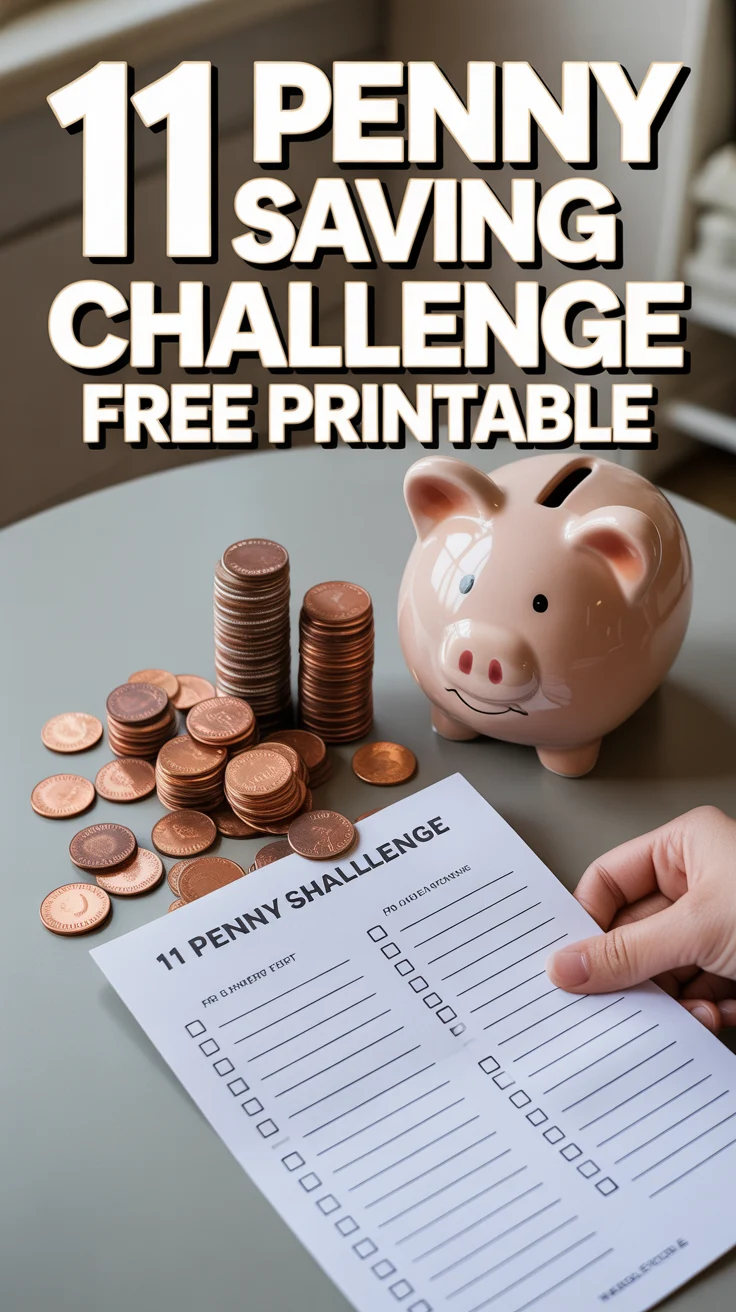
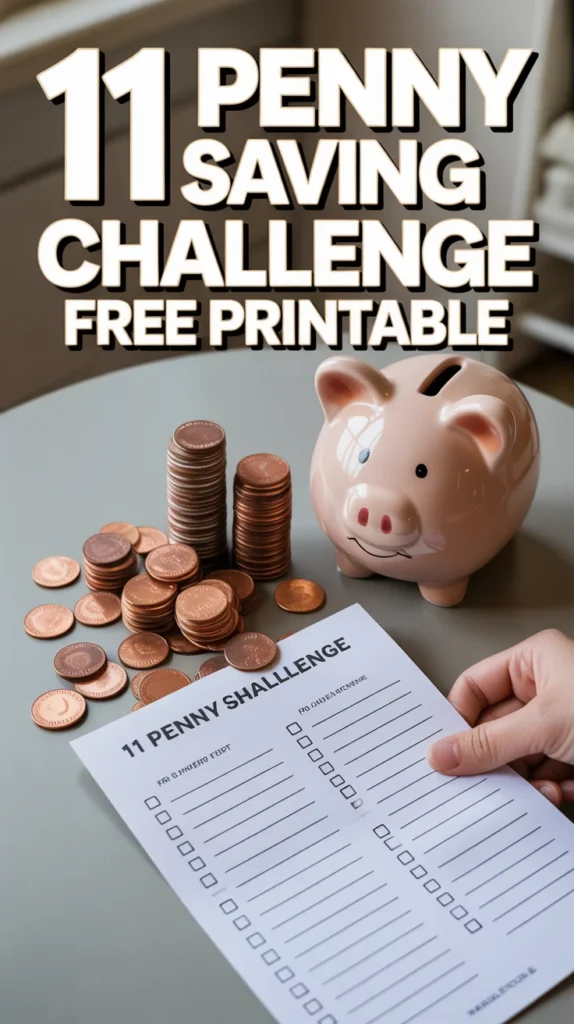
💰 11 Penny Saving Challenge Free Printable
📚 The Financial Literacy Library
The best investment you can ever make is in your own financial education. These 5 cornerstone books are what millionaires, financial advisors, and wealth-builders universally recommend for completely rewiring how you think about earning, saving, and investing money.
🧠 The Psychology of Money
Doing well with money isn't necessarily about what you know—it's about how you behave. Morgan Housel masterfully breaks down the emotional and psychological biases that secretly dictate our financial decisions, offering a true paradigm shift in how to view wealth.
🏠 Rich Dad Poor Dad
The #1 personal finance book of all time for a reason. This foundational read shatters the myth that you need to earn a high income to be rich, teaching you the critical difference between working for money and making your money work for you via assets.
📈 Atomic Habits
While not strictly a finance book, building wealth is absolutely dependent on the daily habits you cultivate. James Clear provides the definitive framework for breaking bad spending habits and effortlessly automating the good ones that lead to long-term success.
📊 The Simple Path to Wealth
The ultimate antidote to complex, intimidating financial advice. JL Collins provides an incredibly accessible, low-stress roadmap to financial independence through index fund investing, perfectly explaining why simplicity beats Wall Street complexity every time.
💳 I Will Teach You to Be Rich
A tactical, no-BS, 6-week program that actually works. Ramit Sethi teaches you how to crush debt, automate your savings, and negotiate your salary—all while guilt-free spending on the things you truly love. A must-read for modern money management.
1. The Weekly Incremental Saver
This one is the OG, the granddaddy of penny challenges. You start small, like, really small, and build up. Week one, save 1p. Week two, 2p. By week 52, you are saving 52p. Easy peasy lemon squeezy, right?
It’s brilliant because it barely feels like you’re doing anything at first, which is perfect for commitment-phobes. The trick is to automate it if your bank allows, or just keep a designated jar where you physically drop the coins. You’ll be amazed at how those tiny amounts snowball into a decent chunk of change without much effort.
2. The No-Spend Day Blitz
Think of this as a mini financial detox. Pick a day (or a few days) each week where you commit to spending absolutely zero dollars, pounds, or pesos. Zip, nada, nil.
This challenge forces you to get creative with what you already have – that leftover pasta in the fridge, the book you’ve been meaning to read, the free park down the street. Pro tip: plan your no-spend days for when you’re least likely to be tempted by spontaneous outings or online retail therapy. It’s a fantastic way to reset your spending habits and realize how much you spend on impulse.
3. Coffee Shop Skip Saver
Your daily barista is lovely, but your wallet probably hates them. This challenge is simple: skip one coffee shop purchase a day, or even just a few times a week, and put that money aside.
Brewing your own at home not only saves you a pretty penny (often £3-£5 a pop), but you also get to be your own fancy coffee artist. Invest in a reusable cup and some decent beans, and you’ll feel like a savvy, eco-conscious genius. Those saved fivers add up faster than you can say “extra shot of espresso.”
4. Meal Prep Masterclass
Eating out or grabbing takeout is the ultimate budget killer. This challenge dares you to plan and prep your meals for the week ahead, cutting down on impulse food buys.
Dedicate a few hours on Sunday to chopping veggies, cooking grains, and portioning out lunches. Not only will you save a ridiculous amount of money, but you’ll also eat healthier and stress less during the week. Your bank account and your waistline will thank you for being so organized.
5. Subscription Audit Annihilator
We all have them: those sneaky subscriptions we signed up for and promptly forgot about. This challenge is about hunting down and canceling every single one you don’t actively use or love.
Go through your bank statements with a fine-tooth comb. Did you really need that obscure streaming service after that one show ended? Probably not. Pro tip: set a reminder to review your subscriptions quarterly. It’s like finding free money in your couch cushions, but way more satisfying.
6. Round-Up Your Purchases
Many banks and saving apps offer a “round-up” feature where they’ll automatically round your purchases to the nearest dollar/pound and transfer the difference into a savings account.
This is truly passive saving. You buy a coffee for £2.75, and your bank moves 25p into savings without you lifting a finger. It’s so effortless, you’ll barely notice the money leaving your checking account, but you’ll definitely notice it accumulating in your savings.
7. DIY Home Hacks Hustle
Before you call a professional or buy something new, challenge yourself to fix it, make it, or repurpose it yourself. Think small repairs, cleaning products, or even home decor.
YouTube is your best friend here. Need to unclog a drain? There’s a video. Want to make your own all-purpose cleaner? Recipe galore. Not only do you save money, but you also gain some serious life skills. Plus, bragging rights are priceless.
8. Energy Vampire Hunt
Those electronics sucking power even when they’re off? They’re energy vampires, and this challenge is about slaying them. Unplug devices when not in use, or use power strips you can switch off.
This isn’t just about saving pennies; it’s about saving the planet (and your sanity when you see that electricity bill). Getting into the habit of unplugging is a small action with a big impact. Your future self will enjoy those lower utility bills.
9. Second-Hand Score Seeker
Need something new? Challenge yourself to find it second-hand first. Clothes, furniture, books, electronics – you name it, someone’s probably selling it for a fraction of the price.
Thrift stores, online marketplaces, and local garage sales are treasure troves. Not only do you save money, but you also contribute to a more sustainable lifestyle. Plus, finding a unique, pre-loved gem feels way more special than buying something mass-produced.
10. The “Found Money” Jar
Every time you find a stray coin in your couch, a forgotten fiver in an old jacket, or get some unexpected cashback, don’t spend it. Immediately put it into a designated “found money” jar.
This challenge turns accidental windfalls into intentional savings. It’s like a tiny, joyful scavenger hunt for your own money. The surprise of seeing how much accumulates from these small finds is incredibly motivating.
11. Side Hustle Small Change
This isn’t about quitting your day job, but about turning small, spare moments into extra income. Sell old clothes, do a quick online survey, or walk a neighbor’s dog for a few quid.
Even an extra £10-£20 a week from a micro-side hustle can make a huge difference over time. Use that extra cash exclusively for savings or debt repayment. It’s amazing how quickly those small efforts add up to big results.
💼 The Money Management Toolkit
Knowledge is power, but proper execution requires the right tools. Getting your financial life organized doesn't have to be overwhelming. These 5 physical management tools are exactly what successful households use to budget, track cash, and secure their most important assets.
📝 Clever Fox Budget Planner & Bill Organizer
The ultimate analog command center for your finances. Sometimes keeping your budget in an app just doesn't stick. Physically writing down your goals, tracking expenses, and planning for debt payoff creates a level of accountability that digital spreadsheets simply can't match.
💵 A6 Leather Cash Stuffing Binder
The viral tool that made the cash-envelope budgeting system popular again. By allocating actual physical cash to designated envelopes (groceries, dining out, fun money), you physically cap your spending, making it virtually impossible to overdraft or overspend.
🔥 Fireproof & Waterproof Document Safe
A critical piece of financial security that many families overlook. Protecting your passports, birth certificates, property deeds, and estate planning documents from disaster is just as important as protecting the money in your bank account.
🏷️ Brother P-Touch Digital Label Maker
The unsung hero of a functional home office. When tax season rolls around or you need to find an important receipt, having perfectly labeled and categorized filing cabinets or accordion folders saves hours of frustrating searches and potential late fees.
🔒 SentrySafe Compact Fireproof Lock Box
For the physical assets that need extra heavy-duty protection—think emergency cash reserves, hard drives with Bitcoin cold wallets, or physical precious metals. This compact, locking safe provides peace of mind that your physical wealth is secure at home.
Conclusion
See? Saving money doesn’t have to feel like pulling teeth. It can actually be a fun, challenging game! By tackling these 11 penny-saving challenges, you’re not just squirreling away cash; you’re building awesome habits, boosting your financial confidence, and proving to yourself that every little bit truly does count. So grab that free printable, pick a challenge (or two!), and let’s get those pennies working for you. Your future self is already sending virtual high-fives!