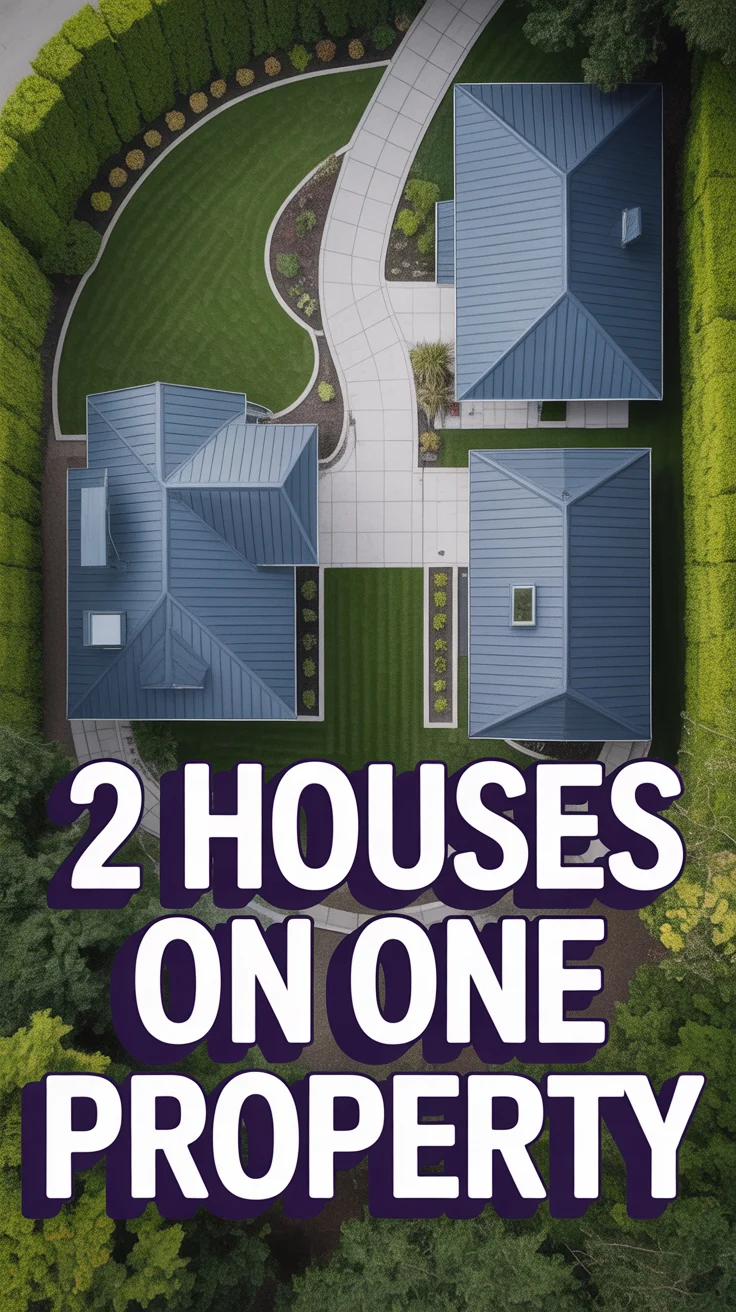
🏡 2 Houses On One Property
📚 The Financial Literacy Library
The best investment you can ever make is in your own financial education. These 5 cornerstone books are what millionaires, financial advisors, and wealth-builders universally recommend for completely rewiring how you think about earning, saving, and investing money.
🧠 The Psychology of Money
Doing well with money isn't necessarily about what you know—it's about how you behave. Morgan Housel masterfully breaks down the emotional and psychological biases that secretly dictate our financial decisions, offering a true paradigm shift in how to view wealth.
🏠 Rich Dad Poor Dad
The #1 personal finance book of all time for a reason. This foundational read shatters the myth that you need to earn a high income to be rich, teaching you the critical difference between working for money and making your money work for you via assets.
📈 Atomic Habits
While not strictly a finance book, building wealth is absolutely dependent on the daily habits you cultivate. James Clear provides the definitive framework for breaking bad spending habits and effortlessly automating the good ones that lead to long-term success.
📊 The Simple Path to Wealth
The ultimate antidote to complex, intimidating financial advice. JL Collins provides an incredibly accessible, low-stress roadmap to financial independence through index fund investing, perfectly explaining why simplicity beats Wall Street complexity every time.
💳 I Will Teach You to Be Rich
A tactical, no-BS, 6-week program that actually works. Ramit Sethi teaches you how to crush debt, automate your savings, and negotiate your salary—all while guilt-free spending on the things you truly love. A must-read for modern money management.
Imagine a life where your home doesn’t just provide shelter, but actively contributes to your financial freedom. Picture a future where you’re building wealth, paying down your mortgage faster, or even creating a comfortable space for loved ones, all while living on your own terms. This isn’t a far-fetched dream; it’s a tangible reality for a growing number of savvy homeowners embracing the concept of “2 Houses On One Property.” This innovative approach to real estate is more than just a trend; it’s a strategic money move, a smart investment, and a pathway to a more flexible, financially secure future. If you’re ready to unlock the hidden potential in your property and accelerate your journey to financial independence, you’ve come to the right place. Let’s dive into how this powerful strategy can transform your financial landscape.
What is 2 Houses On One Property?
At its core, “2 Houses On One Property” refers to a single parcel of land that hosts two distinct, independent dwelling units. Think of it as having a primary residence and an additional, separate living space on the same lot. This isn’t just about adding an extra bedroom; it’s about creating a completely self-sufficient home, often with its own kitchen, bathroom, and entrance.
The most common manifestation of this concept is an Accessory Dwelling Unit (ADU). ADUs go by many names – granny flats, in-law suites, backyard cottages, casitas, or secondary units – but they all share the fundamental characteristic of being a smaller, independent home on the same property as a larger, primary home. ADUs can take various forms:
- Detached ADUs: These are standalone structures completely separate from the main house. Picture a charming tiny home in your backyard, a converted garage, or a newly built guesthouse. They offer maximum privacy for occupants.
- Attached ADUs: These units are part of the main house but have their own separate entrance, kitchen, and bathroom. This could be a basement apartment, a converted attic, or an extension built onto the existing structure.
- Internal ADUs: Less common, these are spaces within the existing footprint of the main house that are converted into a separate unit, often requiring significant renovation to ensure independent living facilities.
The beauty of having 2 Houses On One Property lies in its versatility. It’s a strategic asset that can generate income, provide flexible living arrangements for family, or even serve as a dedicated space for a home business or creative studio. It’s about maximizing the utility and value of your land, turning what might have been just extra yard space into a powerful wealth-building tool.
Key Features
Embracing the “2 Houses On One Property” model comes with a host of compelling benefits that directly impact your financial well-being and lifestyle. It’s a multi-faceted approach to property ownership that offers both immediate gains and long-term security.
- Robust Income Generation: This is arguably the most attractive feature for the money-smart individual. By renting out your second unit, you create a consistent stream of passive income. This income can significantly offset your mortgage payments, cover property taxes and insurance, or even become a primary source of revenue, accelerating your path to financial independence. Imagine your tenant paying a substantial portion, or even all, of your monthly housing costs! You can opt for long-term rentals for stability or explore short-term vacation rentals (like Airbnb) for potentially higher income, depending on your local market and regulations.
- Accelerated Wealth Building & Equity Growth: Every dollar of rental income that goes towards your mortgage principal is a dollar saved and a dollar of equity gained. As your property value naturally appreciates and you pay down your loan faster, your net worth grows exponentially. An ADU itself adds significant value to your property, often far exceeding its construction cost, making your home a more valuable asset in the long run.
- Unmatched Flexibility for Multi-generational Living: Life happens, and family needs evolve. A second dwelling provides a perfect solution for housing aging parents, adult children returning home, or even a live-in caregiver, all while maintaining privacy and independence for everyone. This can save significant money on assisted living facilities or separate rental costs for family members, keeping your loved ones close without sacrificing personal space.
- Strategic Tax Advantages: As a landlord, you can often deduct a wide range of expenses related to your rental unit, including property taxes, mortgage interest, insurance, utilities, maintenance, and even depreciation. While it’s always wise to consult a tax professional, these deductions can substantially reduce your taxable income, further boosting your financial gains.
- Enhanced Property Value & Market Appeal: Properties with a legal, well-designed second unit are highly sought after. They appeal to a broader range of buyers – those looking for income potential, space for family, or even a dedicated home office. This increased demand often translates into a higher selling price and a quicker sale when you decide to move on.
- Financial Security & Diversification: Having a second income stream adds a layer of financial security. Should you face unexpected expenses or job changes, that rental income provides a crucial safety net. It also diversifies your investment portfolio, moving beyond traditional stocks and bonds into tangible real estate assets.
How to Get Started
Embarking on the journey to create 2 Houses On One Property is an exciting venture, but like any smart investment, it requires careful planning and execution. Here’s a step-by-step guide to get you started on the right foot, ensuring your project is a financial success rather than a costly headache.
- Master Your Local Zoning & Regulations (The Absolute First Step!):
This cannot be stressed enough. Before you even dream of designs, research your local municipality’s zoning laws, building codes, and ADU ordinances. Are ADUs permitted in your zone? What are the size restrictions (maximum square footage, height limits)? Are there specific setback requirements from property lines? What about parking rules or utility hookup regulations? These rules vary wildly by city and even by neighborhood. Visit your city’s planning department website or call them directly. This step is critical; ignoring it can lead to costly fines or even demolition orders.
- Conduct a Thorough Financial Feasibility Study:
This is where your money-smart mindset kicks in. Create a detailed budget for the entire project, including:
- Design & Permitting Costs: Architects, engineers, permits, impact fees.
- Construction Costs: Materials, labor, utility hookups, landscaping. Get multiple bids from reputable contractors.
- Contingency Fund: Always add 10-20% to your total budget for unexpected issues. Construction almost always has surprises.
- Financing Options: Explore how you’ll pay for it. Common options include a Home Equity Line of Credit (HELOC), a cash-out refinance, a construction loan, or even personal savings. Understand interest rates and repayment terms.
- Projected Rental Income: Research comparable rentals in your area to get a realistic estimate of what you can charge. Calculate your potential ROI (Return on Investment).
Ensure the numbers make sense and align with your financial goals.
- Design for Success & Obtain Permits:
Once you understand the rules and your budget, work with an experienced architect or designer who specializes in ADUs. They can help you create a functional, attractive, and code-compliant design that maximizes space and privacy. They’ll also help navigate the often-complex permitting process, which can take several months. Patience is key here!
- Build Your Dream Team:
Choosing the right professionals is paramount. Vet contractors carefully. Look for licensed, insured professionals with a proven track record, especially with ADUs or similar projects. Get references and check online reviews. A good contractor can make or break your budget and timeline.
- Construction & Project Management:
Oversee the construction process, or have your architect or a project manager do so. Regular check-ins, clear communication, and prompt decision-making are vital to keep the project on track and within budget. Be prepared for minor hiccups and trust your contingency fund.
- Prepare for Occupancy (Rental or Family):
Once construction is complete and you have final inspections and occupancy permits, it’s time to get ready for your new residents. If renting, prepare a comprehensive marketing strategy, screen tenants thoroughly, and draft a solid lease agreement. If it’s for family, clearly communicate expectations regarding shared spaces, utilities, and privacy to ensure a harmonious living arrangement.
Tips for Success
Turning your second house into a wealth-building machine requires more than just construction; it demands smart strategies and a savvy mindset. Here are some pro tips to ensure your “2 Houses On One Property” venture thrives:
- Budget Like a Zen Master (and Then Some!): Beyond the initial construction budget, create a detailed ongoing budget. Factor in utilities, maintenance, insurance, potential vacancies, and unexpected repairs. Automate savings for these “rainy day” funds. A true money-smart approach means understanding every dollar in and out, not just at the start, but for the life of the property.
- Optimize for Privacy and Independence: Whether for renters or family, privacy is paramount. Design separate entrances, dedicated outdoor spaces (even small patios), soundproofing, and separate utility meters if possible. This fosters harmonious living and makes the unit more desirable for tenants, increasing your rental income potential.
- Treat It Like a Business (Because It Is!): Even if you’re housing family, approach the second unit with a business mindset. Keep meticulous records of all income and expenses for tax purposes. If renting, use professional lease agreements, screen tenants diligently, and respond to maintenance requests promptly. Your tenant is your customer; excellent service leads to fewer vacancies and better reviews.
- Invest in Quality, but Be Smart: Don’t cut corners on essential structural elements, insulation, or durable finishes. Quality construction reduces long-term maintenance costs and increases tenant satisfaction. However, be smart about upgrades. Focus on features that offer the best return on investment (e.g., energy-efficient appliances, durable flooring) rather than overly luxurious finishes that might not justify the cost in a rental market.
- Network with Other ADU Owners: Join local real estate investor groups or online forums dedicated to ADUs. Learning from others’ experiences, successes, and failures can provide invaluable insights, shortcut your learning curve, and help you avoid common pitfalls. The collective wisdom of a community is a powerful tool for wealth building.
Common Mistakes to Avoid
While the rewards of having 2 Houses On One Property are substantial, certain missteps can quickly turn a profitable venture into a financial drain. Being aware of these common pitfalls can save you time, money, and a lot of headaches.
- Ignoring Zoning Laws and Permits: This is the cardinal sin. Building without proper permits or in violation of local zoning can lead to hefty fines, legal battles, forced demolition, and a complete loss of your investment. Always start with thorough research and get everything approved in writing.
- Underestimating Costs (The Budget Buster): Construction almost always costs more and takes longer than initially planned. Failing to include a significant contingency fund (10-20% minimum) is a recipe for financial stress. Be brutally honest with your budget, and then add more.
- Poor Tenant Screening: A bad tenant can cause property damage, late payments, legal issues, and immense stress. Don’t rush this process. Conduct thorough background checks, credit checks, employment verification, and reference calls. A vacant unit for an extra month is often cheaper than a problematic tenant for a year.
- Lack of Clear Agreements (Especially with Family): If family members are occupying the second unit, establish clear expectations from the outset regarding rent, utilities, shared responsibilities, and privacy. “Good fences make good neighbors,” and clear agreements preserve family harmony and financial boundaries.
- Neglecting Maintenance and Repairs: Putting off small repairs can lead to larger, more expensive problems down the line. Regular maintenance not only preserves the value of your property but also keeps tenants happy and prevents costly emergencies. Factor maintenance into your ongoing budget.
- Emotional Decision-Making: While your home is personal, treating the second unit purely as an investment property (even if family lives there) will lead to better financial outcomes. Avoid making decisions based purely on sentiment; instead, focus on ROI, efficiency, and long-term value.
FAQ
Let’s tackle some of the most common questions people have when considering the “2 Houses On One Property” strategy.
Q1: How much does it typically cost to build an ADU?
A1: The cost varies wildly based on location, size, type (detached vs. attached), quality of finishes, and site preparation. A garage conversion might range from $50,000 to $150,000, while a new detached ADU can easily cost $150,000 to $400,000+. It’s crucial to get local quotes and factor in permits, architectural fees, and utility hookups. Remember to add that 10-20% contingency fund!
Q2: Will adding a second house increase my property taxes?
A2: Yes, it almost certainly will. Adding a dwelling unit significantly increases the assessed value of your property, which will result in higher property taxes. However, the increased property value and potential rental income typically far outweigh the additional tax burden, making it a net positive financial move. Consult your local assessor’s office for specific information.
Q3: Can I get a mortgage or financing for a property with two houses?
A3: Absolutely! If you’re purchasing a property that already has two legal dwelling units, it might be eligible for multi-unit financing, which lenders view differently than a single-family home. If you’re building an ADU, you can explore options like a Home Equity Line of Credit (HELOC), a cash-out refinance on your existing mortgage, or a construction loan specifically designed for property improvements. Lenders are increasingly recognizing the value and income potential of ADUs.
Q4: Is it really worth all the effort and upfront cost?
A4: For most money-smart homeowners, the answer is a resounding yes! While the upfront effort and cost can be substantial, the long-term benefits are immense. We’re talking about significant passive income, accelerated mortgage payoff, substantial equity growth, increased property value, and incredible flexibility for your family’s evolving needs. It’s a powerful wealth-building strategy that pays dividends for decades, transforming your financial future and offering a strong sense of security.
💼 The Money Management Toolkit
Knowledge is power, but proper execution requires the right tools. Getting your financial life organized doesn't have to be overwhelming. These 5 physical management tools are exactly what successful households use to budget, track cash, and secure their most important assets.
📝 Clever Fox Budget Planner & Bill Organizer
The ultimate analog command center for your finances. Sometimes keeping your budget in an app just doesn't stick. Physically writing down your goals, tracking expenses, and planning for debt payoff creates a level of accountability that digital spreadsheets simply can't match.
💵 A6 Leather Cash Stuffing Binder
The viral tool that made the cash-envelope budgeting system popular again. By allocating actual physical cash to designated envelopes (groceries, dining out, fun money), you physically cap your spending, making it virtually impossible to overdraft or overspend.
🔥 Fireproof & Waterproof Document Safe
A critical piece of financial security that many families overlook. Protecting your passports, birth certificates, property deeds, and estate planning documents from disaster is just as important as protecting the money in your bank account.
🏷️ Brother P-Touch Digital Label Maker
The unsung hero of a functional home office. When tax season rolls around or you need to find an important receipt, having perfectly labeled and categorized filing cabinets or accordion folders saves hours of frustrating searches and potential late fees.
🔒 SentrySafe Compact Fireproof Lock Box
For the physical assets that need extra heavy-duty protection—think emergency cash reserves, hard drives with Bitcoin cold wallets, or physical precious metals. This compact, locking safe provides peace of mind that your physical wealth is secure at home.
Conclusion
The concept of “2 Houses On One Property” is far more than just a clever real estate trick; it’s a strategic blueprint for financial freedom, a testament to smart living, and a powerful tool for building generational wealth. By understanding the ins and outs, diligently planning, and approaching the venture with a money-smart mindset, you can transform your property into a dynamic asset that works for you, not the other way around.
Imagine the peace of mind that comes with a reduced mortgage burden, the security of a diversified income stream, and the joy of providing a flexible, comfortable space for your loved ones. This isn’t just about adding square footage; it’s about adding financial resilience, lifestyle flexibility, and a significant boost to your net worth. The path may require effort, research, and a commitment to smart financial practices, but the rewards are profound and enduring.
Your journey to maximizing your property’s potential and accelerating your financial goals starts now. Take that first step: research, plan, and commit to making your home a powerful engine for wealth. Your financial future is waiting!