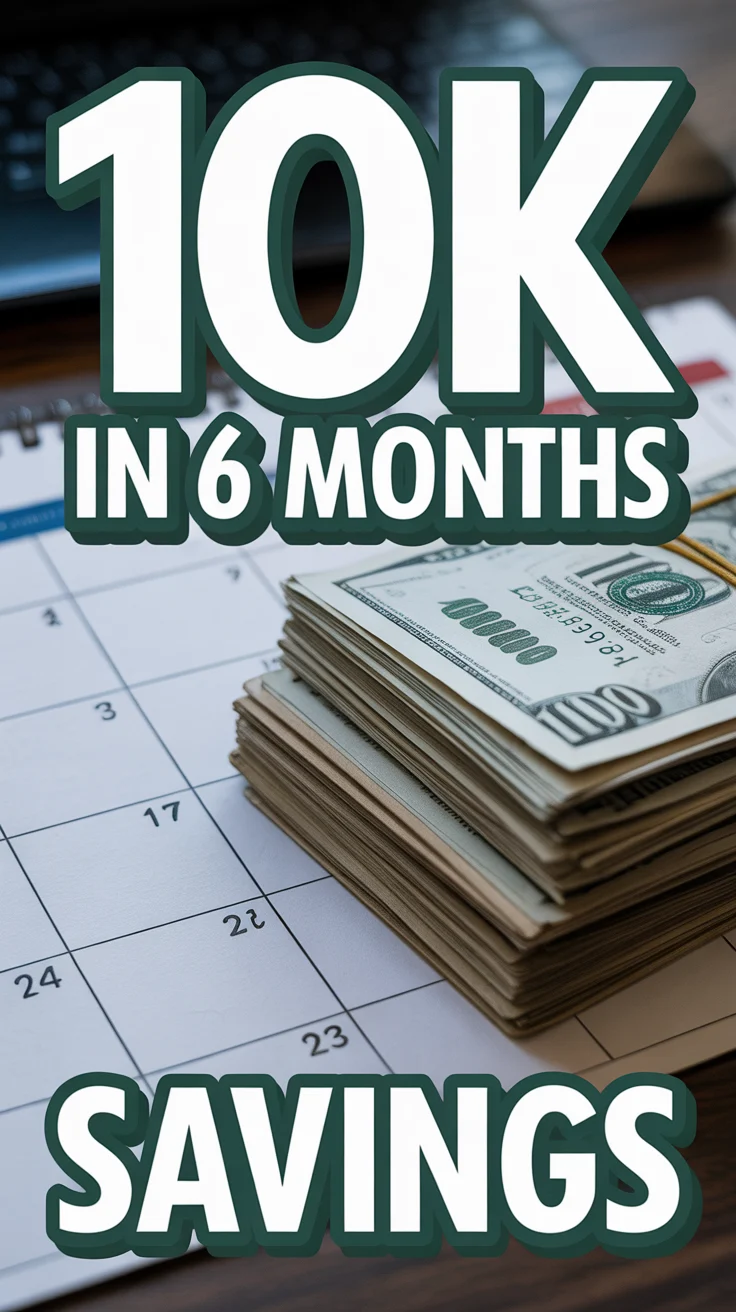
💰 10K In 6 Months Savings
📚 The Financial Literacy Library
The best investment you can ever make is in your own financial education. These 5 cornerstone books are what millionaires, financial advisors, and wealth-builders universally recommend for completely rewiring how you think about earning, saving, and investing money.
🧠 The Psychology of Money
Doing well with money isn't necessarily about what you know—it's about how you behave. Morgan Housel masterfully breaks down the emotional and psychological biases that secretly dictate our financial decisions, offering a true paradigm shift in how to view wealth.
🏠 Rich Dad Poor Dad
The #1 personal finance book of all time for a reason. This foundational read shatters the myth that you need to earn a high income to be rich, teaching you the critical difference between working for money and making your money work for you via assets.
📈 Atomic Habits
While not strictly a finance book, building wealth is absolutely dependent on the daily habits you cultivate. James Clear provides the definitive framework for breaking bad spending habits and effortlessly automating the good ones that lead to long-term success.
📊 The Simple Path to Wealth
The ultimate antidote to complex, intimidating financial advice. JL Collins provides an incredibly accessible, low-stress roadmap to financial independence through index fund investing, perfectly explaining why simplicity beats Wall Street complexity every time.
💳 I Will Teach You to Be Rich
A tactical, no-BS, 6-week program that actually works. Ramit Sethi teaches you how to crush debt, automate your savings, and negotiate your salary—all while guilt-free spending on the things you truly love. A must-read for modern money management.
Imagine having an extra $10,000 in your bank account just six months from now. What would you do with it? Pay off a chunk of debt? Fund a down payment for a house? Build a robust emergency fund? Or perhaps finally take that dream vacation? The idea of saving such a significant sum in a relatively short period might seem daunting, even impossible, to many. But what if we told you it’s not only possible but entirely achievable with the right strategy, dedication, and a money-smart mindset?
Welcome to the world of “10K In 6 Months Savings” – a powerful, focused financial challenge that has transformed the financial lives of countless individuals. This isn’t just about cutting back; it’s about strategically re-evaluating your relationship with money, optimizing your spending, and unlocking your earning potential. It’s a journey that promises not just a healthier bank balance, but also a profound sense of accomplishment and a foundation for lasting financial independence. If you’re ready to take control of your financial destiny and see real results, this comprehensive guide is your roadmap to success.
What is 10K In 6 Months Savings?
At its core, “10K In 6 Months Savings” is a highly ambitious yet attainable financial goal: to accumulate a total of $10,000 in savings within a six-month timeframe. It’s a structured approach designed to accelerate your savings journey, often for a specific, meaningful financial objective.
Let’s break down the math to make it feel more manageable. To save $10,000 in six months, you need to save an average of:
- $1,666.67 per month ($10,000 / 6 months)
- Approximately $416.67 per week ($1,666.67 / 4 weeks)
When you look at it week by week or even month by month, the number becomes less intimidating. It transforms from a colossal sum into a series of achievable mini-goals. This challenge isn’t merely about squirreling away money; it’s a holistic strategy that encourages you to look at both sides of your financial equation: how much you spend and how much you earn. It pushes you to become more conscious of your financial habits, make intentional choices, and develop a discipline that extends far beyond the six-month period. It’s an exercise in delayed gratification, financial literacy, and goal-setting that can fundamentally shift your perspective on wealth building.
Key Features
The “10K In 6 Months Savings” challenge isn’t just a number; it’s a framework built on several powerful features that make it so effective:
- Clear, Measurable Goal: Unlike vague resolutions, “save more money,” this challenge provides an exact target ($10,000) and a specific deadline (6 months). This clarity eliminates guesswork and keeps you focused on the prize.
- Time-Bound Urgency: The six-month timeframe creates a sense of urgency, motivating you to take immediate and consistent action. This finite period also makes the sacrifices feel temporary and more bearable.
- Actionable Strategy: It demands concrete steps, not just good intentions. You’ll move from passive wishing to active planning, budgeting, and execution.
- Dual Approach to Wealth: This challenge implicitly encourages you to consider both sides of your financial coin:
- Saving: Identifying and cutting unnecessary expenses.
- Earning: Exploring opportunities to increase your income.
This dual focus is a powerful accelerator for your savings.
- Transformative Financial Habits: Successfully navigating this challenge instills invaluable habits like diligent budgeting, mindful spending, regular saving, and proactive income generation. These habits form the bedrock of long-term financial health.
- Boosts Financial Confidence: Achieving such a significant goal in a short time dramatically increases your confidence in your ability to manage money and achieve future financial aspirations.
How to Get Started
Ready to embark on your 10K journey? Here’s a step-by-step guide to set you up for success:
1. Assess Your Current Financial Picture
Before you can chart a course, you need to know your starting point. Gather all your financial statements (bank, credit card, loan statements) and conduct a thorough review:
- Track Your Income: List all sources of income, including your primary job, side hustles, or any other regular earnings.
- Track Your Expenses: For at least a month, meticulously track every dollar you spend. Use a budgeting app (like Mint, YNAB), a spreadsheet, or even a simple notebook. Categorize your expenses into fixed (rent, loan payments) and variable (groceries, entertainment). This step is crucial for identifying where your money truly goes.
- Calculate Your Current Savings Rate: How much are you currently saving each month? This will help you understand the gap you need to close to hit your $1,666.67 monthly target.
2. Create an Aggressive Budget
This isn’t your average “comfortable” budget; this is a lean, mean, savings-machine budget. Based on your expense tracking:
- Identify Non-Negotiables: These are your fixed costs like rent/mortgage, minimum loan payments, and essential utilities.
- Ruthlessly Cut Discretionary Spending: This is where you’ll find the biggest opportunities. Can you cut down on dining out, subscription services, new clothes, or daily coffees? For six months, challenge yourself to reduce these categories significantly. Think of it as a temporary financial “diet.”
- Allocate Every Dollar: Assign every dollar of your income a job. A portion goes to fixed expenses, another to variable expenses, and a significant chunk (at least $1,666.67) goes directly to your savings goal.
3. Automate Your Savings
This is arguably the most powerful tip. Set up an automatic transfer from your checking account to your dedicated savings account to occur immediately after you get paid. This ensures you “pay yourself first” before you have a chance to spend the money. If you aim for $1,666.67 per month, you might set up two transfers of $833.33 if you’re paid bi-weekly.
4. Boost Your Income (Highly Recommended)
Cutting expenses alone might not be enough or might make the challenge feel too restrictive. Actively seeking ways to increase your income can significantly ease the burden and accelerate your progress:
- Side Hustles: Explore freelancing (writing, graphic design, web development), gig economy jobs (delivery, rideshare), pet sitting, tutoring, virtual assistant work, or selling crafts.
- Sell Unused Items: Declutter your home and sell clothes, electronics, furniture, or collectibles on platforms like eBay, Facebook Marketplace, or local consignment shops.
- Ask for a Raise: If applicable and you’re due for one, make a compelling case to your employer.
- Overtime: If your job offers it, consider picking up extra shifts temporarily.
5. Set Up a Dedicated Savings Account
Open a separate savings account specifically for your $10K challenge. Ideally, choose a high-yield savings account (HYSA) to earn a little extra interest. Keeping it separate from your everyday checking account reduces the temptation to dip into it and helps you clearly visualize your progress.
Tips for Success
To keep momentum and navigate the inevitable challenges, integrate these pro tips into your strategy:
- Embrace “No-Spend” Days/Weeks: Challenge yourself to go a full day, weekend, or even a week without spending any money on non-essentials. Pack your lunch, make coffee at home, find free entertainment. These challenges not only save money but also highlight how much you spend unnecessarily.
- Audit and Optimize Recurring Bills: Go through all your subscriptions (streaming services, gym memberships, apps). Cancel anything you don’t actively use or need. Call your internet, cable, or insurance providers to negotiate better rates. You’d be surprised how often they’ll offer discounts to retain you.
- Master the Art of Home Cooking: Dining out and ordering takeout are huge budget busters. Plan your meals, grocery shop with a list, and cook healthy meals at home. Batch cooking on weekends can save time and money during busy weekdays.
- Track Your Progress Religiously: Create a visual tracker (a thermometer chart, spreadsheet, or app). Seeing your savings grow is incredibly motivating. Celebrate small milestones – hitting $1,000, $5,000, etc. – with a small, non-monetary reward or a high-five.
- Find an Accountability Partner: Share your goal with a trusted friend, family member, or partner. Regularly check in with each other, share tips, and offer encouragement. Knowing someone else is aware of your goal can provide an extra layer of motivation.
- Practice Mindful Spending: Before every purchase, pause and ask yourself: “Do I truly need this, or do I just want it? Is this purchase aligned with my $10K goal?” This simple mental check can prevent impulse buys.
Common Mistakes to Avoid
Even with the best intentions, pitfalls can derail your progress. Be aware of these common mistakes:
- Not Having a Clear, Detailed Plan: Vague goals like “I’ll save more” rarely work. You need a specific budget, an income-boosting strategy, and a timeline. Without a roadmap, it’s easy to get lost.
- Being Too Restrictive and Burning Out: While aggressive saving is key, completely depriving yourself can lead to resentment and eventual splurge-fests that undo your hard work. Allow for small, budgeted indulgences (e.g., one coffee out a week) to keep you sane and motivated.
- Ignoring Income Potential: Many focus solely on cutting expenses. While essential, there’s a limit to how much you can cut. There’s often more potential to increase your income, which acts as a powerful accelerator for your savings.
- Not Tracking Progress: If you don’t know where you stand, it’s hard to stay motivated or make necessary adjustments. Regular tracking keeps the goal front and center.
- Falling Victim to Lifestyle Creep: As you save, you might feel a bit wealthier. Resist the urge to increase your spending. Stick to your lean budget, even if your income increases during the challenge.
- Relying Solely on Willpower: Willpower is finite. Automating savings, setting up clear rules, and removing temptation are more effective long-term strategies than simply trying to “be strong.”
FAQ
Q1: Is $10K in 6 months realistic for everyone?
A: It depends on your current income, expenses, and dedication. For someone earning minimum wage with high living costs, it might be extremely challenging without a significant income boost. However, for many, especially those willing to embrace side hustles and aggressive budgeting, it is entirely realistic. The key is to assess your personal situation honestly and create a plan tailored to your capabilities.
Q2: What’s the best place to keep my savings for this challenge?
A: A high-yield savings account (HYSA) is ideal. It keeps your money separate from your everyday spending, offers a slightly higher interest rate than traditional savings accounts, and typically allows easy access should you need it at the end of the six months (though the goal is not to touch it!). Avoid investing it in volatile assets for such a short-term, specific goal.
Q3: What if I don’t reach exactly $10K? Is it a failure?
A: Absolutely not! Any amount you save is a success. If you only save $7,000 or $8,000, you’re still thousands of dollars better off than when you started. The challenge is also about building incredible financial habits, discipline, and confidence. Those benefits are priceless and will serve you long after the six months are over. Celebrate your progress and continue applying the strategies you’ve learned.
Q4: How can I stay motivated during the 6 months, especially when it gets tough?
A: Motivation ebbs and flows. To sustain it:
- Visualize Your Goal: Regularly remind yourself why you started. Print a picture of what you’re saving for (e.g., a travel destination, a house, “debt-free”).
- Track and Celebrate Small Wins: Seeing your savings grow on your tracker is a huge boost. Acknowledge milestones.
- Connect with Others: Share your journey with an accountability partner or an online community.
- Allow for Small Treats: Budget for a small, non-derailing treat occasionally to prevent burnout.
- Review Your Budget: If you’re struggling, revisit your budget. Maybe it’s too restrictive, or perhaps there are new income opportunities. Flexibility is key.
💼 The Money Management Toolkit
Knowledge is power, but proper execution requires the right tools. Getting your financial life organized doesn't have to be overwhelming. These 5 physical management tools are exactly what successful households use to budget, track cash, and secure their most important assets.
📝 Clever Fox Budget Planner & Bill Organizer
The ultimate analog command center for your finances. Sometimes keeping your budget in an app just doesn't stick. Physically writing down your goals, tracking expenses, and planning for debt payoff creates a level of accountability that digital spreadsheets simply can't match.
💵 A6 Leather Cash Stuffing Binder
The viral tool that made the cash-envelope budgeting system popular again. By allocating actual physical cash to designated envelopes (groceries, dining out, fun money), you physically cap your spending, making it virtually impossible to overdraft or overspend.
🔥 Fireproof & Waterproof Document Safe
A critical piece of financial security that many families overlook. Protecting your passports, birth certificates, property deeds, and estate planning documents from disaster is just as important as protecting the money in your bank account.
🏷️ Brother P-Touch Digital Label Maker
The unsung hero of a functional home office. When tax season rolls around or you need to find an important receipt, having perfectly labeled and categorized filing cabinets or accordion folders saves hours of frustrating searches and potential late fees.
🔒 SentrySafe Compact Fireproof Lock Box
For the physical assets that need extra heavy-duty protection—think emergency cash reserves, hard drives with Bitcoin cold wallets, or physical precious metals. This compact, locking safe provides peace of mind that your physical wealth is secure at home.
Conclusion
The “10K In 6 Months Savings” challenge is more than just a financial goal; it’s a catalyst for profound personal and financial transformation. It demands discipline, strategic thinking, and a willingness to step outside your comfort zone, but the rewards are immense. Not only will you potentially accumulate a substantial sum of money in half a year, but you’ll also forge powerful habits that will serve as the bedrock of your long-term financial success.
You’ll gain a deep understanding of your money, learn to live intentionally, and discover your incredible capacity for financial resilience. This isn’t about deprivation; it’s about empowerment. It’s about consciously choosing your future over instant gratification. So, take that first step today. Assess your finances, craft your aggressive budget, automate your savings, and start exploring ways to boost your income. The journey to $10,000 in 6 months begins now, and with a clear plan and unwavering commitment, you have everything you need to achieve it. Your future self will thank you!