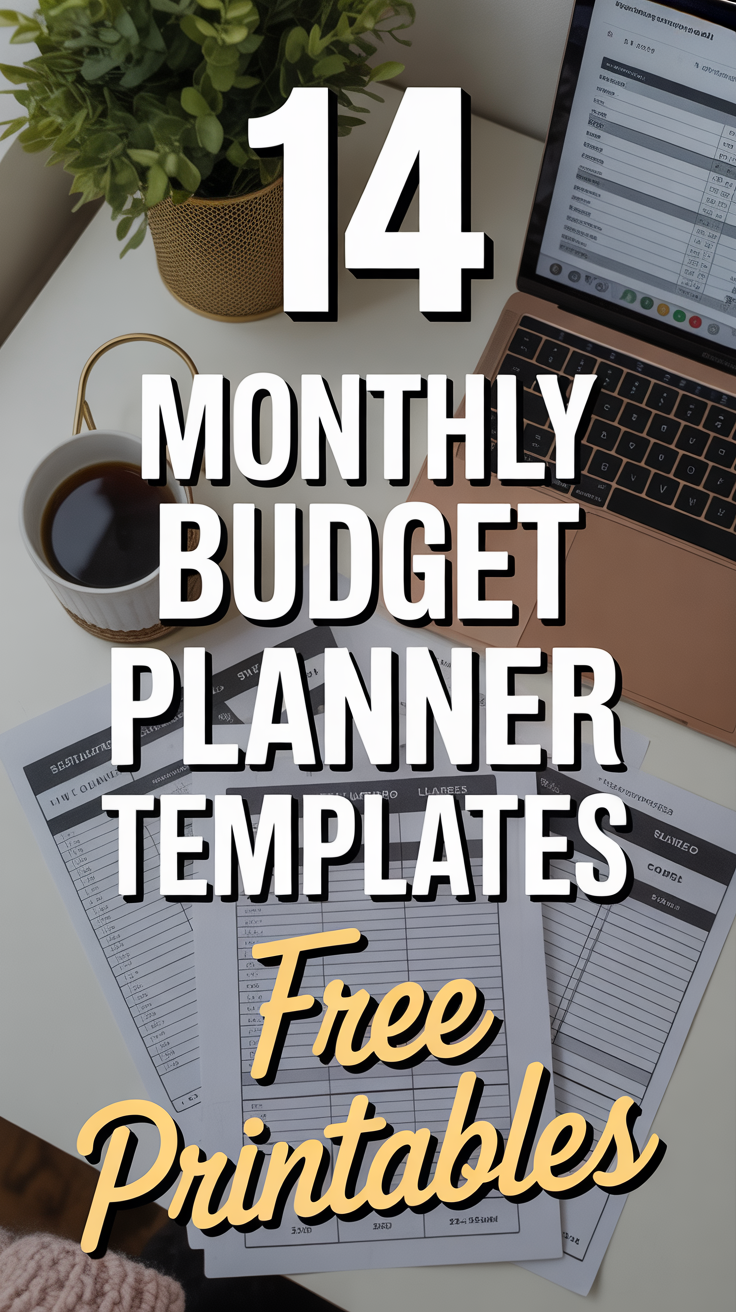
💰 14 Monthly Budget Planner Templates Free Printables
Okay, real talk. Adulting is basically just trying to figure out where all your money went every month, right? We’ve all been there, staring at our bank balance like it just pulled a disappearing act. But what if I told you that you could actually know where your cash flows, without feeling like you’re signing up for a finance degree? Spoiler alert: you can, and it’s actually kinda fun. Seriously! We’ve rounded up 14 totally free, totally fabulous monthly budget planner printables that make managing your moolah less of a chore and more of a “look at me go!” moment. Get ready to boss your budget, one pretty printable at a time.
1. The Classic Monthly Overview Template

This is your bread-and-butter budget. It gives you a clean, straightforward layout to track your income and fixed expenses. You see everything at a glance, no financial gymnastics required. It’s perfect for beginners dipping their toes into the budgeting pool.
You list your expected income, then slot in your non-negotiables like rent, utilities, and subscriptions. This template helps you quickly identify your baseline spending. Pro tip: Always add a small “miscellaneous” category for those unexpected coffee runs or impulse buys – it prevents feeling deprived. You’ll love seeing your financial picture laid out simply.
2. Zero-Based Budget Worksheet

Ever heard the phrase “every dollar has a job”? This template lives by that mantra. You allocate every single dollar of your income until you reach zero. It’s like a financial scavenger hunt where you assign a purpose to every penny.
This method forces you to be super intentional with your money, preventing those “where did it all go?” moments. You consciously decide what to do with everything you earn, whether it’s for bills, savings, or that new pair of sneakers. Pro tip: Start with your fixed expenses, then savings goals, then fun money. This ensures your priorities are covered first. It truly empowers you to control your cash flow.
3. 50/30/20 Rule Planner
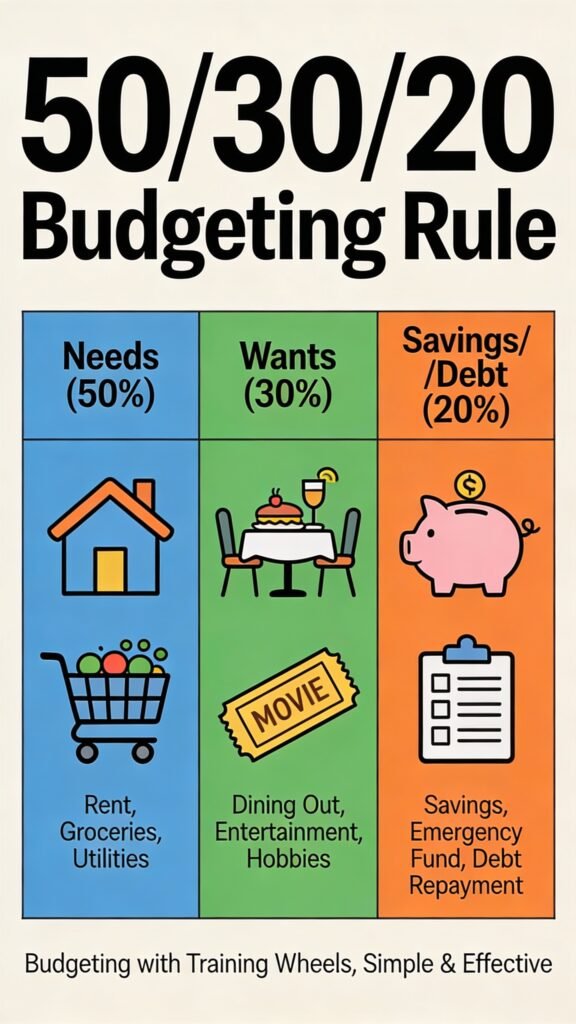
For those who prefer a simpler, more flexible approach, the 50/30/20 rule is your new best friend. This template helps you divide your after-tax income into three main categories: needs, wants, and savings/debt repayment. It’s budgeting with training wheels, but still super effective.
You allocate 50% to needs (rent, groceries), 30% to wants (dining out, entertainment), and 20% to savings or debt. It’s a fantastic guideline that keeps you on track without feeling overly restrictive. Pro tip: Be honest about what truly falls into “needs” versus “wants.” Your daily latte is probably a want, not a need, bless its heart. This template makes balancing your spending a breeze.
4. Envelope System Tracker
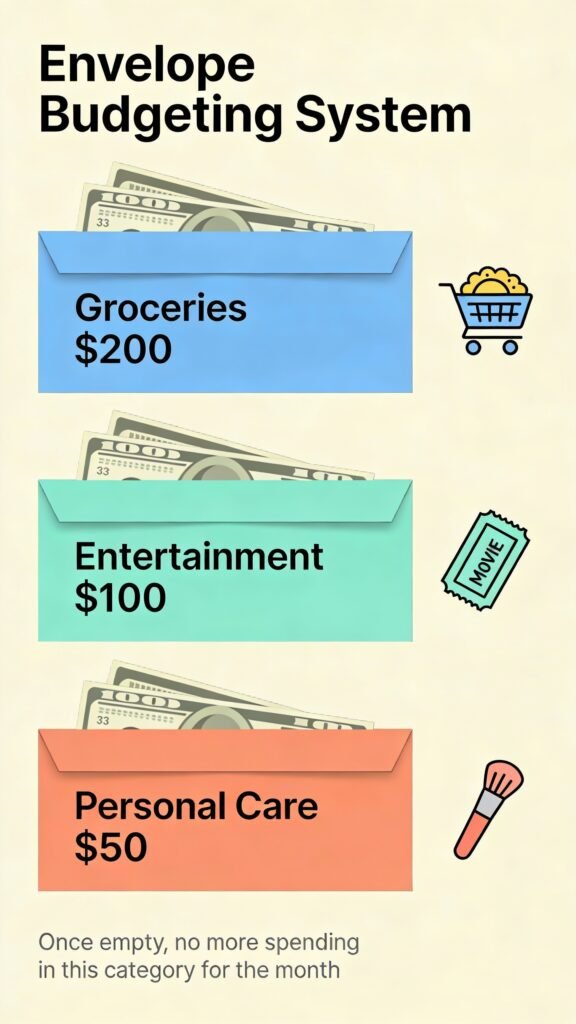
If you’re a tactile person and love the idea of physical cash, the envelope system template is a game-changer. It helps you manage cash for specific spending categories, making overspending almost impossible. You literally can’t spend money you don’t have in the envelope.
You assign a specific amount of cash to categories like groceries, entertainment, or personal care, then stash it in labeled envelopes. Once an envelope is empty, that’s it for the month in that category. Pro tip: Start with just a few variable categories you tend to overspend on, like dining out or shopping. It gives you immediate visual feedback on your spending habits.
5. Debt Snowball Avalanche Planner
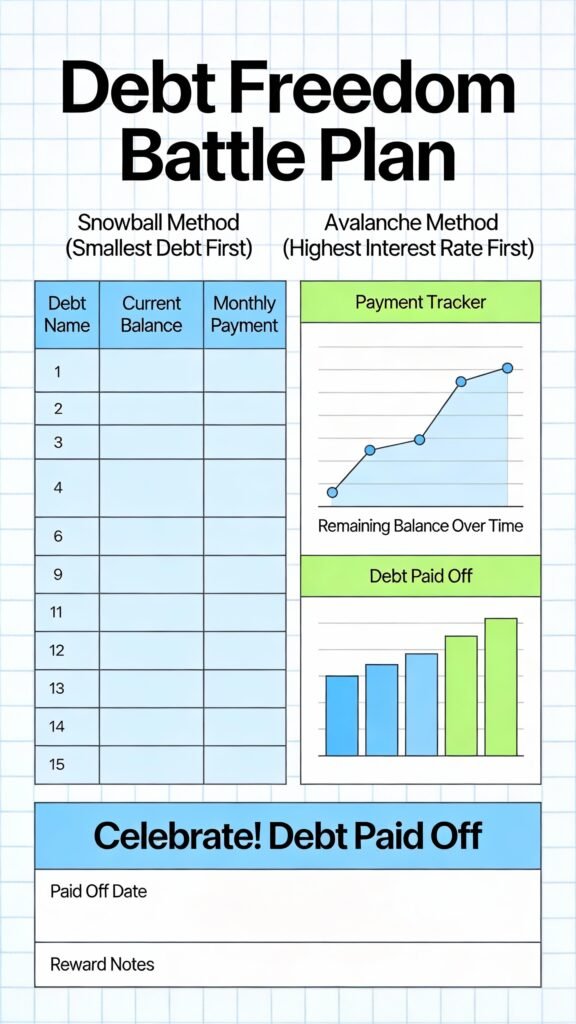
Ready to kick debt to the curb? This template is your battle plan. Whether you’re tackling the smallest debt first (snowball) or the highest interest rate first (avalanche), this printable keeps you focused and motivated. It turns a daunting task into a series of achievable steps.
You list all your debts, their balances, and interest rates. Then, you track your payments and watch those numbers shrink. It’s incredibly satisfying to visualize your progress. Pro tip: Celebrate every debt paid off, no matter how small! That positive reinforcement keeps you going. You’ll feel so empowered watching your debt disappear.
6. Savings Goal Tracker

Got a big dream? A new car? A fabulous vacation? This template helps you break down big savings goals into manageable monthly chunks. It turns “someday” into “on my way!” with clear, actionable steps.
You define your goal, the target amount, and your deadline. Then, you calculate how much you need to save each month to hit that target. Many templates even include fun visual elements, like a progress bar to fill in. Pro tip: Automate your savings transfer right after you get paid. Out of sight, out of mind, and into your savings! It makes achieving your dreams feel tangible.
7. Weekly Spending Tracker

Sometimes a monthly overview feels too broad. This template zooms in on your spending habits week by week. It’s perfect for those who want to keep a tighter leash on daily expenses and catch overspending before it gets out of hand.
You log every single purchase for seven days straight. This gives you a super detailed snapshot of where your money truly goes. It’s often surprising to see how quickly small purchases add up. Pro tip: Carry a small notebook or use your phone’s notes app to jot down purchases immediately. Waiting until the end of the day often leads to forgotten transactions. This template helps you stay super accountable.
8. No-Spend Challenge Template
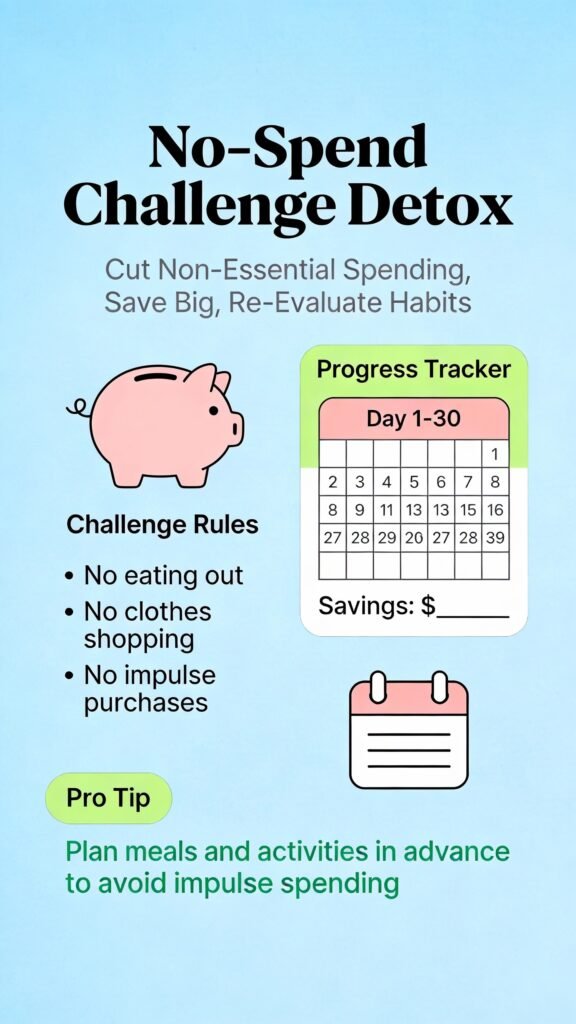
Feeling financially overwhelmed or just need a reset? A no-spend challenge template is your detox. It encourages you to cut out all non-essential spending for a set period, helping you save big and re-evaluate your habits.
You set specific rules for your challenge (e.g., no eating out, no shopping for clothes) and track your progress. It’s amazing how much you can save when you’re intentional about not spending. Pro tip: Plan your meals and activities in advance to avoid impulse spending. Meal prepping is your best friend here. It’s a powerful way to hit the reset button on your finances.
9. Visual Budget Planner

Who said budgeting had to be boring? These templates incorporate fun graphics, coloring sections, or charts to make tracking your money engaging. If you’re a visual learner, this is definitely for you. It turns numbers into something more appealing.
You might color in a jar as you save, or fill in a thermometer for debt repayment. These visual cues provide a great sense of accomplishment and motivation. It feels less like work and more like a game. Pro tip: Choose a design that genuinely excites you. If it’s pretty, you’re more likely to use it consistently. This template adds a much-needed dose of fun to finance.
10. Income and Expense Breakdown
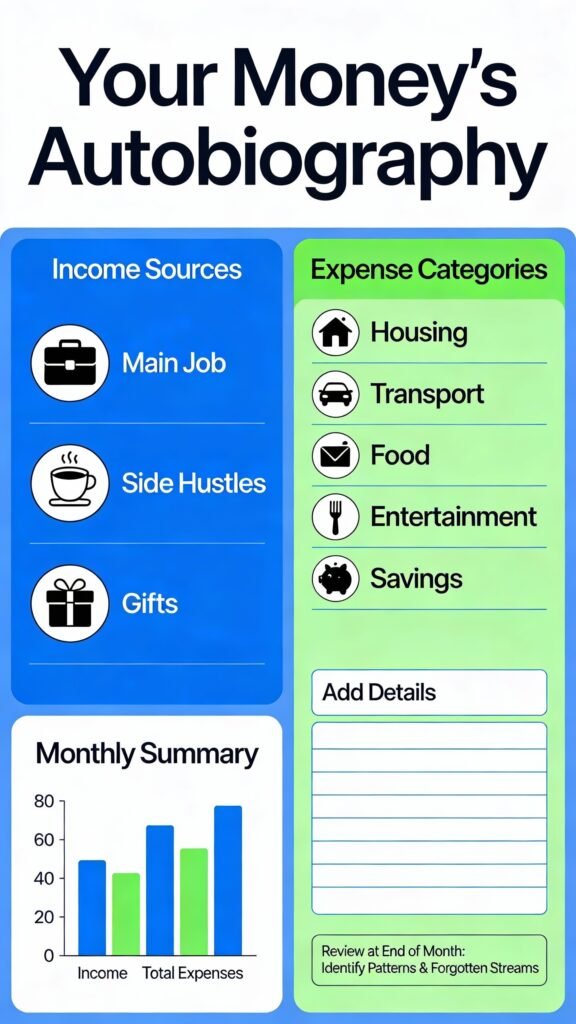
This template takes a deep dive into where your money comes from and where it goes, categorizing everything in detail. It’s less about setting limits and more about understanding your financial landscape. Think of it as your money’s autobiography.
You list all sources of income (main job, side hustles, gifts) and then meticulously categorize every single expense. This helps you identify patterns, potential areas for cuts, and forgotten income streams. Pro tip: Review this at the end of each month to spot trends. Are you consistently overspending on subscriptions you don’t use? Time to cut them! It gives you clarity on your financial reality.
11. Variable Expense Tracker

Fixed expenses are easy, but those pesky variable ones? They’re the wild cards. This template focuses specifically on tracking fluctuating costs like groceries, entertainment, or gas. It helps you tame the unpredictable.
You set a budget for each variable category and then meticulously record every purchase. This helps you stay within your limits and adjust future budgets based on real-world spending. Pro tip: Use a budget app in conjunction with your printable to quickly log these on the go. It helps you rein in those sneaky, inconsistent costs.
12. Sinking Funds Planner

Sinking funds are like mini savings accounts for specific, irregular expenses that you know are coming (think car maintenance, holiday gifts, or annual subscriptions). This template helps you plan for them without stress. No more surprise expenses derailing your main budget.
You list each sinking fund, the target amount, and how much you need to contribute monthly to hit that target before the expense is due. This ensures you always have the cash ready. Pro tip: Start small. Even $10 a month for holiday gifts adds up quickly and makes December much less stressful. It’s a genius way to avoid financial headaches.
13. Digital-Friendly Printable

For those who live on their tablets or prefer a paperless approach, these templates are designed to be easily used with annotation apps. You get the structure of a printable without needing a printer or a pen. It’s the best of both worlds.
You download the PDF and open it in an app like GoodNotes or Notability. Then, you fill it out digitally with your stylus or finger. It’s eco-friendly and keeps everything organized on your device. Pro tip: Set up a dedicated folder on your device for your budget templates so they’re always easy to find. It brings budgeting into the 21st century.
14. Couples Budget Planner

Budgeting with a partner can be tricky, but this template makes it a team effort. It provides sections for shared income, shared expenses, and even individual spending, fostering transparency and communication. No more financial secrets between you two.
You and your partner sit down together to fill this out, discussing goals, priorities, and spending habits. It encourages open dialogue and helps you work towards common financial goals. Pro tip: Schedule a regular “money date” once a month to review your budget and make adjustments. Make it fun, maybe with some takeout! It strengthens your relationship and your finances.
Conclusion
See? Budgeting doesn’t have to be a drag. With these free printables, you’ve got all the tools to take control of your money, smash those financial goals, and finally figure out where your cash is actually going. No more guesswork, just pure, unadulterated financial savvy. So grab your favorite printable, a comfy spot, and get ready to feel like a total money boss. Your bank account (and your future self) will thank you.