💎 14 Old Money Vs New Money
📚 The Financial Literacy Library
The best investment you can ever make is in your own financial education. These 5 cornerstone books are what millionaires, financial advisors, and wealth-builders universally recommend for completely rewiring how you think about earning, saving, and investing money.
🧠 The Psychology of Money
Doing well with money isn't necessarily about what you know—it's about how you behave. Morgan Housel masterfully breaks down the emotional and psychological biases that secretly dictate our financial decisions, offering a true paradigm shift in how to view wealth.
🏠 Rich Dad Poor Dad
The #1 personal finance book of all time for a reason. This foundational read shatters the myth that you need to earn a high income to be rich, teaching you the critical difference between working for money and making your money work for you via assets.
📈 Atomic Habits
While not strictly a finance book, building wealth is absolutely dependent on the daily habits you cultivate. James Clear provides the definitive framework for breaking bad spending habits and effortlessly automating the good ones that lead to long-term success.
📊 The Simple Path to Wealth
The ultimate antidote to complex, intimidating financial advice. JL Collins provides an incredibly accessible, low-stress roadmap to financial independence through index fund investing, perfectly explaining why simplicity beats Wall Street complexity every time.
💳 I Will Teach You to Be Rich
A tactical, no-BS, 6-week program that actually works. Ramit Sethi teaches you how to crush debt, automate your savings, and negotiate your salary—all while guilt-free spending on the things you truly love. A must-read for modern money management.
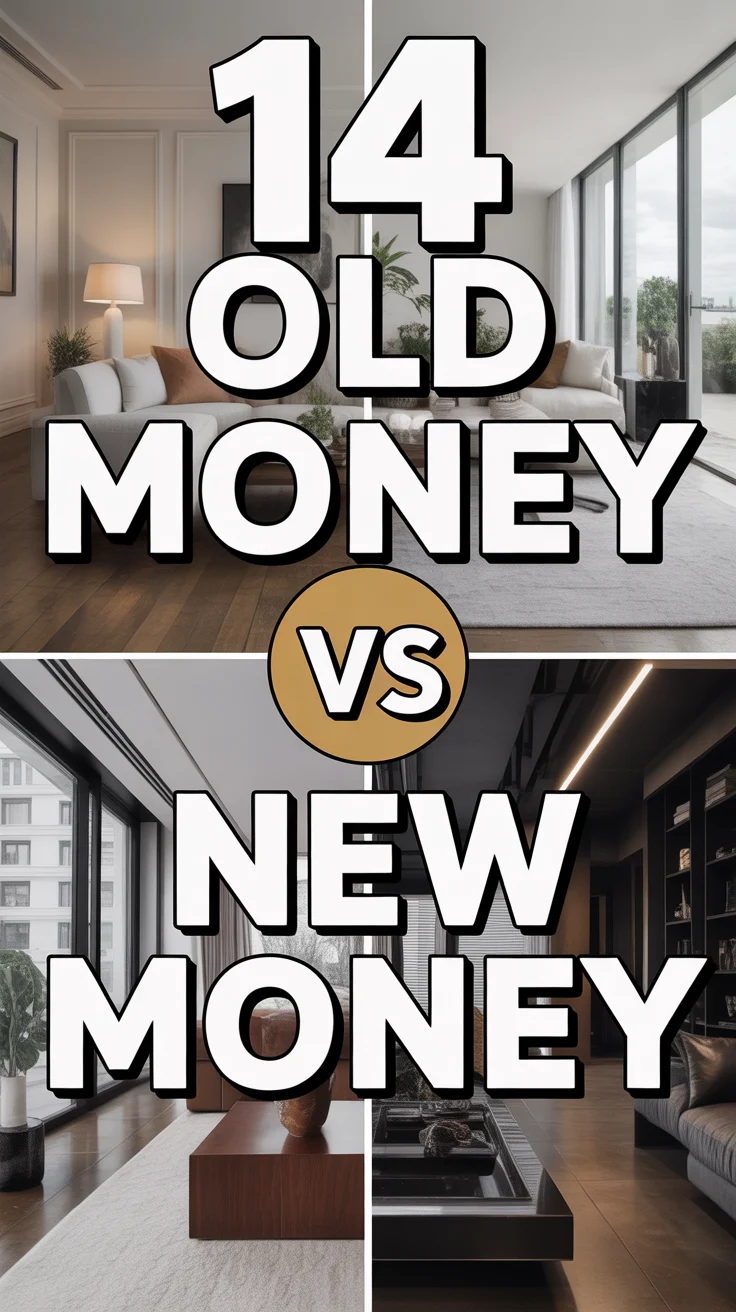
Alright, let’s spill the tea on the ultimate flex-off: Old Money versus New Money. We’re talking about more than just bank accounts here; it’s a whole vibe, a lifestyle, a subtle (or not-so-subtle) declaration of how you roll. One side whispers “discreet luxury,” while the other shouts “look what I bought!” Ready to dive into the nuances of generational wealth versus the self-made empire? Because honey, the differences are chef’s kiss.
1. Wardrobe Whispers
Old Money favors timeless classics and bespoke tailoring. Think quiet luxury, fabric quality that screams “expensive” without a single logo, and pieces that last generations. You won’t catch them chasing every trend.
New Money, on the other hand, often goes for the latest drops, flashy designer logos, and anything that screams “I just bought this.” It’s about immediate recognition and being seen in the trendiest threads.
Pro tip: Invest in a few high-quality, versatile pieces. Your wardrobe should reflect enduring style, not just fleeting fads. It’s less about brand names and more about the narrative your clothes tell.
2. Travel Tales
Old Money escapes to their family estate in Tuscany, takes a quiet sailing trip, or explores obscure cultural sites. They prioritize privacy and authentic experiences. You’ll hear about their adventures much later, if at all.
New Money hits up the hottest resorts, rents a mega-yacht for an Instagram photo dump, or jets off to whatever destination is currently trending. It’s about being seen at the most exclusive spots and sharing every moment.
Pro tip: Seek out places that genuinely intrigue you, not just those with the best photo ops. True luxury often lies in the serenity of being truly off-grid.
3. Dining Decorum
Old Money has their favorite, discreet table at an old-school establishment, or they’re hosting an intimate dinner party at home with a private chef. They appreciate subtlety and tradition.
New Money is all about reservations at the latest Michelin-starred spot, documenting every course, and perhaps even buying out the restaurant for a private bash. The experience is often as much about the show as the food.
Pro tip: Great food is great food, whether it’s a hole-in-the-wall taco joint or a five-star dining room. Appreciate the craft, not just the price tag.
4. Home Sweet Home
Old Money homes are filled with inherited antiques, classic art, and a comfortable, lived-in elegance. Every piece has a story, and the decor evolves organically over decades, not seasons.
New Money often opts for grand, newly built mansions with all the latest smart tech, designer furniture, and perhaps a few “trophy” art pieces. The aesthetic can sometimes feel more staged than truly lived-in.
Pro tip: Your home should be a reflection of you, not a showroom. Mix cherished heirlooms with modern comforts for a space that feels uniquely yours.
5. Ride or Die Rides
Old Money might drive a meticulously maintained, classic luxury sedan or a rugged SUV for country living. They value reliability and understated performance. Often, a beloved older model gets pampered for decades.
New Money often flaunts the newest sports car, a fleet of exotic vehicles, or the biggest, flashiest SUV on the market. It’s about immediate status and turning heads.
Pro tip: A car is a tool, albeit a luxurious one. Choose something that makes you happy to drive, not just something that impresses others.
6. Hobby Horse
Old Money engages in pursuits like equestrian sports, sailing, philanthropic board work, or collecting rare books and art (discreetly, of course). They focus on mastery and legacy.
New Money might be into extreme sports, high-stakes poker, collecting limited-edition sneakers, or buying into trendy new ventures. It’s often about the thrill and the public display of prowess.
Pro tip: Hobbies should genuinely bring you joy and a sense of accomplishment. Don’t pick up a new passion just because it looks good on paper.
7. Investment Intuition
Old Money focuses on long-term wealth preservation, diversified portfolios, real estate, and trusts. They play the generational game, not the quick flip.
New Money is often chasing the next big thing—crypto, tech startups, high-risk ventures. They’re looking for exponential growth and aren’t afraid to take big swings.
Pro tip: Understand your risk tolerance and always consider the long game. Slow and steady often wins the marathon, not just the sprint.
8. Philanthropic Playbook
Old Money makes quiet, substantial donations to established institutions, often sitting on boards for years and building a lasting relationship with causes close to their family’s heart. It’s about sustained impact.
New Money might make large, public donations, often with naming rights attached, or host celebrity-filled galas. The focus can sometimes be on immediate, visible impact and recognition.
Pro tip: Giving back is always a good look. Whether you do it loudly or quietly, ensure your contributions align with causes you genuinely care about.
9. Social Circles
Old Money’s circles are often formed through generations of shared history, exclusive clubs, and family connections. It’s about deep, long-standing relationships.
New Money builds networks at industry events, exclusive parties, and through shared business ventures. These connections can often be more transactional and fluid.
Pro tip: Cultivate genuine friendships. True connections are far more valuable than a Rolodex full of contacts you barely know.
10. Education Expeditions
Old Money sends their offspring to elite boarding schools and Ivy League institutions, often following a specific family tradition. They value a classical, well-rounded education.
New Money might prioritize top-tier business schools, STEM programs, or specialized academies aimed at career acceleration. It’s often about practical skills and immediate career advantage.
Pro tip: Learning is a lifelong journey. The institution matters less than the hunger for knowledge and the critical thinking skills you develop.
11. Tech Tastes
Old Money appreciates technology for its utility but isn’t necessarily obsessed with having the latest gadget. They might still use a reliable flip phone for calls, preferring function over flash.
New Money is an early adopter of every new device, boasting smart home systems, cutting-edge entertainment setups, and the newest phone as soon as it drops. It’s about being at the forefront of innovation.
Pro tip: Use technology to enhance your life, not complicate it. Sometimes, less is genuinely more.
12. Brand Bonding
Old Money shows loyalty to heritage brands known for their craftsmanship and quality, often bespoke or artisan-made. They value the story and tradition behind a brand, not just its current hype.
New Money gravitates towards trending luxury brands, limited editions, and anything with a visible, recognizable logo. They’re often influenced by hype culture and influencer endorsements.
Pro tip: True quality speaks for itself. Don’t let marketing dictate your choices; seek out items that genuinely stand the test of time.
13. Weekend Wonders
Old Money weekends might involve quiet time at a family country estate, a sailing regatta, or attending a classical music concert. It’s about recharging and traditional leisure.
New Money weekends are often packed with yacht parties, exclusive club events, luxury shopping sprees, or spontaneous jet-setting to a new city. It’s about maximizing experiences and social visibility.
Pro tip: Make your weekends truly yours. Whether that means lavish parties or quiet introspection, ensure they genuinely replenish your spirit.
14. Legacy Lore
Old Money focuses on preserving the family name, maintaining long-term trusts, and quietly supporting institutions that will endure for generations. Their legacy is often about quiet, sustained impact.
New Money often builds a personal brand, establishes foundations in their own name, or champions disruptive innovation. They seek immediate impact and public recognition for their contributions.
Pro tip: Your legacy is what you leave behind, not just what you accumulate. Think about the positive ripple effect you want to create in the world.
💼 The Money Management Toolkit
Knowledge is power, but proper execution requires the right tools. Getting your financial life organized doesn't have to be overwhelming. These 5 physical management tools are exactly what successful households use to budget, track cash, and secure their most important assets.
📝 Clever Fox Budget Planner & Bill Organizer
The ultimate analog command center for your finances. Sometimes keeping your budget in an app just doesn't stick. Physically writing down your goals, tracking expenses, and planning for debt payoff creates a level of accountability that digital spreadsheets simply can't match.
💵 A6 Leather Cash Stuffing Binder
The viral tool that made the cash-envelope budgeting system popular again. By allocating actual physical cash to designated envelopes (groceries, dining out, fun money), you physically cap your spending, making it virtually impossible to overdraft or overspend.
🔥 Fireproof & Waterproof Document Safe
A critical piece of financial security that many families overlook. Protecting your passports, birth certificates, property deeds, and estate planning documents from disaster is just as important as protecting the money in your bank account.
🏷️ Brother P-Touch Digital Label Maker
The unsung hero of a functional home office. When tax season rolls around or you need to find an important receipt, having perfectly labeled and categorized filing cabinets or accordion folders saves hours of frustrating searches and potential late fees.
🔒 SentrySafe Compact Fireproof Lock Box
For the physical assets that need extra heavy-duty protection—think emergency cash reserves, hard drives with Bitcoin cold wallets, or physical precious metals. This compact, locking safe provides peace of mind that your physical wealth is secure at home.
Conclusion
So, there you have it! Old Money and New Money aren’t just about how much cash you’ve got; they’re about how you live with it. One’s a quiet nod to tradition and enduring quality, the other’s a bold shout-out to ambition and immediate gratification. There’s no right or wrong answer, just different styles of flexing. The real takeaway? Own your vibe, whatever your financial story. Because darling, true wealth is knowing who you are, no matter how full your wallet.